Plizio Visual Lab

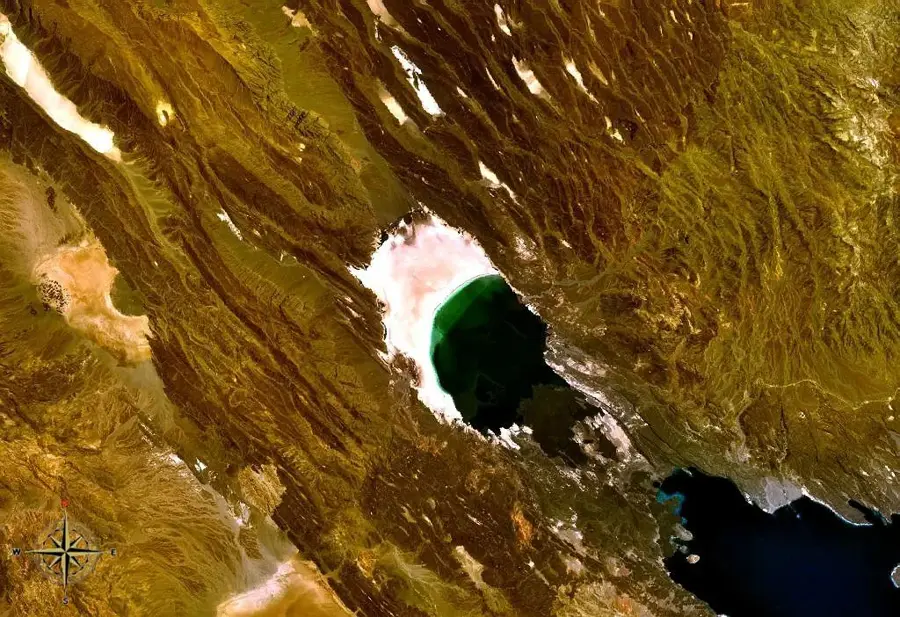
Goda Mountains Beekeeping
Plizio editorial teamData Sources
Agriculture
—°4
Goda Mountains Beekeeping (Djibouti)

Weather…

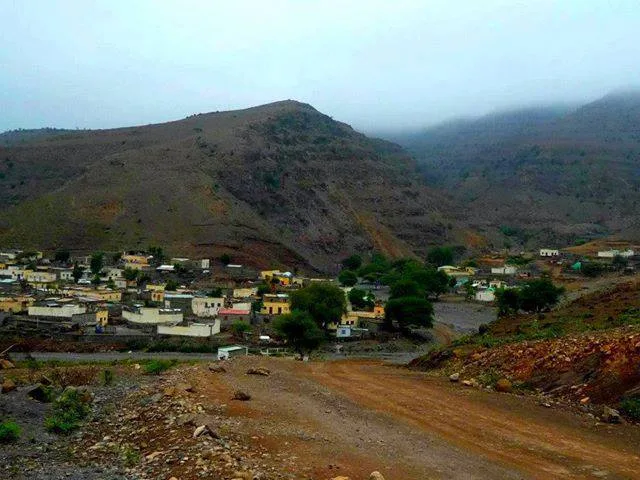
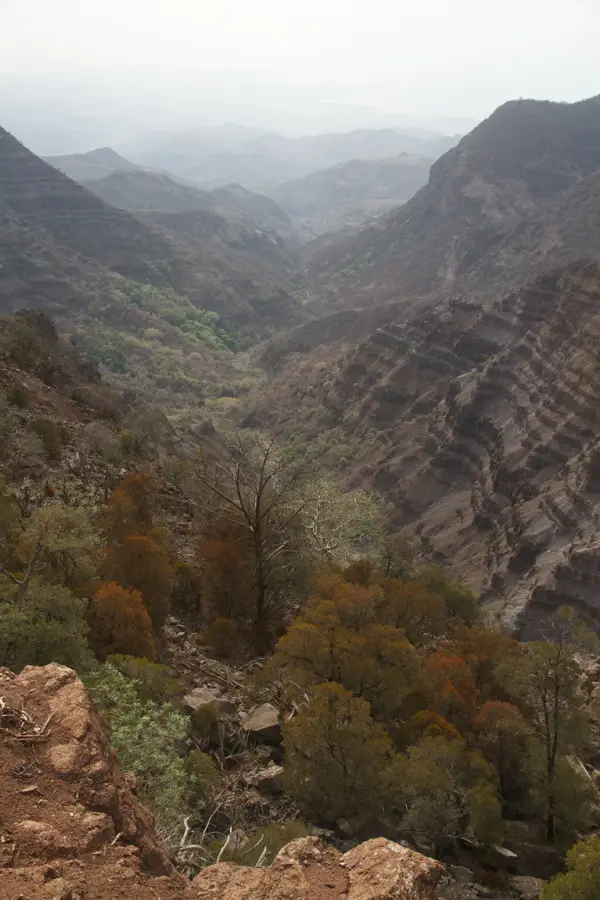
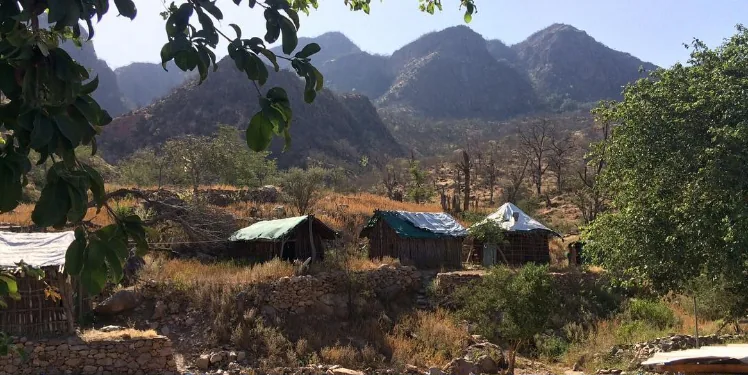
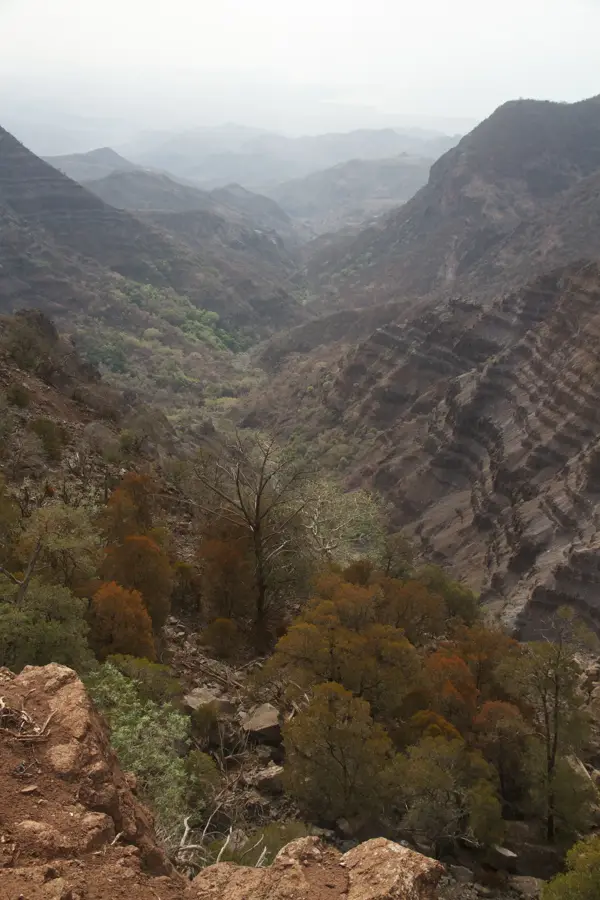
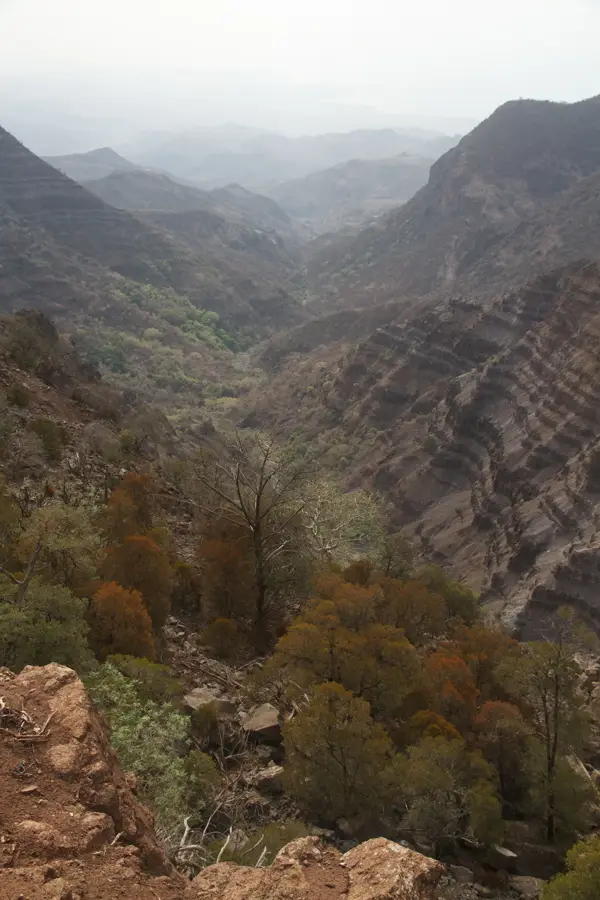
Beekeeping in the Goda Mountains represents one of the few sustainable agricultural practices in Djibouti's highlands. In the more humid regions of the mountains, particularly around the Forêt du Day, local communities utilize the rich flora of acacias, junipers, and wildflowers for honey production. Goda honey is known for its specific taste and high purity and is considered a valuable local product. Beekeeping often occurs traditionally but is increasingly supported by modern cooperatives providing training and better equipment. Geographically, bees benefit from constant water sources in mountain gorges and the temperate climate of the high altitude. This activity provides mountain residents with an alternative income source to logging, thus indirectly contributing to the protection of the remaining primary forests. Honey harvesting usually takes place after the rainy seasons when the vegetation is in full bloom.

Best time to visit & climate

The most pleasant time to visit is Jan, Feb, Dec.

JanFebMarAprMayJunJulAugSepOctNovDec
Avg °C222325273033323131272523
Rain mm9925583511466751231118

📋 Practical info

🏭
What is this place?
Beekeeping in the Goda Mountains is a traditional honey production that utilizes the rich flora of the Day Forest to produce a unique natural honey. It provides an important income source for local people and preserves ancient beekeeping methods.
🚪
Visiting
The beehives are scattered across the mountain region and are not usually accessible to tourists, but the hives can be seen from a distance in the trees. Guided hikes with local beekeepers offer a respectful insight into the work.
👀
Where to view it
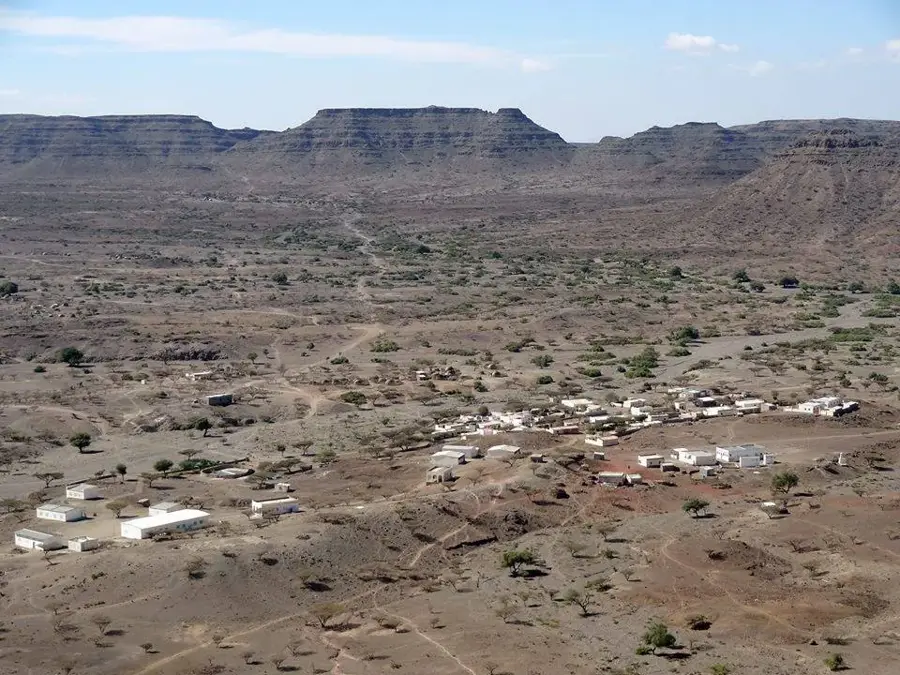
The best viewpoint is the edge of the Day Forest above the village of Goda, from where the traditional hives hanging in the tree canopy can be spotted. Clearings along the hiking trails also offer good views of active hives.
🧺
Local products
The main product is the distinctive Goda Mountains honey, a dark, aromatic honey with a high proportion of local wildflowers. On the markets of Goda and the nearby town of Dikhil, this honey, along with beeswax and propolis, can be purchased.
📆
Active season
The main honey harvest season is in the dry season from December to February, when the flowering of acacias and other trees peaks. During this time the beekeepers are most active and the hives are particularly well-filled.
Nearby
A visit to the beekeeping areas can be excellently combined with a hike through the Day Forest, known for its rare flora and birdlife. The salt lakes of Lake Assal, about 50 kilometres southwest, provide a landscape contrast.

Geography

Coordinates
11.80000, 42.68000

Facts

  • Region: Highlands of the Goda Mountains (1000-1500m)
  • Main nectar plants: African juniper and acacia
  • Quality: High purity level and specific aroma
  • Economy: Alternative income source to forest exploitation
  • Seasonality: Main harvest after rainy seasons
  • Structure: Support from local beekeeping cooperatives

Explore nearby

Notable places around

Route planner — Car & Motorhome

Where do you start? We build the route here, with stops and country notes along the way.

Vehicle
Only stops with (optional):

© OpenStreetMap contributors · OpenRouteService

Sights in the town Goda Mountains Beekeeping (4)

Governor's house📍 landmark

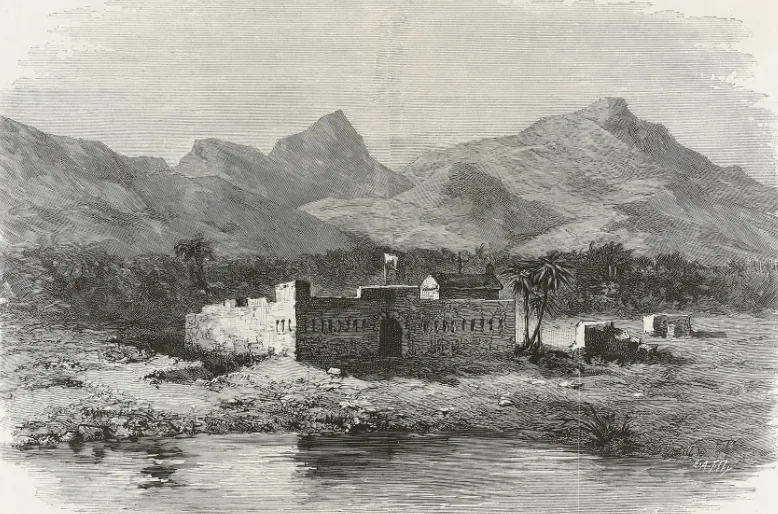
The Governor's house is a historic colonial residence tucked away in the lush environment of the Goda Mountains.

Diyâra🌿 nature

Diyâra is a towering mountain summit surrounded by the rich flora of the Goda Mountains.

Nararte🌿 nature

Nararte is a forested peak providing a natural habitat for local beekeeping in the Goda Mountains.

‘Êli Dâba🌿 nature

‘Êli Dâba is a rocky mountain crest situated within the diverse ecosystem of the Goda Mountains.

Sights nearby

Frequently asked questions

What is special about the honey from the Goda Mountains?
The honey is known for its purity and the aroma of rare highland wildflowers.
Can you visit the apiaries?
Yes, some local cooperatives offer insights into traditional beekeeping.
When is the honey harvested?
The main harvest usually takes place after the rainy season when the vegetation is in full bloom.
Where can you buy this honey?
Directly from the farmers in the mountains or at the markets in Tadjoura and Djibouti City.
Are there other agricultural products there?
Besides honey, small quantities of fruit and vegetables are also grown in the fertile Goda Mountains.
Goda Mountains Beekeeping: where is it located?
Goda Mountains Beekeeping is located in Djibouti.
Goda Mountains Beekeeping: what is there to see?
Highlights include Governor's house, Diyâra, Nararte.
Goda Mountains Beekeeping: when is the best time to visit?
The most pleasant time to visit is Jan, Feb, Dec.
Goda Mountains Beekeeping: why is it worth visiting?

Beekeeping in the Goda Mountains represents one of the few sustainable agricultural practices in Djibouti's highlands.
View on map → The Top 50 Attractions → OpenStreetMap →
Africa
Explore with Plizio Discover more places in Africa
More places in Djibouti →

Nearby cities

History & landmarks
Nature
More places