Plizio Visual Lab
Church of St. Blaise Dubrovnik
Weather…
Water temperature…
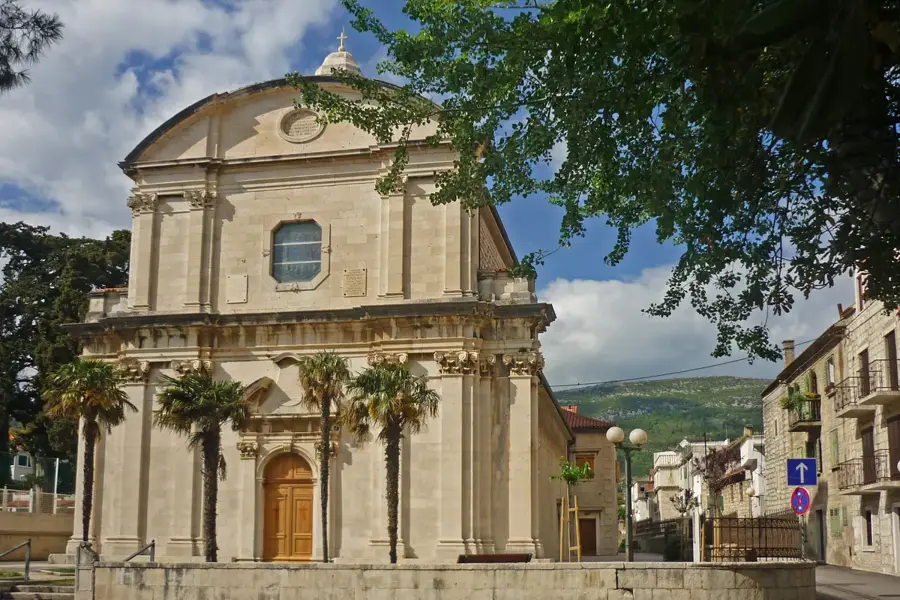
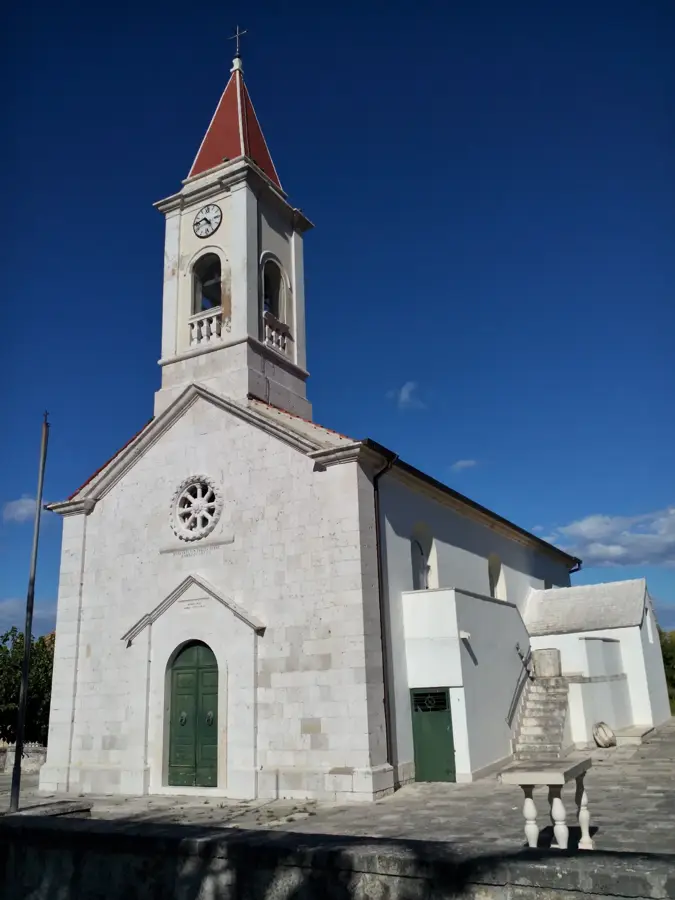
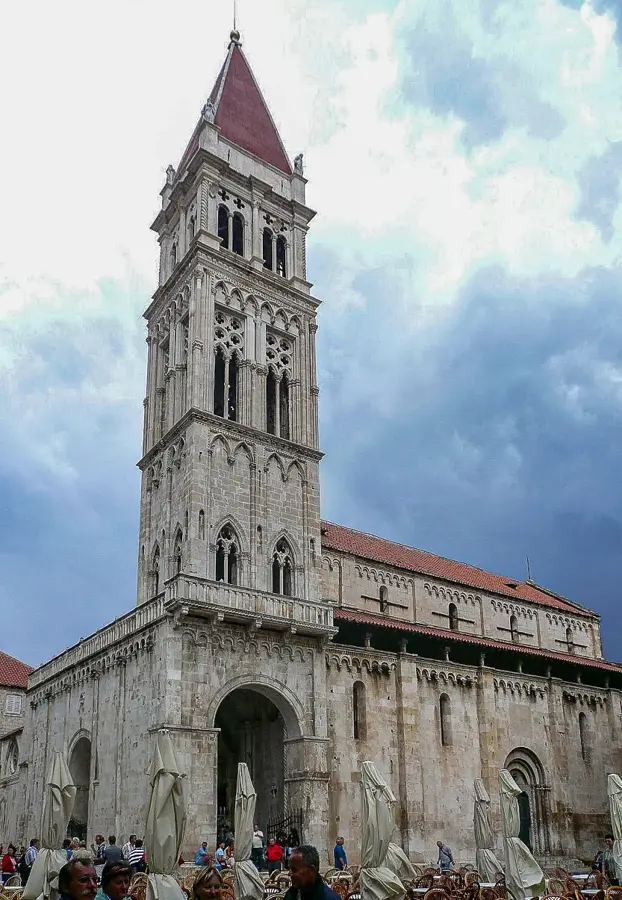
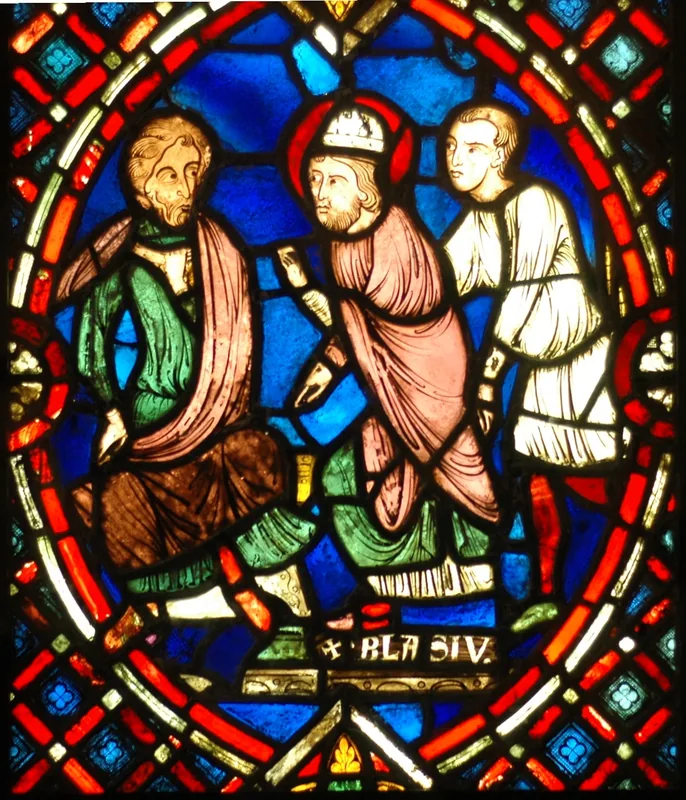
The Church of St. Blaise (Crkva sv. Vlaha) in Dubrovnik is one of the city's most magnificent Baroque landmarks, dedicated to the patron saint of the former Republic of Ragusa. Located at the eastern end of the Stradun, it occupies a prominent site across from the Sponza Palace. The current church was constructed between 1706 and 1715 in the Venetian Baroque style by architect Marino Gropelli, replacing a 14th-century Romanesque church that was destroyed by a fire in 1706. Its most revered treasure is the 15th-century gilded silver statue of St. Blaise on the high altar, which miraculously survived both the Great Earthquake of 1667 and the subsequent fire. The statue depicts the saint holding a scale model of Dubrovnik as it appeared before the earthquake, providing invaluable historical insight into the city's medieval layout. Every year on February 3rd, the church serves as the focal point for the Festival of St. Blaise, a tradition celebrated since 972 AD and listed as UNESCO Intangible Cultural Heritage. The exterior is grandly decorated, featuring statues of St. Blaise alongside allegorical figures of Faith and Hope atop the facade.
- Location: Croatia
- Nearby: Blue Cave (Biševo) (83 km)
Best time to visit & climate
The most pleasant time to visit is May, Jun, Sep.
| Jan | Feb | Mar | Apr | May | Jun | Jul | Aug | Sep | Oct | Nov | Dec | |
|---|---|---|---|---|---|---|---|---|---|---|---|---|
| Avg °C | 12 | 11 | 13 | 15 | 18 | 22 | 25 | 26 | 23 | 19 | 16 | 13 |
| Rain mm | 83 | 71 | 65 | 55 | 49 | 41 | 32 | 36 | 76 | 74 | 94 | 87 |
📋 Practical info
Geography
Facts
- Constructed between 1706 and 1715 by Marino Gropelli
- Features a 15th-century gilded silver statue of St. Blaise
- The saint holds a model of the pre-1667 city of Dubrovnik
- The Festival of St. Blaise is UNESCO Intangible Cultural Heritage
- Replaced a Romanesque church destroyed by fire in 1706
- The high altar is a masterwork of Baroque sculpture
Explore nearby
Notable places around
Route planner — Car & Motorhome
Where do you start? We build the route here, with stops and country notes along the way.
© OpenStreetMap contributors · OpenRouteService
Sights nearby
Frequently asked questions
Who is Saint Blaise?
When is the Feast of Saint Blaise?
In what style is the church built?
Is photography allowed inside the church?
Where is the church located in Dubrovnik?
Church of St. Blaise Dubrovnik: where is it located?
Church of St. Blaise Dubrovnik: when is the best time to visit?

Nearby cities