Plizio Visual Lab
Solin
ℹ️Practical info — Solin
▾
🌤 Weather — 5 days
📍 Nearby
Sights nearby
💡 Tips
- Visit the ruins of Salona in the early morning to avoid the summer heat and large tour groups.
- Make sure to bring water and sun protection, as there is very little shade at the ancient sites.
- Parking in the center of Solin is generally easier and cheaper than in neighboring Split.
- Use the public bus from Split, it runs frequently and is a very affordable option.
🍽 Food
Look for traditional konobas on the outskirts of the city for authentic peka (meat cooked under a bell).
You will always find excellent fish dishes in the restaurants near the mouth of the Jadro river.
Buy these delicious small fried dough balls at street stalls or bakeries in the center.
🛍 Shopping · 🧘 Quiet spots
Look for small deli shops selling high-quality Dalmatian olive oil.
Fragrant lavender bags and oils are popular, authentic souvenirs available at local markets.
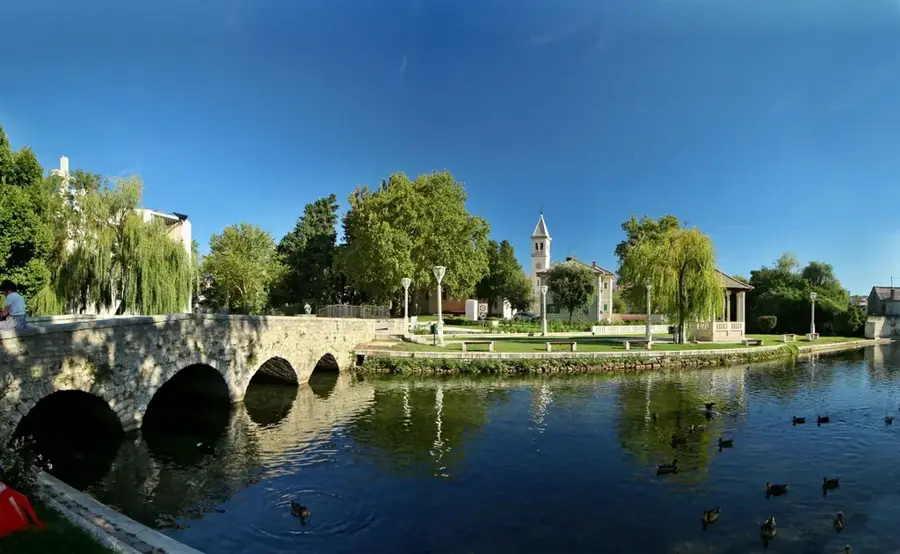
A walk along the river provides pleasant coolness and often passes by photogenic old mills.
This historical church ruin is usually less visited and has a particularly peaceful atmosphere.
Water temperature…
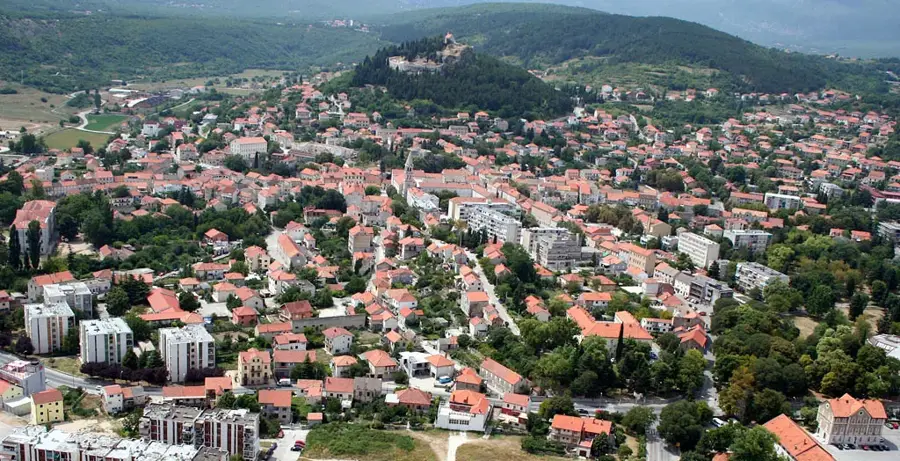
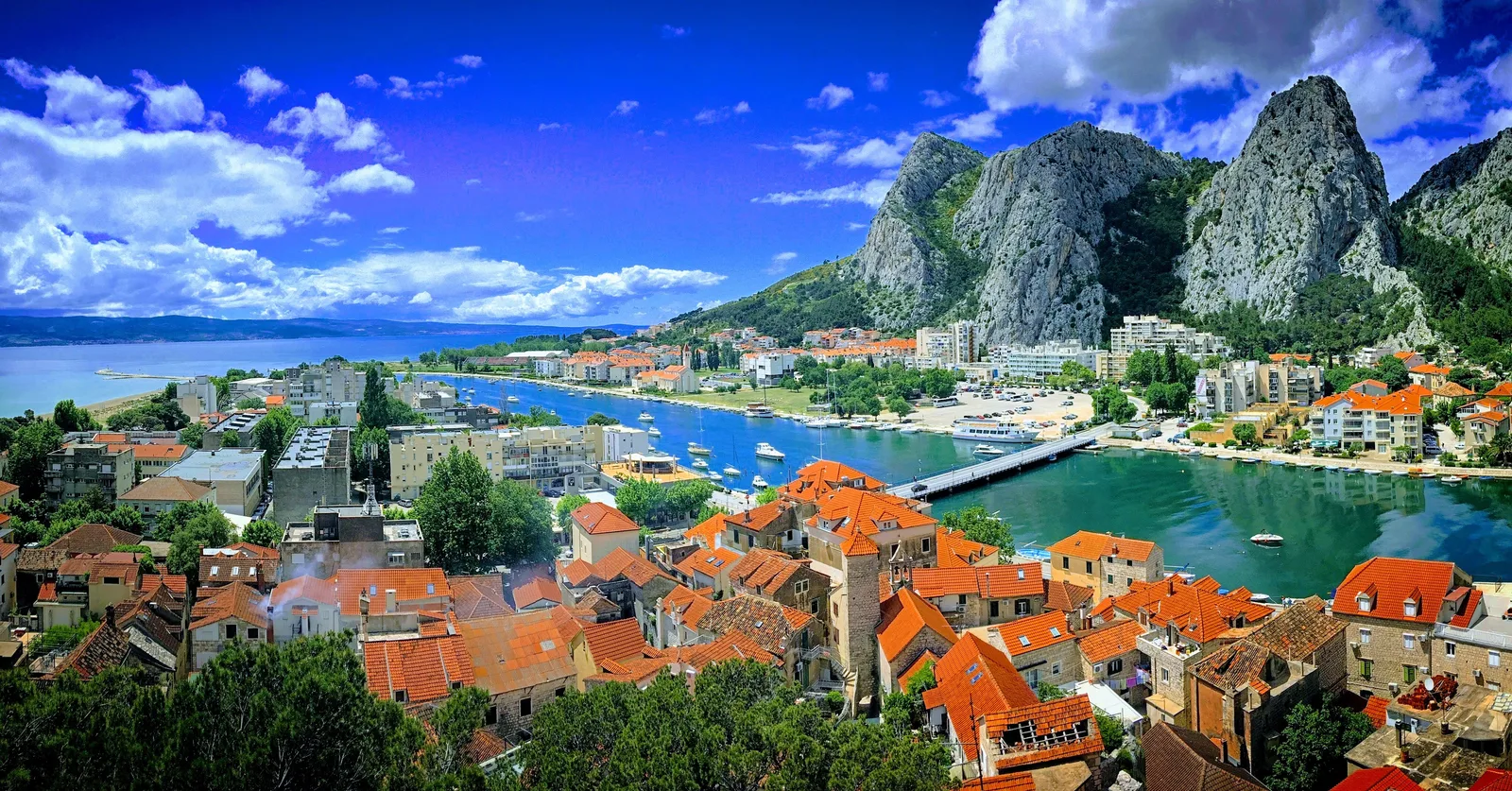
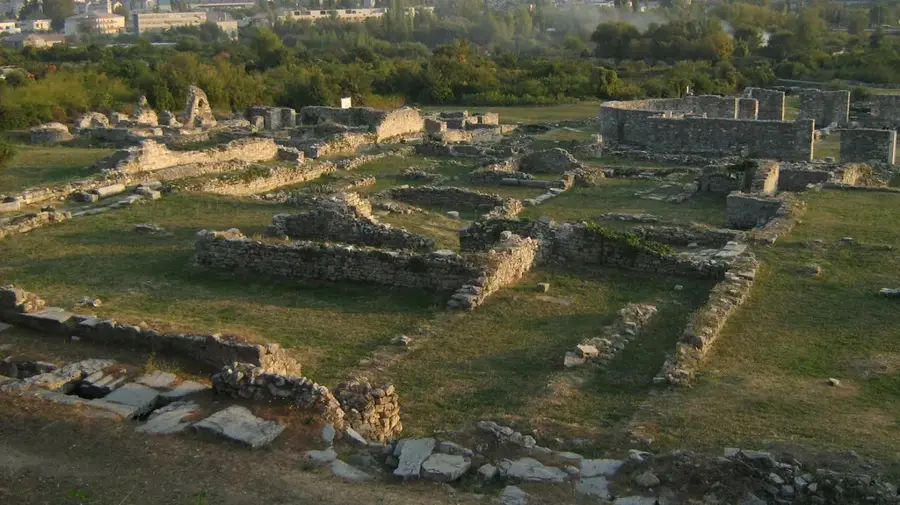
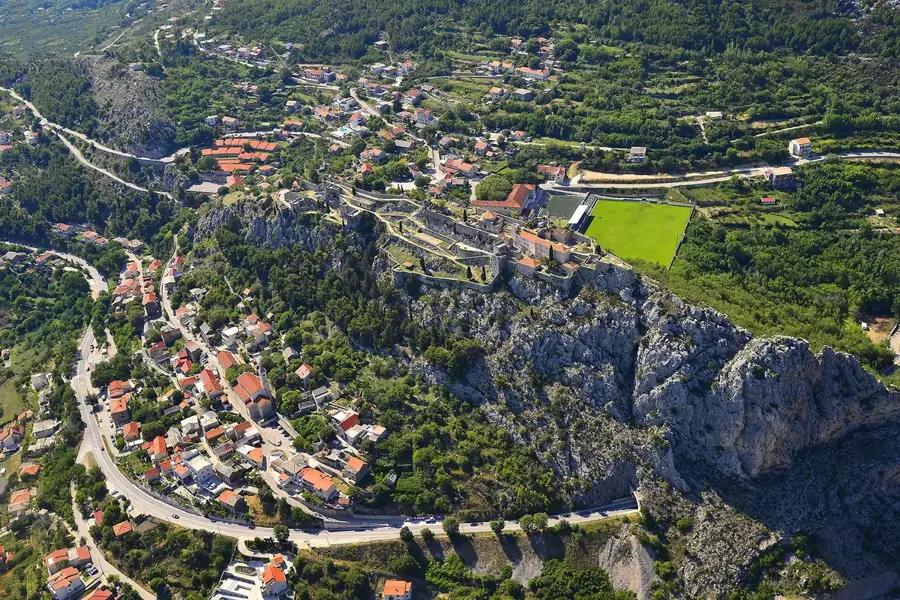
Solin is located directly northeast of Split and is inseparable from the ancient city of Salona, the former capital of the Roman province of Dalmatia. At its zenith in the 3rd and 4th centuries AD, Salona boasted a population of over 60,000, making it one of the largest and most influential cities in the Roman Empire. Today, Solin preserves Croatia's most significant archaeological park, featuring an amphitheater, massive city walls, Roman baths, and early Christian basilicas. The Jadro River, often called the 'Croatian Jordan' due to its role in the baptism of early Croats, flows through the city. The 'Island of Our Lady' (Gospin otok) served as a 10th-century coronation site for Croatian kings and houses a royal necropolis. Modern Solin is a rapidly growing urban center that balances its heavy industry, primarily cement production, with its immense cultural heritage. The convergence of Roman imperial grandeur and medieval Croatian statehood defines Solin as a premier historical destination in the Adriatic region.
- Location: Croatia
- Top sights: Salona amphitheater · Roman Theatre · Crkva sv. Petra i Mojsija
- Nearby: Stobreč (5 km)
- Population: ~20.996
Best time to visit & climate
The most pleasant time to visit is Jun, Jul, Sep.
| Jan | Feb | Mar | Apr | May | Jun | Jul | Aug | Sep | Oct | Nov | Dec | |
|---|---|---|---|---|---|---|---|---|---|---|---|---|
| Avg °C | 7 | 7 | 10 | 13 | 18 | 22 | 25 | 25 | 21 | 17 | 13 | 8 |
| Rain mm | 91 | 89 | 78 | 65 | 57 | 51 | 29 | 41 | 90 | 88 | 126 | 116 |
Geography
Facts
- Ancient Salona was the capital of Roman Dalmatia
- The Roman amphitheater held approximately 18,000 spectators
- Solin is often described as the cradle of Croatian history
- The Jadro River provides the main water supply for Split
- Gospin otok is a 10th-century royal coronation site
- Home to some of the most extensive Roman ruins in Europe
Explore nearby
Notable places around
Route planner — Car & Motorhome
Where do you start? We build the route here, with stops and country notes along the way.
© OpenStreetMap contributors · OpenRouteService
Sights in the town Solin (11)
Frequently asked questions
What is the most important archaeological site in Solin?
What can you see at Salona?
Which river flows through Solin?
What is the 'Island of Our Lady'?
How far is Solin from Split?
Solin: where is it located?
Solin: what is there to see?
Solin: when is the best time to visit?
Solin: why is it worth visiting?

Nearby cities