Day of the Emigrants
Since 1985, on the last Sunday of July, former islanders return to Susak to celebrate their heritage, often wearing Europe's shortest folk costumes.
PlizioGo
Try this indigenous red grape variety that pairs perfectly with local fish.
Enjoy fresh-caught octopus in the small konobas in the upper village.
Look for dishes seasoned with the island's famous wild oregano.
Buy hand-picked wild oregano as an authentic souvenir from the island.
Visit this local producer for the best wine on the island.
Stroll through the quiet alleys far away from the harbor bustle.
A sandy shallow water area, well-suited for a quiet swim in the morning.
Water temperature…
Since 1985, on the last Sunday of July, former islanders return to Susak to celebrate their heritage, often wearing Europe's shortest folk costumes.
Since 1985, on the last Sunday of July, former islanders and their families return to Susak to celebrate their heritage. The island is famous for Europe's shortest women's folk costume.
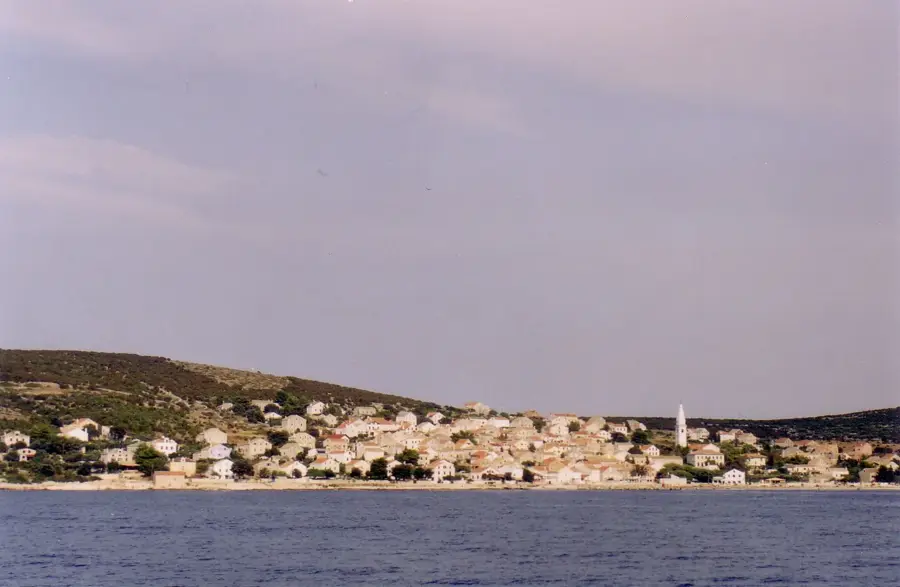
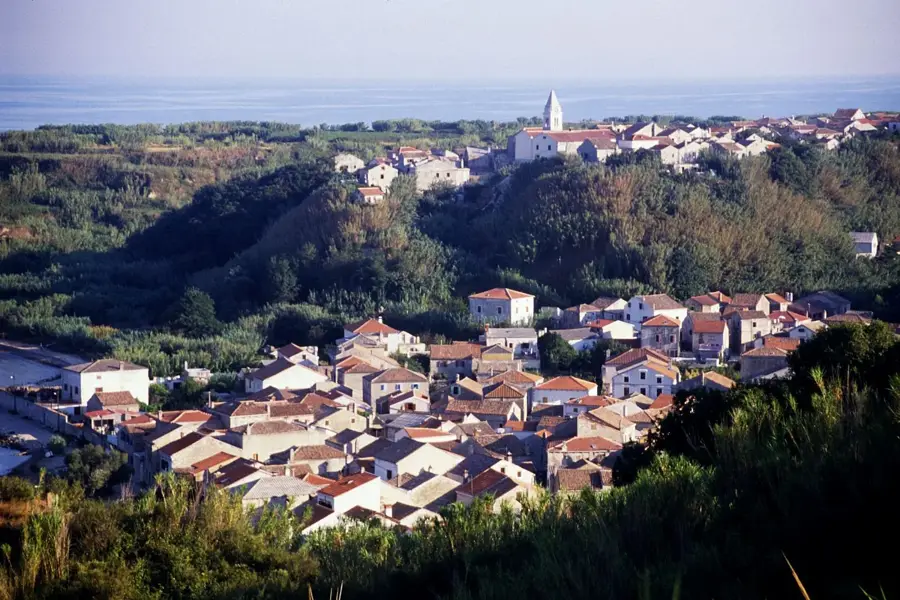
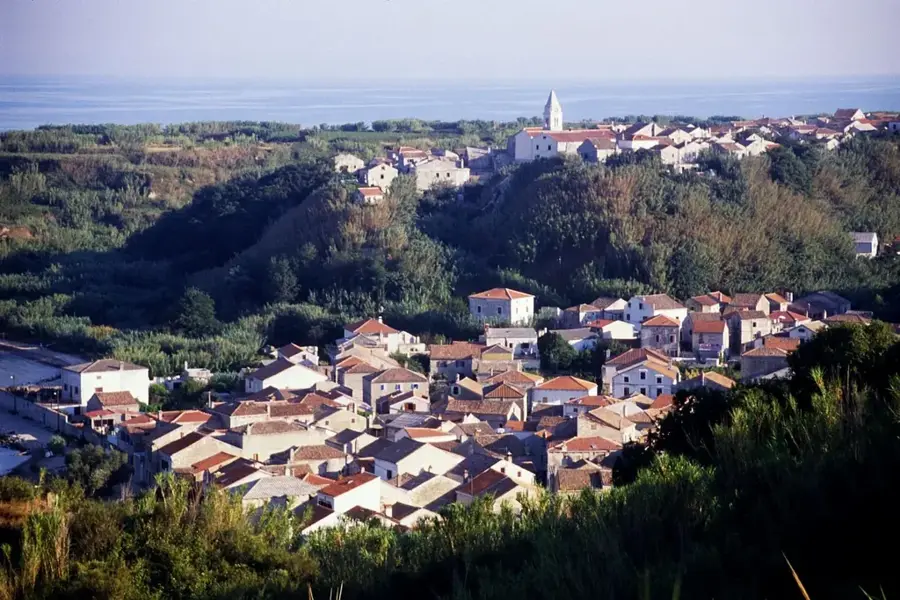
Susak is a geological anomaly in the Adriatic, as it consists almost entirely of fine yellow loess sand resting on a limestone base. These sediment layers, reaching up to 100 meters in thickness, have shaped the island's unique landscape of deep-cut walking paths and lush reed fields. Due to its historical isolation, Susak has preserved cultural traits found nowhere else in Croatia. The locals speak a cryptic archaic dialect, and the traditional female folk costume is famous for its animated neon colors and unusually short skirts, worn with multiple petticoats. In the mid-20th century, the island experienced a massive wave of migration, primarily to the United States, leading to a situation where more Susak natives live in Hoboken, New Jersey, than on the island itself. With no paved roads or cars, Susak has an atmosphere of profound tranquility and a glimpse into a world where time seems to have slowed down significantly.
The most pleasant time to visit is Jun, Jul, Sep.
| Jan | Feb | Mar | Apr | May | Jun | Jul | Aug | Sep | Oct | Nov | Dec | |
|---|---|---|---|---|---|---|---|---|---|---|---|---|
| Avg °C | 9 | 9 | 11 | 14 | 18 | 22 | 25 | 25 | 21 | 18 | 14 | 10 |
| Rain mm | 89 | 95 | 76 | 68 | 78 | 54 | 45 | 58 | 109 | 103 | 130 | 106 |
Notable places around
Where do you start? We build the route here, with stops and country notes along the way.
© OpenStreetMap contributors · OpenRouteService
Susak is a unique natural phenomenon of fine yellow sand on a limestone base. Your day begins in the bustling Lower Village before ascending to the quieter Upper Village. Discover spiritual peace at St. Nicholas Church and hike through the fragrant vineyards to the lighthouse on Mount Garba. Spend the afternoon at the rare Spiaza sandy beach, before ending the day at Cape Arat with a sweeping view over the Adriatic Sea.
Start your day at Susak harbor with an umbrella, exploring the narrow alleys of the Lower Village. At noon, St. Nicholas Parish Church provides dry shelter for sightseeing. In the afternoon, the sandy paths through the vineyards become softer under the rain. We end the day in a cozy local konoba, listening to the rain tapping on the roofs.
Experience the winter silence of Susak in the fresh sea breeze. At noon, a church visit warms both body and soul. Since the sun sets early, we enjoy the afternoon in the golden winter light of the vineyards. The evening belongs to the tranquility of the Lower Village, where only the sound of waves is heard, and local specialties await in the few open venues.
A bike tour on Susak is an adventure on sandy paths. You start at the harbor and fight your way up the hill to the Upper Village. From there, paths lead through the characteristic vineyards to the lighthouse and the cemetery, which sits lonely above the cliffs. After the dusty ride, the shallow sandy Spiaza beach offers the perfect cool down, before ending the day in the cool St. Nicholas Church.
A bike tour on Susak in the rain requires caution on sandy paths. In the morning, we explore the Lower Village before climbing to the Upper Village at noon. The sandy ground offers surprisingly good grip but can be muddy in places. In the afternoon, we reach the lighthouse, descending carefully on wet grass before ending the day at the harbor.
Winter cycling on Susak offers crisp air and lonely paths. In the morning, we cycle through the quiet Lower Village; at noon, we head up to the cemetery and the lighthouse. The winter sun warms pleasantly during climbs, but the wind cools you down quickly on descents. The afternoon leads us back through the vineyards to the church before early dusk ends the day.
Since Susak is car-free, this mode simulates a comprehensive island exploration (possibly via tractor transfer or boat). You will experience the cultural highlights from St. Nicholas Church to the picturesque Upper Village. Enjoy the openness at Cape Arat and the gentle waves at Spiaza beach, before the lighthouse in the late afternoon offers a majestic overview of this dusty-beautiful paradise.
Since there are almost no cars on Susak (only tractors), this route refers to boat accessibility and short walks. In the morning, we reach the harbor in the rain; at noon, we visit the church in dry shelter. In the afternoon, the Arat viewpoint offers a wide view despite clouds, then we relax on the beach in the rain, ending the day at the lighthouse.
A winter visit to Susak is a journey into solitude. In the morning, we reach the harbor in a cool breeze; at noon, we explore St. Nicholas Church. In the afternoon, we enjoy the vast views from the Arat viewpoint in the clear winter light before exploring the Upper Village. We end the day early at the beach and the lighthouse as darkness quickly envelops the island.