Plizio Visual Lab
Susak Island
Plizio editorial teamData Sources
Island
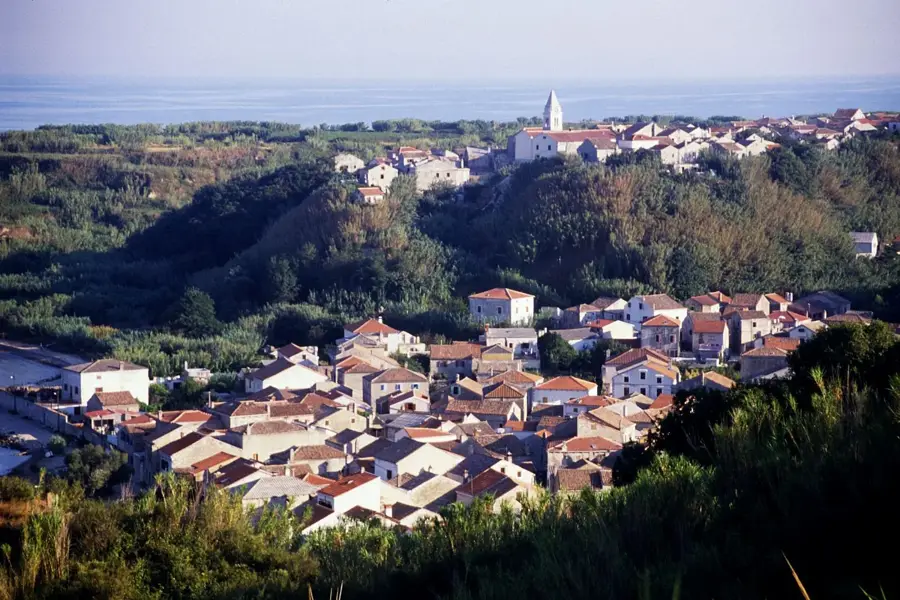
Susak is a geological anomaly in the Croatian Adriatic, being almost entirely composed of thick layers of yellow loess sand deposited on a limestone base. Spanning approximately 3.8 square kilometers, the island differs drastically from the predominantly rocky neighboring islands of the Lošinj archipelago. Susak is completely car-free and is famous for its unique, archaic dialect that remains difficult even for other Croats to understand. Historically, the island was renowned for its extensive viticulture and silk production, though today it primarily relies on sustainable tourism and fishing. A standout cultural feature is the women's colorful folk costume, which is noted for having the shortest skirts in traditional European attire. The main settlement is divided into Upper Village (Gornje Selo) on the hill and Lower Village (Donje Selo) by the harbor. Its shallow sandy bays and hills covered in reeds and blackberries give the island an almost exotic feel, offering a peaceful sanctuary far from modern noise.
- Location: Croatia
- Top sights: Spjaža · Svjetionik Otok Susak · Garba
- Nearby: Ćunski (12 km)
Best time to visit & climate
The most pleasant time to visit is Jun, Jul, Sep.
| Jan | Feb | Mar | Apr | May | Jun | Jul | Aug | Sep | Oct | Nov | Dec | |
|---|---|---|---|---|---|---|---|---|---|---|---|---|
| Avg °C | 9 | 9 | 11 | 14 | 18 | 22 | 25 | 25 | 21 | 18 | 14 | 10 |
| Rain mm | 89 | 95 | 76 | 68 | 78 | 54 | 45 | 58 | 109 | 103 | 130 | 106 |
📋 Practical info
Getting there
Susak is reachable by regular boat services usually departing from mainland ports or neighboring large islands. As the island is entirely car-free, all exploration must be done on foot.
Best season
Summer is the most popular time for enjoying the sandy Adriatic terrain, though it can get quite hot. Late spring and early autumn provide milder conditions suitable for extensive walking.
Terrain & paths
The island is a unique geological feature made largely of fine, yellow loess sand, with dusty trails weaving through tall reeds. Walking on deep sand can be surprisingly strenuous compared to solid ground.
What to bring
Lightweight, breathable clothing and sandals or walking shoes suited for sandy trails are recommended. Bring plenty of sun protection and sufficient water, as shade on the island can be quite limited.
Parking
There are no vehicles allowed on Susak, meaning you must leave your car at your mainland or island port of departure. City parking facilities generally offer both short and long-term options for travelers.
Safety
The deep sand and lack of shade mean heat exhaustion is a real risk during peak summer months. Stay hydrated, follow the established sandy paths, and respect the fragile local ecosystem at all times.
Time needed
Exploring the settlements and hiking a few of the sandy trails usually takes half a day. Many visitors choose to spend a full day or stay overnight to fully absorb the island's unique, slow-paced atmosphere.
Geography
Facts
- The island features layers of loess sand up to 100 meters thick.
- Susak is entirely car-free, with no asphalt roads connecting the houses.
- The local archaic dialect is preserved as a unique linguistic heritage.
- Traditional female costumes feature the shortest skirts in Europe.
- The name Susak comes from 'Sansego', Greek for the herb oregano.
- Today, the island has fewer than 200 permanent residents.
Explore nearby
Notable places around

Route planner — Car & Motorhome
Where do you start? We build the route here, with stops and country notes along the way.
Vehicle
Only stops with (optional):
© OpenStreetMap contributors · OpenRouteService
Sights in the town Susak Island (7)
Bok
A beach on Susak island. Alternating sand and pebbles.
Uvala Tijesni
A cove with a beach on Susak. Calm water, good for swimming.
Punta valica
A beach section at the tip of a peninsula on Susak.
Sights nearby
Frequently asked questions
What makes Susak island unique?
It is composed almost entirely of fine yellow loess sand on a limestone base.
Are there cars on Susak?
No, it is a car-free island; people get around on foot or using tractors.
Is a special dialect spoken on Susak?
Yes, the islanders speak an archaic dialect that other Croatians can barely understand.
Are the beaches sandy?
Yes, Susak has unusually many sandy beaches for Croatia, such as Bok bay.
How do you get to Susak?
There are daily ship and catamaran connections from Mali Lošinj and Rijeka.
Susak Island: where is it located?
Susak Island is located in Croatia.
Susak Island: what is there to see?
Highlights include Spjaža, Svjetionik Otok Susak, Garba.
Susak Island: when is the best time to visit?
The most pleasant time to visit is Jun, Jul, Sep.
Susak Island: why is it worth visiting?
Susak is a geological anomaly in the Croatian Adriatic, being almost entirely composed of thick layers of yellow loess sand deposited on a limestone base.

Explore with Plizio
Discover more places in Europe
More places in Croatia →
Nearby cities
Ripenda Kras
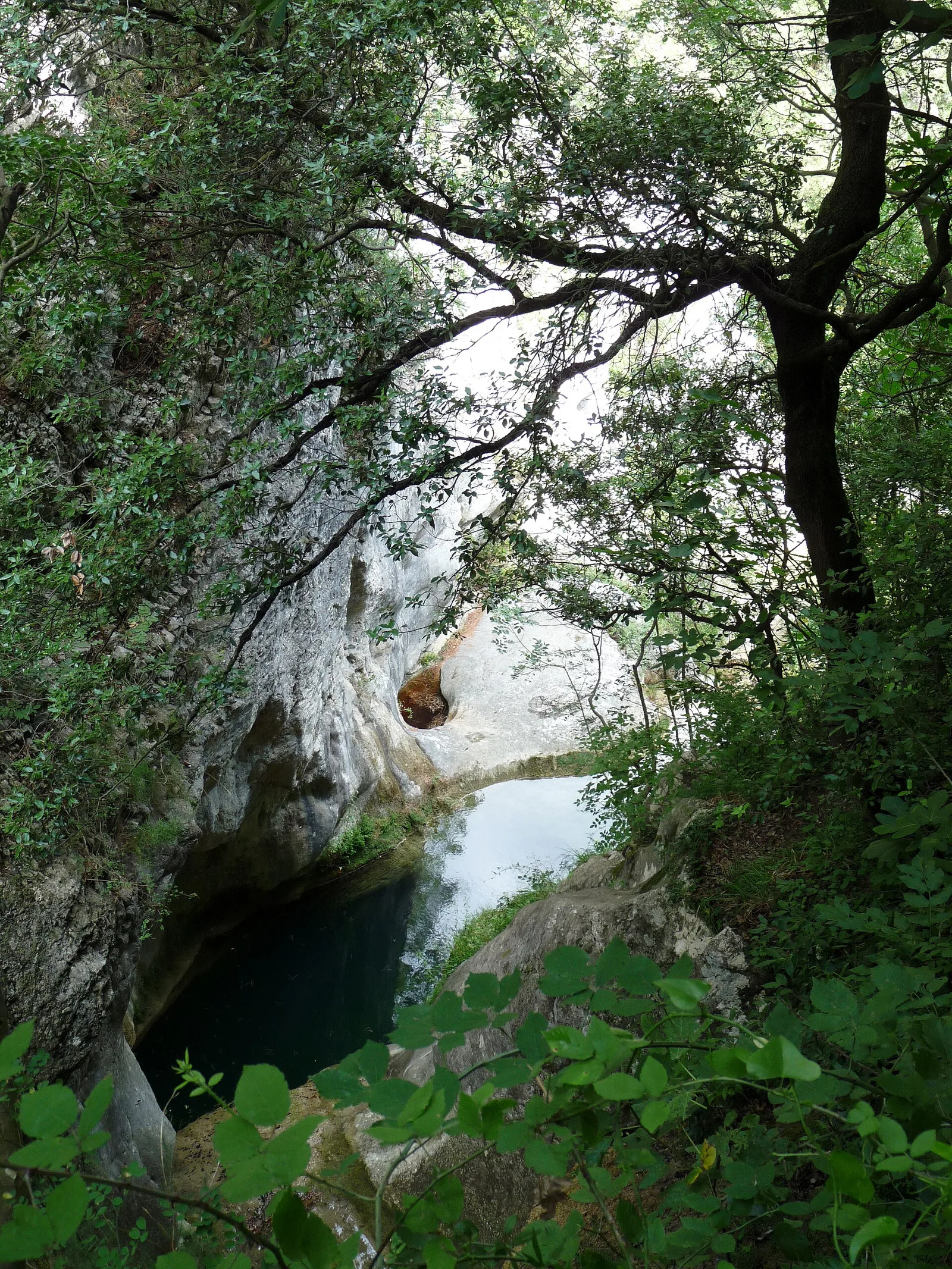
An idyllic village above Rabac on the eastern coast of Istria, combining rural charm with sea views.
Štrmac
A quiet village near Labin, an ideal base for exploring the eastern coast of Istria.
Kornić
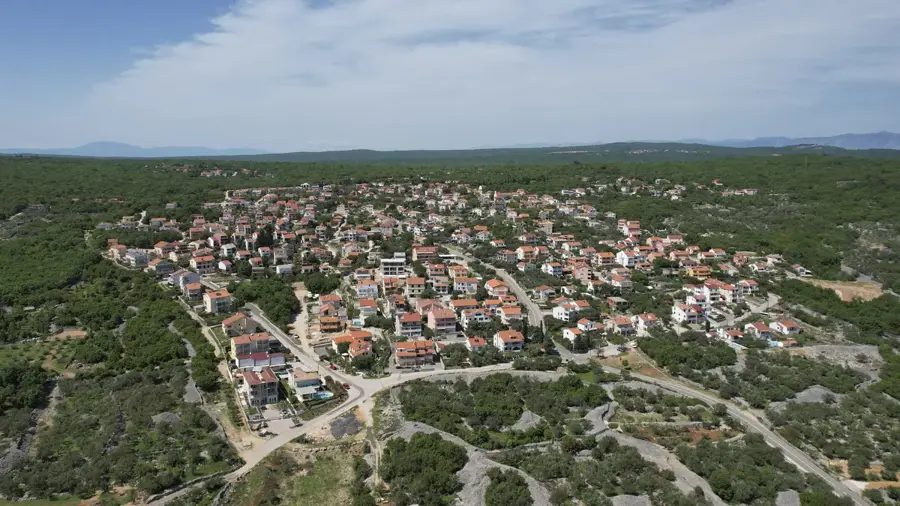
A charming village on the island of Krk with magnificent views of the Punat bay and the tiny island of Košljun.
Vodnjan
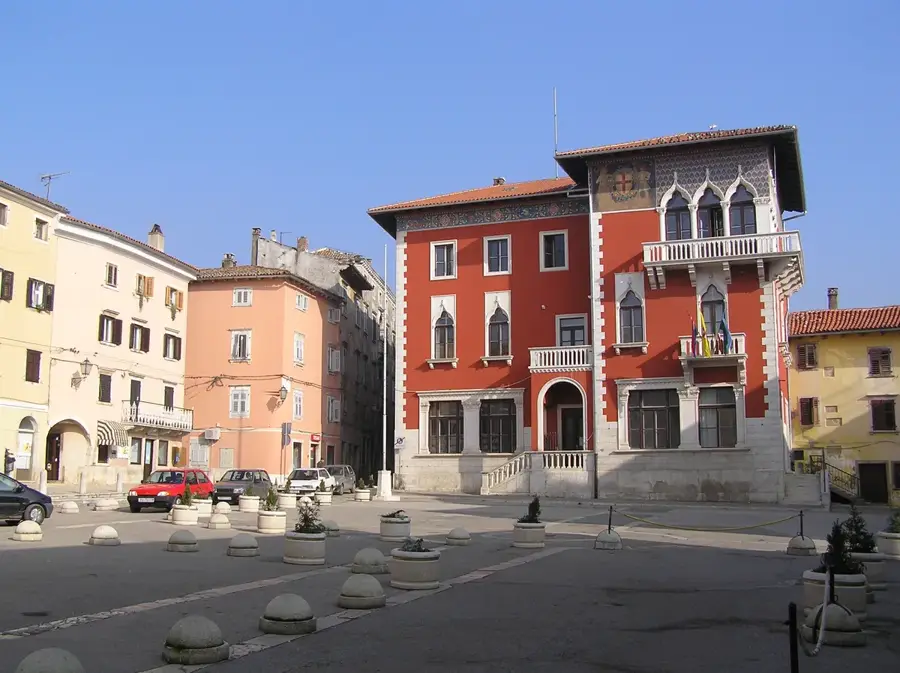
A charming small town in southwestern Istria, known for its mummified saints and world-class olive oil.

Butkovići
An authentic Istrian village near Svetvinčenat, characterized by traditional stone houses and a peaceful rural atmosphere.
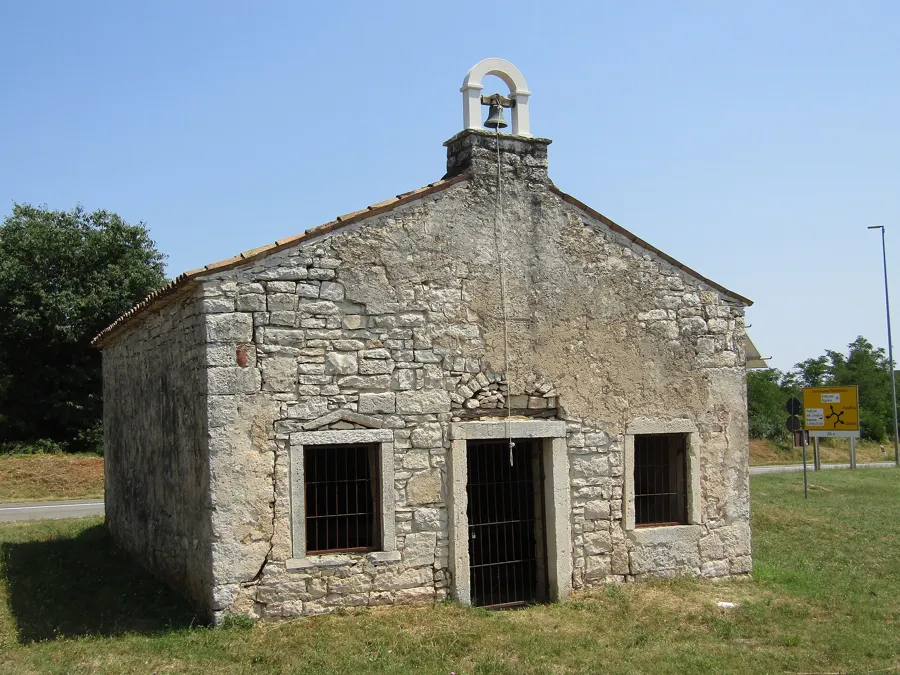
Juršići
A typical village in the interior of Istria, known for its stone architecture, tranquility, and proximity to the towns of Vodnjan and Sve…
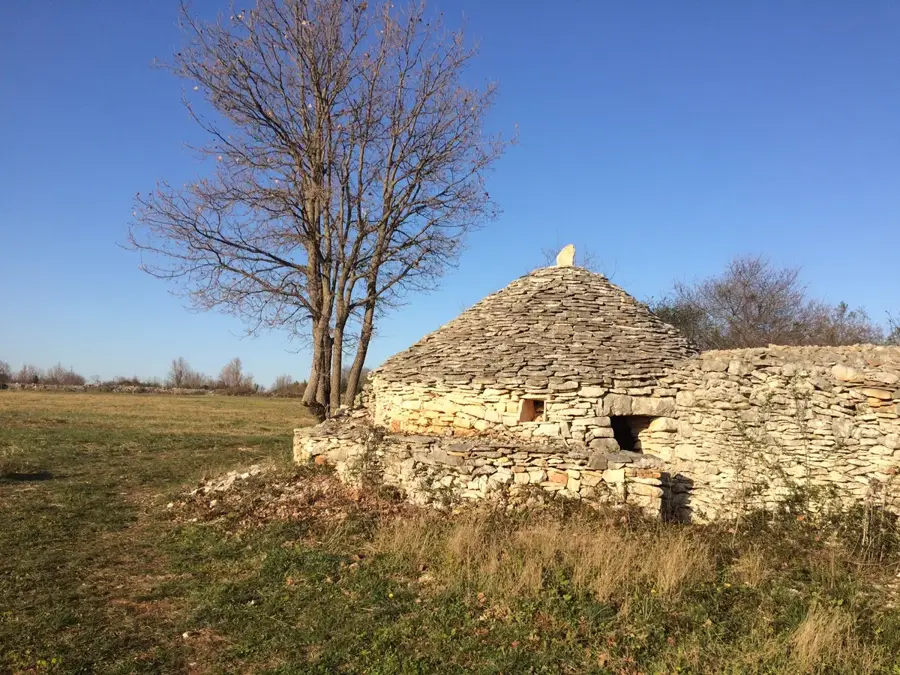
Gajana
Gajana is an authentic Istrian village near Vodnjan, known for its peace and olive oil production.
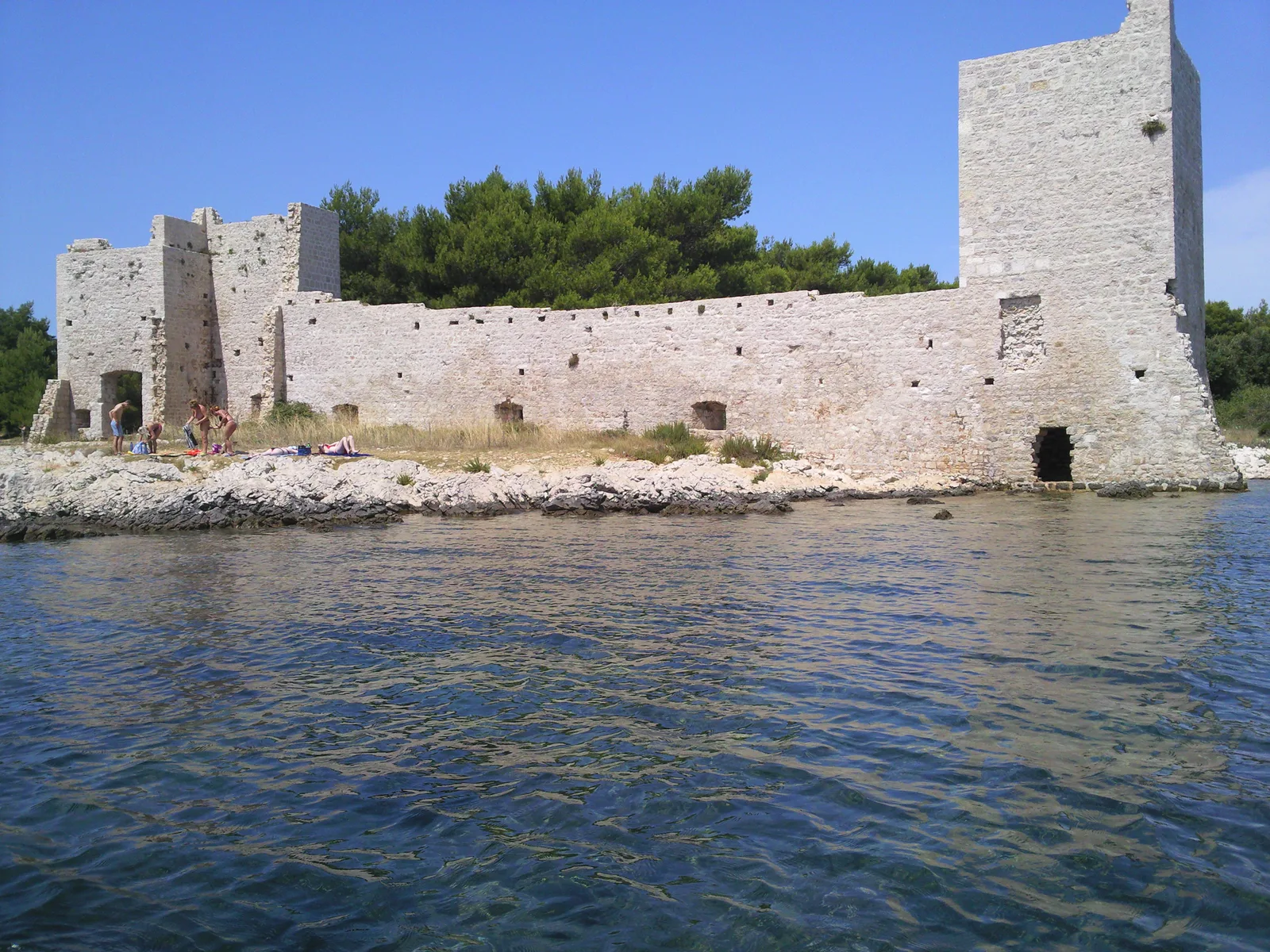
Vir
A popular holiday island near Zadar, connected to the mainland by a bridge and known for its sandy beaches.
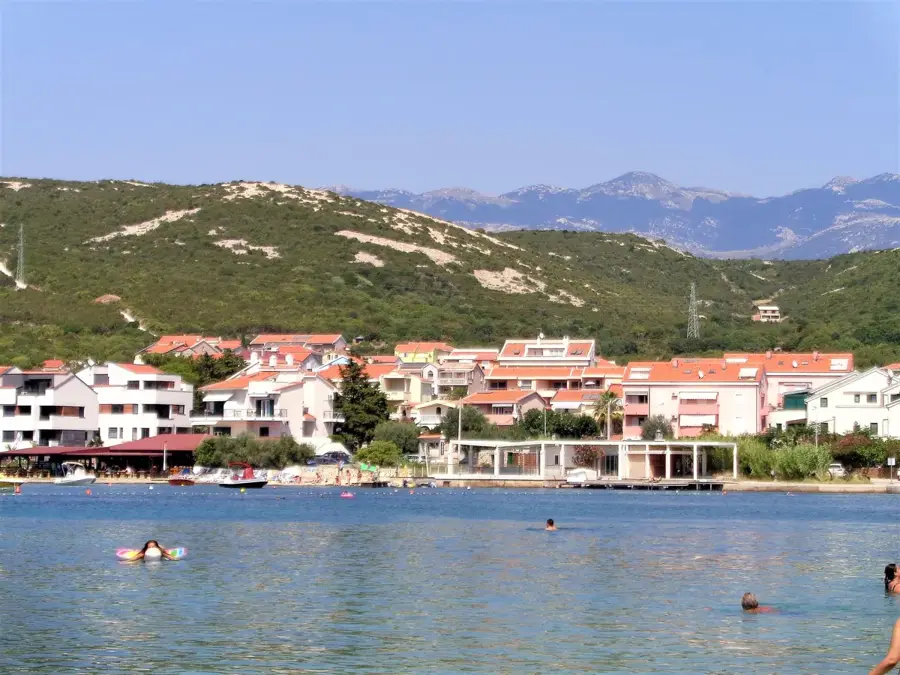
Stara Novalja
A quiet resort in a long, sheltered bay on the island of Pag, known for its sandy beaches and diving sites.
Bošana
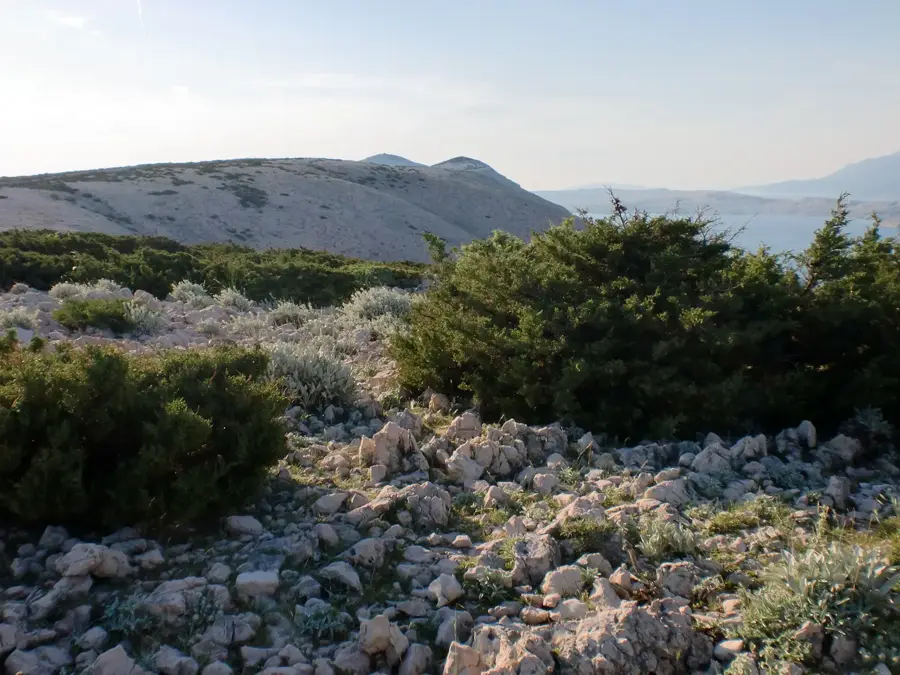
Bošana is a peaceful coastal settlement on the island of Pag, renowned for its steep cliffs, pebble beaches, and crystal-clear Adriatic w…
Pag
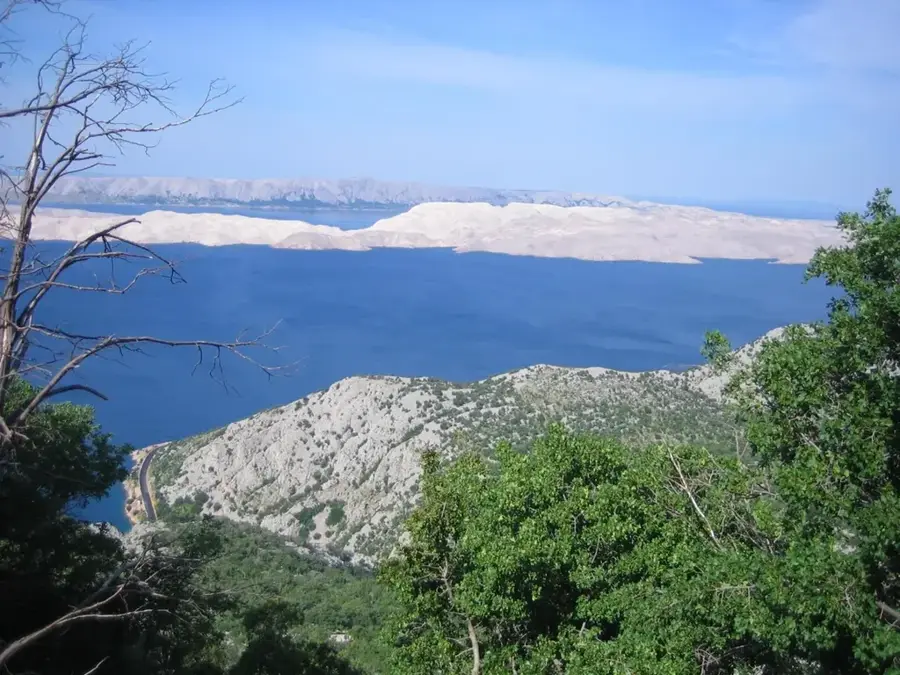
Main town of the island of Pag.
Pernat
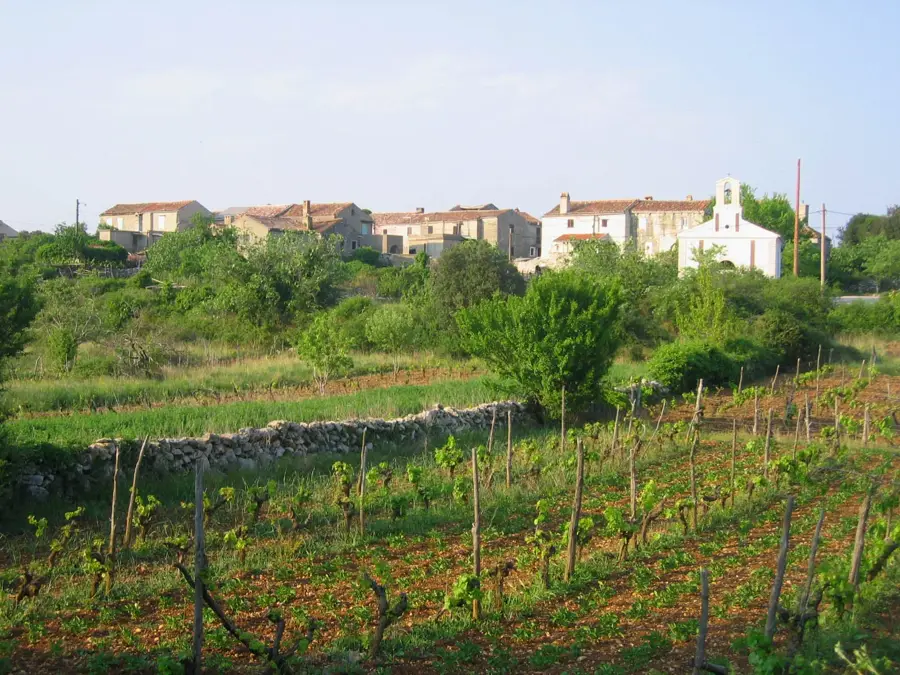
Pernat is a small, picturesque village on the island of Cres, Croatia.

Loznati
Loznati is a peaceful settlement on the island of Cres in Croatia, known for its pristine natural landscapes and secluded, clear-water be…
Merag
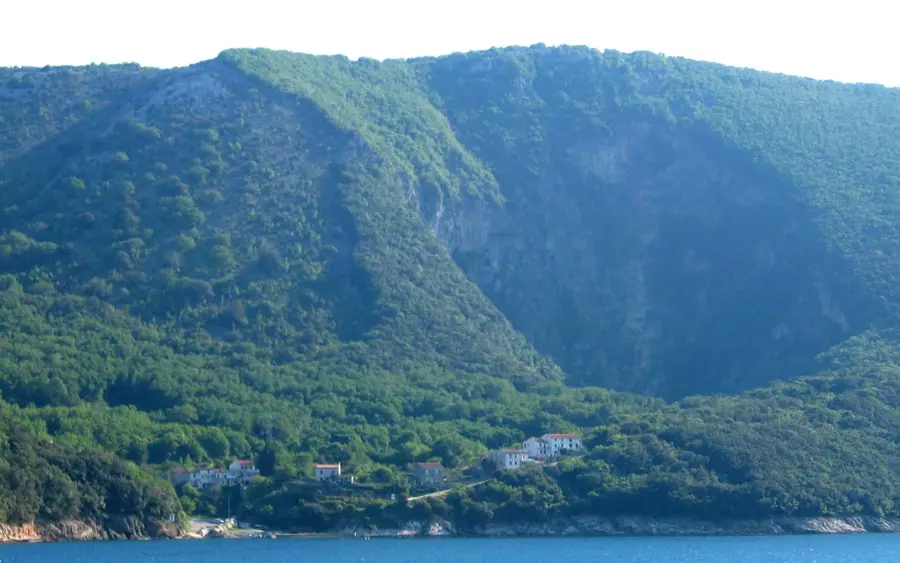
Merag is a tranquil ferry port village on the eastern coast of Cres Island, offering stunning Adriatic views.
Privlaka
An idyllic settlement on a peninsula, known for its shallow sandy beaches and the tradition of sand extraction.