Day of the City of Mali Lošinj
Celebration of the city's patron saint, St. Martin, with religious ceremonies and community gatherings.
PlizioGo
The local scampi from the Kvarner bay are famous for their sweet taste; try them buzara style in a local konoba (tavern).
Roasted lamb flavored with wild island herbs like rosemary and sage is a traditional delicacy.
Grab some locally grown seasonal fruits from the morning market near the harbor.
Buy natural cosmetics, essential oils, and herbal liqueurs made from local island flora.
Visit early to see the day's catch or buy fresh fish if you have access to a kitchen.
A dense pine forest with paved walking paths offering deep shade and the scent of the sea, first-rate for relaxation.
An educational viewpoint with a bar above the town; come here for a quiet drink and spectacular sunset panoramas.
Water temperature…
Celebration of the city's patron saint, St. Martin, with religious ceremonies and community gatherings.
A festival celebrating Lošinj's rich maritime and shipbuilding heritage with regattas and workshops.
Traditional summer evenings filled with local seafood, wine, and Dalmatian folk music.
International jazz festival bringing renowned musicians to the beautiful outdoor stages of Lošinj.
A cultural event dedicated to the famous ancient bronze statue, featuring exhibitions and historical lectures.
Colorful winter carnival featuring masked parades and lively parties.
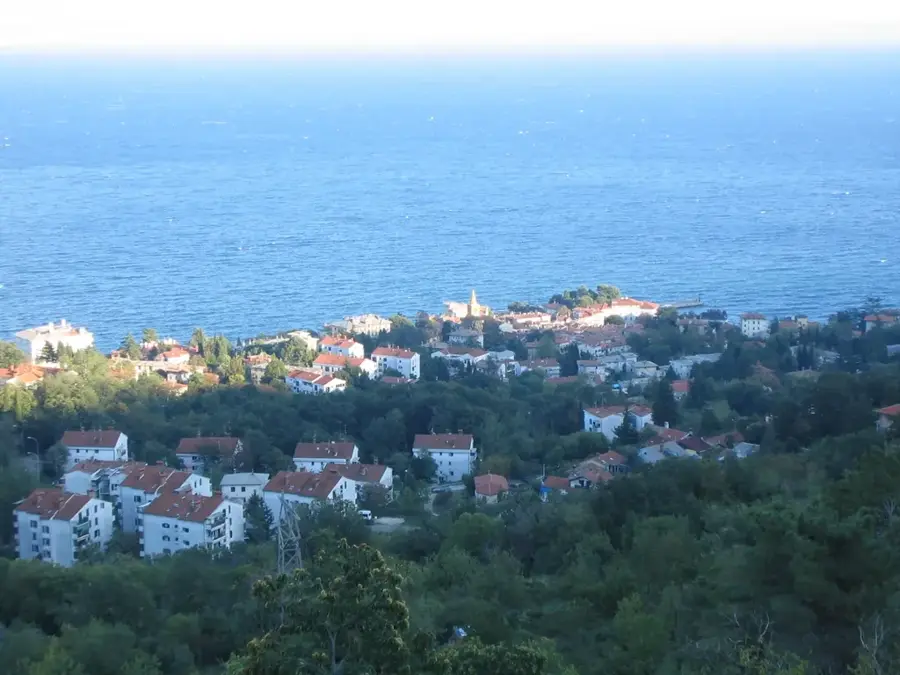
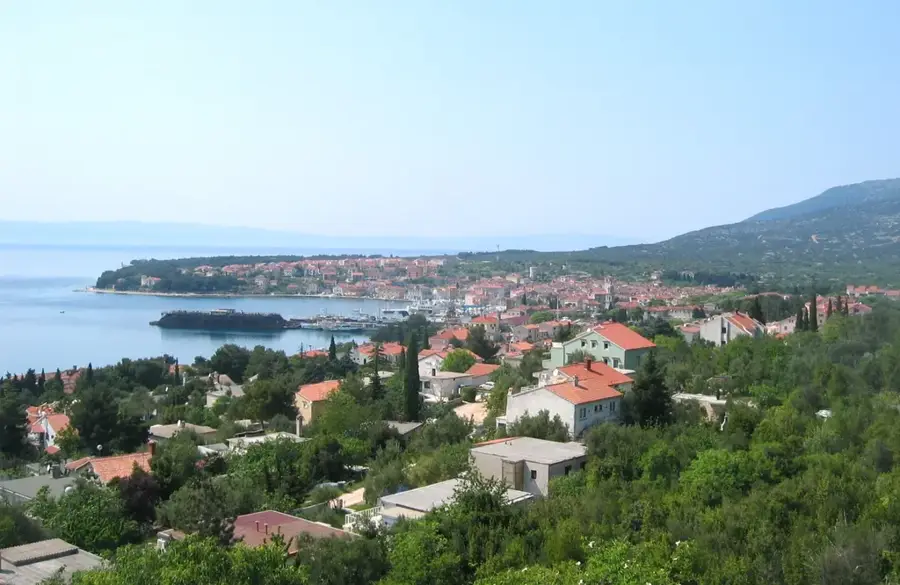
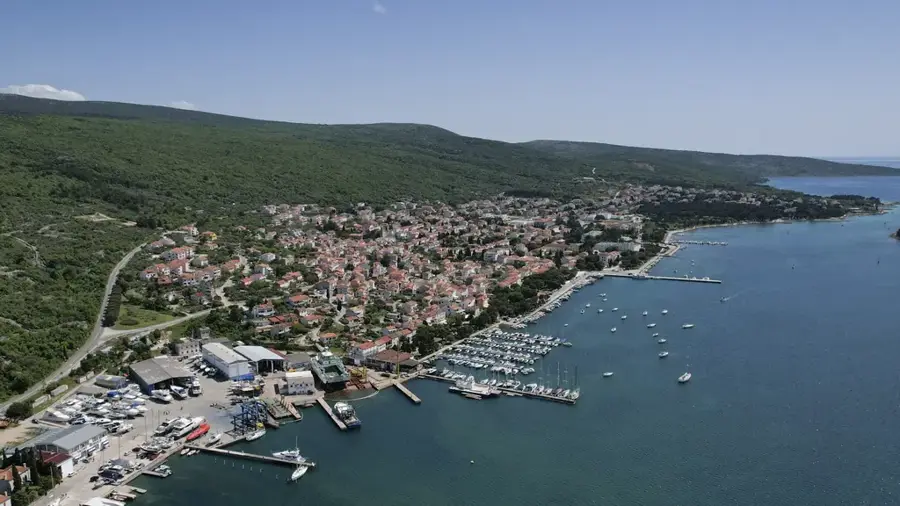
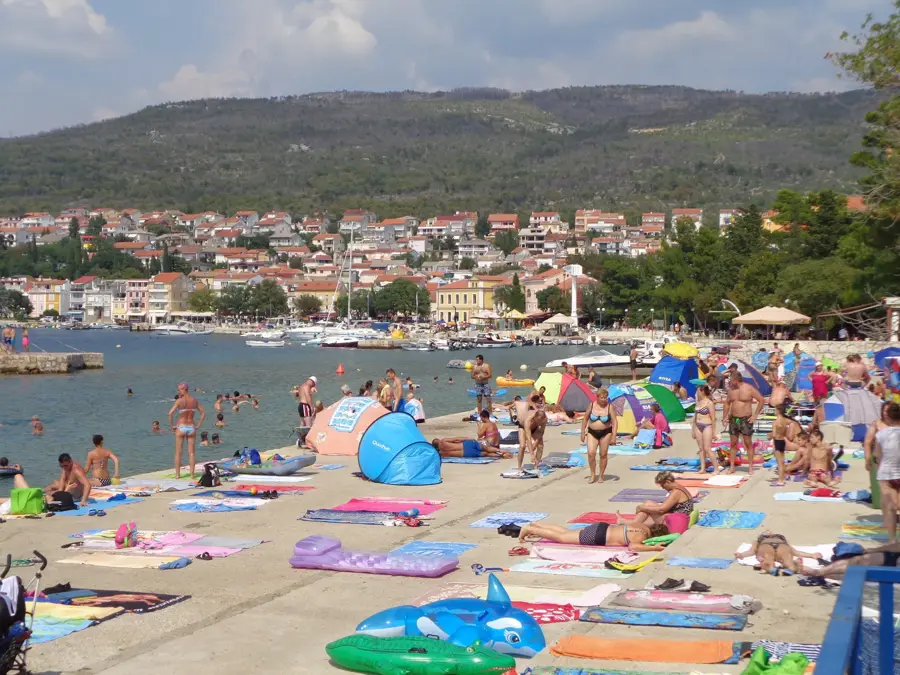
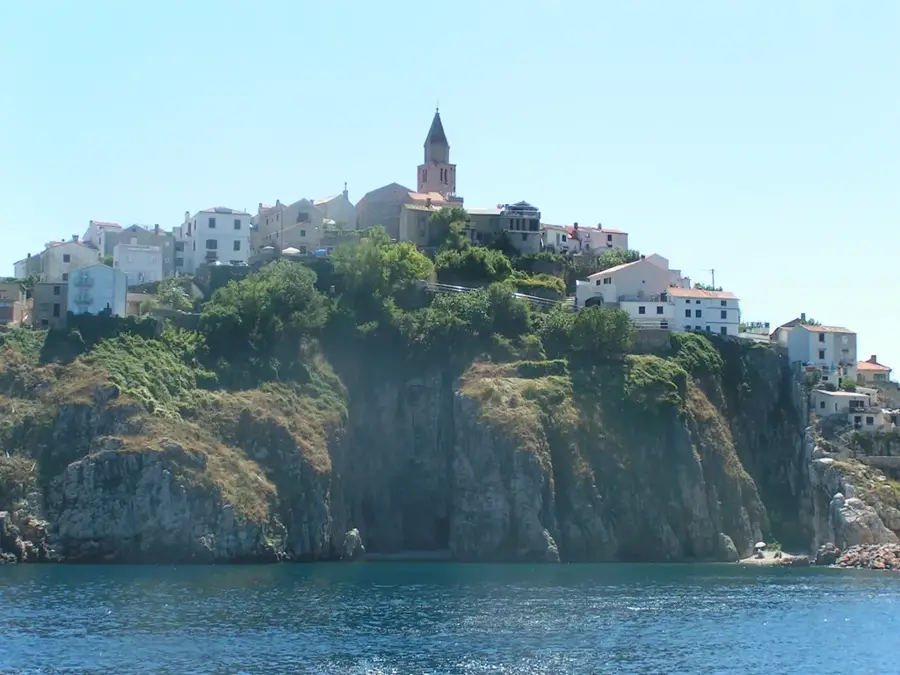
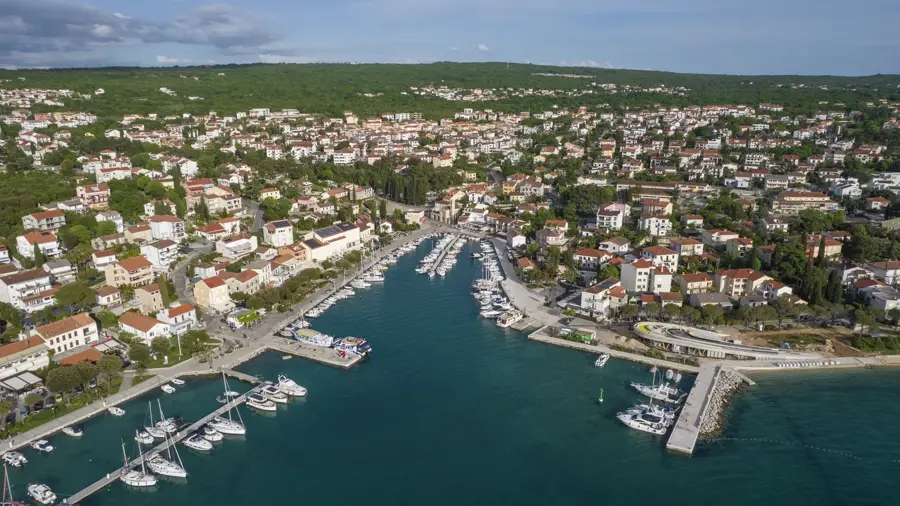
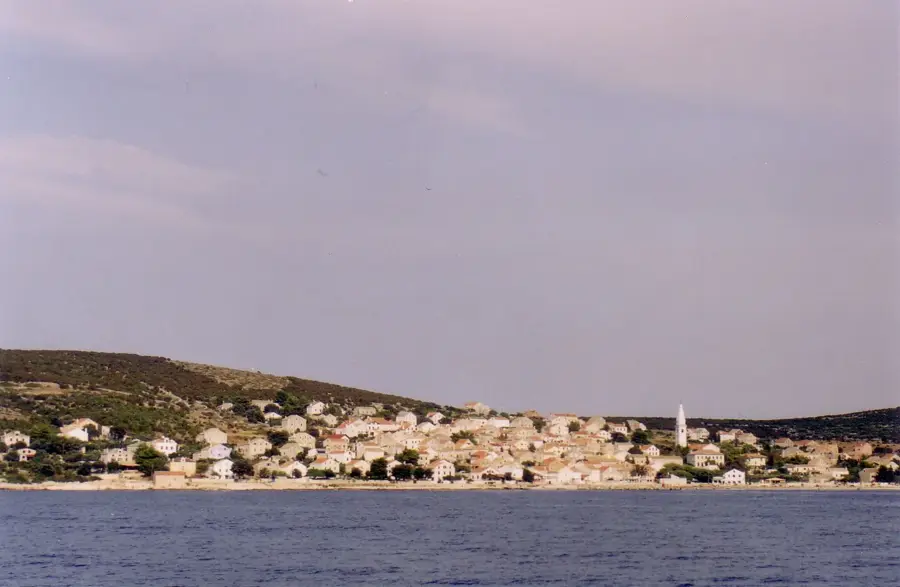
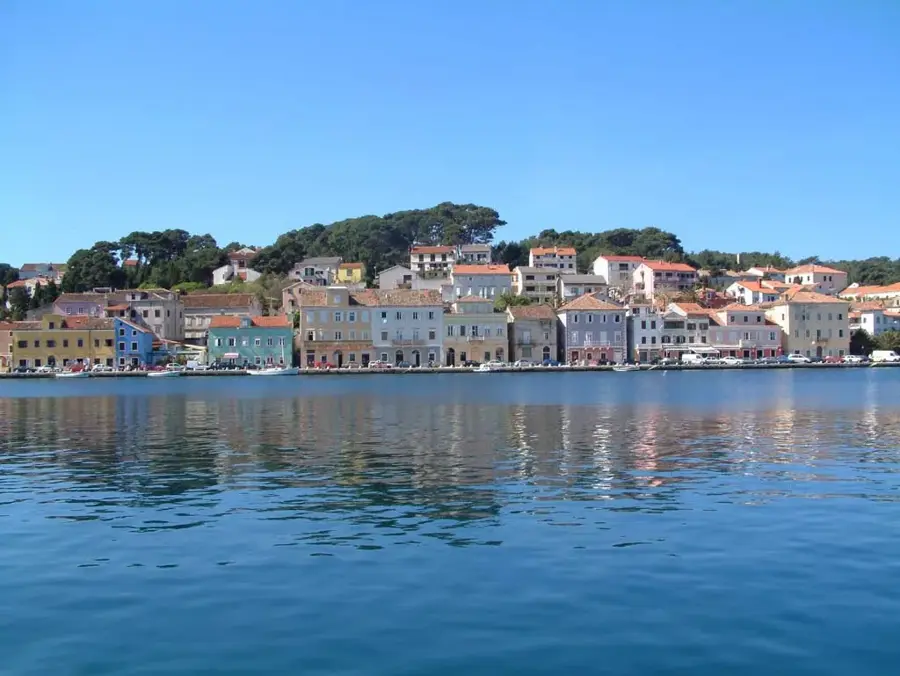
Despite its name 'Mali' (meaning Little), this town is the largest population center in the Croatian islands. In the 19th century, it flourished as a major maritime trade and shipbuilding hub. Its exceptional microclimate, where sea salt air mixes with the scent of vast pine forests, led to its official designation as a health resort in 1892. The town's cultural centerpiece is the Museum of Apoxyomenos, which houses an extraordinary 2nd-century BC Greek bronze statue found on the seabed nearby in 1996. The harbor is lined with colorful captains' houses, while the nearby Čikat Bay features opulent Austro-Hungarian villas. Mali Lošinj is also a pioneer in eco-tourism; the surrounding waters are home to a resident population of about 200 bottlenose dolphins, studied and protected by the locally based Blue World Institute.
The most pleasant time to visit is Jun, Jul, Sep.
| Jan | Feb | Mar | Apr | May | Jun | Jul | Aug | Sep | Oct | Nov | Dec | |
|---|---|---|---|---|---|---|---|---|---|---|---|---|
| Avg °C | 9 | 9 | 11 | 14 | 18 | 22 | 25 | 25 | 21 | 18 | 14 | 10 |
| Rain mm | 89 | 95 | 76 | 68 | 78 | 54 | 45 | 58 | 109 | 103 | 130 | 106 |
See what it looks like near Mali Lošinj right now.
Mali Losinj: Luka Mali Losinj · 0.2 km · Open webcam on Windy · Webcams provided by Windy.com
Notable places around
Where do you start? We build the route here, with stops and country notes along the way.
© OpenStreetMap contributors · OpenRouteService
Start your day in the heart of Mali Lošinj with a visit to the Baroque church and Fritzi Palace to immerse yourself in local art. The morning highlight is the stunning Apoxyomenos, an ancient bronze statue recovered from the seabed. At midday, stroll along the shore to Čikat Bay for a seaside lunch under ancient pines. Spend the afternoon relaxing by the crystal-clear waters of Čikat before ending your day at the Fragrant Island Garden, where the scents of sage and lavender fill the air. The evening is best spent on the harbor promenade with a glass of local wine.
Mali Lošinj in the rain offers a mystical harbor atmosphere. The morning is spent indoors exploring the town's rich history in central museums. At noon, we walk through Čikat Bay, where the dense pine canopy provides natural shelter. The day ends at the Fragrant Garden, where the rain intensifies the herbal essential oils in the air.
Mali Lošinj in winter is peaceful and authentic. The mild island air is perfect for long walks. As darkness falls early, we visit museums in the morning and enjoy the golden midday sun at Čikat Bay. The day concludes among winter herbs in the garden before the cool evening sea breeze sets in.
Explore the island of Lošinj on two wheels, starting with a ride through the shaded pine forests of Čikat Bay. Cycle along the coast to the historic St. Martin Bay before reaching the neighboring Veli Lošinj to visit the dolphin conservation center. After a lunch in Veli Lošinj, the route back takes you through the Fragrant Island Garden, where you can experience the island's rich flora. End your tour in the town center of Mali Lošinj with a visit to the famous Apoxyomenos statue.
Cycling on Lošinj in the rain requires caution but is refreshing. Čikat Bay paths offer pine shelter. We head to Veli Lošinj to visit the Blue World Institute indoors. The afternoon is spent exploring town museums while the bikes are safely parked under cover.
Winter cycling on Lošinj is a joy thanks to the mild climate. Paths are empty and the air is crystal clear. We use the daylight for the ride to Veli Lošinj and Čikat Bay. In the afternoon, we warm up inside the Apoxyomenos Museum. An active day making the most of the island's winter peace.
This car tour connects the most remote natural beauties with the cultural centers of Mali Lošinj. Start relaxed at Artatore Bay before driving to the town center for the cultural program. Visit the Apoxyomenos and Fritzi Palace to learn about the island's history. In the afternoon, explore the magnificent Čikat Bay and its historic villas. The highlight will be the drive to the Providenca viewpoint, where you will experience the most spectacular view over the entire archipelago at sunset.
By car, we explore Lošinj comfortably in the rain. We start at Artatore Bay in the north, where the grey Adriatic looks wild. Midday is spent in the sheltered museums of the town. Later, we drive to Čikat Bay and finish at Providenca Viewpoint, where the cloud formations over the islands look dramatic.
A winter road trip across Lošinj reveals its quiet beauty. Without summer crowds, we reach Artatore and the museums stress-free. Čikat Bay invites for a sunny winter stroll. The highlight is the sunset at Providenca Viewpoint, which offers particularly clear views of the neighboring islands in winter.
May to October for mild climate; known as the island of vitality, spring and autumn are excellent for hiking.
Ferries are heavily booked in summer, reserve early; some coastal paths have no railings.
Croatian is official, Italian is traditionally spoken; German and English are well understood in hotels and restaurants.