Advent in Baška
Winter celebration featuring Christmas decorations, hot beverages, and local handicraft products.
PlizioGo
Handmade Krk pasta usually served with a rich meat goulash or seafood. Seek out local family-run konobas (taverns) along the side streets.
Kvarner Bay is famous for its sweet scampi. Best enjoyed buzara style (with garlic and wine) in restaurants near the harbor.
The local dry-cured ham, often served with sheep cheese and olives as a classic starter.
The famous dry white wine from the island. You can buy it in local wine shops or supermarkets along the main promenade.
T-shirts, mugs, and pendants featuring the ancient script. Look for small gift shops near the historic center.
Locally pressed Krk olive oil is a great souvenir, often available at local market stalls or directly from producers.
A bit of a climb up from Baška, but the hilltop cemetery and church offer sweeping, peaceful views of the bay.
A smaller, rockier beach reachable by a coastal trail. It’s quieter than Vela Plaža and great for snorkeling.
If you are up for a hike, this dry, rocky canyon provides rugged scenery completely removed from the beach crowds.
Water temperature…
Winter celebration featuring Christmas decorations, hot beverages, and local handicraft products.
Sports event for adventurers featuring mountain biking, trail running, and hiking in nature.
An outstanding musical event featuring performances by world-renowned guitarists in a scenic setting.
Lively coastal evenings featuring traditional music, dancing, and fresh seafood dishes.
Cultural and gastronomic event celebrating local lamb culinary traditions, music, and sports.
Traditional spring celebration featuring an Easter market, local dishes, and religious ceremonies.
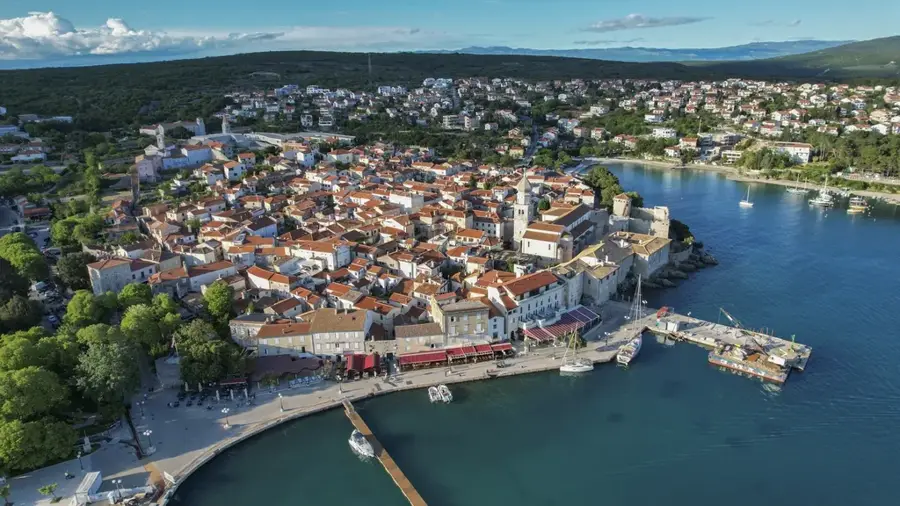
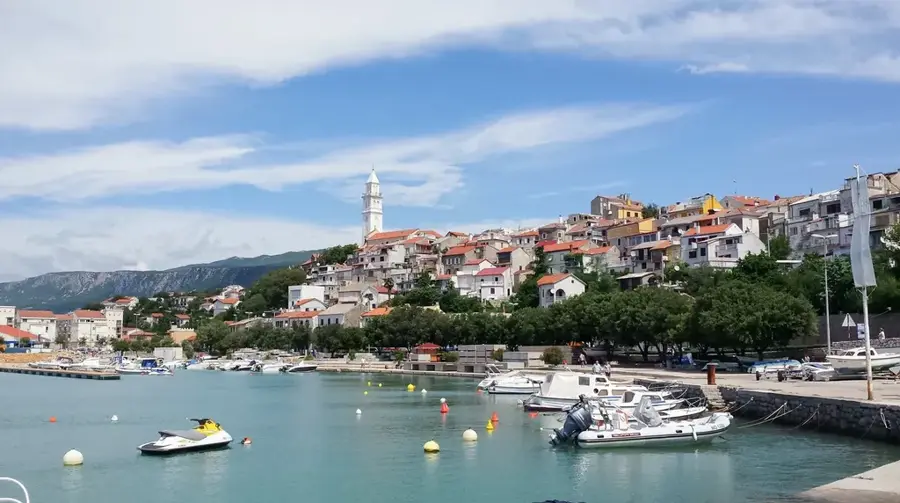
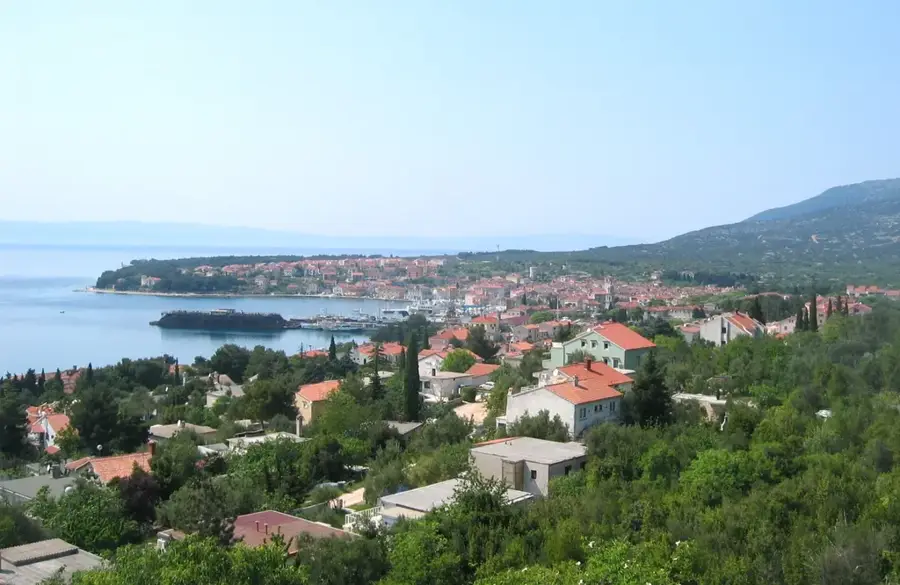
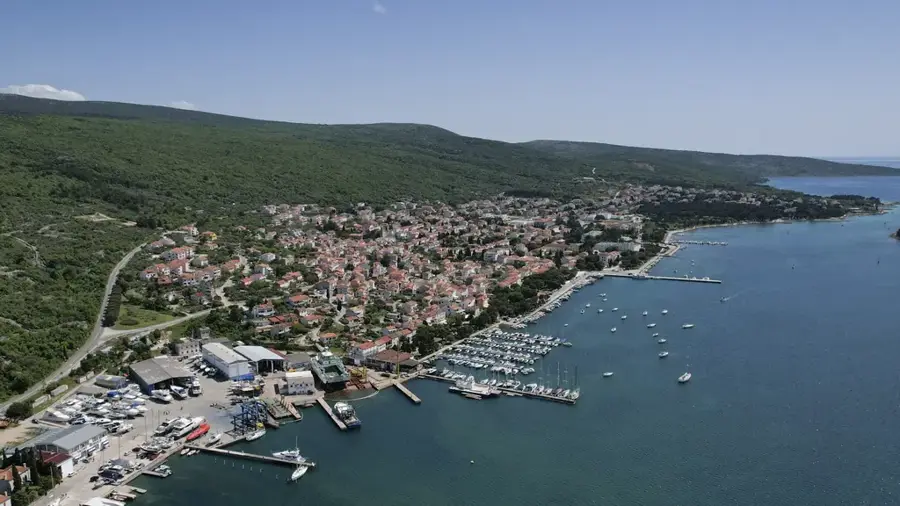
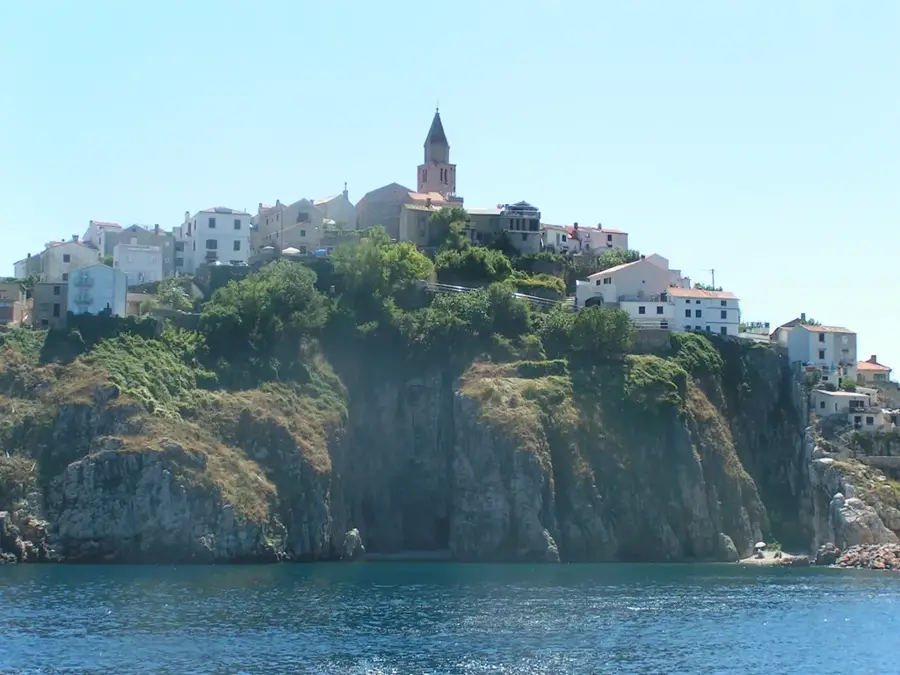
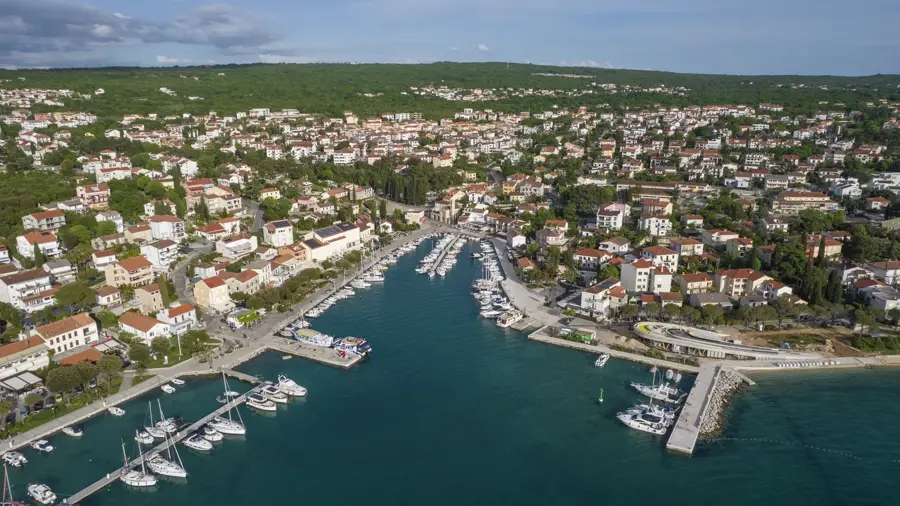
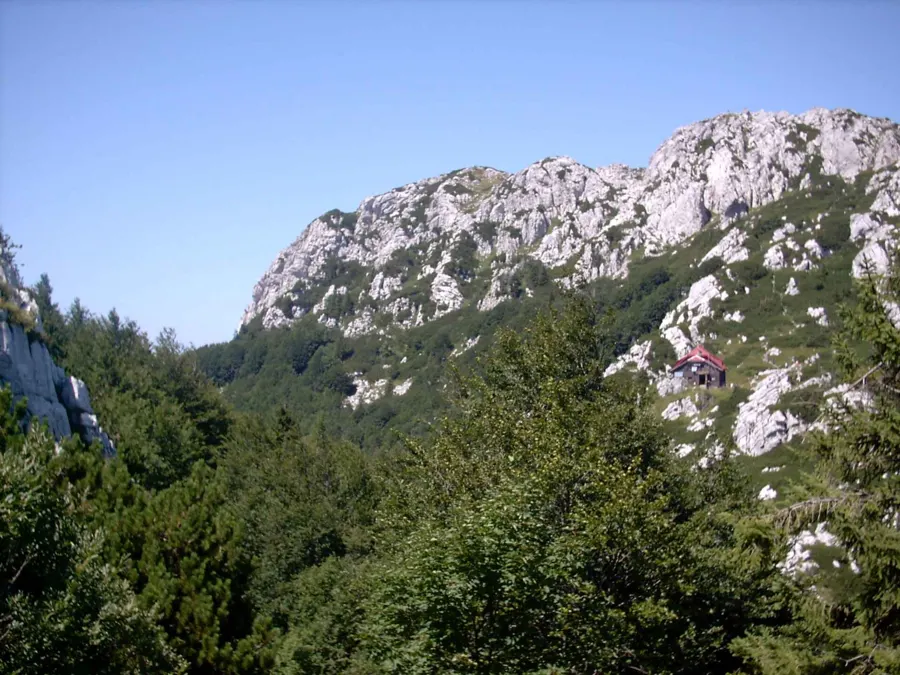
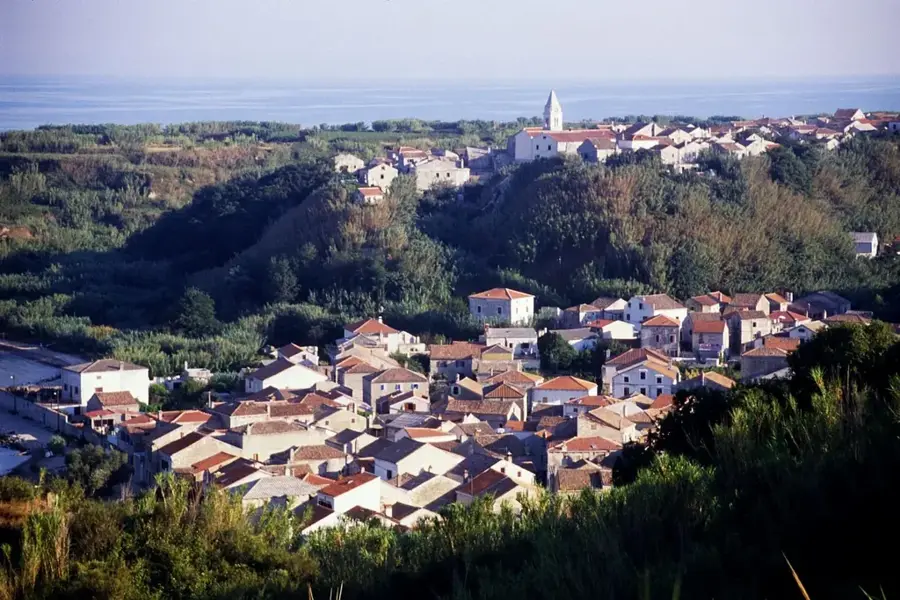
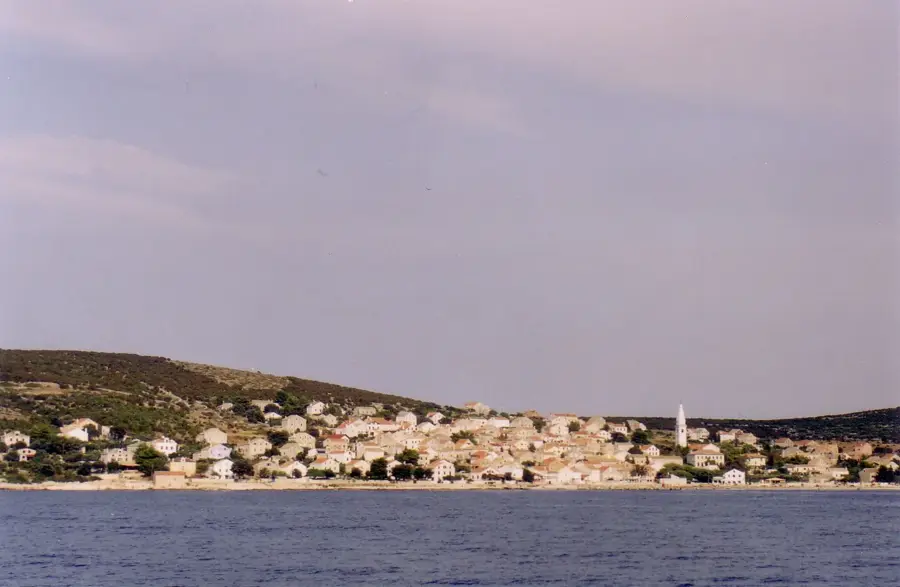
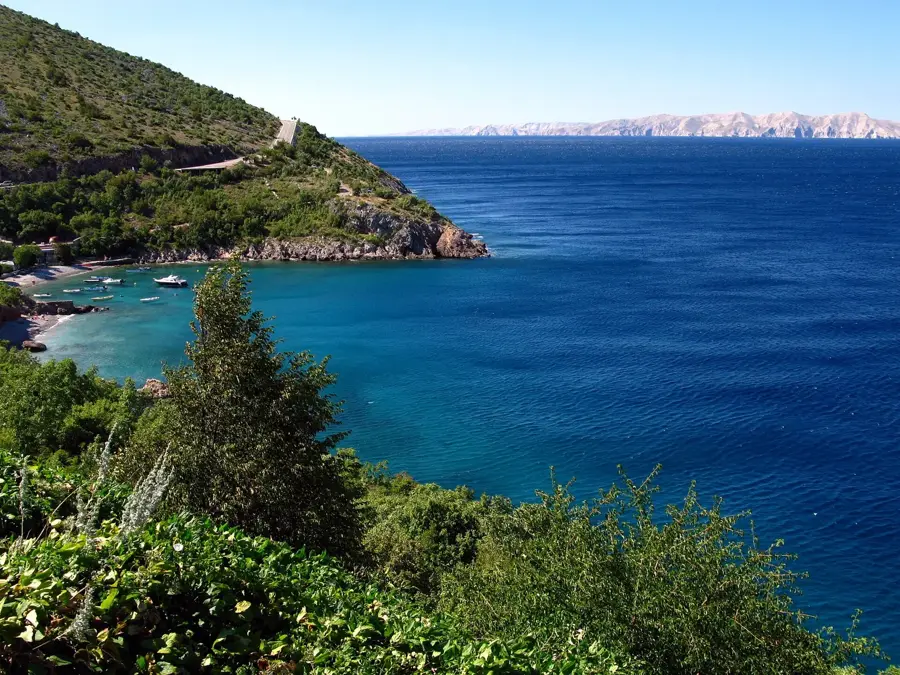
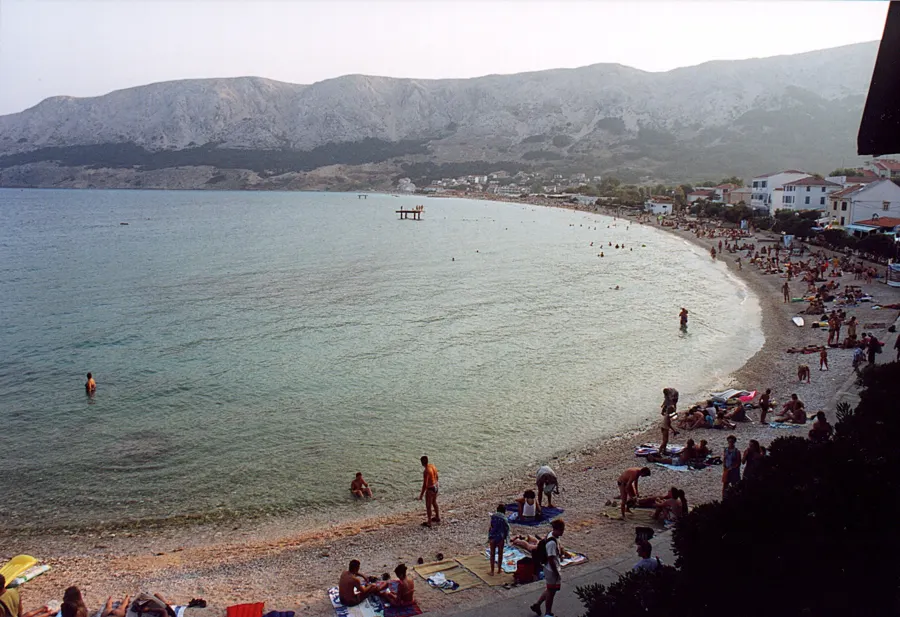
Baška is one of the most distinctive towns on the island of Krk, located in a wide valley surrounded by barren, light-colored mountains. The town is primarily known for its enormous cultural and historical significance: in the nearby Church of St. Lucy in Jurandvor, the Baška Tablet was discovered in 1851, a stone monument from 1100 AD that stands as one of the oldest records of the Croatian language in Glagolitic script. Today, visitors can walk the Glagolitic Trail, where stone sculptures represent the letters of the alphabet. The tourist highlight is 'Vela Plaža', an almost two-kilometer-long natural pebble beach that has continuously held the Blue Flag for water quality since 1999. The architecture of the old town is characterized by narrow alleys that provide shelter from the strong Bora wind. For nature lovers, the surroundings offer a network of 19 marked hiking trails leading through a fascinating, almost treeless limestone landscape often referred to as a 'moonscape'.
Notable places around
Where do you start? We build the route here, with stops and country notes along the way.
© OpenStreetMap contributors · OpenRouteService
Start your day in the heart of Baška's old town. After visiting the baroque parish church, dive into local history at the Heritage Museum. The morning is dedicated to the famous Vela Plaža beach, where the turquoise sea invites you for a swim. At midday, stroll along the seaside promenade and discover the first stations of the Glagolitic Path. The stone monuments tell the story of early Slavic writing culture and lead you gently away from the bustling center. In the afternoon, climb up to the Church of St. John the Baptist. The path is rewarded with a breathtaking view over the bay and the island of Prvić. it is a place of silence and perfect photo opportunities above the red roofs of Baška. End the early evening in the Bunculuka bay. The combination of white pebbles, green pines, and the sound of the Adriatic offers the ideal conclusion to a day full of culture and natural experiences.
The morning starts at the Holy Trinity Church, providing a dry sanctuary. At noon, the Heritage Museum is the perfect escape from the wet weather. In the afternoon, an umbrella walk along Vela Plaža beach offers a dramatic view of the waves. The evening ends quietly in the harbor area, where the wet stones glisten under the streetlights.
Morning brings a reverent silence to the Holy Trinity Church. At noon, the history in the museum warms the soul. In the afternoon, Vela Plaža is almost deserted, perfect for a solitary stroll in the wind. Evening arrives early, and the village glows in warm light as the Bura breeze drifts through the alleys.
Start your cycling tour into the green hinterland towards Jurandvor. At the Church of St. Lucy, you will learn all about the origins of Croatian writing. The flat route through the valley is the ideal warm-up for the day. In the late morning, return towards the coast following the Glagolitic Path. By bike, you can effortlessly reach even the more remote letter monuments before arriving at the lively Vela Plaža to enjoy the midday sun. The afternoon gets sporty: the 'Way to the Moon' leads you steeply up into a completely different world. The barren stone desert above Baška truly resembles a moonscape and offers incredible views over the Kvarner archipelago. Back in the valley, cycle relaxedly to Bunculuka beach. After the exertion of the climb, a jump into the cool water of the hidden bay is the best reward before ending the tour in Baška harbor with a drink.
In the morning, cycle to St. Lucy's, discovering history while staying dry inside. At noon, the Glagolitic Path requires full focus on the wet stones. In the afternoon, the trek to the 'Way to the Moon' is a true challenge for adventurers in the rain. The day ends with a cool, refreshing descent back to Baška.
The morning ride to Jurandvor is fresh and invigorating. At noon, the Glagolitic letters shine in the crisp winter air. In the afternoon, the 'Way to the Moon' offers a barren, almost extraterrestrial landscape without the heat. Return to the beach before sunset, when the sky's colors are most intense.
By car, you can comfortably reach the cultural highlight of Jurandvor right in the morning. Visiting the Baška Tablet is a relaxed start to the day before continuing to the lively center of Baška. After parking your car, explore the historical center and the Glagolitic Path. The short distances between the museum and the promenade are excellent for walking while your car is safely parked. Spend midday at Vela Plaža. Thanks to the flexibility of the car, you can easily bring heavier beach equipment and drive directly to one of the nearby konobas for a meal after your swim. In the afternoon, a short drive takes you to Bunculuka bay. This somewhat more secluded spot offers a wonderful backdrop for ending the day before heading home along the panoramic road of Krk island.
In the morning, drive relaxedly to Jurandvor while rain drums on the roof. At noon, parking in the center for the museum is much easier than in summer. In the afternoon, driving along the coast offers stunning views of the churning Adriatic. The day ends comfortably in the car, watching the illuminated promenade.
In the morning, enjoy the open road through the winter landscape to Jurandvor. At noon, you'll easily find a parking spot right by the museum. In the afternoon, the drive to Bunculuka beach is a quiet pleasure without the summer traffic. The evening sky over Baška often displays dramatic colors in winter, easily admired from the car.
May to September for the pebble beaches (Vela plaža); July/August crowded and pricey, June and early September quieter and great for hiking.
Bora wind from Velebit can close the beach and Krk bridge at short notice; in summer car parks fill by mid-morning, shade is scarce.
Croatian is official; on Krk German and Italian are widely spoken, English almost everywhere. 'Vela plaža' = big beach.
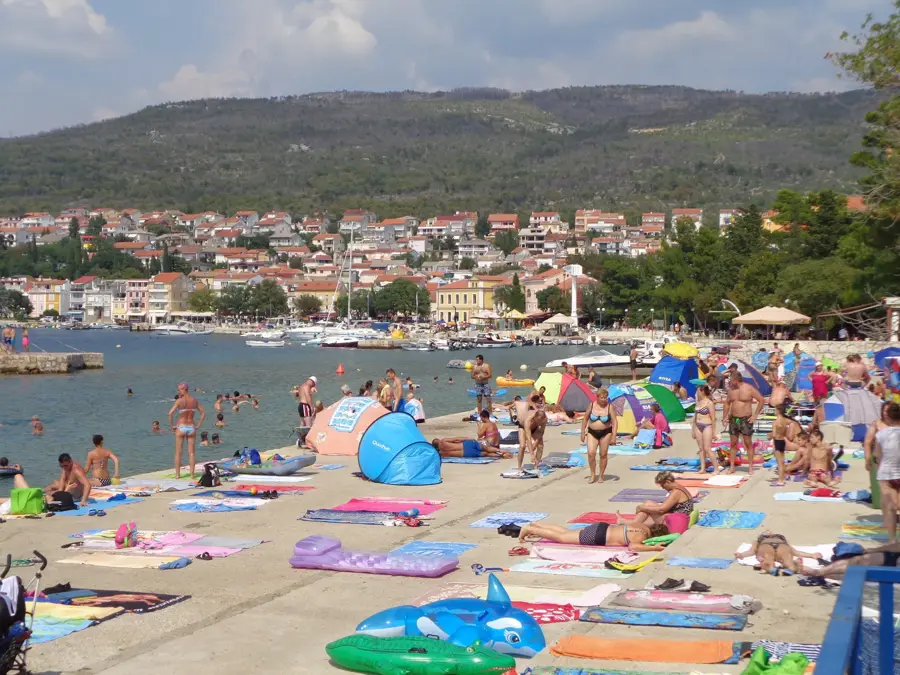
Right in the center of Baška lies this expansive natural pebble beach, boasting impressive water quality. The animated activity along the lengthy shoreline encourages sociable swimming and long beach walks. If you are looking for that lively holiday feeling, this is the excellent destination.