Plizio Visual Lab

Tibetan Plateau
Plizio editorial teamData Sources
plateau
—°
Tibetan Plateau (China)

Weather…

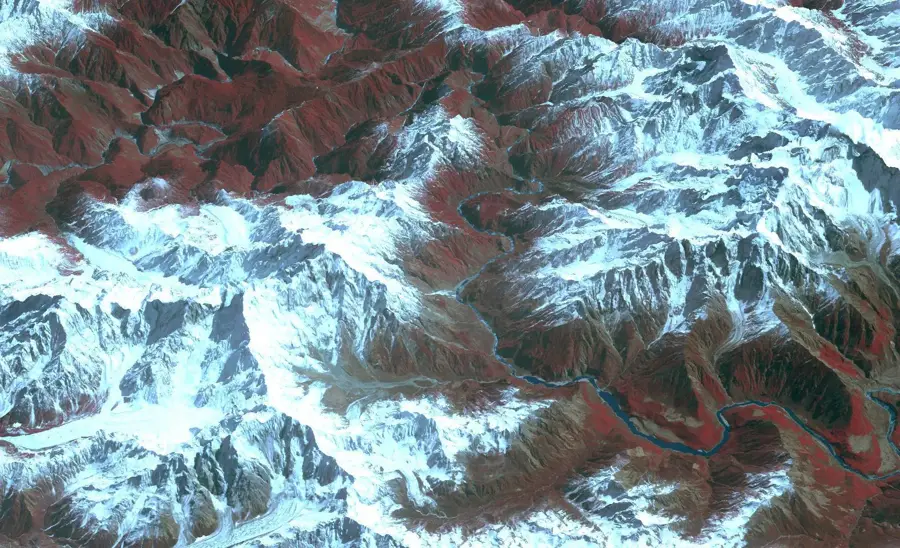
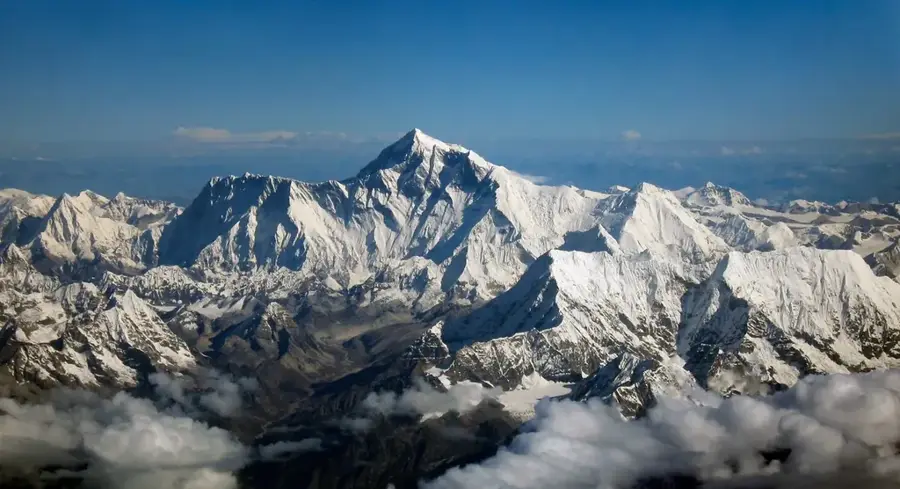
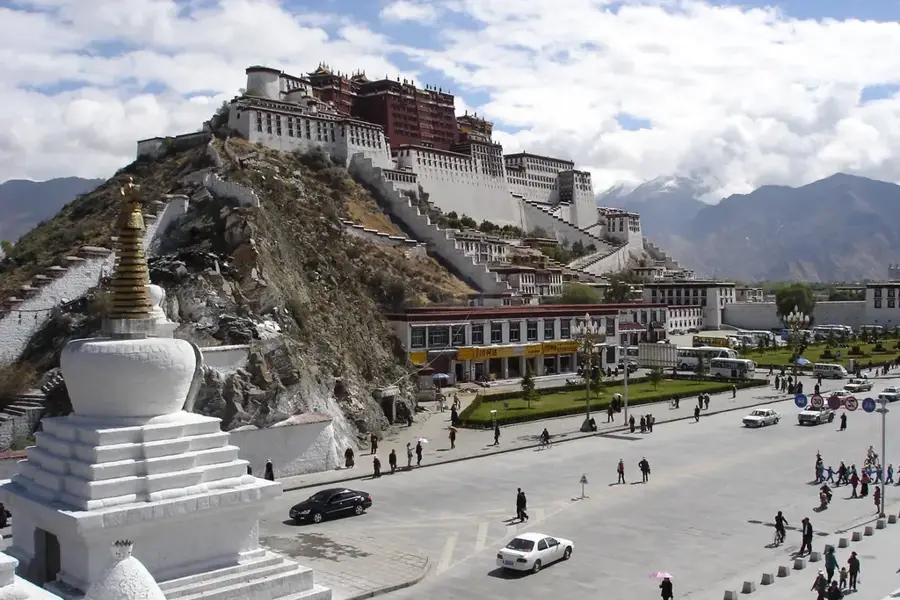
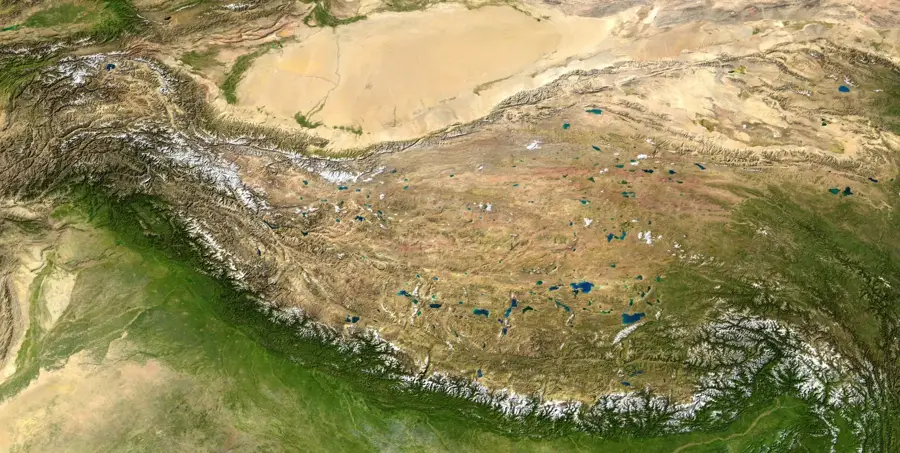
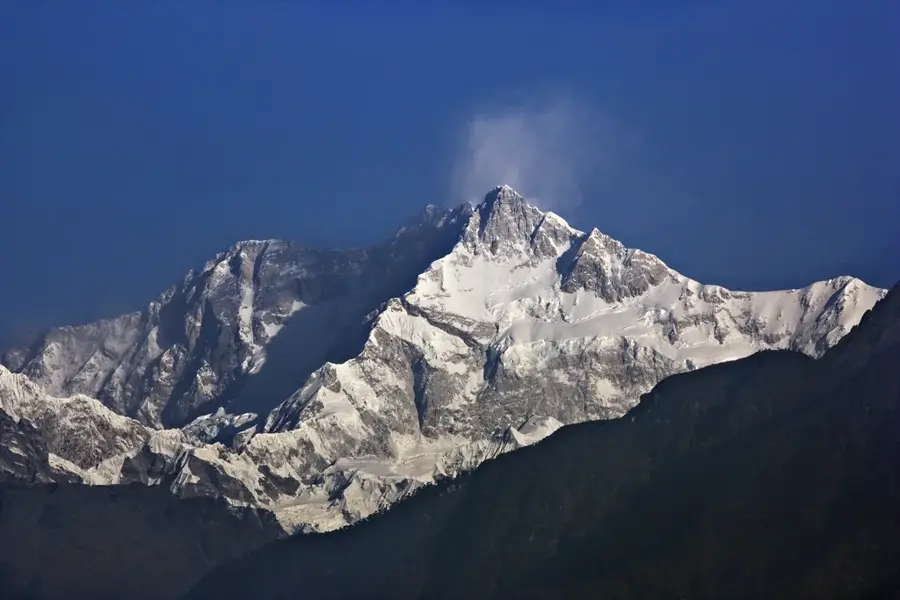
The Tibetan Plateau, often called the "Roof of the World," is the highest and largest plateau on Earth. Spanning approximately 2.5 million square kilometers, it sits at an average elevation of over 4,500 meters. It is bounded by the Himalayas to the south and the Kunlun Mountains to the north. The plateau is vital to the global hydrological cycle, as it serves as the headwaters for Asia's major rivers, including the Yangtze, Yellow, Mekong, Indus, and Ganges. Due to its massive glacial reserves, it is frequently referred to as Earth's "Third Pole." The climate is characterized by extreme aridity and frost, restricting vegetation to vast alpine steppes and montane deserts. Culturally, the plateau has been home to the Tibetan people for millennia, whose way of life is deeply intertwined with Buddhism and nomadic pastoralism. Today, the region is integrated with the rest of China via the Qinghai-Tibet Railway, the highest railway line in the world, reaching altitudes of over 5,000 meters.

Best time to visit & climate

The most pleasant time to visit is Jun–Aug.

JanFebMarAprMayJunJulAugSepOctNovDec
Avg °C-19-16-11-5-14762-6-13-17
Rain mm21372656898342822

📋 Practical info

🧭
Getting there
Access to this immense high-altitude region usually begins in cities like Lhasa or Xining, reachable by air or the famous Qinghai-Tibet Railway. Foreign visitors typically require specific travel permits and must arrange their journey through officially recognized tour agencies.
📅
Best season
The optimal travel window is between May and October when the weather is relatively mild and major roads are clear of heavy snow. Winters are fiercely cold and many remote passes become inaccessible due to extreme ice and freezing conditions.
⛰️
Terrain & paths
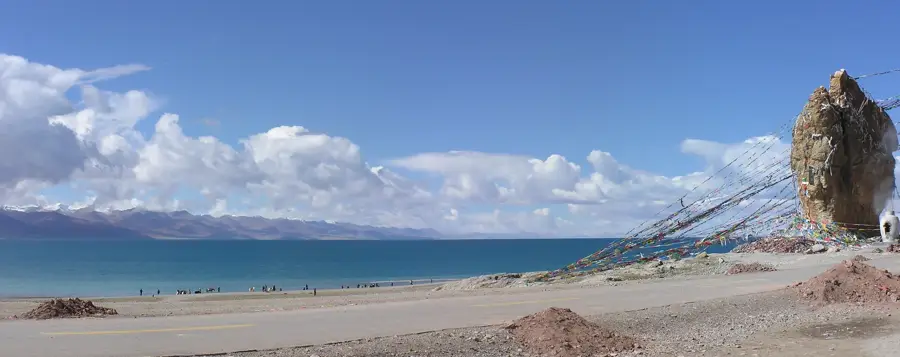
The environment is characterized by vast grassy steppes, towering mountain ranges, and high-altitude lakes spread over an enormous area. Altitudes average over 4,000 meters, meaning the air is very thin and physical exertion feels considerably harder.
🎒
What to bring
Packing warm layers, high-quality UV protection, and sturdy walking shoes is absolutely essential regardless of the season. Medication for altitude sickness and a ready supply of oxygen are often recommended for those unaccustomed to such extreme elevations.
🅿️
Parking
Transportation is generally handled by tour operators using specialized minibuses or rugged 4x4 vehicles that traverse the plateau. Independent driving for foreigners is usually not permitted, so personal parking logistics are rarely a concern for international tourists.
⚠️
Safety
Altitude sickness is the primary health hazard; adequate acclimatization upon arrival in the region is completely critical. Rapid weather changes can occur without warning, and medical facilities are extremely sparse outside of the major populated centers.
⏱️
Time needed
To safely adjust to the altitude and cover the vast distances between key sights, trips usually require at least a week to ten days. Many comprehensive overland journeys across the plateau can easily last two to three weeks to fully appreciate the dramatic landscapes.

Geography

Coordinates
34.00000, 88.00000

Facts

  • Largest high plateau in the world at 2.5 million km²
  • Average elevation exceeds 4,500 meters above sea level
  • Source of rivers that supply water to over 2 billion people
  • Known as the 'Third Pole' due to its vast ice reserves
  • Formed about 50 million years ago by the India-Asia collision
  • Home to the world's highest railway network

Explore nearby

Notable places around
Route planner — Car & Motorhome

Where do you start? We build the route here, with stops and country notes along the way.

Vehicle
Only stops with (optional):

© OpenStreetMap contributors · OpenRouteService

Sights nearby

Frequently asked questions

Why is it called the 'Roof of the World'?
It is the highest and largest plateau on Earth, with an average elevation of over 4,500 meters.
Which major rivers originate here?
Vital rivers such as the Yangtze, Yellow River, Mekong, and Indus have their sources here.
How to avoid altitude sickness?
Slow acclimatization, plenty of fluids, and rest periods are essential when traveling to these altitudes.
What is the best time to visit?
The months from May to October offer the mildest temperatures and the clearest views of the mountain ranges.
Are there trains there?
Yes, the Lhasa railway is the highest railway line in the world, connecting the plateau with the rest of China.
Tibetan Plateau: where is it located?
Tibetan Plateau is located in China.
Tibetan Plateau: when is the best time to visit?
The most pleasant time to visit is Jun, Aug.
Tibetan Plateau: why is it worth visiting?

The Tibetan Plateau, often called the "Roof of the World," is the highest and largest plateau on Earth.
View on map → The Top 50 Attractions → OpenStreetMap →
Asia
Explore with Plizio Discover more places in Asia
More places in China →

Nearby cities

Nature

More places