Plizio Visual Lab

Mount Everest
Plizio editorial teamData Sources
Mountain
—°3
Mount Everest (China)

Weather…

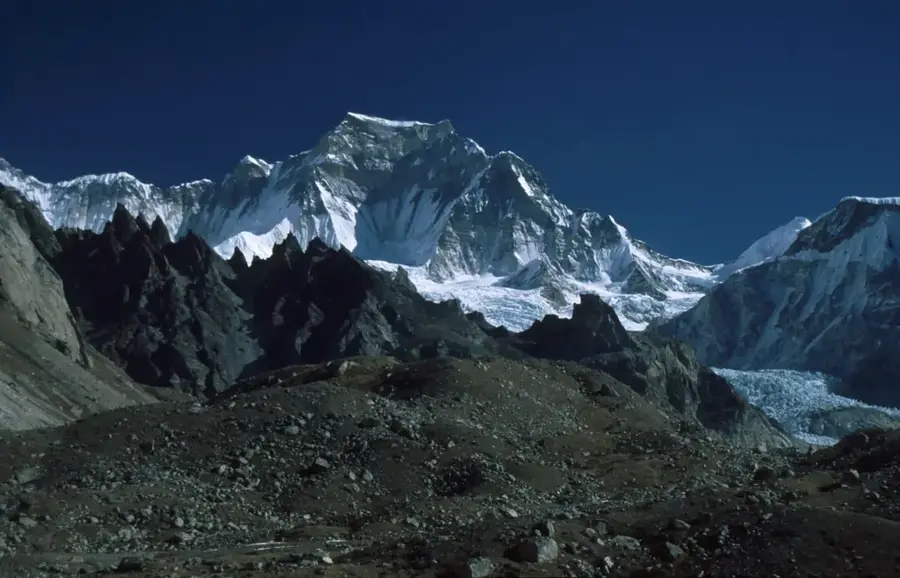
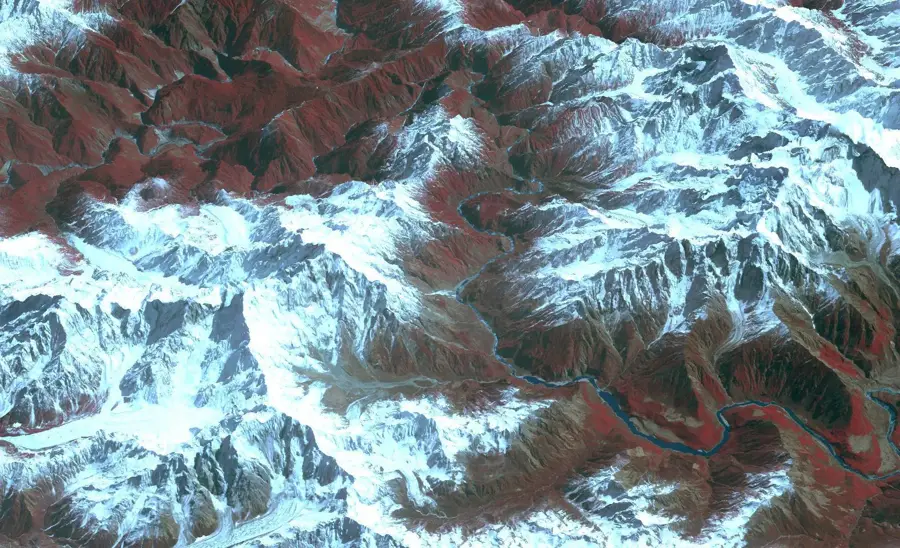
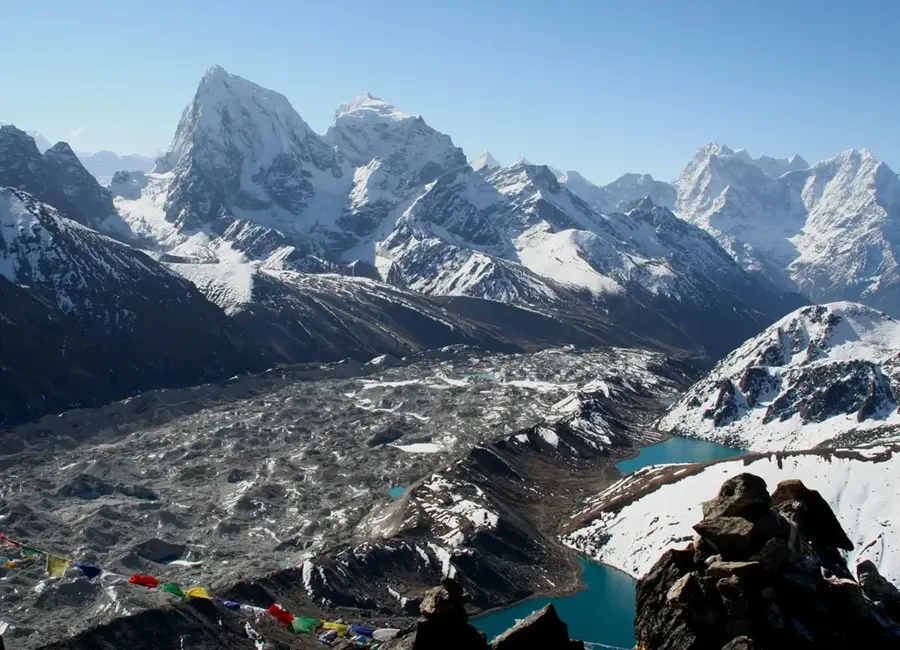
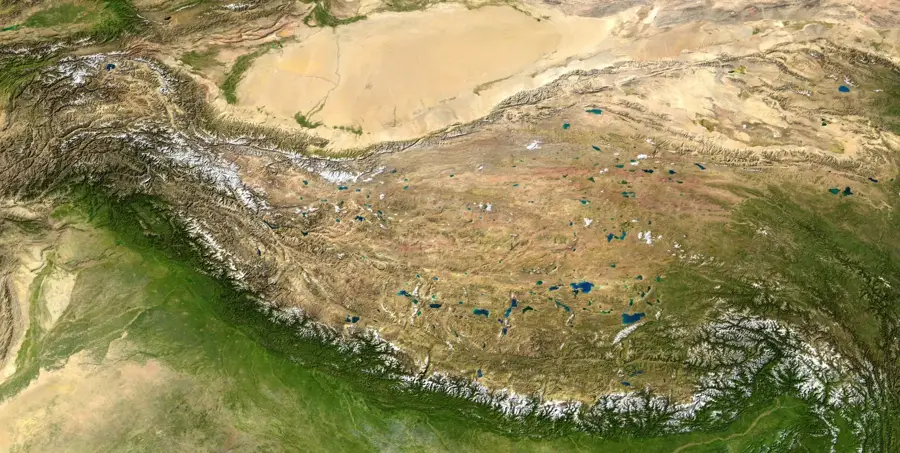
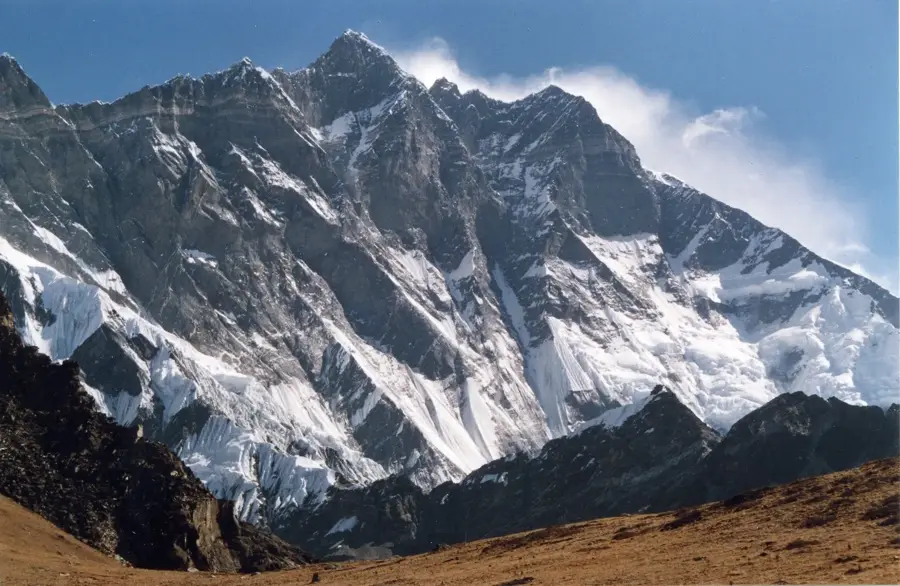
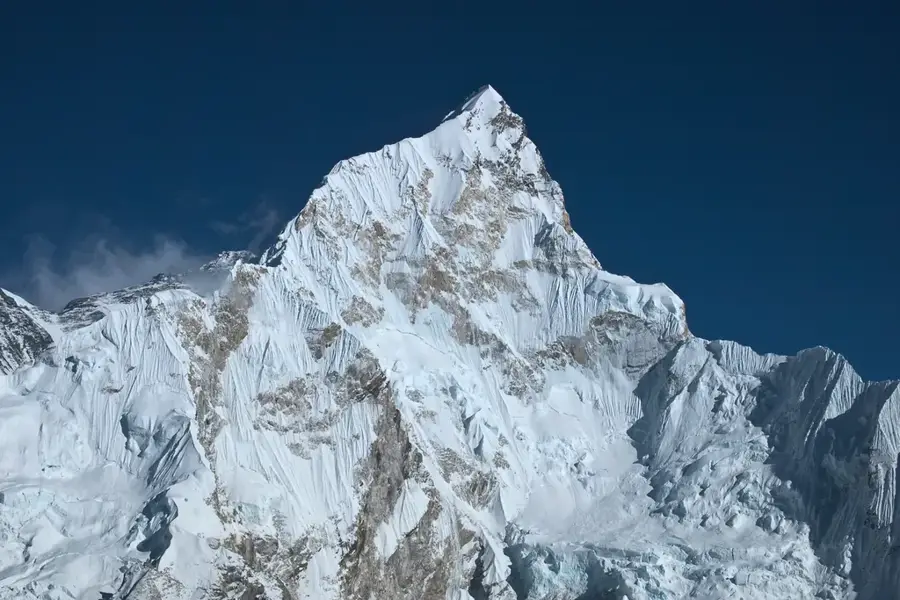
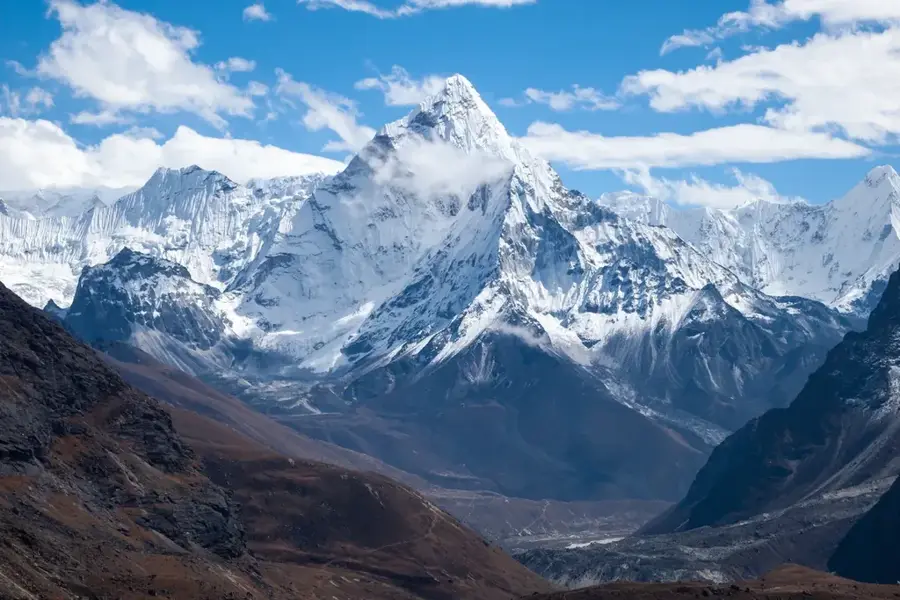
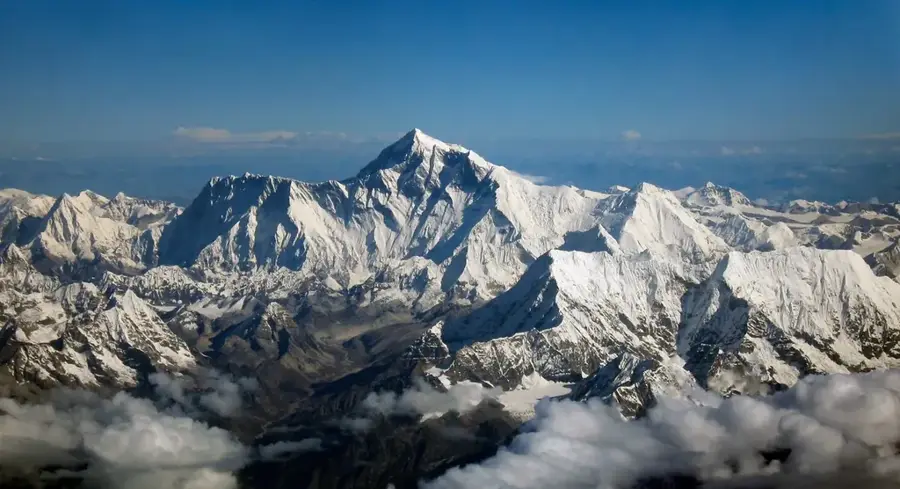
Mount Everest, known as Qomolangma in Tibet and Sagarmatha in Nepal, is the highest peak on Earth with an officially recognized elevation of 8,848.86 meters. It is part of the Mahalangur Himal sub-range of the Himalayas, situated directly on the border between China and Nepal. The mountain's structure consists primarily of metamorphic rocks like schist and marble, topped by Ordovician limestone containing ancient marine fossils. Due to the ongoing collision of the Indian and Eurasian tectonic plates, the peak continues to rise by approximately 4 millimeters each year. The first successful ascent was recorded on May 29, 1953, by Sir Edmund Hillary and Tenzing Norgay. Climbing Everest remains one of the ultimate mountaineering challenges, particularly within the 'Death Zone' above 8,000 meters, where supplemental oxygen is usually required for survival.

Best time to visit & climate

The most pleasant time to visit is May, Jun, Sep.

JanFebMarAprMayJunJulAugSepOctNovDec
Avg °C-12-11-8-304653-2-6-10
Rain mm4711194770164145761923

📋 Practical info

🧭
Getting there
Reaching the base camps of Earth's highest mountain requires significant logistical planning, typically involving flights to regional hubs and extensive treks or specialized transport to the starting points in Nepal or Tibet.
📅
Best season
The most widely recommended windows for approaching the mountain are generally the pre-monsoon spring (April and May) and the post-monsoon autumn (September and October), when weather patterns are relatively more stable.
⛰️
Terrain & paths
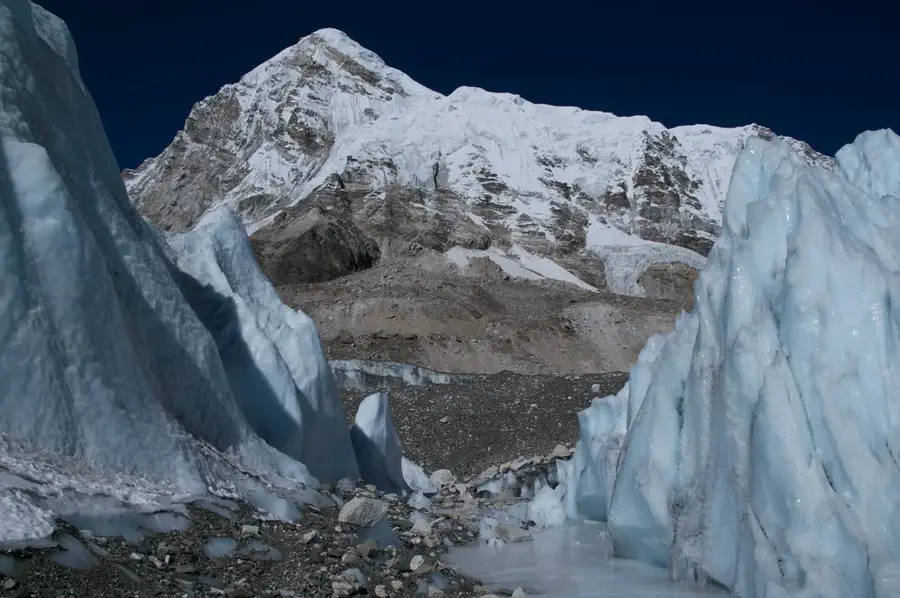
The approach features rugged, high-altitude trails crossing deep valleys, suspension bridges, and glacial moraines. It requires excellent physical conditioning to manage steep, rocky paths in increasingly thin air.
🎒
What to bring
Visitors to the base regions must pack specialized high-altitude trekking gear, including heavyweight thermal layers, extreme cold weather sleeping bags, sturdy trekking boots, and comprehensive medical supplies.
🅿️
Parking
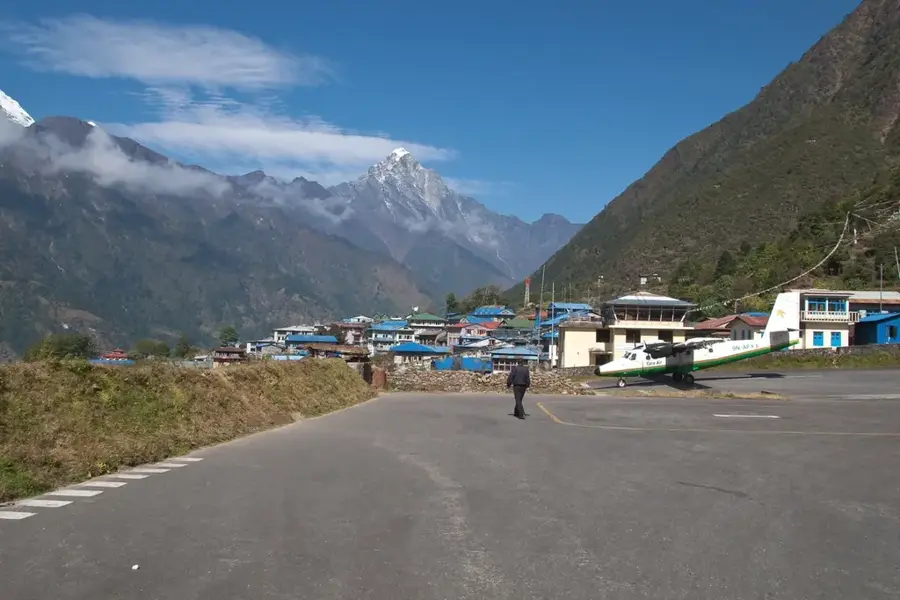
Vehicle access ends long before reaching the main trekking routes on the southern side; any parking or vehicle drop-offs occur at distant regional airstrips or roadheads, from where all progress is strictly on foot or by pack animal.
⚠️
Safety
Extreme high altitude presents severe life-threatening risks; strict, gradual acclimatization protocols are absolutely mandatory. Weather can deteriorate rapidly, necessitating experienced guides and emergency evacuation coverage.
⏱️
Time needed
Merely reaching the primary base camps and returning typically demands a significant commitment of around two to three weeks, allowing necessary time for safe acclimatization and traversing the immense distances involved.

Geography

Coordinates
27.98800, 86.92500

Facts

  • The official height is 8,848.86 meters, as jointly agreed by Nepal and China.
  • The peak rises about 4 millimeters annually due to tectonic plate activity.
  • The first confirmed ascent was achieved on May 29, 1953, by Hillary and Norgay.
  • Wind speeds at the summit can exceed 280 kilometers per hour (175 mph).
  • Junko Tabei became the first woman to reach the summit on May 16, 1975.
  • The mountain was named after Sir George Everest, a British Surveyor General.

Explore nearby

Notable places around
Route planner — Car & Motorhome

Where do you start? We build the route here, with stops and country notes along the way.

Vehicle
Only stops with (optional):

© OpenStreetMap contributors · OpenRouteService

Sights in the town Mount Everest (3)

Kartse🌿 nature

A 6,507-meter peak in the Mahalangur Himal range, situated north of the Mount Everest massif.

Khartaphu🌿 nature

This 7,213-meter peak is part of the Mahalangur Himalaya, located just northeast of Mount Everest.

Everest South Peak🌿 nature

The second-highest peak on Earth, this sub-summit of Mount Everest stands at 8,749 meters on the Southeast Ridge.

Sights nearby

Frequently asked questions

How do you reach the Base Camp?
From the Chinese side, a paved road leads directly there.
Is a Tibet travel permit required?
Yes, special travel and mountain permits are required for a visit.
When is the weather most stable?
May and October are considered the best months for clear views.
Are there hotels there?
There are simple guesthouses and tent camps at the Base Camp.
How high is the Base Camp?
The Tibetan Base Camp is at an altitude of about 5,200 meters.
Mount Everest: where is it located?
Mount Everest is located in China.
Mount Everest: what is there to see?
Highlights include Kartse, Khartaphu, Everest South Peak.
Mount Everest: when is the best time to visit?
The most pleasant time to visit is May, Jun, Sep.
Mount Everest: why is it worth visiting?
Mount Everest, known as Qomolangma in Tibet and Sagarmatha in Nepal, is the highest peak on Earth with an officially recognized elevation of 8,848.86 meters.
View on map → The Top 50 Attractions → OpenStreetMap →
Asia
Explore with Plizio Discover more places in Asia
More places in China →

Nearby cities

History & landmarks
Nature
More places