Plizio Visual Lab

Sanaga Basin
Plizio editorial teamData Sources
Relief
—°
Sanaga Basin (Cameroon)

Weather…

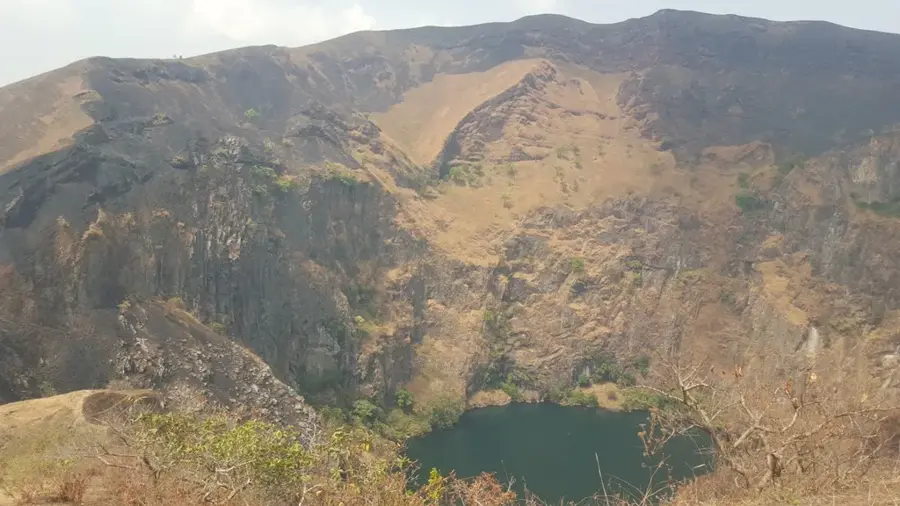
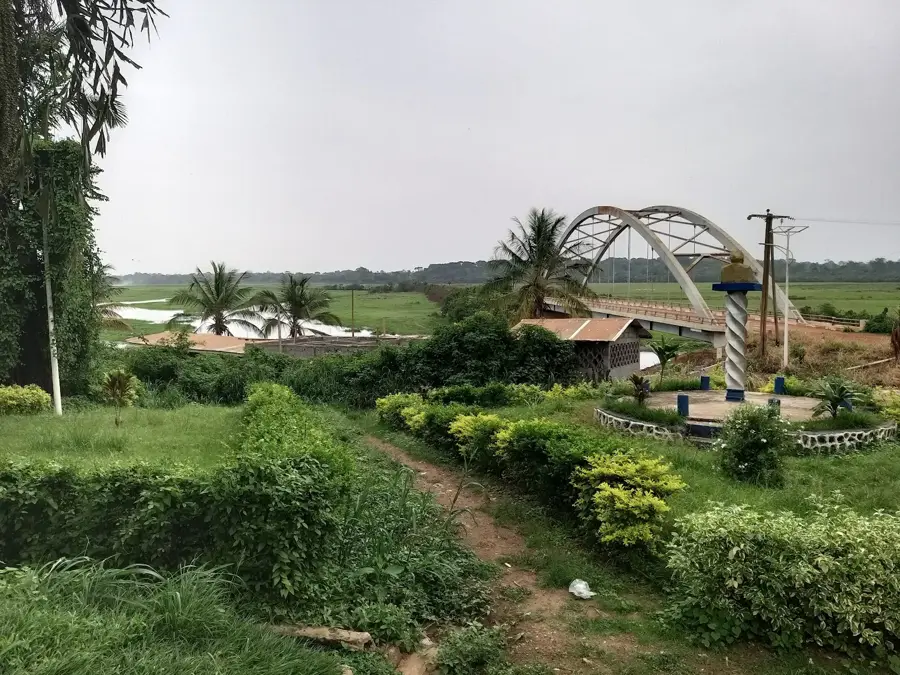
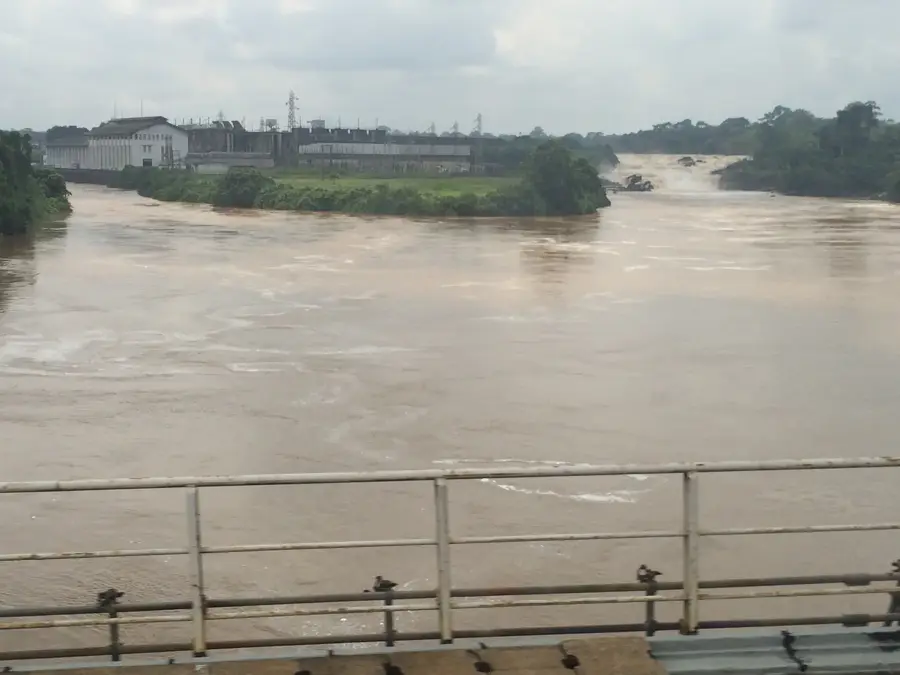
The Sanaga Basin is the largest drainage system in Cameroon, covering an area of approximately 133,000 square kilometers, which constitutes nearly a quarter of the national territory. The central river, the Sanaga, stretches for 918 kilometers, making it the most significant waterway in the country, fed primarily by the Djérem and Lom rivers originating on the Adamawa Plateau. The basin extends from the central highlands to the Atlantic Ocean, where the river discharges through a massive estuary south of Douala. Economically, the Sanaga Basin is of paramount importance as the hub of Cameroon's hydroelectric power generation; major dams such as Édéa and Song Loulou supply the majority of the nation's electricity. Geographically, the basin encompasses a wide variety of ecosystems, ranging from northern gallery forests and savannas to dense southern tropical rainforests. The recent completion of the Lom Pangar dam has enhanced water flow regulation and significantly increased the overall energy capacity of the entire basin.

Best time to visit & climate

The most pleasant time to visit is Jan, Feb, Dec.

JanFebMarAprMayJunJulAugSepOctNovDec
Avg °C242525242423232323232424
Rain mm144011716414911911516921223112618

📋 Practical info

🧭
Getting there
Gaining access to this vast central basin generally involves traveling from the capital or major regional hubs along primary highways before transitioning to rougher secondary roads. Long-distance buses or hiring a robust private 4x4 are the most common methods to reach the interior communities.
📅
Best season
The dry season, running roughly from November to March, is the preferred time for travel as the dirt tracks are firm and navigable. The heavy rains of the wet season often wash out essential routes and can make broad swaths of the lower basin completely impassable.
⛰️
Terrain & paths
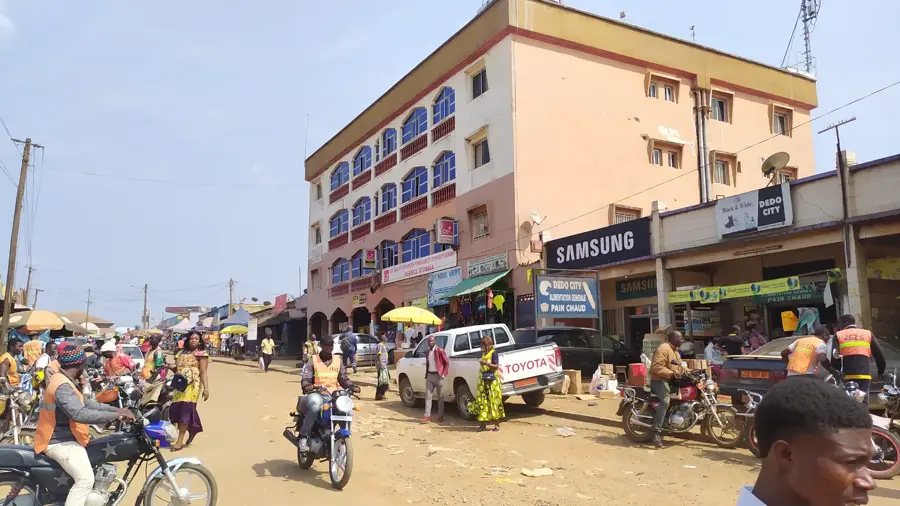
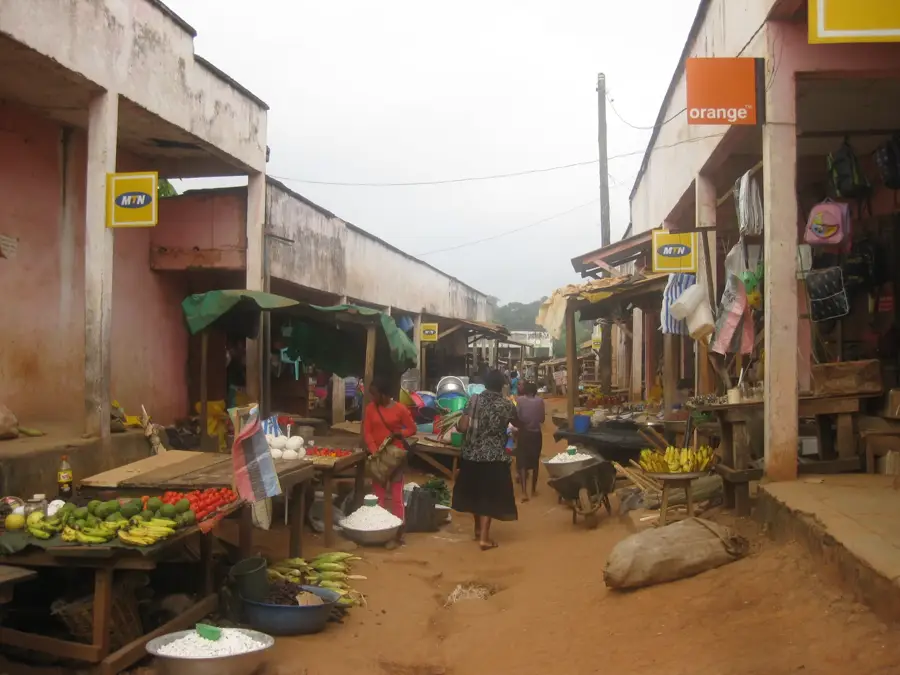
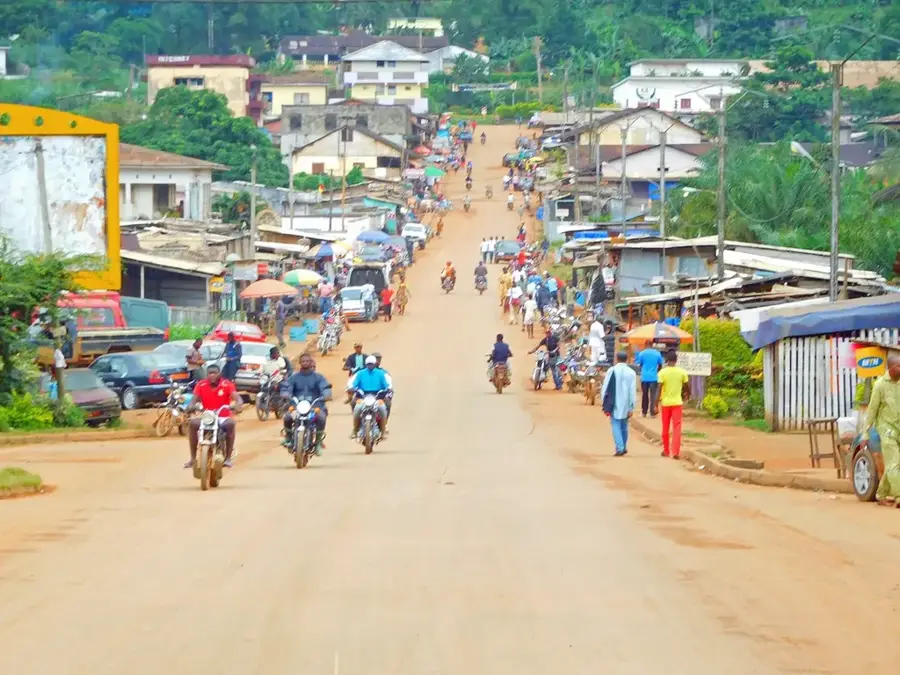
The landscape spans a massive scale, featuring undulating plains, thick riverine forests, and agricultural lands that border the main waterways. Travel outside the immediate towns involves traversing unpaved, deeply rutted tracks that demand stamina and careful driving.
🎒
What to bring
Thorough preparation is required; pack durable outdoor clothing, essential first-aid supplies, and copious amounts of bottled water for long journeys. Reliable navigation tools, spare tires, and extra fuel are absolute necessities if driving your own vehicle through the remote sections.
🅿️
Parking
Parking is informal and generally simply involves pulling off into cleared areas within rural villages or at designated transit stops. Security in remote areas can be unpredictable, so it is always best to coordinate with local guides or community leaders for a safe spot.
⚠️
Safety
Navigating this expansive region independently is challenging; hiring a knowledgeable local guide is highly recommended to bridge language barriers and ensure safe passage. Always be aware of local conditions and seek current advice regarding travel safety before setting out.
⏱️
Time needed
Exploring the basin meaningfully is a multi-day endeavor, often requiring a commitment of at least three to five days due to the vast distances and slow travel speeds. Shorter trips will only scratch the surface of the landscapes situated directly along the main highways.

Geography

Coordinates
4.00000, 11.50000

Facts

  • The Sanaga is the longest river located entirely within Cameroon at 918 km.
  • The basin encompasses roughly 25% of Cameroon's total land area.
  • The Édéa power station was the first major hydroelectric project in the country.
  • The Lom Pangar dam helps regulate river flow during the dry season.
  • The Sanaga mouth forms an ecologically rich estuary on the Atlantic coast.
  • Industrial hubs like the ALUCAM aluminum smelter rely on Sanaga's power.

Explore nearby

Notable places around
Route planner — Car & Motorhome

Where do you start? We build the route here, with stops and country notes along the way.

Vehicle
Only stops with (optional):

© OpenStreetMap contributors · OpenRouteService

Sights nearby

Frequently asked questions

What is the significance of the Sanaga Basin?
It hosts Cameroon's longest river and is the industrial center for energy production (hydropower).
Are there nature reserves in the basin?
Yes, the Sanaga-Yong reserve protects important chimpanzee populations in the surrounding forests.
Can you navigate the Sanaga River?
Canoeing is possible in some sections, but strong currents and dams make continuous navigation impossible.
Which city lies in the heart of the basin?
Édéa is the most important city, known for its hydropower plant and aluminum production.
When is the best time to travel?
The short dry season (July-August) or the long dry season (December-February) are best for exploration.
Sanaga Basin: where is it located?
Sanaga Basin is located in Cameroon.
Sanaga Basin: when is the best time to visit?
The most pleasant time to visit is Jan, Feb, Dec.
Sanaga Basin: why is it worth visiting?

The Sanaga Basin is the largest drainage system in Cameroon, covering an area of approximately 133,000 square kilometers, which constitutes nearly a quarter of the national territory.
View on map → The Top 50 Attractions → OpenStreetMap →
Africa
Explore with Plizio Discover more places in Africa
More places in Cameroon →

Nearby cities

History & landmarks
More places