Plizio Visual Lab
Nanga-Eboko
ℹ️Practical info — Nanga-Eboko
▾
🌤 Weather — 5 days
📍 Nearby
Sights nearby
💡 Tips
- The climate is highly humid; wear light, breathable fabrics.
- Roads in the surrounding forest areas can be tough to navigate; hire a 4x4 if exploring further.
- The town is an administrative center, so it is relatively quiet on weekends.
- Carry insect repellent, especially if you plan to walk near the forest.
🍽 Food
A spicy, dark fish stew commonly served in local bistros.
A dense cassava side dish wrapped in leaves, sold at many street stalls.
Freshly tapped from local trees, best enjoyed at small, neighborhood bars.
🛍 Shopping · 🧘 Quiet spots
Explore the market for forest produce like wild mushrooms and bush mangoes.
Local crafts shops offer beautifully woven bamboo items.
Sit by the riverbank for a peaceful break and great birdwatching opportunities.
Walk through the shaded and calm streets lined with historical buildings.
Water temperature…
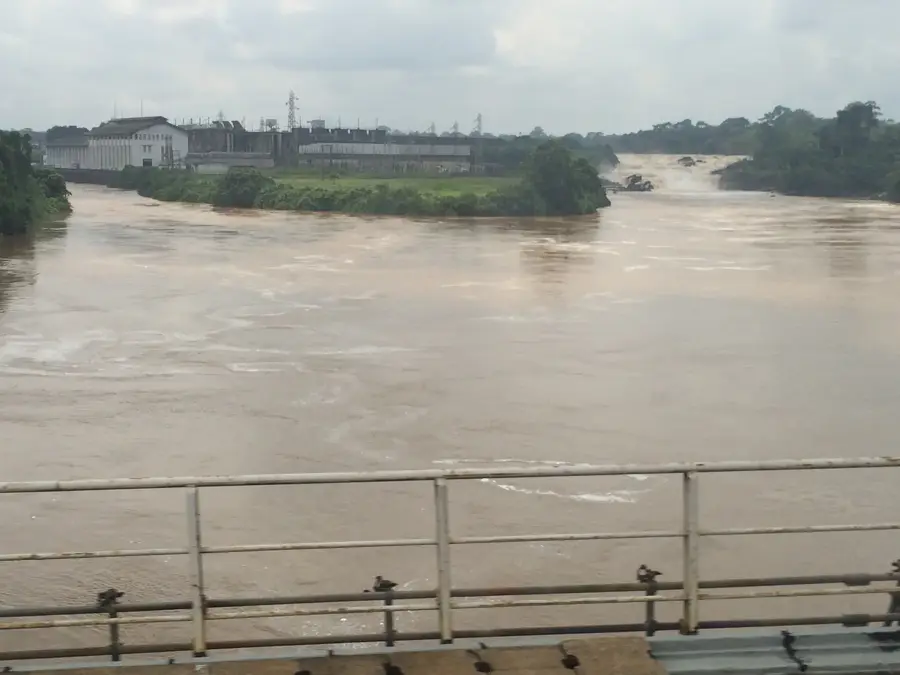
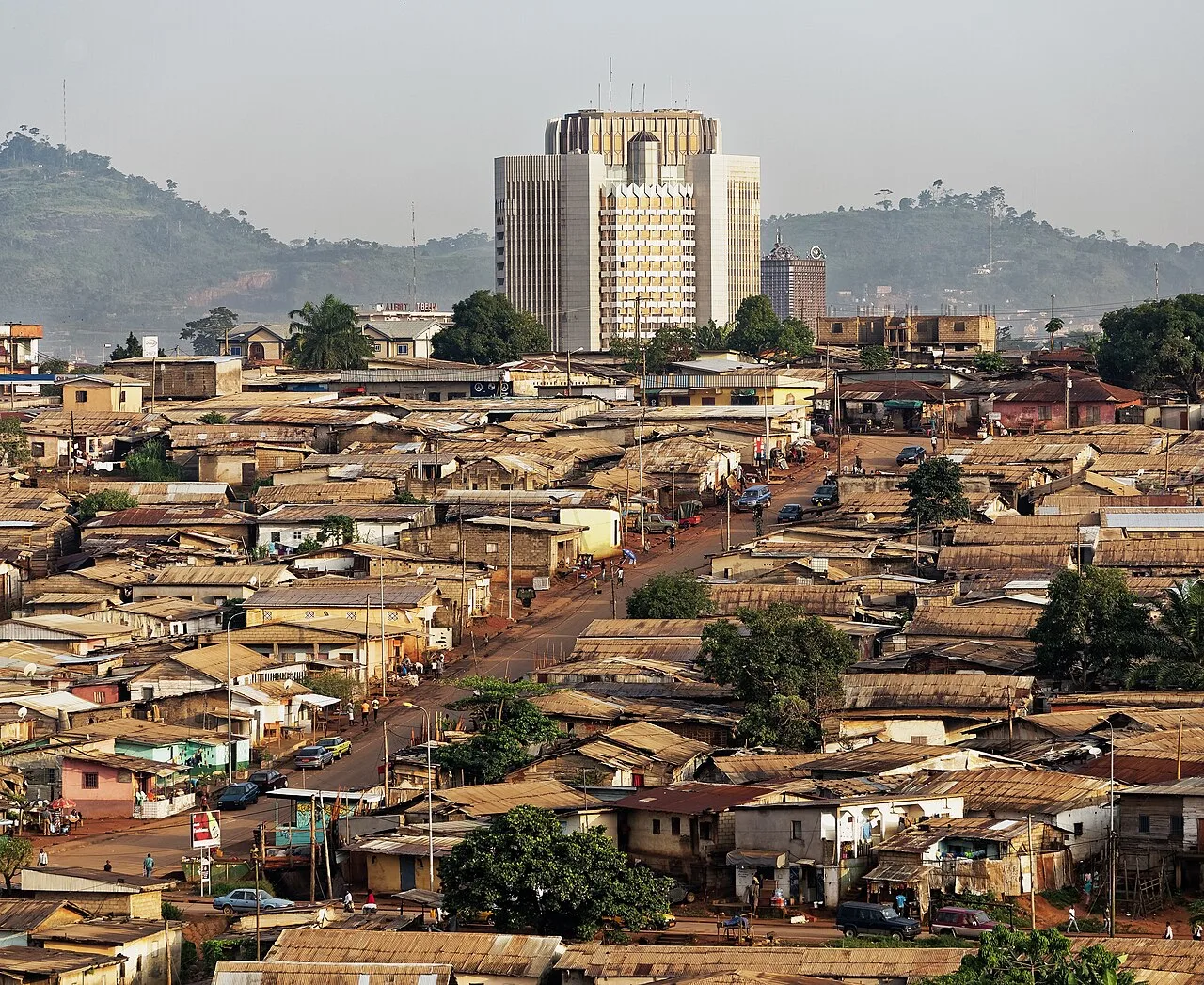
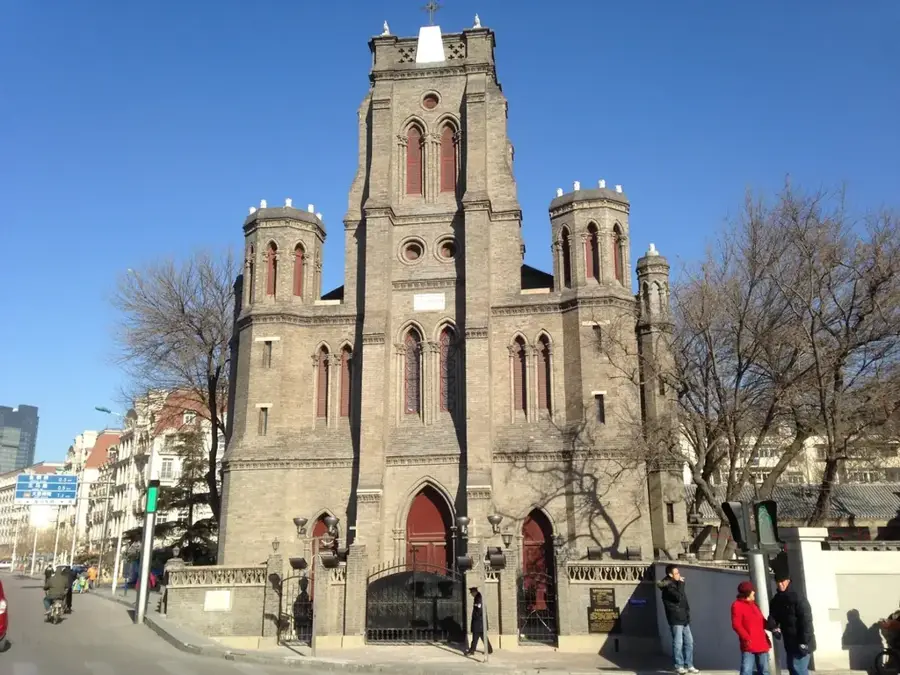
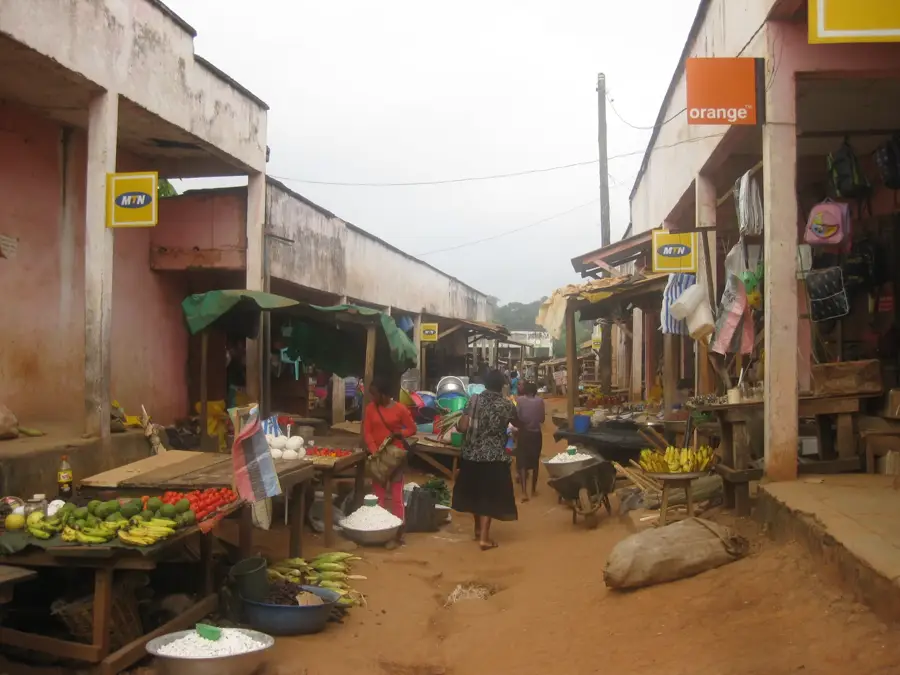
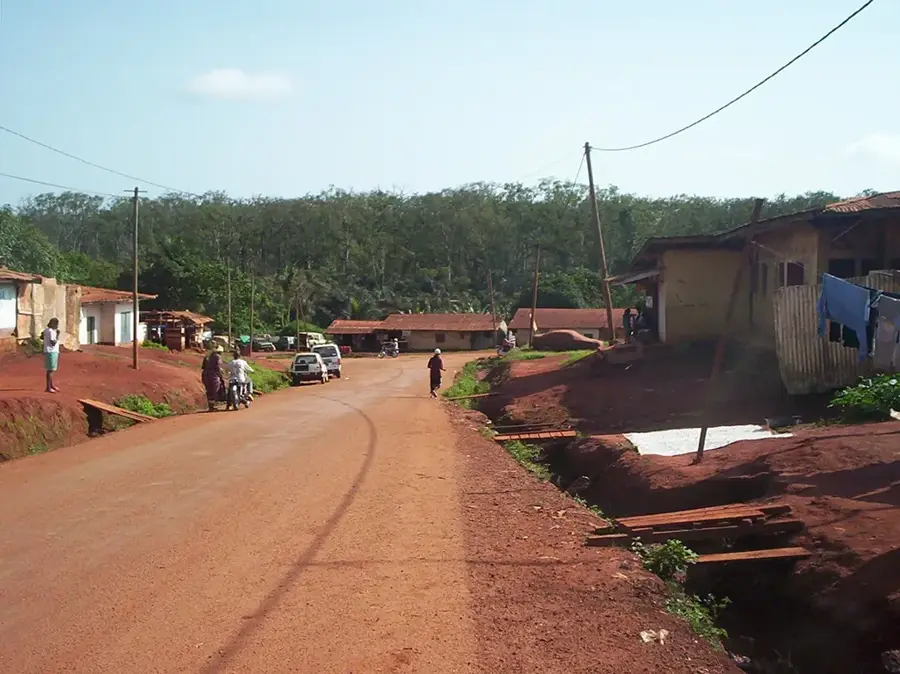
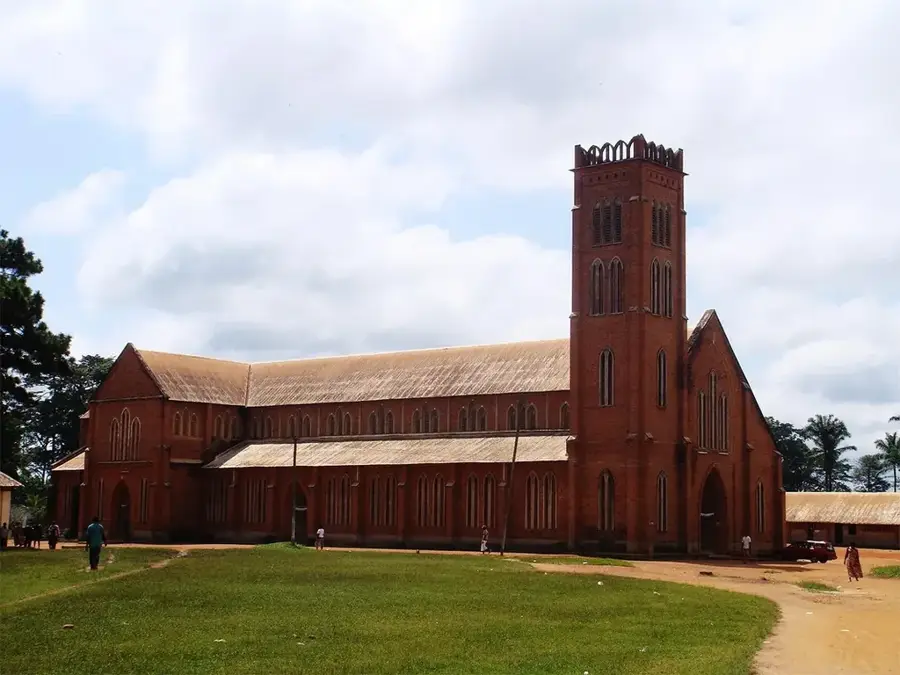
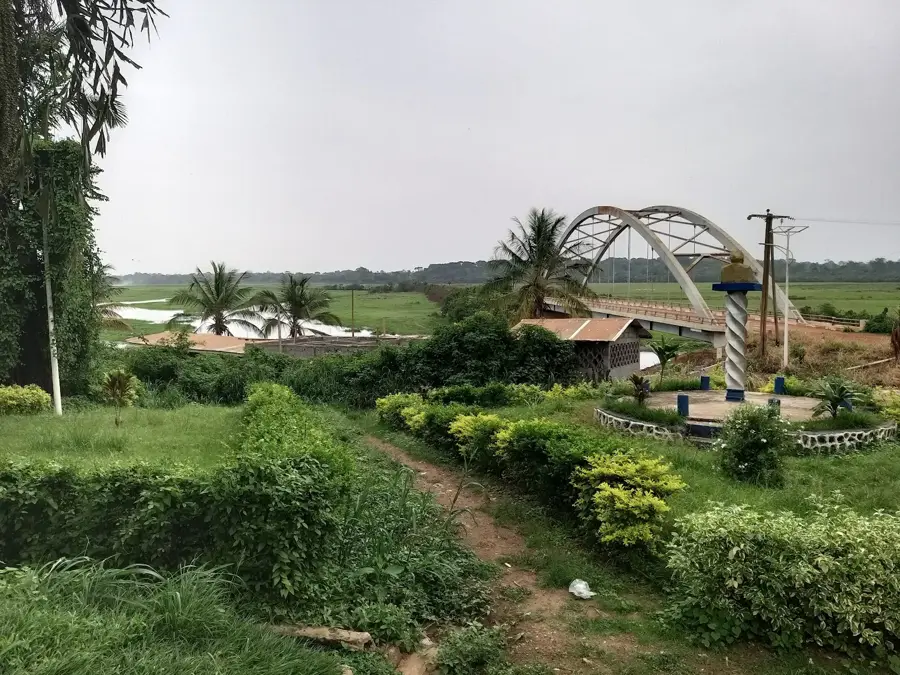
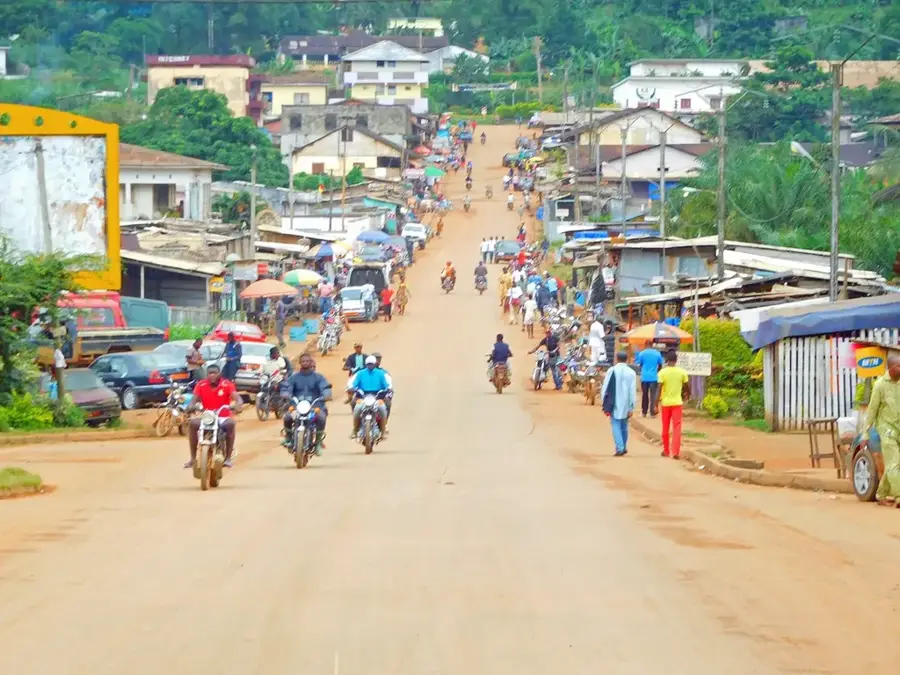
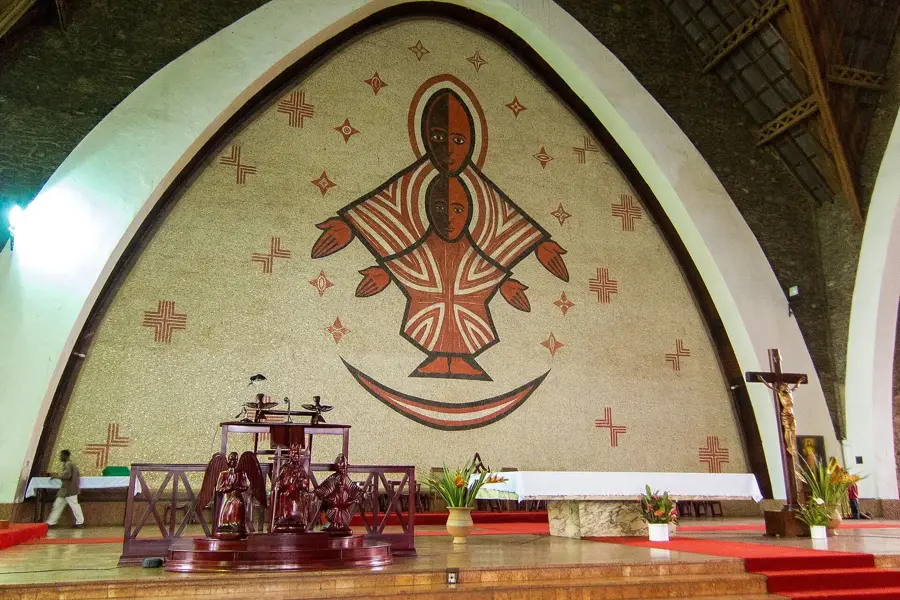
Nanga-Eboko is the capital of Haute-Sanaga Department in the Centre Region and sits on the Sanaga River about 160 kilometres north-east of Yaoundé. Its roughly 25 000 inhabitants are mostly from the Mvele and Bati Bantu groups. The town hosts several state administrative bodies and is an important node on the Yaoundé, Ngaoundéré railway. The economy rests on cocoa, maize, cassava, groundnuts, freshwater fishing on the Sanaga and a growing forestry sector. The region hosts the Nachtigal Amont hydroelectric plant, one of Cameroon's largest dam projects, with 420 MW capacity, generating a significant share of national electricity. Highlights include the Sanaga rapids, the Catholic mission and the railway viaduct. The humid tropical climate with two pronounced rainy seasons allows two harvests a year and maintains constant water flow on the Sanaga.
- Location: Cameroon
- Population: ~28.518 (2023)
Best time to visit & climate
The most pleasant time to visit is Jan, Feb, Dec.
| Jan | Feb | Mar | Apr | May | Jun | Jul | Aug | Sep | Oct | Nov | Dec | |
|---|---|---|---|---|---|---|---|---|---|---|---|---|
| Avg °C | 24 | 25 | 25 | 24 | 24 | 23 | 23 | 23 | 23 | 23 | 23 | 23 |
| Rain mm | 11 | 40 | 102 | 148 | 156 | 139 | 131 | 178 | 211 | 223 | 105 | 15 |
Geography
Facts
- Capital of the Haute-Sanaga department
- Region: Centre
- Located on the Sanaga River
- Major rice-growing region
- Station on the Trans-Cameroon Railway
- Center for regional fishing
Explore nearby
Notable places around


Route planner — Car & Motorhome
Where do you start? We build the route here, with stops and country notes along the way.
© OpenStreetMap contributors · OpenRouteService
Frequently asked questions
When should I visit Nanga-Eboko?
What is the best way to get to Nanga-Eboko?
Is Nanga-Eboko a family-friendly destination?
How many days should I plan for Nanga-Eboko?
What is the regional importance of Nanga-Eboko?
Nanga-Eboko: where is it located?
Nanga-Eboko: when is the best time to visit?
Nanga-Eboko: why is it worth visiting?

Nearby cities

History & landmarks
More places