Plizio Visual Lab
Abong-Mbang
ℹ️Practical info — Abong-Mbang
▾
🌤 Weather — 5 days
📍 Nearby
Sights nearby
💡 Tips
- Shared taxis and motorcycle taxis (benskins) are the main ways to get around; always agree on the fare before starting your ride.
- The city is surrounded by dense forests; if you plan to explore rural areas, hiring a local guide is highly recommended.
- Malaria is prevalent in this region, so ensure you use mosquito repellent and sleep under a treated net.
- Cash is essential for all daily transactions using the Central African CFA franc (XAF), as ATMs are very limited.
🍽 Food
Look for this rich, flavorful stew of bitter leaves, nuts, and meat or fish at local eateries (maquis).
A common source of protein in this forested region; you can find it in stews at traditional restaurants.
Fermented cassava wrapped in leaves is the well-suited side dish to soak up savory sauces.
🛍 Shopping · 🧘 Quiet spots
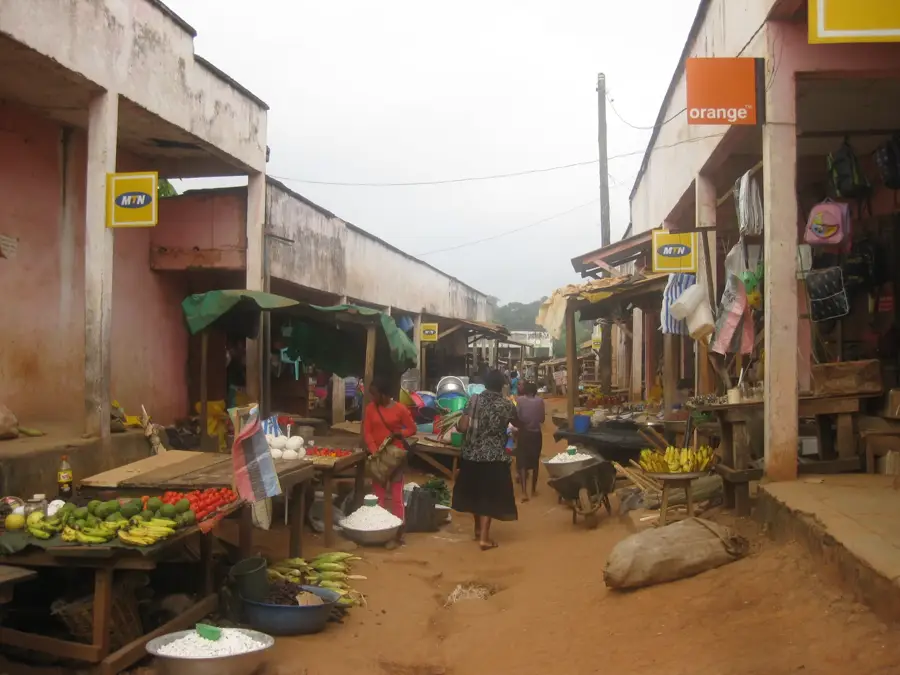
The main hub for fresh tropical fruits, spices, and everyday items straight from the forest.
Keep an eye out for small vendors selling locally carved wooden utensils and decorations.
Take a short walk toward the outskirts of the town to experience the profound silence of the surrounding tropical forest.
The grounds of local churches and missions often provide a shaded, tranquil environment away from the busy streets.
Water temperature…
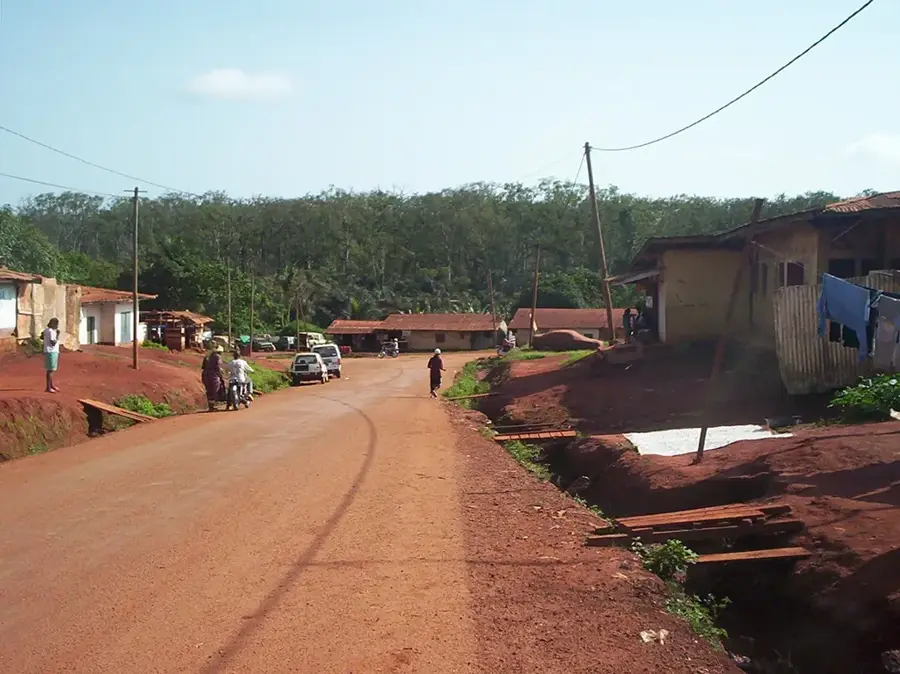
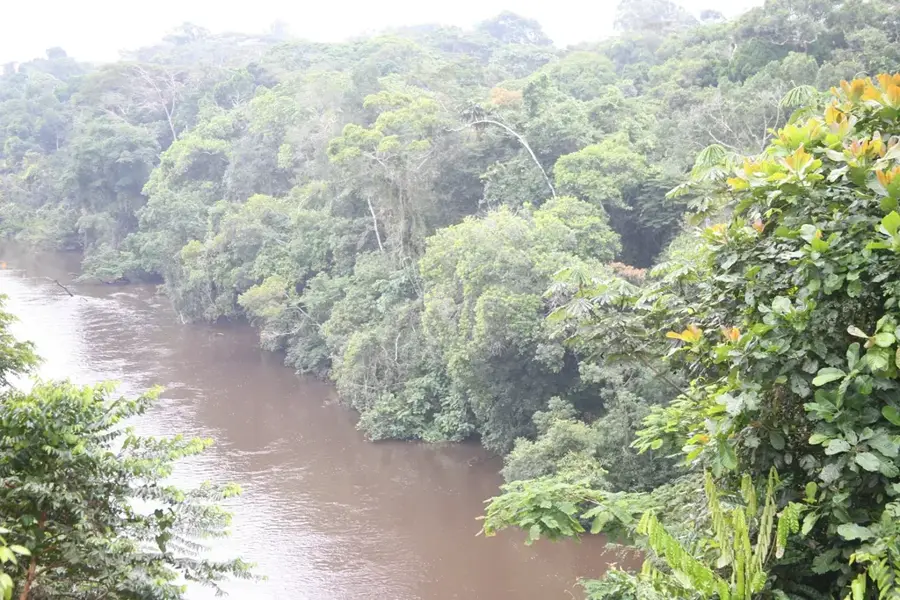
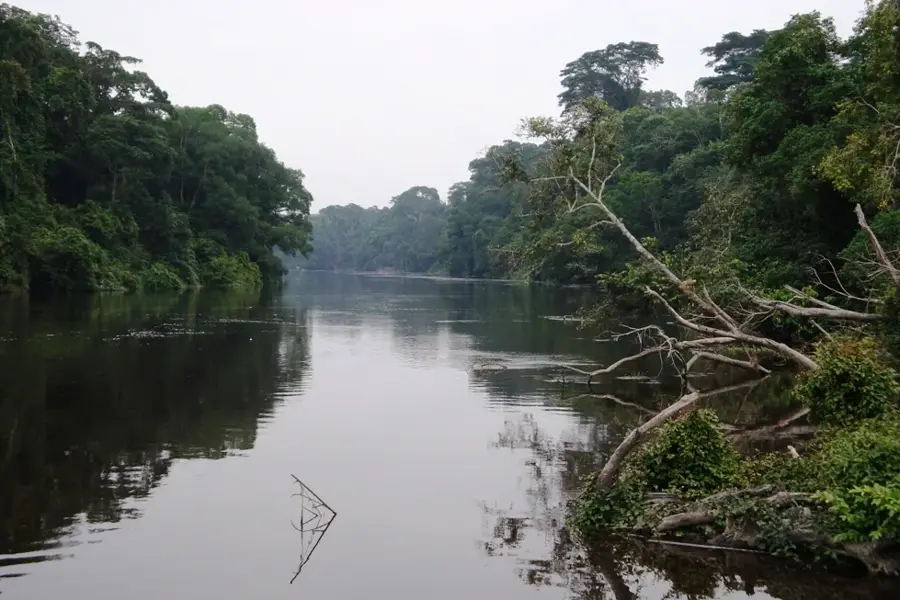
Abong-Mbang is the capital of Haut-Nyong Department in the East Region and lies on the Nyong River in the heart of the equatorial rainforest, about 250 kilometres east of Yaoundé. With around 30 000 inhabitants, the town is a major administrative and forestry centre in the dense Congo Basin. The population is mostly Maka and Bagyeli (Pygmies), famed for their exceptional rainforest knowledge, traditional polyphonic singing and medicinal plant lore. The economy rests on hardwoods (iroko, sapele, sipo), cocoa, cassava and bushmeat trade. Highlights include the 1905 German colonial fort, sitting dramatically on a hill above the Nyong, the central market with traditional Bagyeli crafts and the nearby Mvong waterfall gorge. The humid equatorial climate with two rainy seasons allows year-round forestry.
- Location: Cameroon
- Population: ~24.433 (2023)
Best time to visit & climate
The most pleasant time to visit is Jan, Feb, Dec.
| Jan | Feb | Mar | Apr | May | Jun | Jul | Aug | Sep | Oct | Nov | Dec | |
|---|---|---|---|---|---|---|---|---|---|---|---|---|
| Avg °C | 24 | 25 | 25 | 24 | 24 | 23 | 23 | 22 | 22 | 23 | 23 | 23 |
| Rain mm | 13 | 46 | 106 | 142 | 161 | 146 | 143 | 182 | 230 | 233 | 115 | 19 |
Geography
Facts
- Capital of the Haut-Nyong department
- Region: East
- Situated on the Nyong River
- Center of Cameroon's timber industry
- Founded during the German colonial era
- Major transit point to Central Africa
Explore nearby
Notable places around

Route planner — Car & Motorhome
Where do you start? We build the route here, with stops and country notes along the way.
© OpenStreetMap contributors · OpenRouteService
Sights in the town Abong-Mbang (1)
Frequently asked questions
How many days should I plan for Abong-Mbang?
When is the best time to visit Abong-Mbang?
What is the best way to get to Abong-Mbang?
Are there any local specialties in Abong-Mbang?
Is Abong-Mbang a family-friendly destination?
Abong-Mbang: where is it located?
Abong-Mbang: when is the best time to visit?
Abong-Mbang: why is it worth visiting?

Nearby cities
History & landmarks
More places