Plizio Visual Lab

Tuzla Salt Works
Plizio editorial teamData Sources
mine
—°10
Tuzla Salt Works (Bosnia and Herzegovina)

Weather…

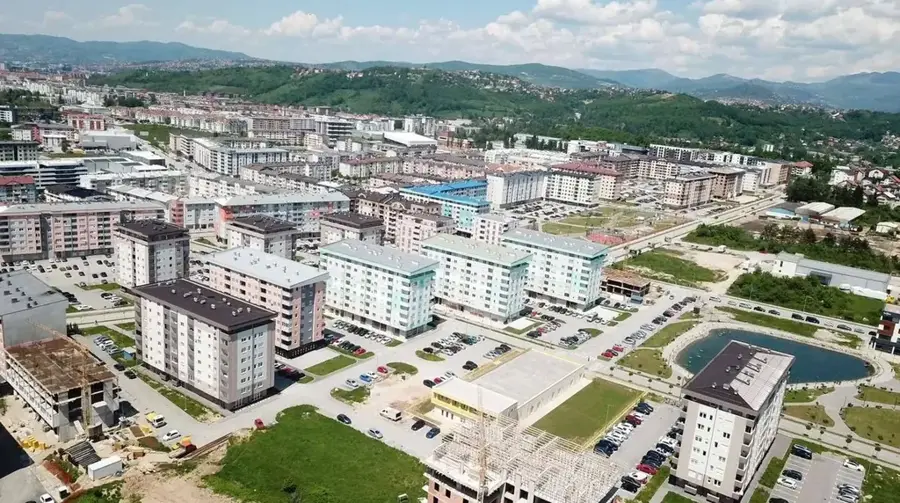
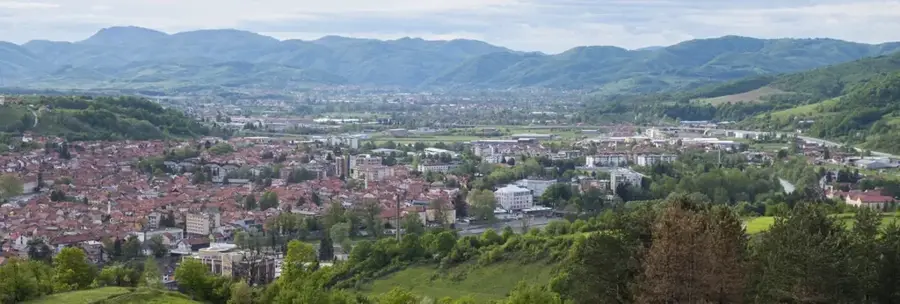
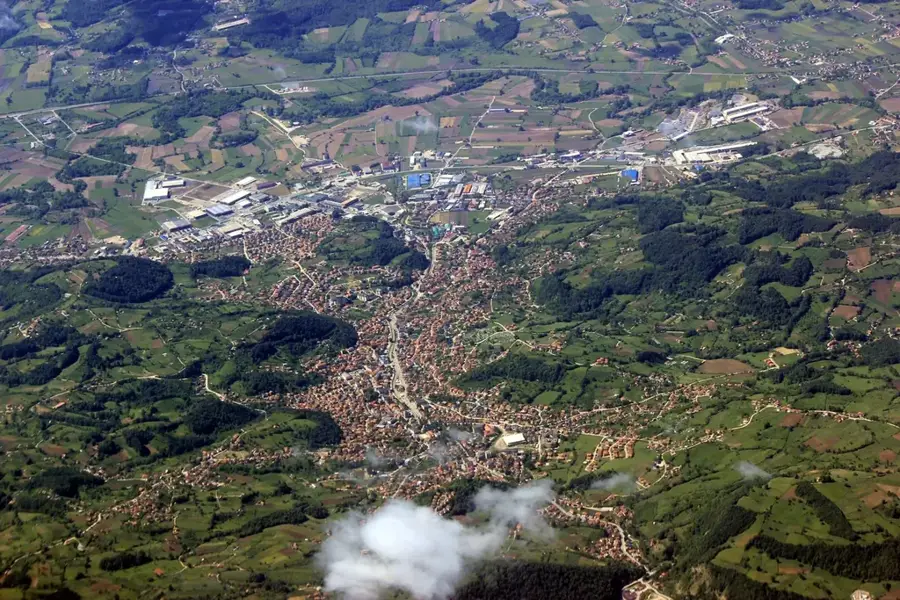
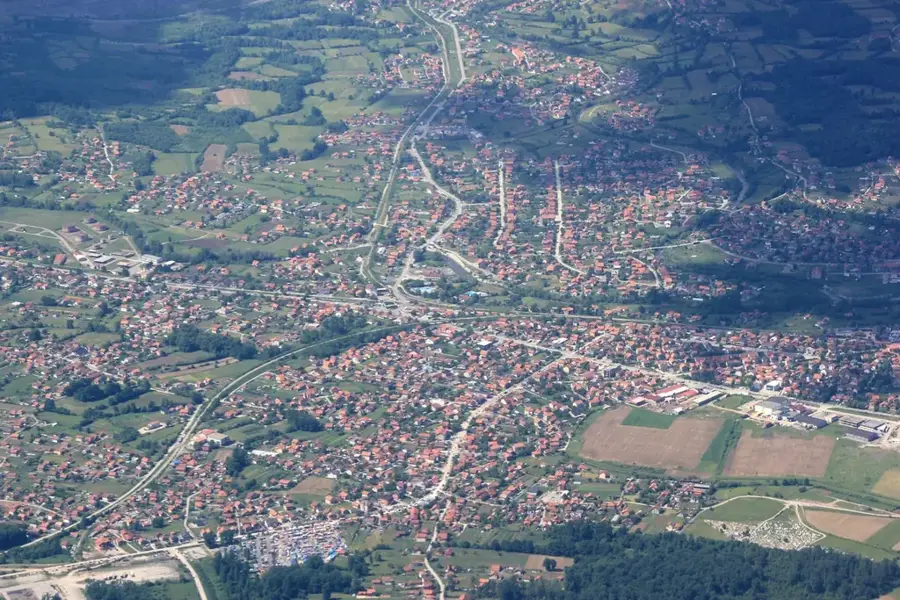
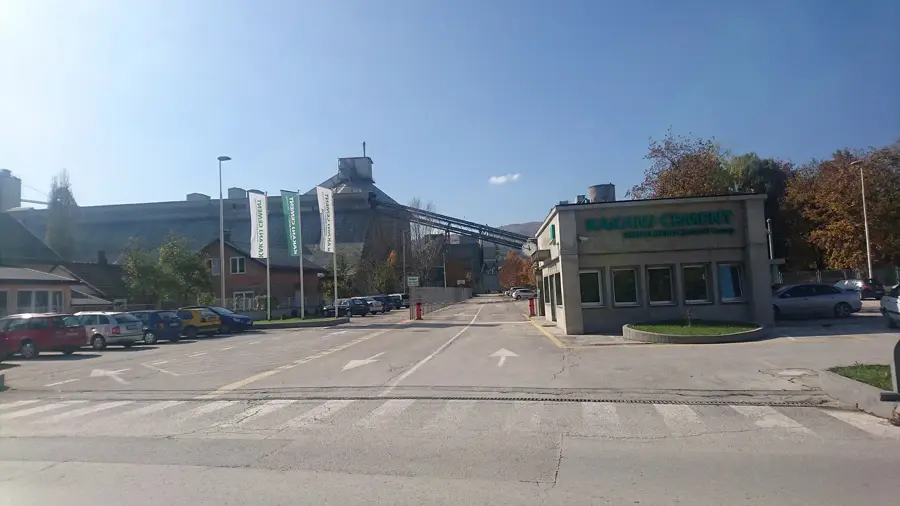
Salt extraction is the absolute foundation of the city of Tuzla, whose name derives from the Turkish word for salt, and has demonstrably been practiced in this location since the Neolithic period. The modern salt works of Tuzla (Solana d.d. Tuzla) is built upon this millennial heritage. It extracts brine (saltwater) from deep within the underground salt domes of the Tetima field, which has often endangered the urban area of Tuzla throughout history due to severe land subsidence. Through modern vacuum evaporation processes, the brine is purified and crystallized in the factory. The result is the famous 'Tuzlanska so' (Tuzla salt), a high-quality table salt found in almost every household in the country. In addition, the factory supplies essential industrial salt for the region's large chemical complex and exports to neighboring countries.

Best time to visit & climate

The most pleasant time to visit is Jun–Aug.

JanFebMarAprMayJunJulAugSepOctNovDec
Avg °C0161115202223171271
Rain mm606065659494676374666566

📋 Practical info

🏭
What is this place?
This historic site represents the core of Tuzla's economic identity, as the city itself was built on and named after its extensive salt deposits. The modern facility processes brine extracted from deep underground, sustaining a centuries-old local tradition.
🚪
Visiting
Direct access to the active salt extraction and processing facilities is generally restricted to authorized personnel for safety and operational reasons. However, travelers can learn about the extraction history at dedicated museums or designated public exhibitions.
👀
Where to view it
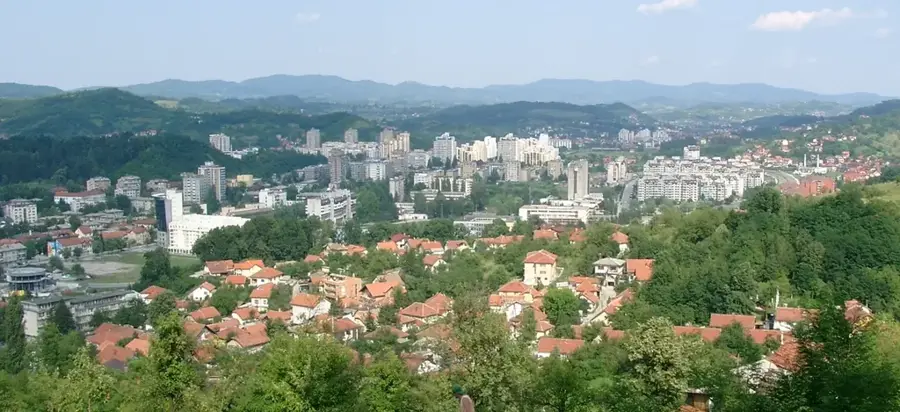
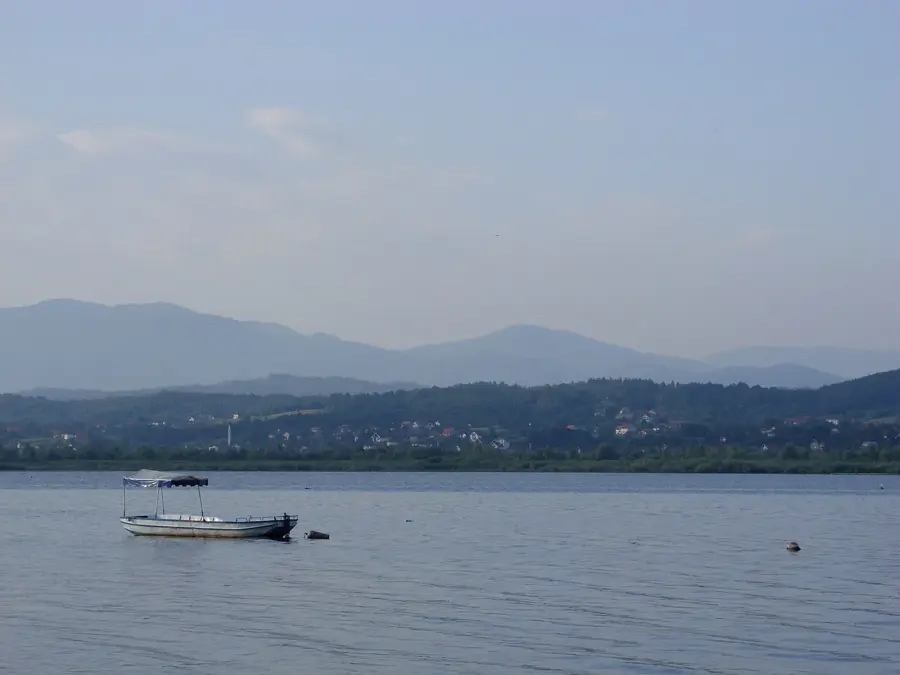
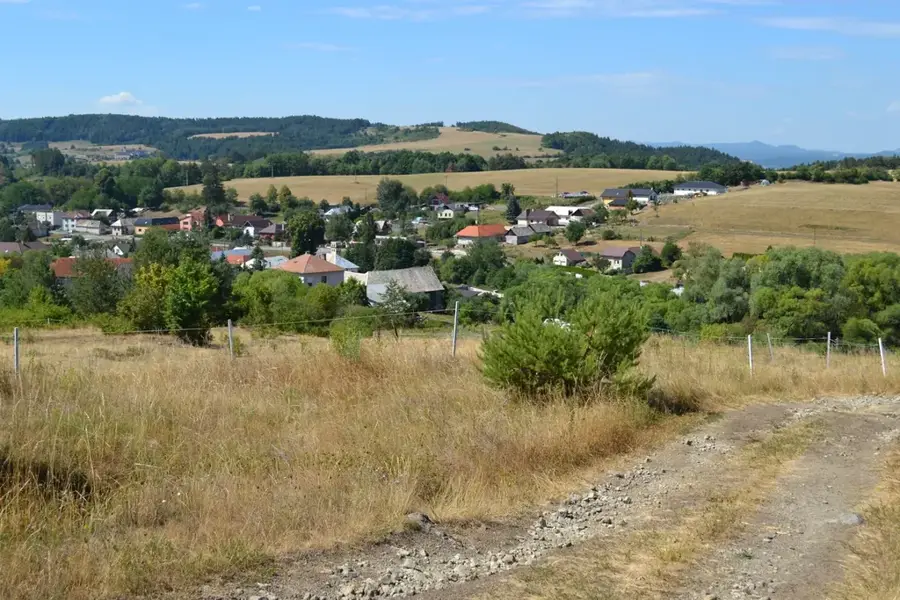
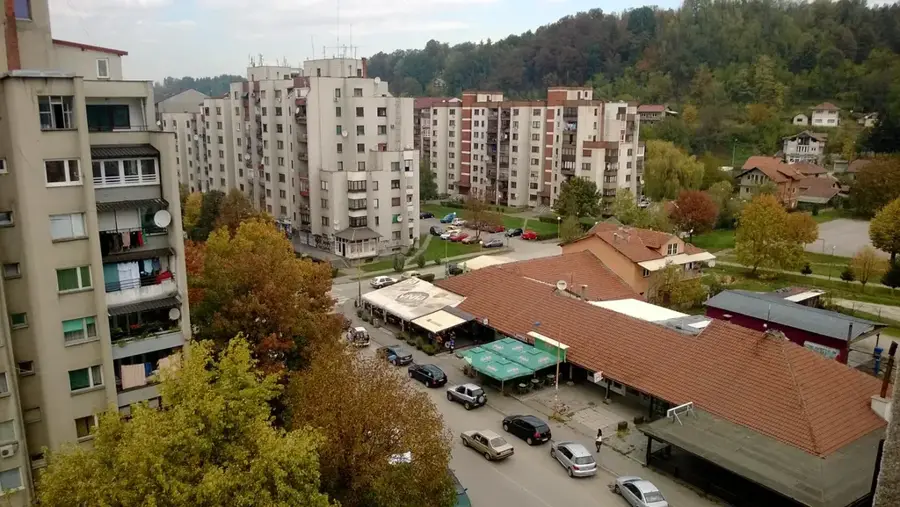
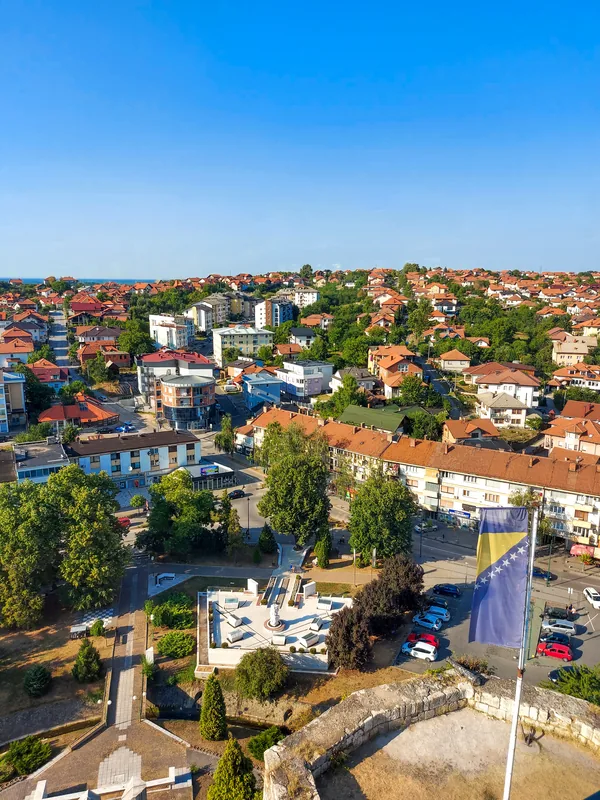
The sheer scale of the historical and modern salt operations is best observed from the hills surrounding the city of Tuzla. Additionally, the famous Pannonian Lakes offer a visible connection to the area's deep salt resources right in the urban center.
🧺
Local products
Locally produced salt is widely available in supermarkets, souvenir shops, and local markets throughout the region. Visitors often purchase these high-quality salt packages as a practical and authentic culinary souvenir from their trip to the Tuzla basin.
📆
Active season
Operations at the salt works typically run year-round, ensuring a constant supply of brine and refined salt. The surrounding salt-themed attractions, like the lakes, are most animated and welcoming for tourists during the warm and sunny summer months.
Nearby
Combine your exploration of the local industrial heritage with a relaxing day swimming in the nearby salt-water Pannonian Lakes. Strolling through the spirited old town of Tuzla afterwards provides a great mix of history, industry, and modern leisure.

Geography

Coordinates
44.54520, 18.68110

Explore nearby

Notable places around
Route planner — Car & Motorhome

Where do you start? We build the route here, with stops and country notes along the way.

Vehicle
Only stops with (optional):

© OpenStreetMap contributors · OpenRouteService

Sights in the town Tuzla Salt Works (10)

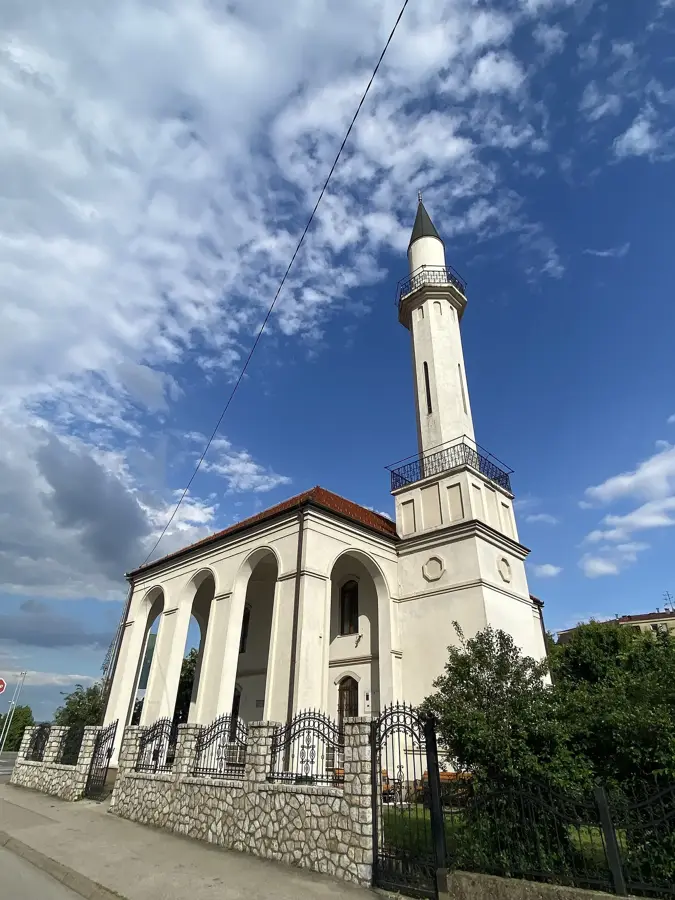
Džindijska (Huseina Čauša) džamija

Mosque in Bosnia and Herzegovina, a place of worship in Tuzla.

Slani Vodopadi Panonskih Jezera

Salt waterfalls in Tuzla, part of the Pannonian Lakes, a natural phenomenon.

Slani bunar

Salt well in Tuzla, a historical source for salt extraction.

Geološki muzej🏛 museum

Geological museum in Tuzla, displaying rocks and minerals.

Pannonica

Water park in Tuzla, recreational facility with slides and pools.

Vidikovac Ćilim

Viewpoint in Tuzla, offering a view over the city.

Museum of Eastern Bosnia🏛 museum

Museum in Tuzla, presenting the history and culture of Eastern Bosnia.

Sojeničko naselje

Stilt house settlement in Tuzla, a prehistoric archaeological site.

Vidikovac Kicelj

Viewpoint in Tuzla, from here you can see the surroundings.

Centralni park🌳 park

Park in Tuzla, Bosnia and Herzegovina, a green area in the city.

Sights nearby

Frequently asked questions

Why is the salt works in Tuzla so famous?
Tuzla has a millennia-old tradition of salt extraction; the salt works is the largest of its kind in Bosnia.
Can the Salt Museum be visited?
Yes, there is a museum within the factory grounds that documents the history of salt extraction.
How is salt extracted today?
Today, extraction is mostly done through industrial vacuum evaporation of brine.
What does salt extraction have to do with the Pannonian Lakes?
The Pannonian Lakes in the city center use local salt for their artificial salt lakes.
Does salt mining cause problems?
In the past, mining led to ground subsidence in the city center, which is why extraction methods are strictly monitored today.
Tuzla Salt Works: where is it located?
Tuzla Salt Works is located in Bosnia and Herzegovina.
Tuzla Salt Works: what is there to see?
Highlights include Džindijska (Huseina Čauša) džamija, Slani Vodopadi Panonskih Jezera, Slani bunar.
Tuzla Salt Works: when is the best time to visit?
The most pleasant time to visit is Jun, Aug.
Tuzla Salt Works: why is it worth visiting?
Salt extraction is the absolute foundation of the city of Tuzla, whose name derives from the Turkish word for salt, and has demonstrably been practiced in this location since the Neolithic period.
View on map → The Top 50 Attractions → OpenStreetMap →

Nearby cities

More places