Plizio Visual Lab

Black Mountains
Plizio editorial teamData Sources
Mountain
—°
Black Mountains (Bhutan)

Weather…

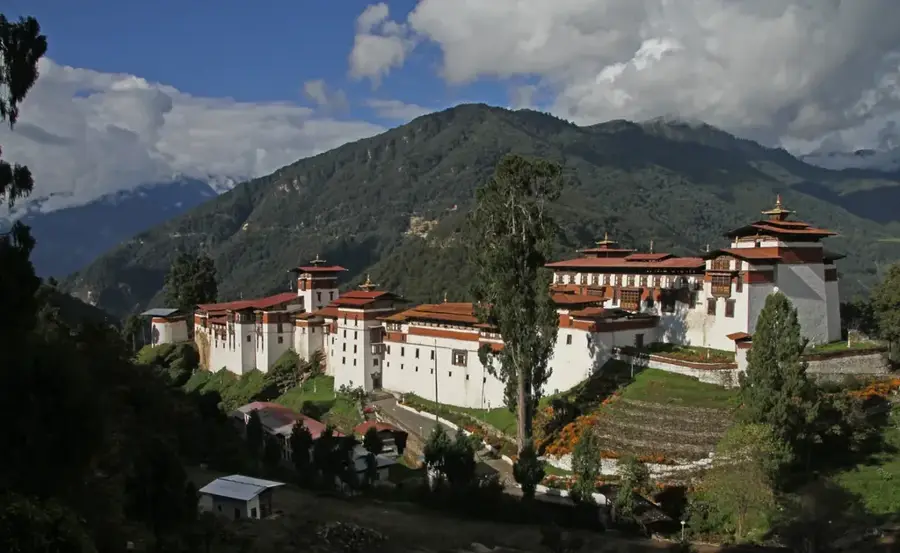
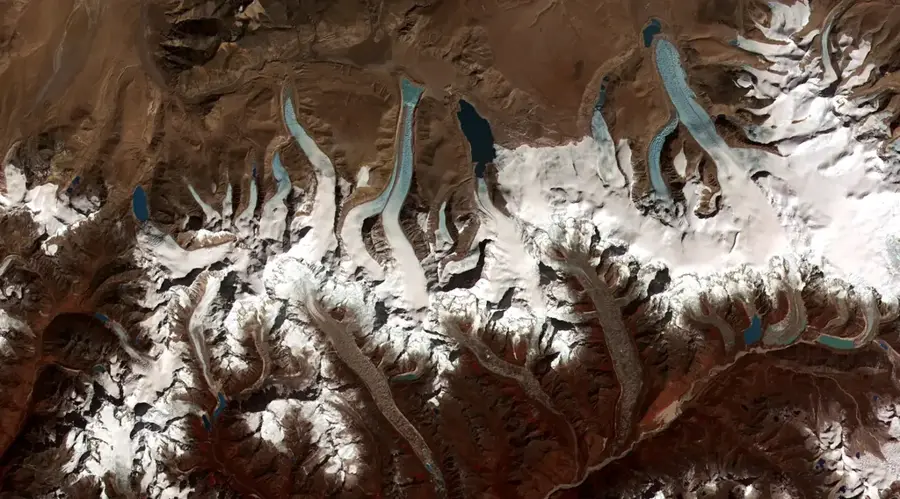
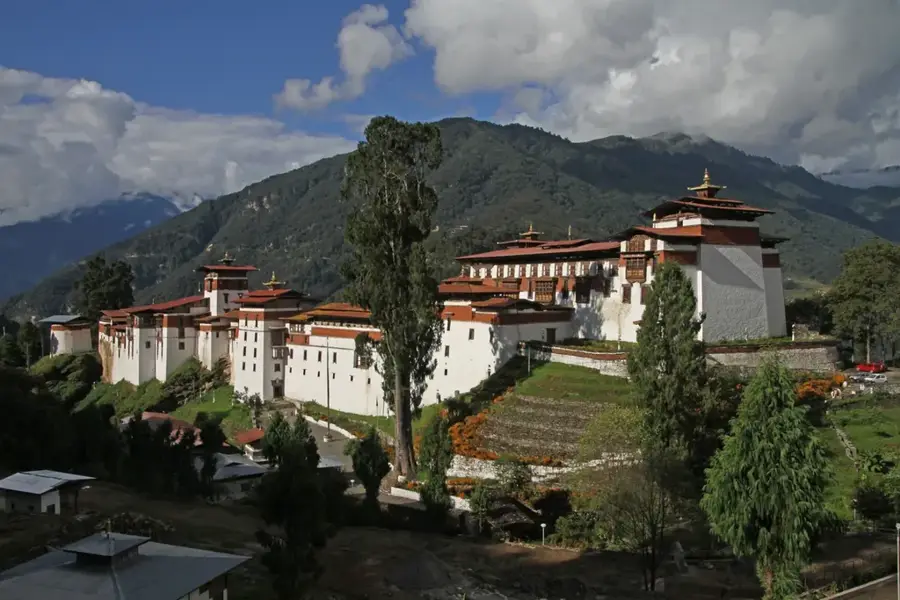
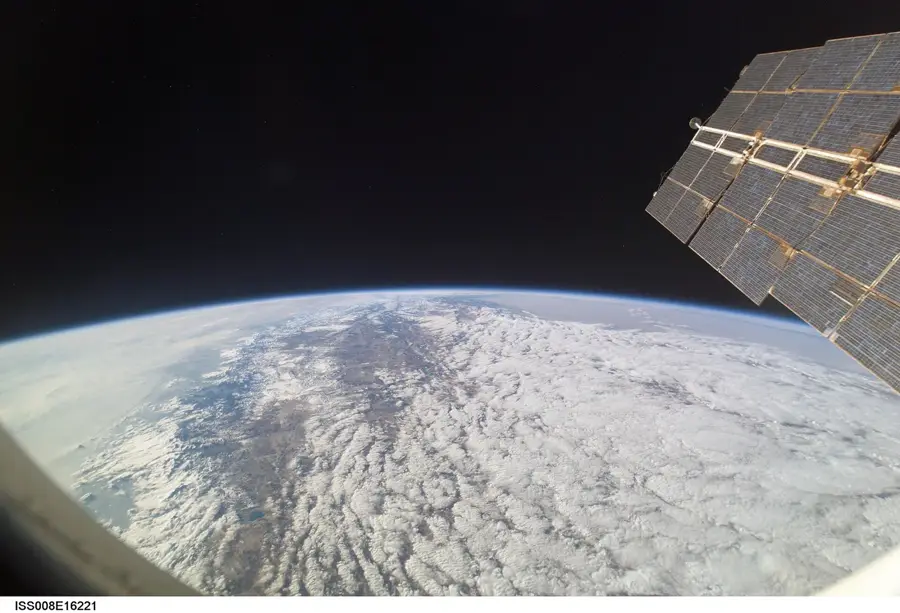
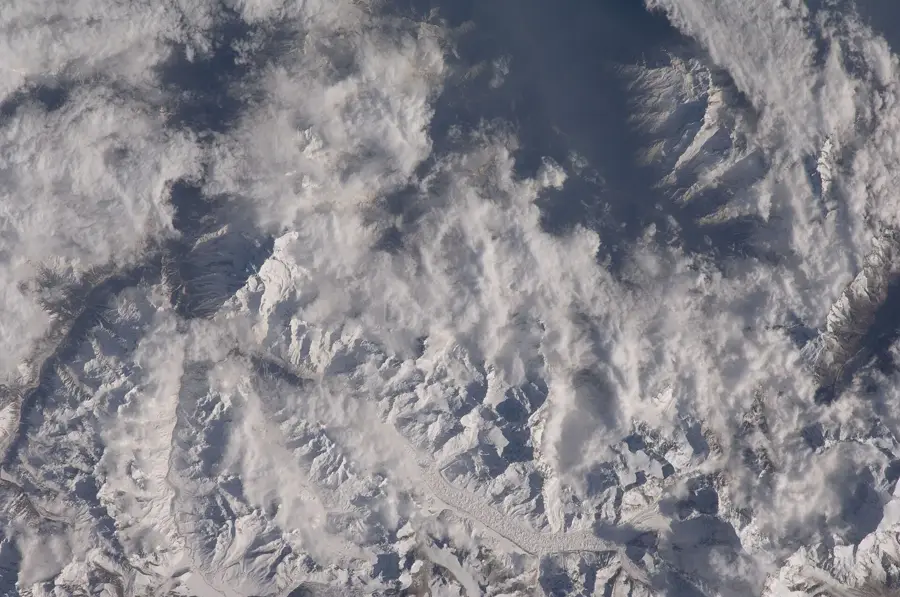
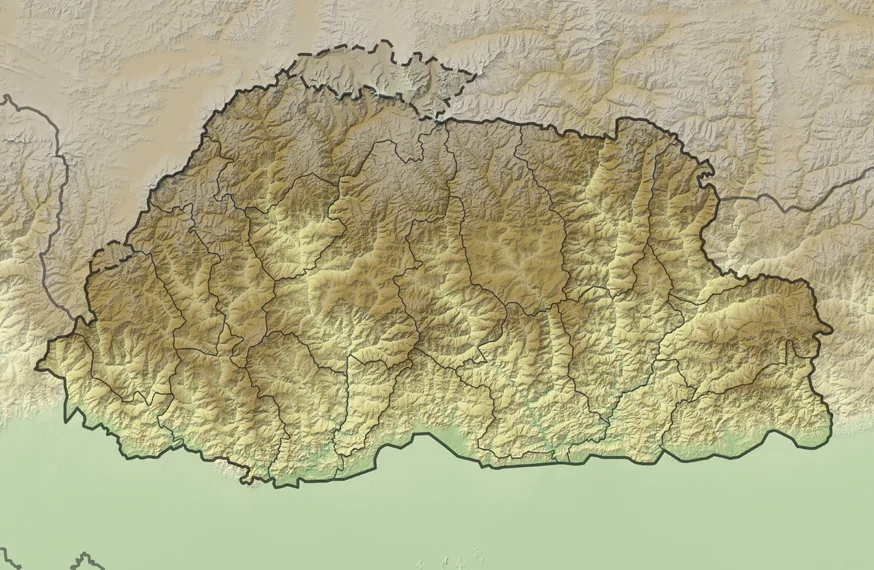
The Black Mountains are a significant range in central Bhutan, forming a natural barrier between the western and eastern parts of the country. They run from north to south, separating the drainage basins of two major rivers, the Mo Chhu (Sankosh) to the west and the Mangde Chhu to the east. The highest peaks reach elevations of nearly 5,000 meters, with Durgang La being the highest point. The range is covered in dense, pristine forests that harbor a rich biodiversity, including rare species like the red panda, the Himalayan black bear, and, in the lower elevations, the endangered Royal Bengal tiger. Historically, crossing the Black Mountains was difficult, leading to a distinct cultural and linguistic separation between western and eastern Bhutan. Today, the region is protected by the Jigme Singye Wangchuck National Park, which serves as a vital corridor for wildlife migration.

Best time to visit & climate

The most pleasant time to visit is Sep–Nov.

JanFebMarAprMayJunJulAugSepOctNovDec
Avg °C01471013141412952
Rain mm412321021451942571961376453

📋 Practical info

🧭
Getting there
Reaching the passes of this imposing dividing mountain range typically involves traversing winding, high-altitude national highways. These essential arteries crucially connect the western and eastern regions of the country.
📅
Best season
The pre-monsoon spring and post-monsoon autumn months are generally considered the most good times. They reliably provide the clearest panoramic views and safely avoid the treacherous landslides common during the rainy season.
⛰️
Terrain & paths
The environment is characterized by dramatic, steeply rising slopes and exceptionally deep forested valleys. High-altitude passes, which are very often shrouded in dense mist, make traversing on foot a significant challenge.
🎒
What to bring
Heavy-duty cold weather gear is usually absolutely necessary due to the extreme, freezing altitudes. If attempting any multi-day hikes, highly rugged trekking boots and specialized alpine equipment are strictly mandatory.
🅿️
Parking
Formal parking infrastructure is extremely rare; vehicles are typically pulled over at designated high-altitude viewpoints. Small, informal roadside settlements along the route are also frequently used for taking a brief rest.
⚠️
Safety
Altitude sickness is a very real, serious risk, making slow and gradual acclimatization generally essential. The winding cliffside roads also demand highly experienced local drivers who fully understand the local conditions.
⏱️
Time needed
Crossing the imposing range by vehicle usually safely takes up a very substantial portion of a single day. Conversely, dedicated trekking expeditions deep into the mountains typically demand a week or more of planned travel.

Geography

Coordinates
27.25000, 90.25000

Facts

  • Separates the valleys of Mangde Chhu and Sankosh.
  • Highest peaks reach almost 5000 meters.

Explore nearby

Notable places around
Route planner — Car & Motorhome

Where do you start? We build the route here, with stops and country notes along the way.

Vehicle
Only stops with (optional):

© OpenStreetMap contributors · OpenRouteService

Sights nearby

Frequently asked questions

Where are the Black Mountains located?
They form a natural barrier between West and Central Bhutan.
Can you hike in the mountains?
Yes, there are challenging trekking routes for experienced hikers.
Are there national parks in this region?
The Jigme Singye Wangchuck National Park protects a large part of the mountains.
What animals live there?
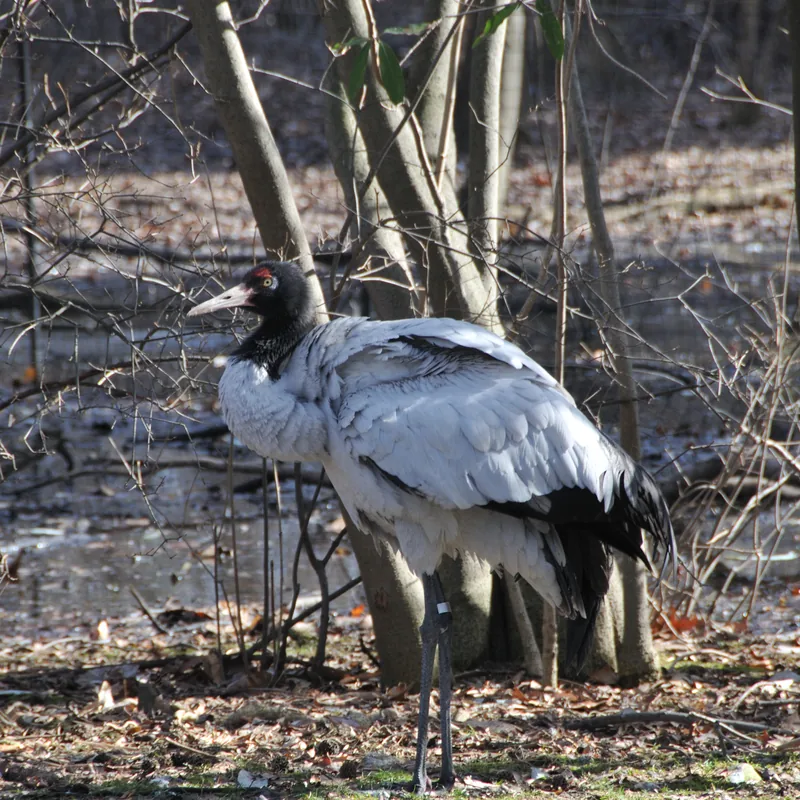
Rare black-necked cranes winter in the adjacent Phobjikha Valley.
Are there paved roads across the mountains?
The only west-east road passes over the high Pele-La pass.
Black Mountains: where is it located?
Black Mountains is located in Bhutan.
Black Mountains: when is the best time to visit?
The most pleasant time to visit is Sep, Nov.
Black Mountains: why is it worth visiting?

The Black Mountains are a significant range in central Bhutan, forming a natural barrier between the western and eastern parts of the country.
View on map → The Top 50 Attractions → OpenStreetMap →
Asia
Explore with Plizio Discover more places in Asia
More places in Bhutan →

Nearby cities

History & landmarks
Nature
More places