Plizio Visual Lab

Mughan Steppe
Plizio editorial teamData Sources
desert
—°3
Mughan Steppe (Azerbaijan)

Weather…

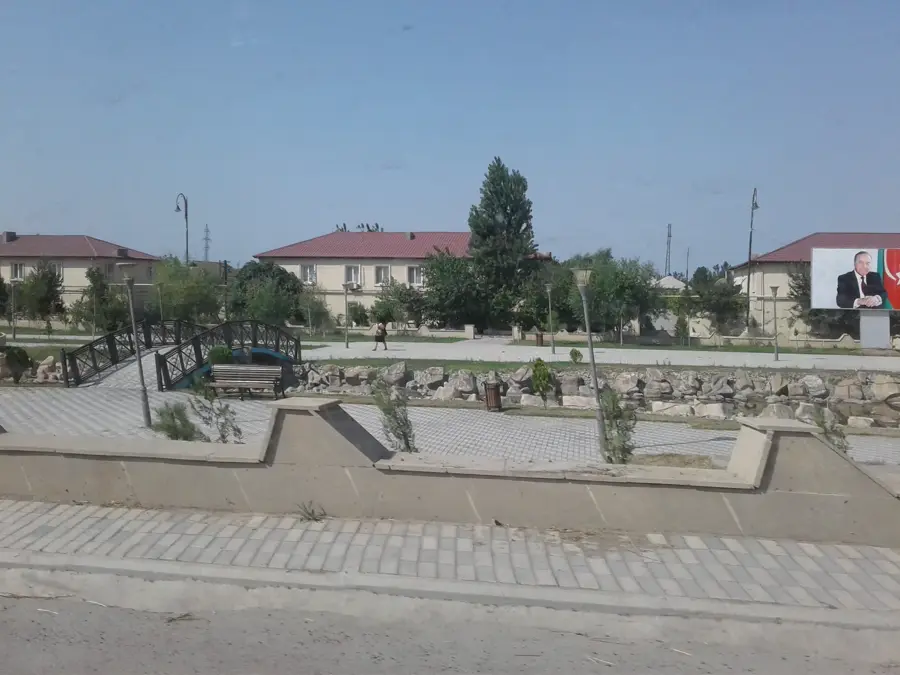
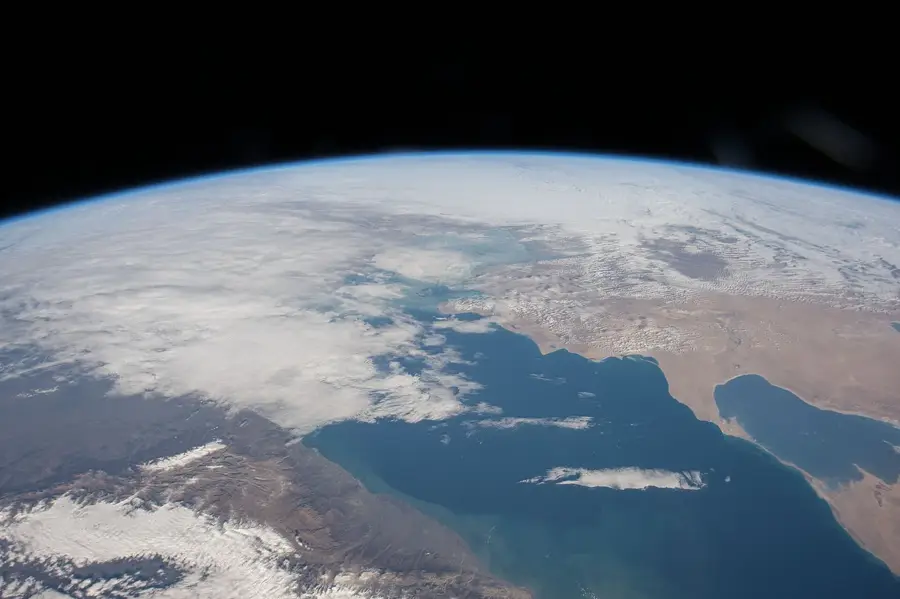
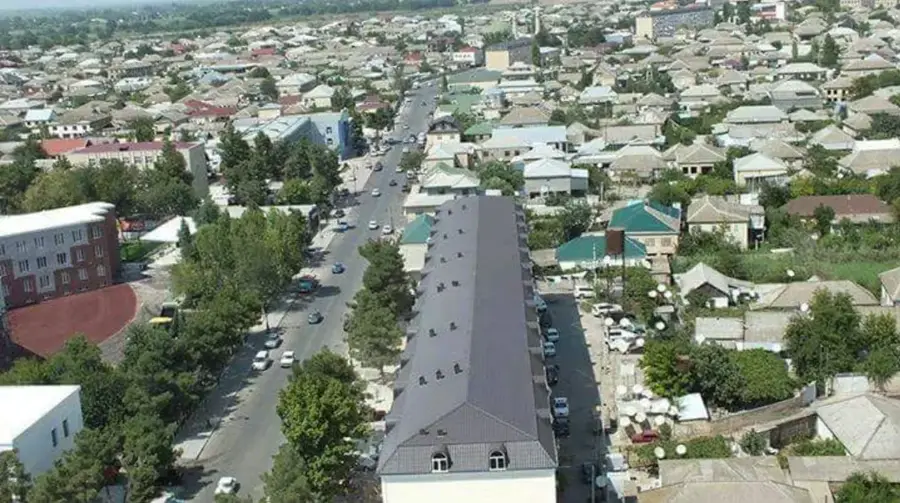
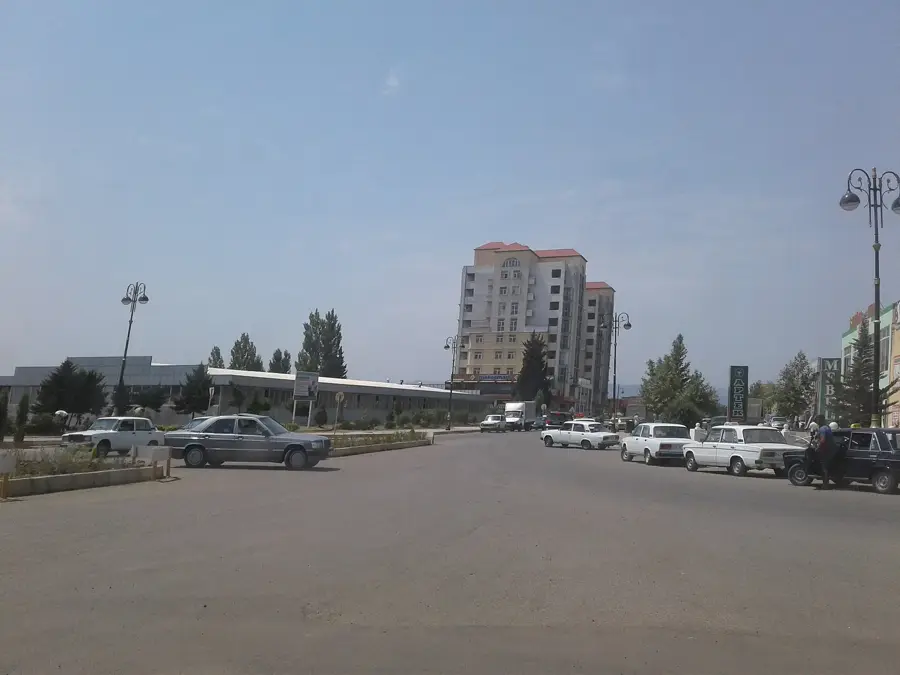
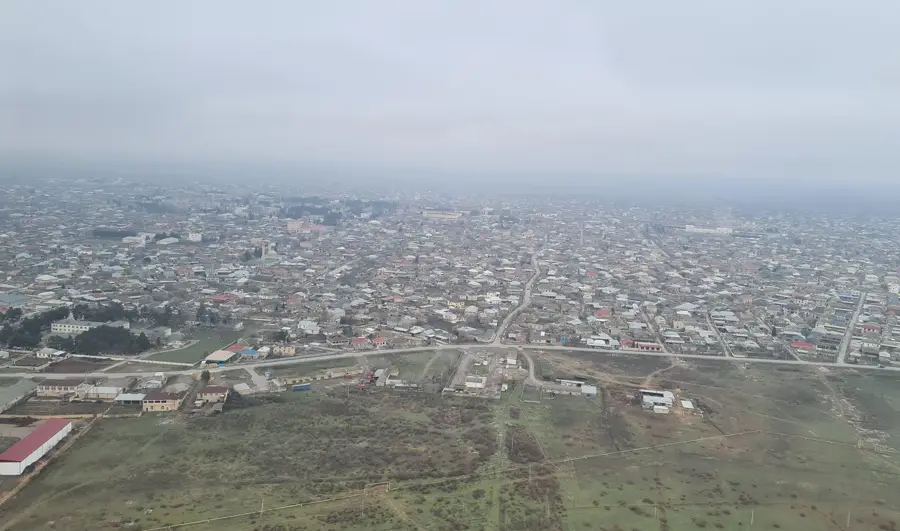
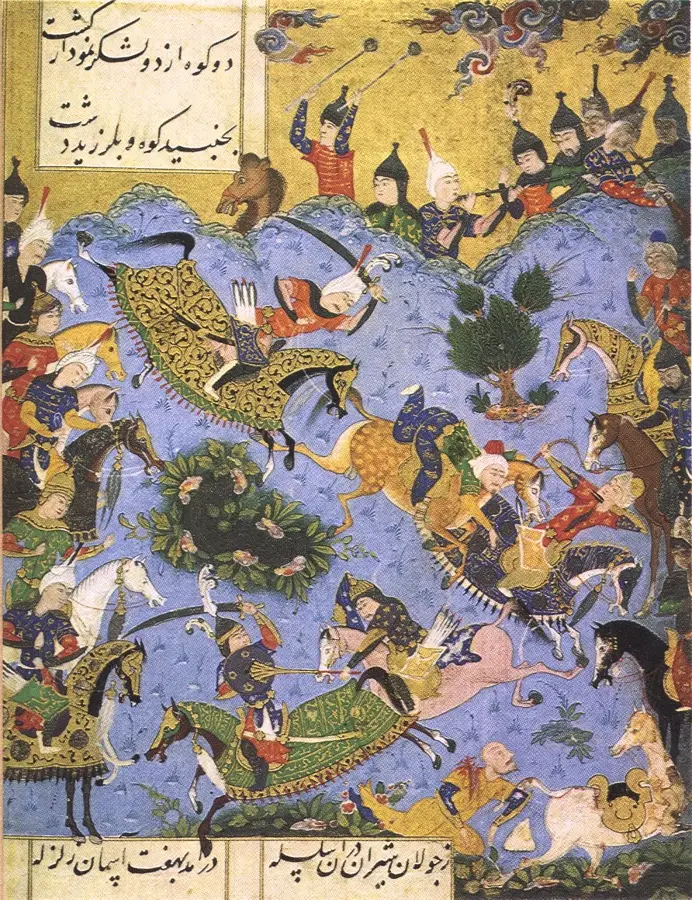
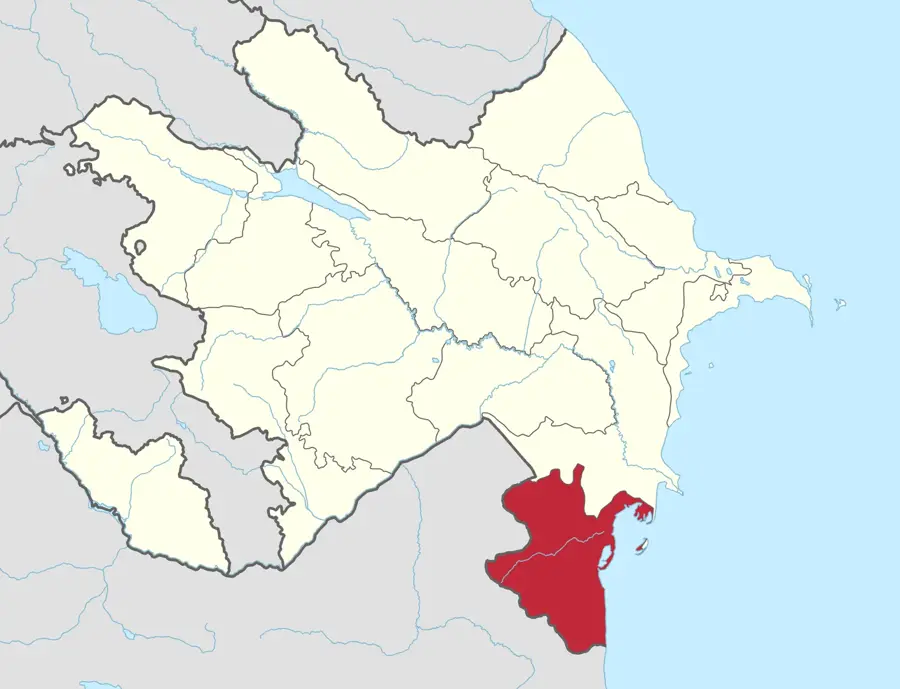
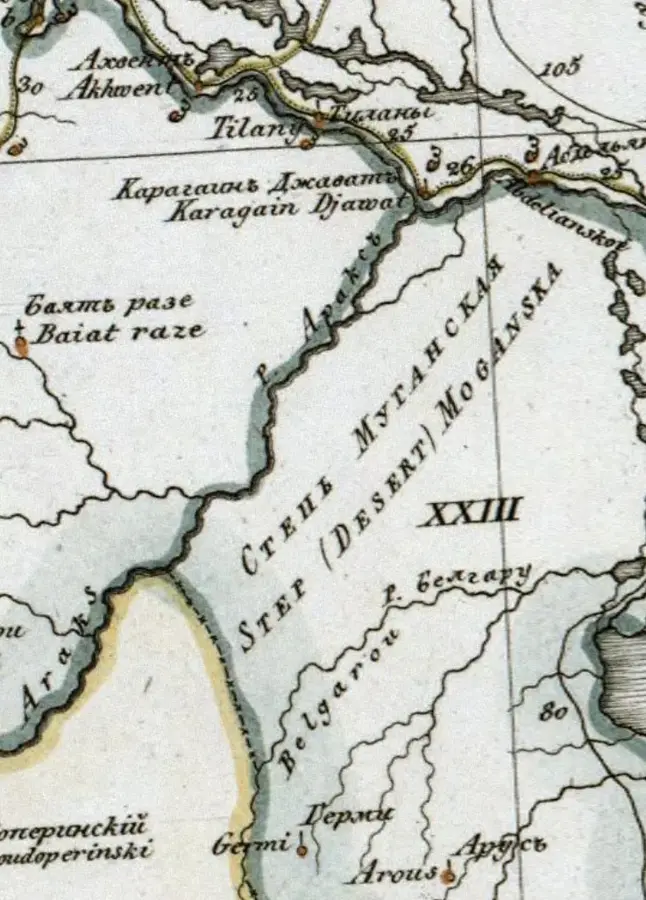
The Mughan Steppe extends across southeastern Azerbaijan between the Kura and Aras rivers and continues into Iran. It is a flat alluvial plain formed by the continuous deposition of river sediments. The climate is dry-subtropical, characterized by extremely hot summers and mild winters. Thanks to its fertile soils and intensive irrigation, the Mughan Steppe is one of the country's most vital agricultural regions, famous for growing cereals, cotton, and grapes. Historically, the steppe was a significant setting for major political events, such as the coronation of Nadir Shah in 1736. Today, the area is also of ecological interest as it serves as a wintering ground for numerous migratory bird species. Water management plays a decisive role here, with canals like the Mughan Canal forming the backbone of the regional economy.

Best time to visit & climate

The most pleasant time to visit is May, Jun, Sep.

JanFebMarAprMayJunJulAugSepOctNovDec
Avg °C661014212629282418127
Rain mm28303431251571240544930

📋 Practical info

🧭
Getting there
The steppe region is typically accessed by road, heading south from Baku towards the expansive agricultural and semi-desert zones near the Iranian border. Public transport is sparse, making a private vehicle or a hired driver the most practical way to traverse the vast plains.
📅
Best season
Spring and early autumn are generally the most comfortable seasons for visiting, offering milder temperatures and occasional touches of green across the arid landscape. Summer months bring intense, unrelenting heat, making prolonged outdoor exploration quite challenging.
⛰️
Terrain & paths
The landscape consists mostly of flat, dry plains punctuated by irrigated agricultural plots and irrigation canals spreading across the lowland basin. Navigating the area involves driving on rural roads that vary greatly in condition, with some areas being unpaved or dusty.
🎒
What to bring
Sun protection, wide-brimmed hats, and large reserves of drinking water are absolute necessities when venturing into this semi-desert climate. Comfortable clothing suitable for dusty environments and reliable navigation tools are highly recommended for the vast, uniform terrain.
🅿️
Parking
Parking is informal and generally abundant along rural roadsides, near farming communities, or adjacent to regional settlements. Due to the remote and agricultural nature of the region, formal parking lots are practically non-existent outside of larger towns.
⚠️
Safety
Temperatures can soar dangerously high during mid-summer, making dehydration and heat exhaustion the primary risks for visitors. Be cautious of agricultural machinery on narrow roads and respect international border zones if traveling near the southern limits.
⏱️
Time needed
A typical transit or brief exploration of the steppe generally takes a few hours while traveling between major southern cities or historical sites. Thoroughly experiencing the vast agricultural landscapes might comfortably occupy a long half-day excursion.

Geography

Coordinates
39.50000, 48.50000

Facts

  • The steppe is located between the lower reaches of the Kura and Aras rivers.
  • A portion of the Mughan Steppe is situated within Iranian territory.
  • Nadir Shah was crowned ruler in the Mughan Steppe in 1736.
  • The region is renowned for its high-quality cotton production.
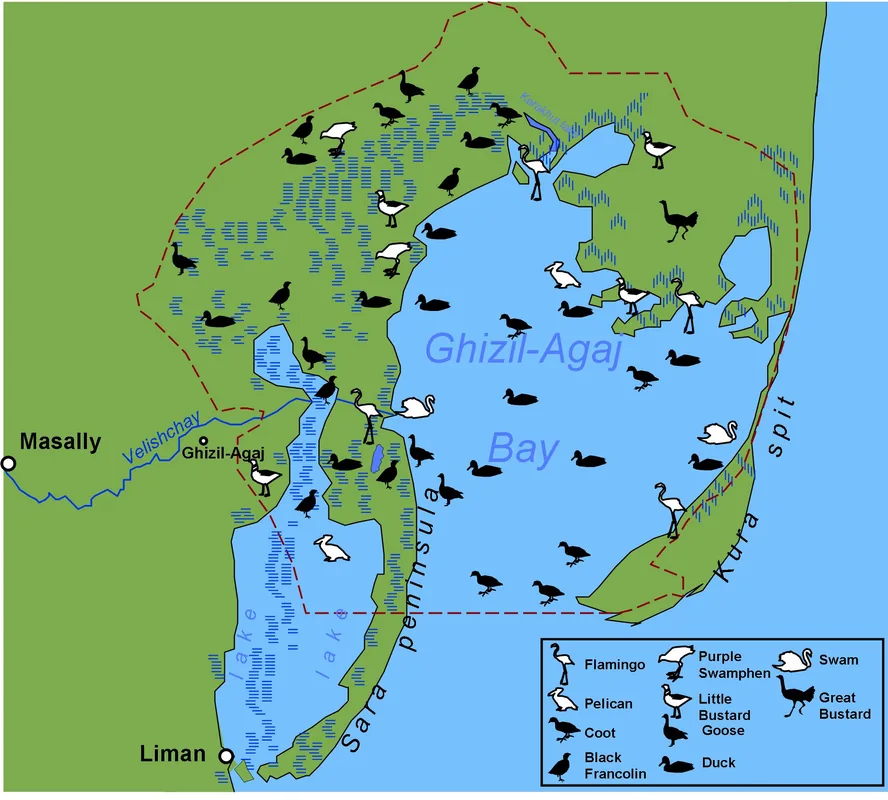
  • The steppe serves as an important wintering site for waterfowl.
  • Numerous irrigation canals crisscross the entire steppe region.

Explore nearby

Notable places around

Route planner — Car & Motorhome

Where do you start? We build the route here, with stops and country notes along the way.

Vehicle
Only stops with (optional):

© OpenStreetMap contributors · OpenRouteService

Sights in the town Mughan Steppe (3)

Gun@sli, Bilasuvar📍 landmark

Günəşli, Bilasuvar is a location in the Mughan Steppe, characterized by flat, dry grassland.

Çaylı, Bilasuvar📍 landmark

Çaylı, Bilasuvar lies in the Mughan Steppe, a plain with sparse vegetation.

Ağayrı📍 landmark

Ağayrı is a settlement in the Mughan Steppe, surrounded by wide, open areas.

Sights nearby

Frequently asked questions

What is special about the Mughan-Steppe?
Its enormous biodiversity and historical importance as a trade route.
Can you go on safaris there?
There are no organized safaris, only guided nature observations.
Is it family-friendly?
No, the area is too wild and undeveloped for young children.
What is the best season?
Spring is convenient to experience the lush vegetation.
How is the infrastructure?
Very limited; you should bring everything necessary.
Mughan Steppe: where is it located?
Mughan Steppe is located in Azerbaijan.
Mughan Steppe: what is there to see?
Highlights include Gun@sli, Bilasuvar, Çaylı, Bilasuvar, Ağayrı.
Mughan Steppe: when is the best time to visit?
The most pleasant time to visit is May, Jun, Sep.
Mughan Steppe: why is it worth visiting?

The Mughan Steppe extends across southeastern Azerbaijan between the Kura and Aras rivers and continues into Iran.
View on map → The Top 50 Attractions → OpenStreetMap →
Asia
Explore with Plizio Discover more places in Asia
More places in Azerbaijan →

Nearby cities

More places