Plizio Visual Lab

Zangezur National Park
Plizio editorial teamData Sources
national-park
—°3
Zangezur National Park (Azerbaijan)

Weather…

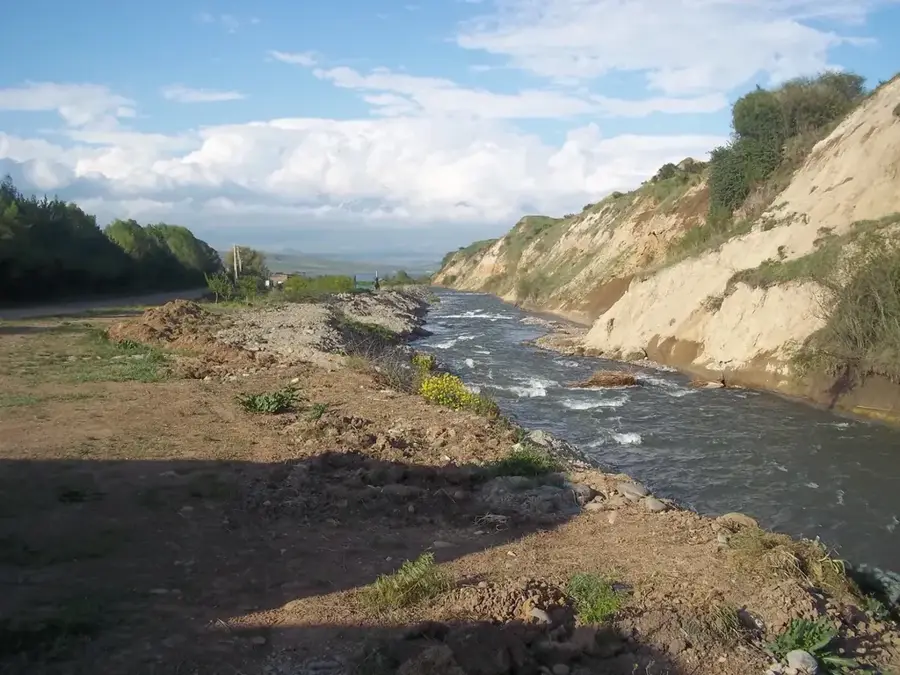
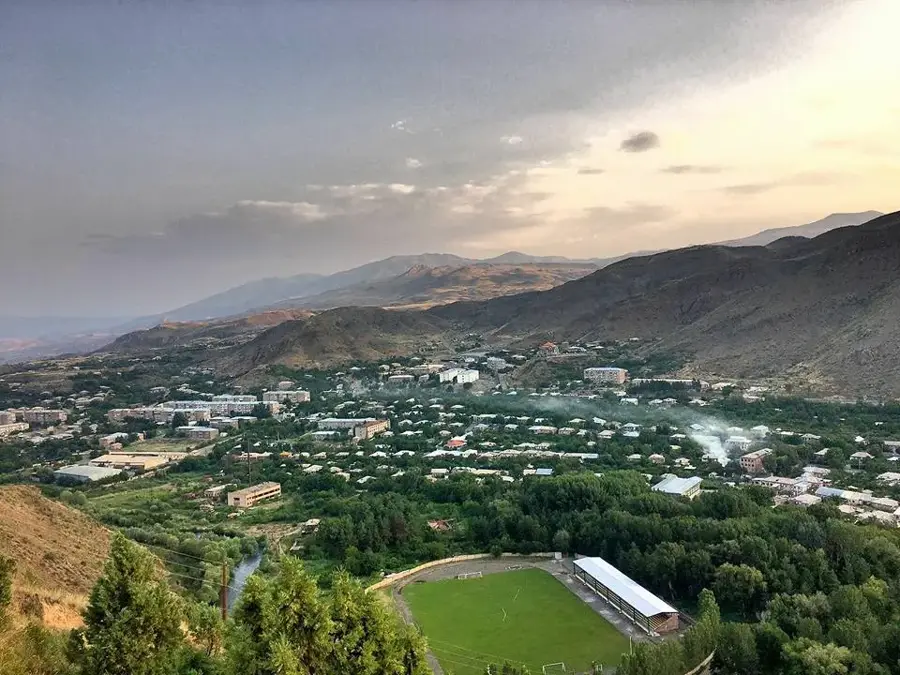
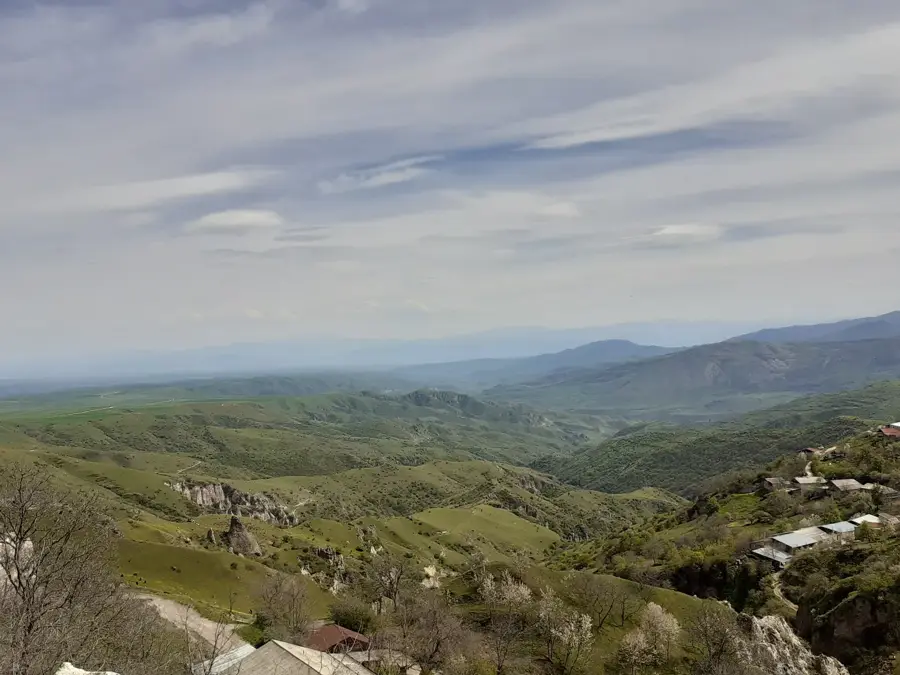
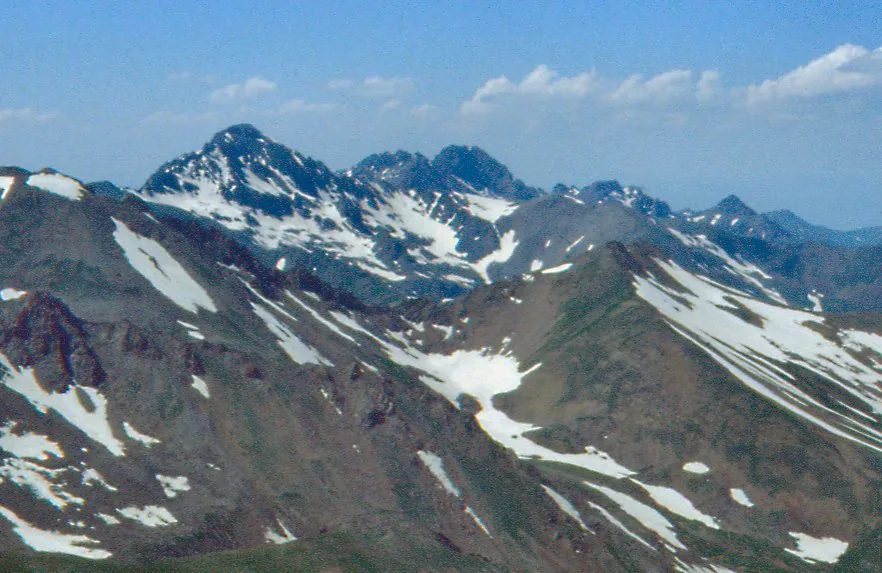
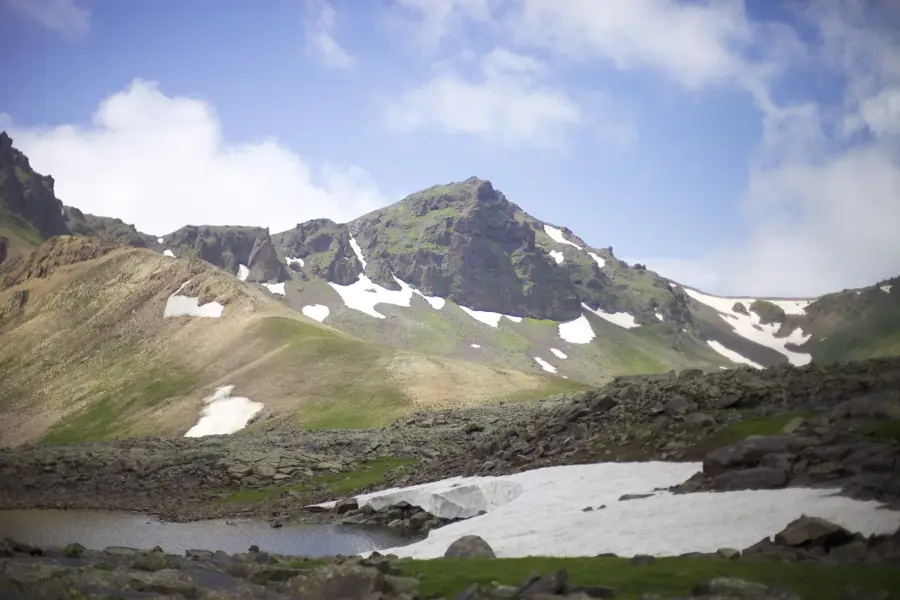
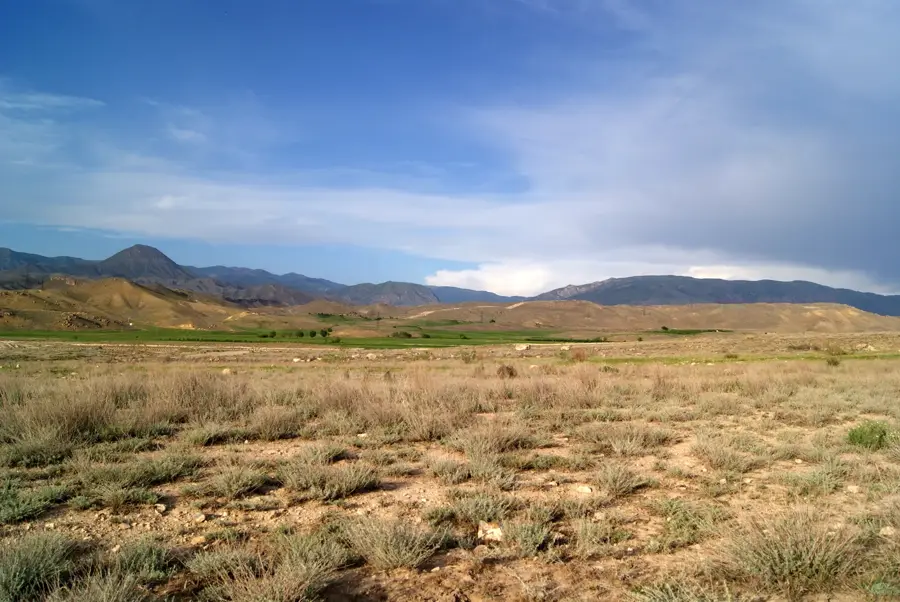
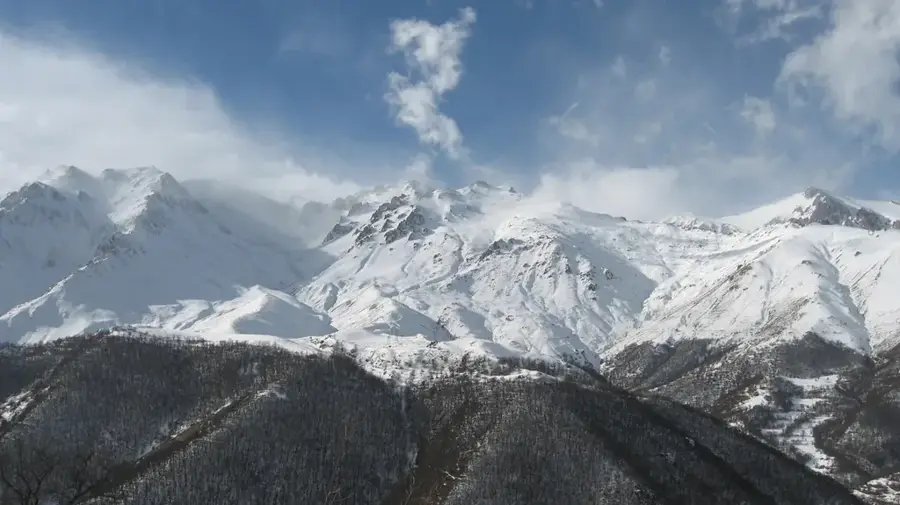
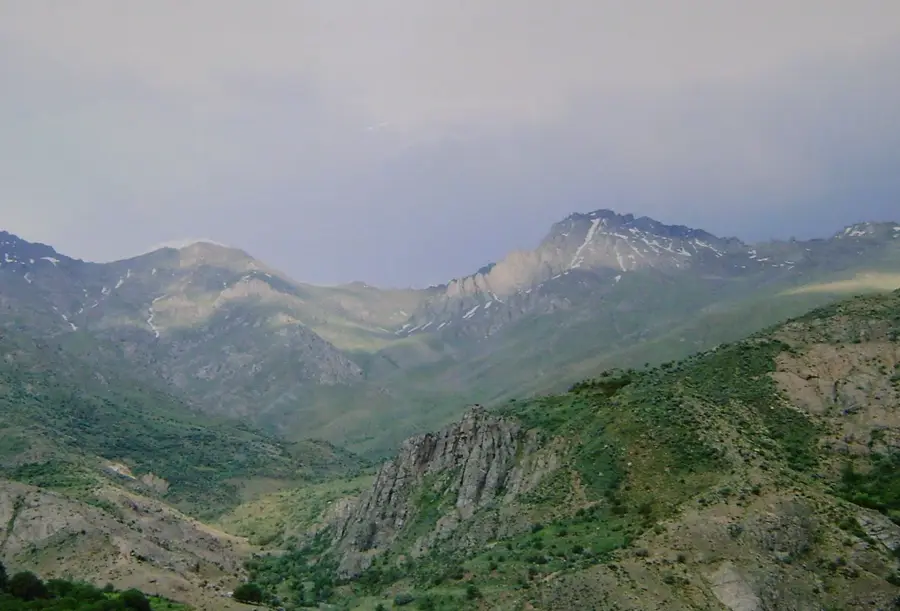
Zangezur National Park is located in the Ordubad district of the Nakhchivan Autonomous Republic, covering a significant portion of the rugged Zangezur Mountains. Originally established in 2003 as Ordubad National Park, it was expanded and renamed in 2009 to honor Academician Hasan Aliyev. The park's terrain is characterized by its high-altitude peaks, with Mount Qapijiq rising to 3,905 meters, and deep, rocky canyons. It is globally recognized as a critical habitat for the Persian leopard, one of the rarest big cats in the world, which finds refuge in its inaccessible mountain reaches. The park is also home to other endangered species such as the Armenian mouflon and the Bezoar goat. Due to Nakhchivan's unique continental climate, the flora includes many endemic species that have evolved to survive hot, dry summers and freezing winters. The park spans over 42,000 hectares, providing a transboundary ecological corridor that is essential for the movement of wildlife across the Lesser Caucasus. Its isolation and challenging topography have helped preserve its pristine nature from significant human impact.

Best time to visit & climate

The most pleasant time to visit is Jun–Aug.

JanFebMarAprMayJunJulAugSepOctNovDec
Avg °C-4-2371317201916103-2
Rain mm17183141422011714262319

📋 Practical info

🧭
Getting there
Access to this remote mountainous region is normally via the city of Nakhchivan, from where off-road vehicles are typically used to reach the mountains. Due to the border proximity and strict protection status, prior permission is often strictly required.
📅
Best season
Late spring and early summer are generally considered the absolute best times to undisturbed observe the diverse flora and fauna of the park. During deep winter, vast sections of the park can become completely inaccessible due to heavy seasonal snowfalls.
⛰️
Terrain & paths
The terrain is extremely rugged, rocky, and often very trackless, making any off-trail exploration an enormous physical challenge for most visitors. Maintained hiking trails are virtually nonexistent, which is why accompaniment by local guides is common.
🎒
What to bring
Visitors absolutely require excellent maps, highly durable mountaineering boots, and appropriate layered clothing for sudden unpredictable weather changes. A good pair of binoculars is essentially required to spot rare wildlife across this expansive landscape.
🅿️
Parking
Regular tourist parking lots are practically nonexistent in this isolated wilderness, as visitors mostly arrive with organized tours or hired local drivers anyway. Transport vehicles are usually just parked at agreed-upon checkpoints or within nearby villages.
⚠️
Safety
Due to the extreme isolation and the frequently nonexistent mobile network coverage, it is highly advisable never to venture alone deep into the backcountry. Proximity to the sensitive state border also requires strict compliance with all official regulations.
⏱️
Time needed
For meaningful wildlife observation or an extended hike, one should typically plan to spend one to two full days accompanied by an experienced local guide. Shorter stays are hardly worth it considering the often very arduous and long travel time required.

Geography

Coordinates
39.11670, 45.98330

Facts

  • The park was established in 2003 and later expanded to its current size in 2009.
  • It covers a total land area of 42,797 hectares in Nakhchivan.
  • Mount Qapijiq, at 3,905 meters, is the highest point in the park and the region.
  • The park is a key sanctuary for the endangered Persian leopard.
  • Approximately 58 species of mammals inhabit the park's diverse landscapes.
  • It was named in honor of Academician Hasan Aliyev, a prominent scientist.

Explore nearby

Notable places around

Route planner — Car & Motorhome

Where do you start? We build the route here, with stops and country notes along the way.

Vehicle
Only stops with (optional):

© OpenStreetMap contributors · OpenRouteService

Sights in the town Zangezur National Park (3)

Sarıqaya🌿 nature

The mountain is known for its striking yellowish rock formations within the protected parkland.

Potıkingədik🌿 nature

A prominent summit in the Zangezur National Park, surrounded by alpine flora and fauna.

Piyasbashi🌿 nature

This elevation has panoramic views over the untouched wilderness of the national park.

Sights nearby

Frequently asked questions

Is Zangezur National Park good for hiking?
Yes, there are spectacular routes in an impressive mountain landscape.
Are there rare animals there?
Yes, the park is home to the very rare leopard and bezoar goats.
Is the park accessible all year?
Due to the high alpine climate, many trails are closed in winter.
Do you need a visa to visit the park?
A tourist visa for Azerbaijan is sufficient for the visit.
Where can I find information on hiking maps?
Information is available at the visitor center at the park entrance.
Zangezur National Park: where is it located?
Zangezur National Park is located in Azerbaijan.
Zangezur National Park: what is there to see?
Highlights include Sarıqaya, Potıkingədik, Piyasbashi.
Zangezur National Park: when is the best time to visit?
The most pleasant time to visit is Jun, Aug.
Zangezur National Park: why is it worth visiting?

Zangezur National Park is located in the Ordubad district of the Nakhchivan Autonomous Republic, covering a significant portion of the rugged Zangezur Mountains.
View on map → The Top 50 Attractions → OpenStreetMap →
Asia
Explore with Plizio Discover more places in Asia
More places in Azerbaijan →

Nearby cities

History & landmarks
Nature
More places