Plizio Visual Lab
Heiligenblut
ℹ️Practical info — Heiligenblut
▾
🌤 Weather — 5 days
📍 Nearby
Sights nearby
💡 Tips
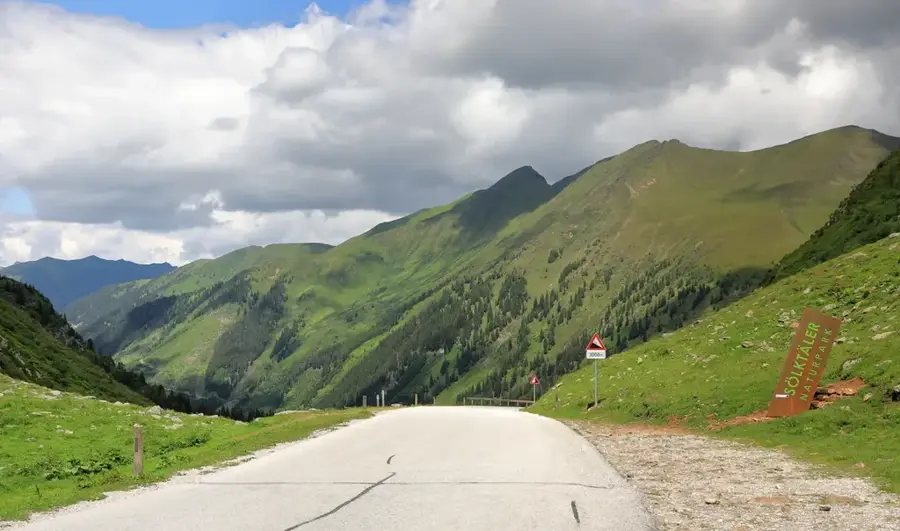
- The Grossglockner High Alpine Road requires a toll; start early in the morning to avoid the heavy midday motorcycle and camper traffic.
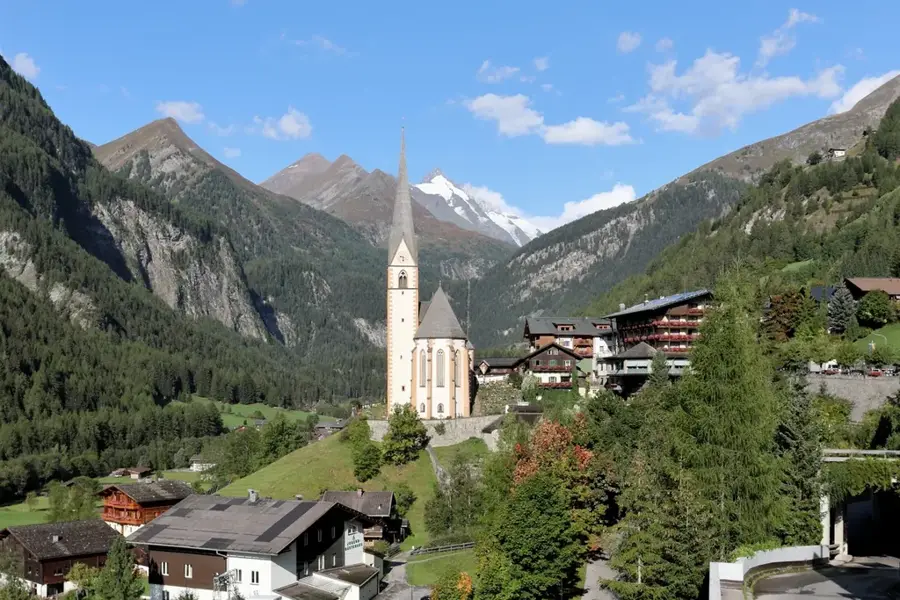
- The iconic photo of the St. Vincent church with the Grossglockner in the background is best taken from the slightly elevated road at the southern entrance to the village.
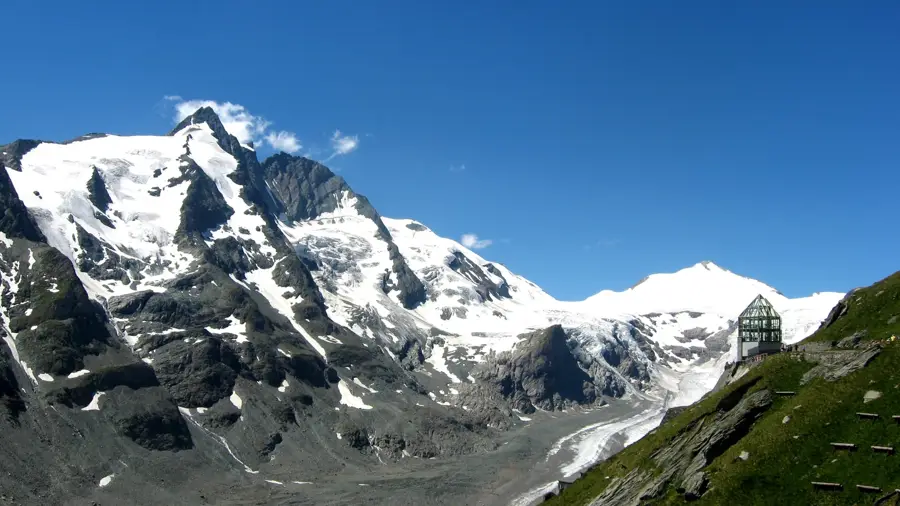
- Dress in layers, as the cold wind near the Pasterze glacier drops the perceived temperatures drastically.
- Public parking in the village is limited and often paid; check with your accommodation beforehand about parking options.
🍽 Food
Order this hearty regional stuffed pasta specialty at the traditional guesthouses around the village square.
A great, traditional cold cut and cheese platter that you can enjoy at the alpine huts along the hiking trails.
This classic sweet shredded pancake dish is served after a strenuous hike in almost every local Alpine inn.
🛍 Shopping · 🧘 Quiet spots
Buy local alpine cheese and traditionally smoked bacon at the small farm shops down in the valley.
Look for locally produced herbal teas, ointments, and balms from the Hohe Tauern region in the village center shops.
Take a moderate hike to this impressive, secluded waterfall, situated far away from the traffic noise of the High Alpine Road.
Visit this peaceful, beautifully maintained graveyard by the church dedicated to fallen alpinists, which has an incredible panorama.
Water temperature…
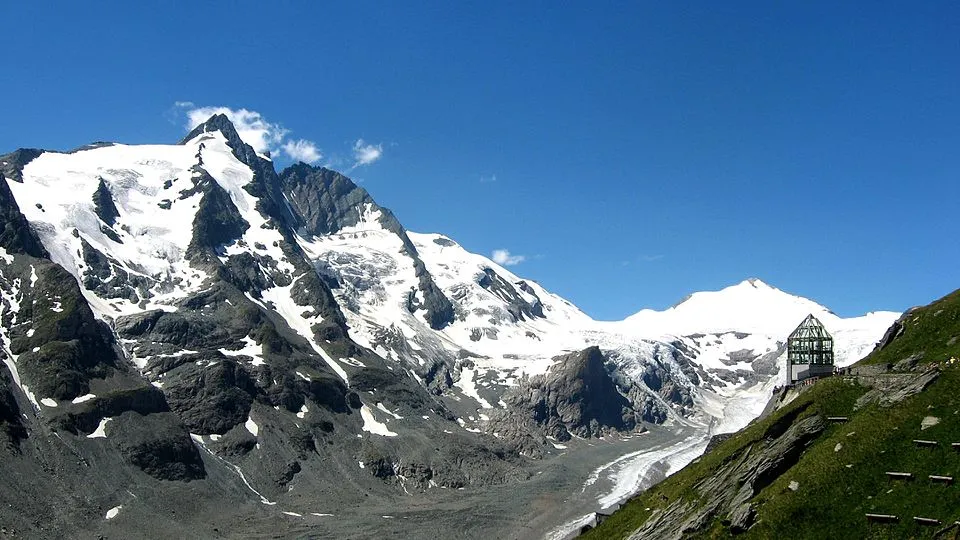
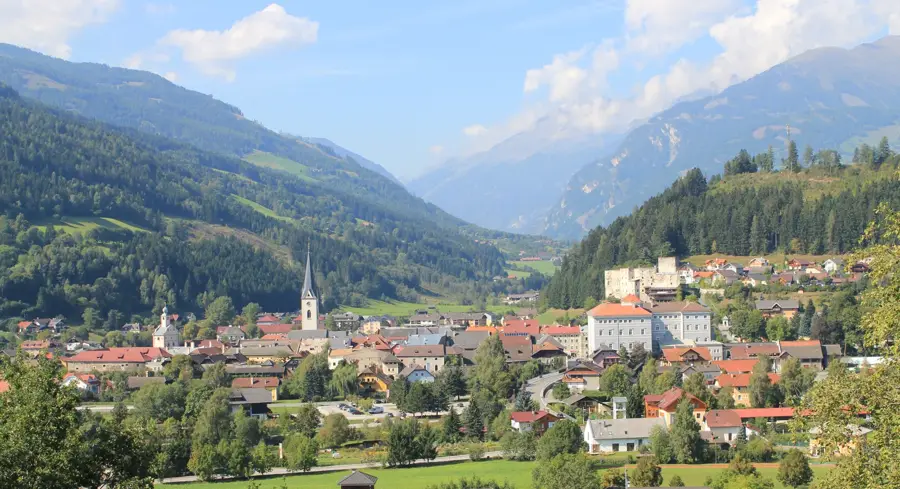
Heiligenblut am Großglockner is a municipality in Carinthia and is considered one of the most easy on the eye villages in the Alps. The landmark of the village is the Gothic pilgrimage church of St. Vincent, whose striking pointed spire set against the backdrop of the Großglockner, Austria's highest mountain, forms a world-famous photographic motif. The village's name dates back to a legend from 914 AD, stating that the Danish Prince Briccius brought a vial of Christ's holy blood here and was miraculously found after perishing in an avalanche. The church houses a significant winged altar by Michael Pacher from 1491. Historically, Heiligenblut was a center of gold mining in the Hohe Tauern range before developing into a starting point for alpinism. Today, the village is a major tourism hub in the Hohe Tauern National Park and the starting point for the Grossglockner High Alpine Road.
- Location: Carinthia, Austria
- Top sights: Haus der Steinböcke · Bergsteigerdenkmal · Filialkirche Pockhorn
- Nearby: Grossglockner High Alpine Road (5 km)
- Population: ~1.069
Best time to visit & climate
The most pleasant time to visit is Jun–Aug.
| Jan | Feb | Mar | Apr | May | Jun | Jul | Aug | Sep | Oct | Nov | Dec | |
|---|---|---|---|---|---|---|---|---|---|---|---|---|
| Avg °C | -8 | -7 | -3 | 2 | 7 | 11 | 13 | 13 | 8 | 4 | -1 | -6 |
| Rain mm | 59 | 55 | 71 | 82 | 127 | 151 | 167 | 175 | 126 | 106 | 96 | 70 |
Geography
Facts
- Elevation: 1,288 meters above sea level
- Gothic Church of St. Vincent (built 1460–1491)
- Briccius legend dating to 914 AD
- Home to the Michael Pacher altar
- Former center of gold mining
- Gateway to the Hohe Tauern National Park
Explore nearby
Notable places around
Route planner — Car & Motorhome
Where do you start? We build the route here, with stops and country notes along the way.
© OpenStreetMap contributors · OpenRouteService
Sights in the town Heiligenblut (5)
Frequently asked questions
What is the most famous photo motif in Heiligenblut?
How do I get from Heiligenblut to Kaiser-Franz-Josefs-Höhe?
Is there gold in Heiligenblut?
Is Heiligenblut a good place for skiers?
Why is the place called Heiligenblut?
Heiligenblut: where is it located?
Heiligenblut: what is there to see?
Heiligenblut: when is the best time to visit?
Heiligenblut: why is it worth visiting?

Nearby cities
History & landmarks
More places