Plizio Visual Lab
San Luis
ℹ️Practical info — San Luis
▾
🌤 Weather — 5 days
📍 Nearby
Sights nearby
💡 Tips
- The city provides free public Wi-Fi in many plazas and central municipal areas.
- Afternoon siestas are strictly observed; many shops close completely between 1:00 PM and 5:00 PM.
- San Luis is a well-suited base for exploring nearby natural wonders like Potrero de los Funes.
- The regional climate is very dry; remember to stay hydrated and use sunscreen, even on cooler days.
🍽 Food
Roasted goat is a famous regional specialty; try it at a traditional restaurant in the center or nearby towns.
Local empanadas often made with a slightly sweeter dough and distinct regional spices.
A hearty traditional corn and meat stew, especially popular during the winter months or on national holidays.
🛍 Shopping · 🧘 Quiet spots
The main walking street in the center for everyday shopping and local boutiques.
The best place to find locally made woven textiles, ceramics, and regional woodwork.
A large, well-maintained urban park with sports facilities and calm walking paths.
A quiet reservoir just outside the city limits, offering peaceful spots right by the water.
Water temperature…
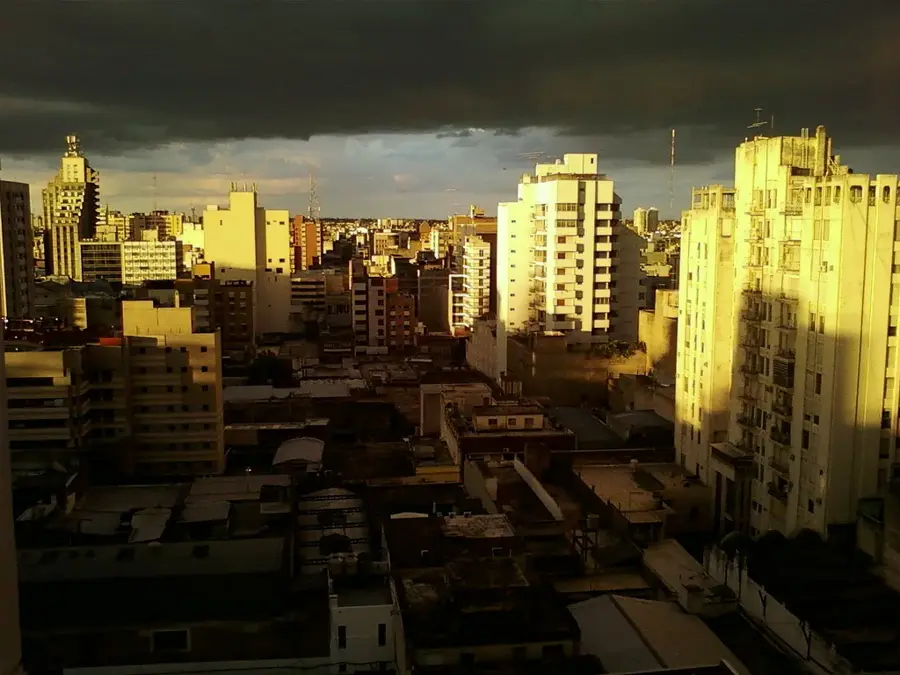
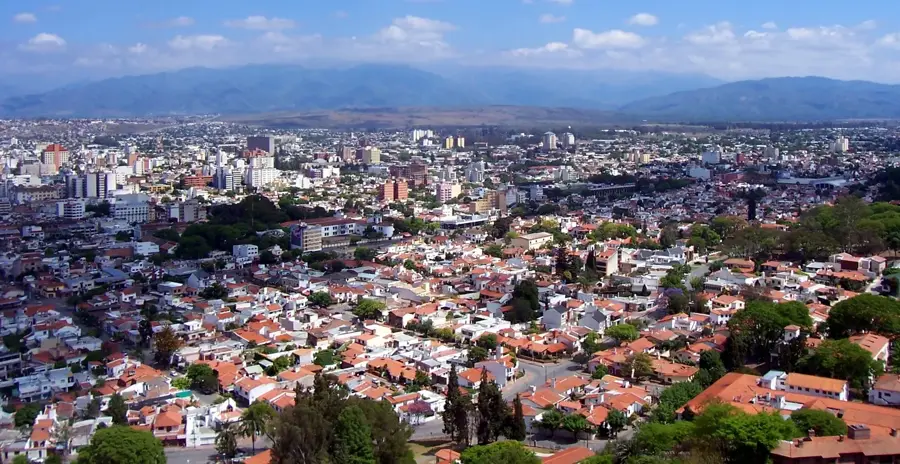
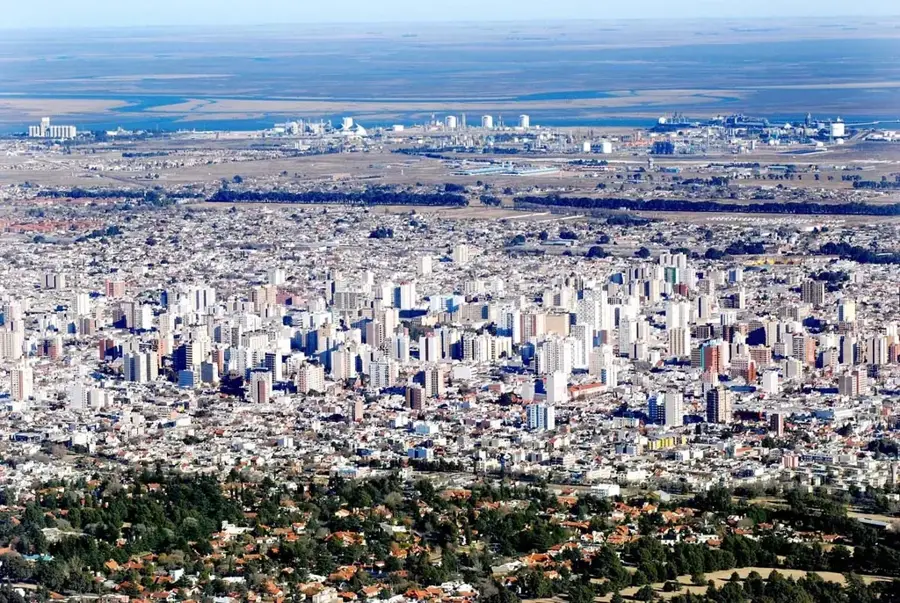
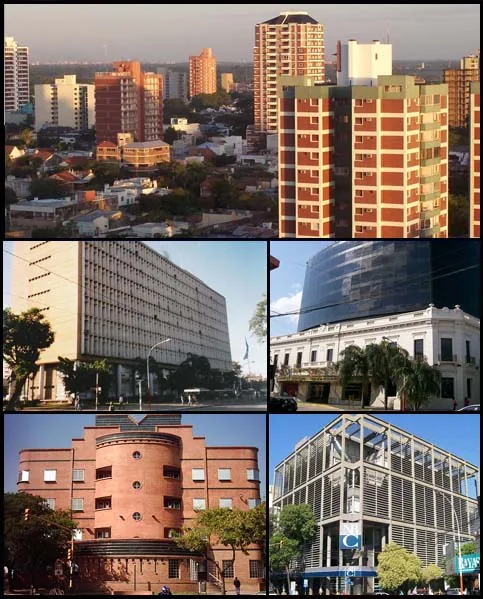
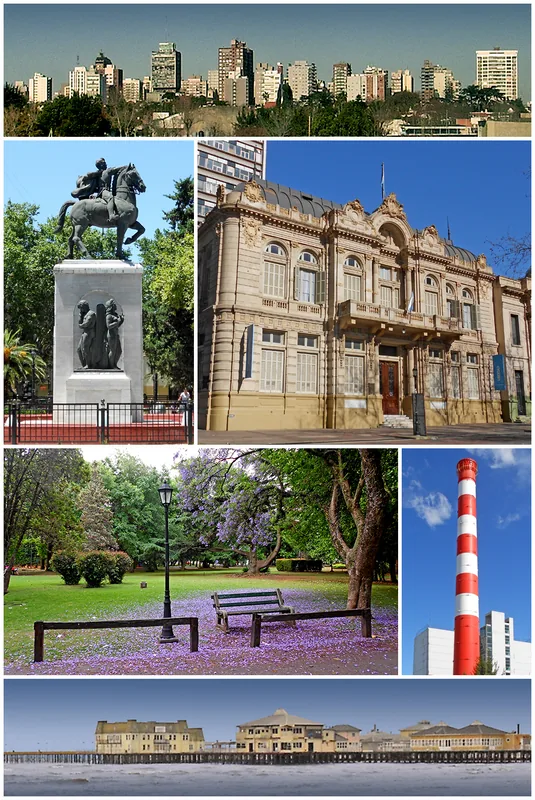
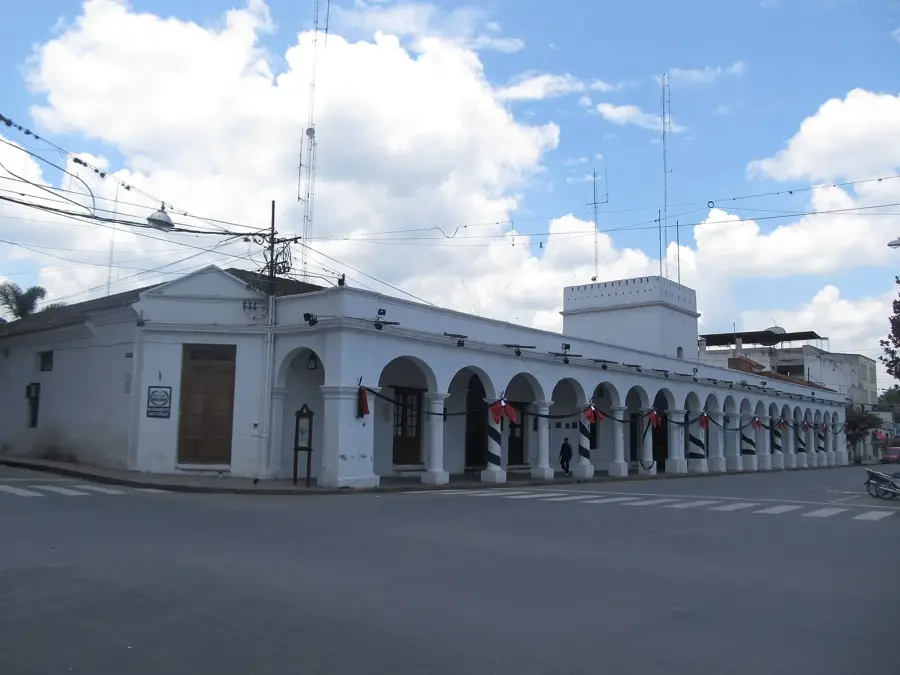
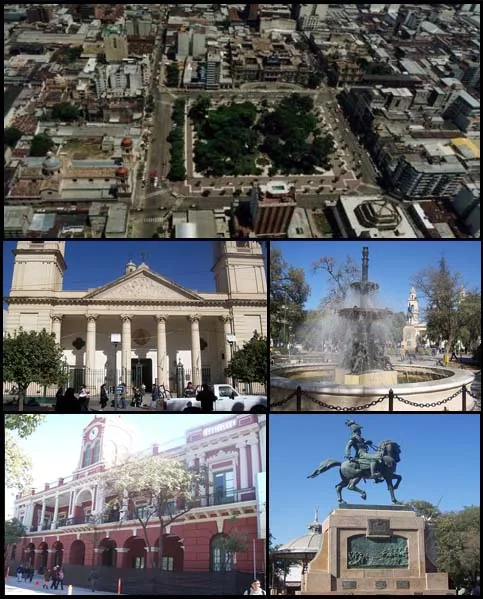
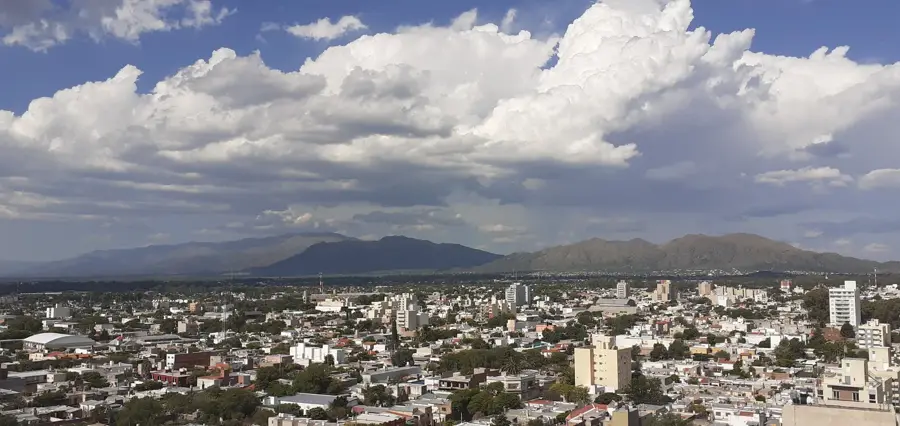
San Luis is the capital city of the San Luis Province in central Argentina, strategically located at the foot of the Sierras Grandes mountains. Founded on August 25, 1594, by Luis Jufré de Loaysa y Meneses, it is one of the nation's oldest settlements, though its early years were marked by frequent relocations due to tribal conflicts and seasonal floods. Today, the city is a testament to successful industrial decentralization in Argentina, having transformed from a quiet agricultural town into a major manufacturing and technological hub over the last few decades. San Luis is famous for its 'San Luis Digital' initiative, which provided the entire population with free internet access long before it became a global standard, earning it a reputation as Argentina's digital capital. The city's geography provides a semi-arid climate that is well-suited for outdoor activities, with the nearby Potrero de los Funes lake serving as a popular weekend destination for its residents. The urban core is centered around Plaza Pringles, named after local independence hero Juan Pascual Pringles, and features the neoclassical Cathedral of San Luis. Economically, the city benefits from a unique provincial tax incentive scheme that has attracted large-scale textile, plastic, and food processing factories. The National University of San Luis (UNSL) is a major academic institution, particularly noted for its contributions to the chemical and biological sciences. In recent years, the city has invested heavily in sustainable architecture, exemplified by the 'Terrazas del Portezuelo', a state-of-the-art green administrative complex. As a gateway to the scenic Sierras and a central point on the highway connecting the Atlantic and Pacific corridors, San Luis continues to blend its colonial heritage with a forward-thinking approach to urban development and digital inclusion.
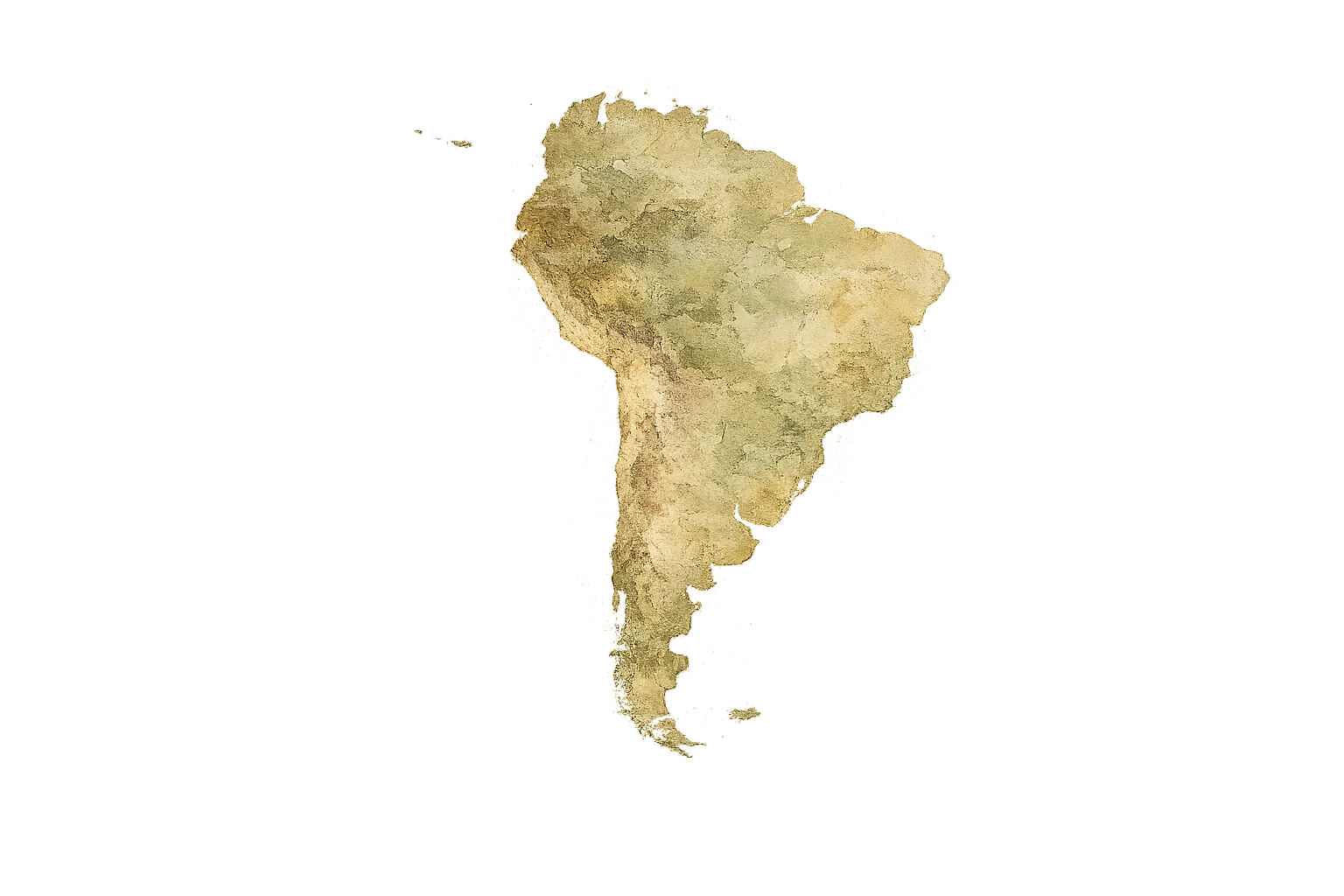
- Location: Argentina
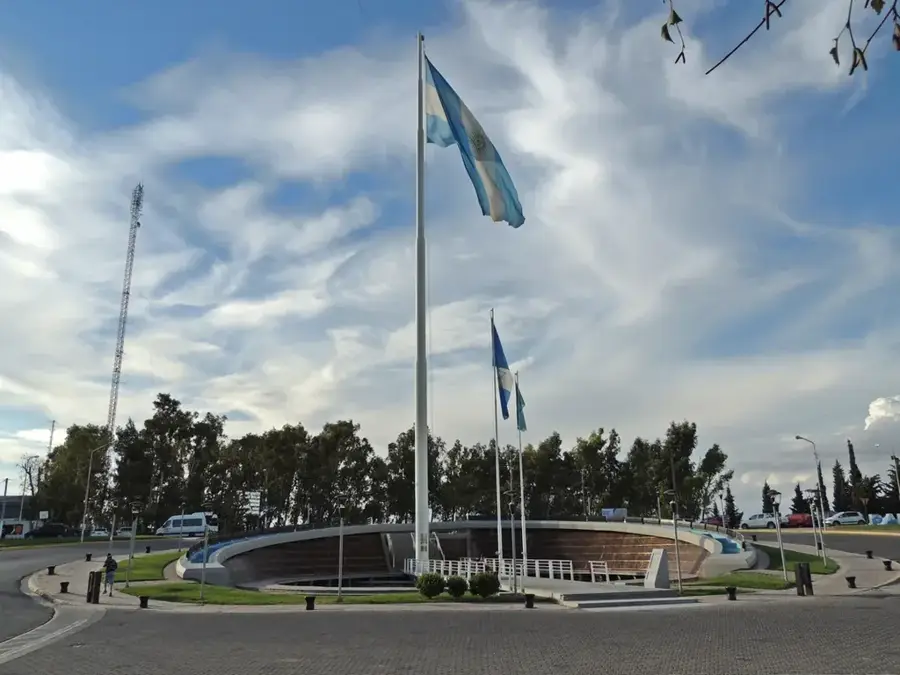
- Top sights: Monumento al Pueblo Puntano de la Independencia · Anfiteatro del Rio · Museo Histórico de San Luis
- Nearby: Potrero de los Funes (12 km)
- Population: ~169.947 (2026)
Best time to visit & climate
The most pleasant time to visit is Mar, Oct, Nov.
| Jan | Feb | Mar | Apr | May | Jun | Jul | Aug | Sep | Oct | Nov | Dec | |
|---|---|---|---|---|---|---|---|---|---|---|---|---|
| Avg °C | 25 | 23 | 21 | 16 | 12 | 9 | 8 | 11 | 14 | 18 | 21 | 23 |
| Rain mm | 127 | 113 | 84 | 50 | 23 | 5 | 9 | 9 | 23 | 52 | 92 | 107 |
Live webcam – San Luis
See what it looks like near San Luis right now.
San Luis › North-west: UNSL · 0.6 km · Open webcam on Windy · Webcams provided by Windy.com
Geography
Facts
- San Luis was founded on August 25, 1594, as San Luis de Loyola Nueva Medina de Río Seco.
- The city sits at an elevation of 709 meters (2,326 feet) in the Cuyo region.
- San Luis is known as the 'Digital Province' for its early 100% connectivity goal.
- The Cathedral of San Luis was designated a National Historic Landmark.
- The nearby Potrero de los Funes circuit hosted the FIA GT Championship in 2008.
- The city's economy was boosted by the Industrial Promotion Law enacted in 1982.
- San Luis serves as a key logistics point between Buenos Aires and Mendoza.
- The 'Terrazas del Portezuelo' complex is a LEED-certified government building.
Route planner — Car & Motorhome
Where do you start? We build the route here, with stops and country notes along the way.
© OpenStreetMap contributors · OpenRouteService
Sights in the town San Luis (14)
Frequently asked questions
How many days do you need in San Luis?
What is the best time to visit San Luis?
How do you get to San Luis?
What is San Luis known for?
Is San Luis family-friendly?
San Luis: where is it located?
San Luis: what is there to see?
San Luis: when is the best time to visit?
San Luis: why is it worth visiting?
Nearby cities