Plizio Visual Lab
San Juan
ℹ️Practical info — San Juan
▾
🌤 Weather — 5 days
📍 Nearby
Sights nearby
💡 Tips
- The Zonda wind can be strong and hot; check the forecast before planning mountain trips.
- Wineries here are less crowded than in Mendoza; book a tour in the Tulum Valley.
- Visit the Ischigualasto Provincial Park (Valley of the Moon), but start early to beat the heat.
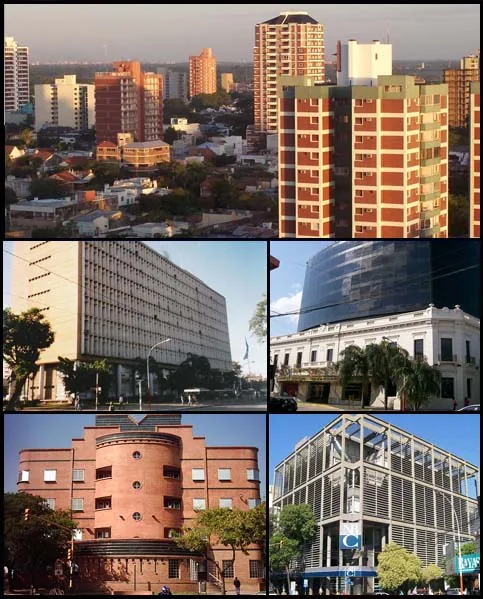
- The city was rebuilt after an earthquake, so the architecture is surprisingly modern.
🍽 Food
This unique local beef cut is highly recommended at local parrillas.
Try this flagship local wine at regional bodegas.
Enjoy this fried dough in the afternoon with mate at local cafes.
🛍 Shopping · 🧘 Quiet spots
Buy direct from local producers or specialized shops in town.
Discover quality bottles in wine shops located in the city center.
A large, green park excellent for relaxing and escaping the sun.
A reservoir a short drive away, great for a peaceful lakeside afternoon.
Water temperature…
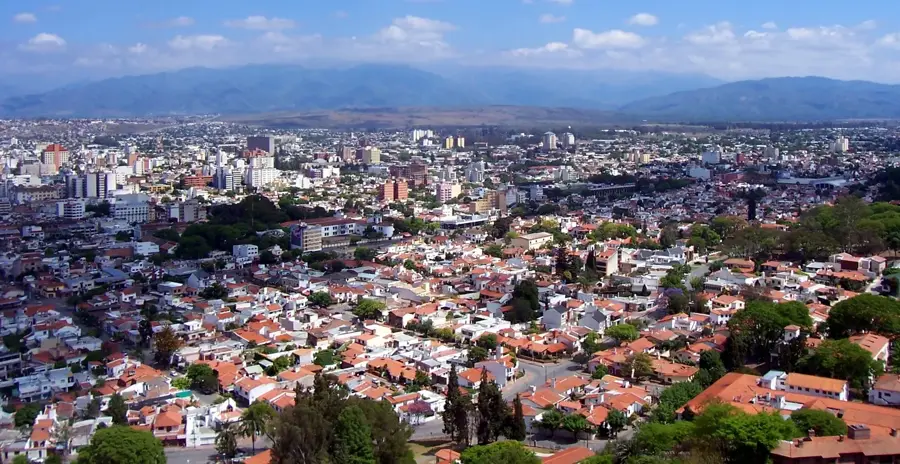
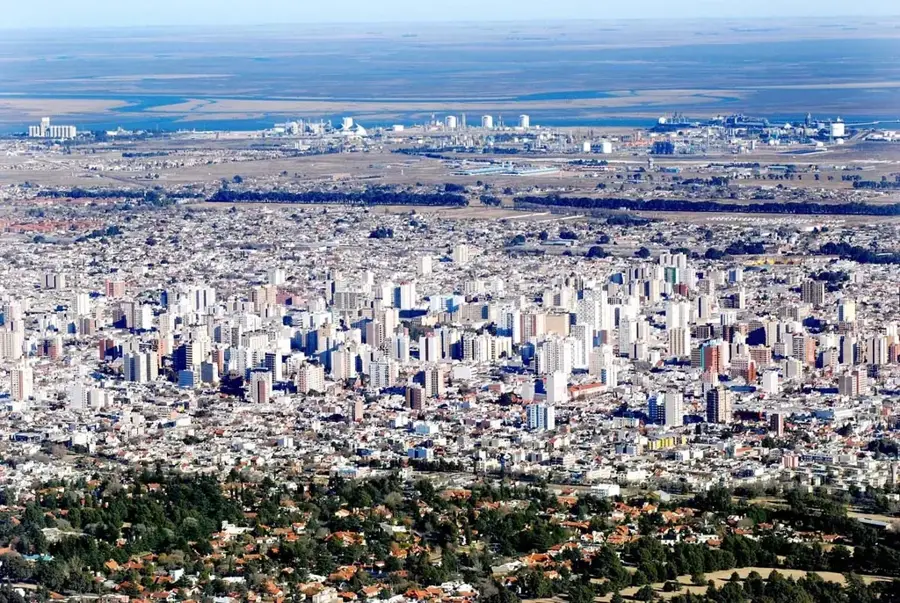
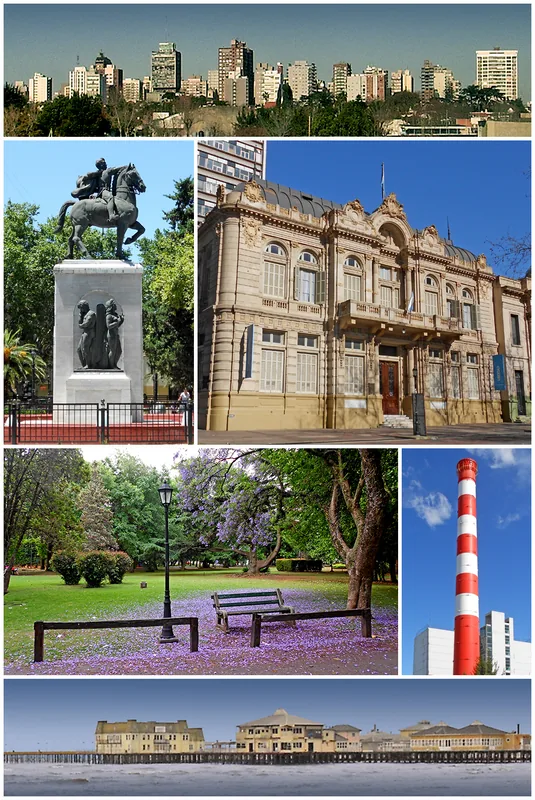
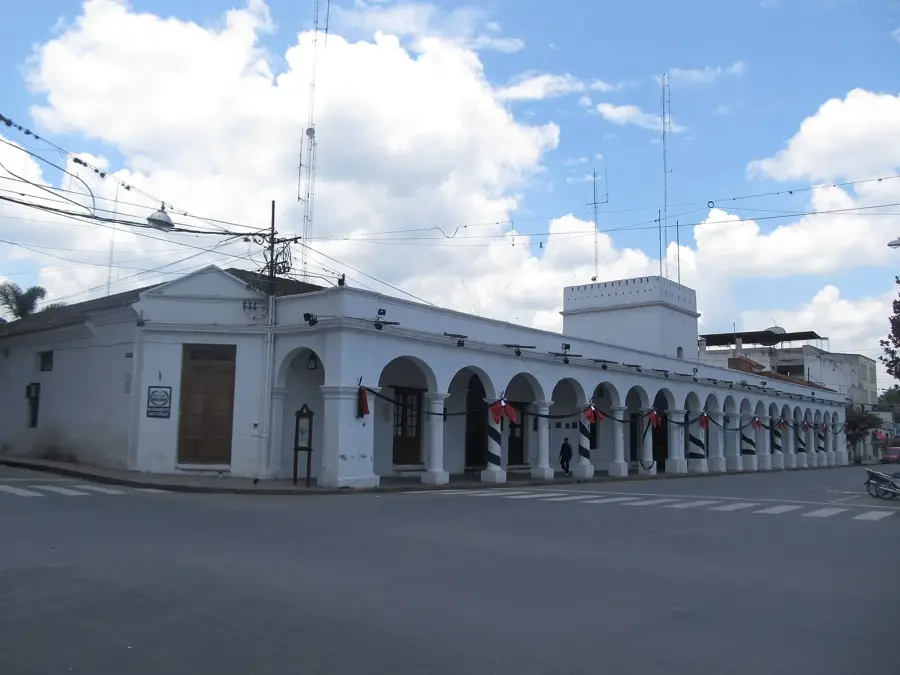
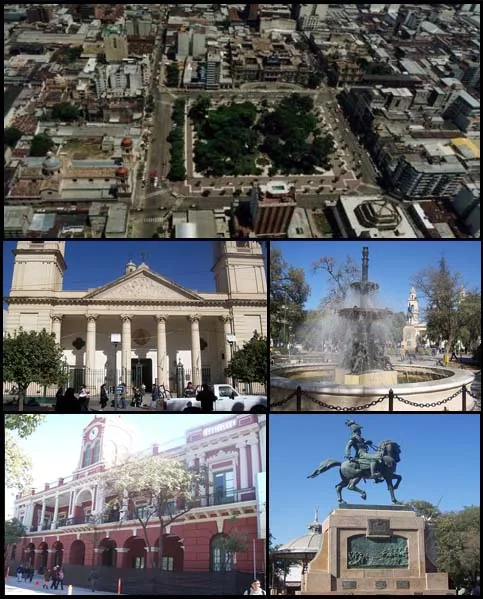
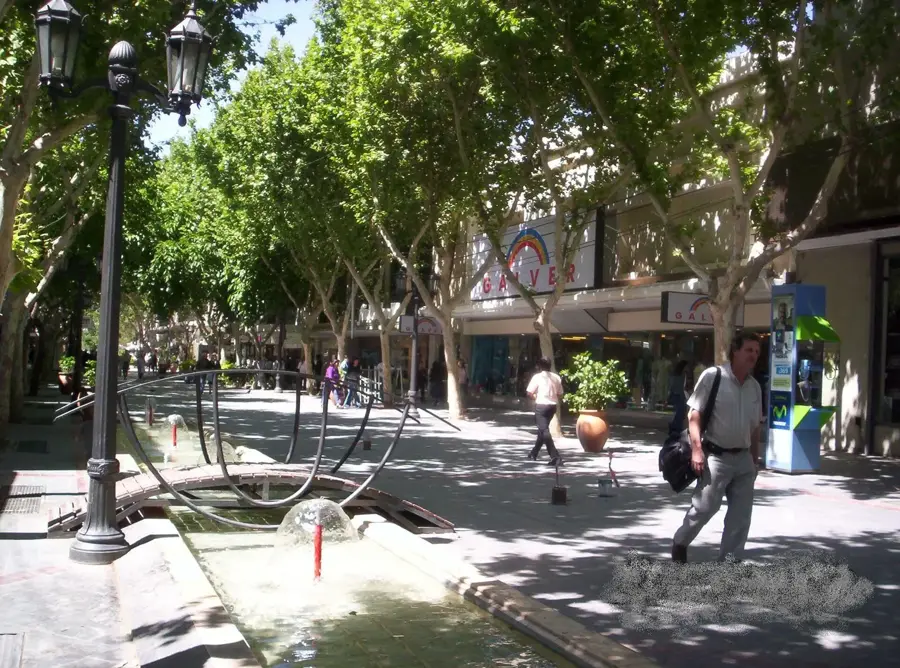
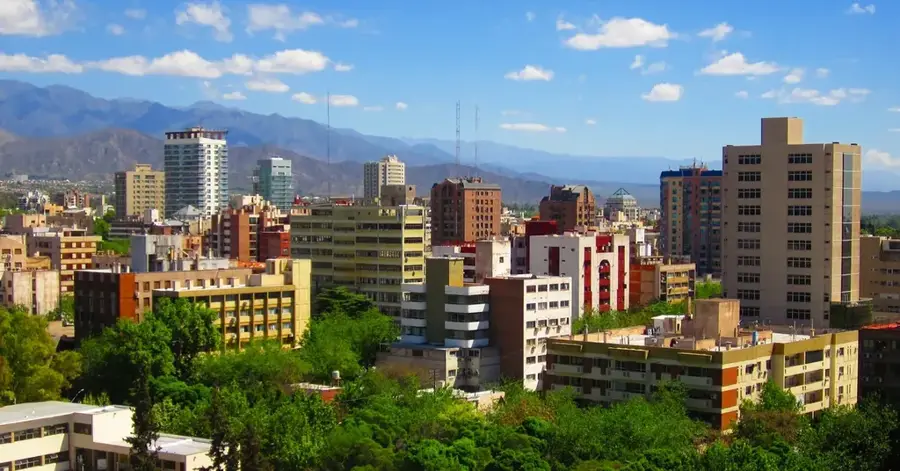
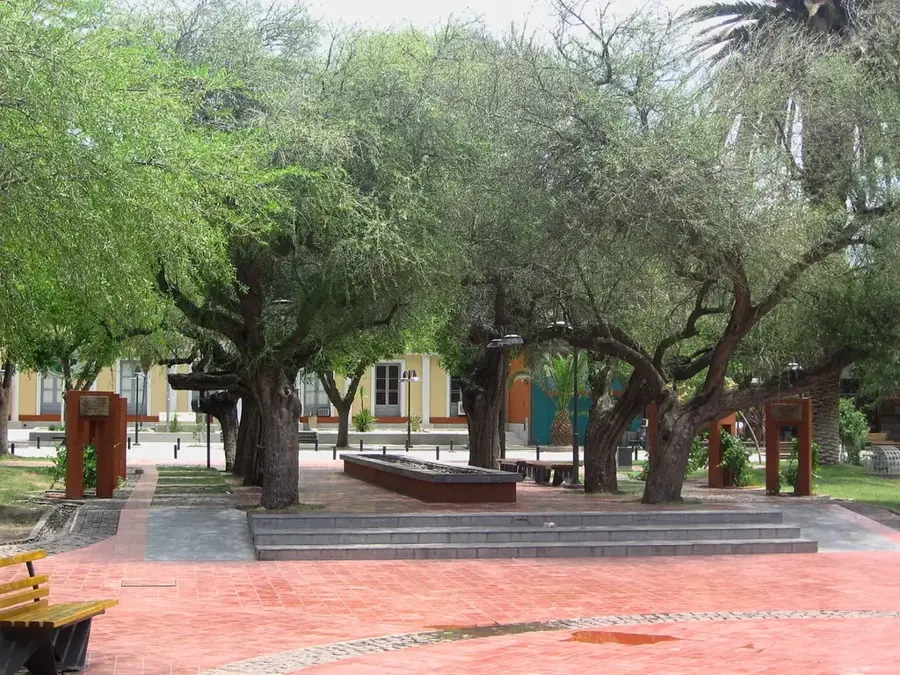
San Juan, located in the Tulum Valley at the foot of the Andes, is a modern and resilient city that serves as the heart of western Argentina's Cuyo region. Founded in 1562 by Juan Jufré, its history was irrevocably changed by a catastrophic earthquake in 1944 that leveled nearly the entire city. This tragedy led to a massive, planned reconstruction, resulting in Argentina's most earthquake-resistant urban center, characterized by broad boulevards, spacious plazas, and low-rise modern architecture shaded by thousands of trees. The city is the center of Argentina's second-largest wine-producing province, particularly acclaimed for its Syrah grapes and high-quality olive oils. Due to its desert climate with minimal rainfall, the region relies on an intricate network of irrigation canals fed by Andean snowmelt, turning the valley into a lush agricultural oasis. Economically, San Juan is also a powerhouse in mining (especially gold and silver) and has recently emerged as a national leader in solar energy production. Culturally, it has the Teatro del Bicentenario, one of South America's most advanced opera houses, and is the birthplace of Domingo Faustino Sarmiento, a pivotal figure in Argentine education and presidency. For nature enthusiasts, San Juan is the primary gateway to the Ischigualasto Provincial Park (Valley of the Moon), a UNESCO World Heritage site known for its dinosaur fossils and unique geological formations. The city's atmosphere is defined by its bright sunlight and the occasional Zonda wind, a warm, dry Andean downslope wind. Residents, or Sanjuaninos, are known for their quiet tenacity and their commitment to regional progress. Today, San Juan is not only an agricultural and industrial hub but also a center for scientific research, particularly in astronomy and seismology, benefitting from its clear skies and unique geological position.
- Location: Argentina
- Top sights: Auditorio Juan Victoria · Centro Cultural Estación San Martín · Parque de Mayo
- Nearby: Godoy Cruz (66 km)
- Population: ~109.123 (2026)
Best time to visit & climate
The most pleasant time to visit is Mar, Nov, Dec.
| Jan | Feb | Mar | Apr | May | Jun | Jul | Aug | Sep | Oct | Nov | Dec | |
|---|---|---|---|---|---|---|---|---|---|---|---|---|
| Avg °C | 24 | 23 | 21 | 17 | 12 | 10 | 9 | 11 | 14 | 18 | 21 | 23 |
| Rain mm | 25 | 34 | 15 | 6 | 5 | 3 | 3 | 4 | 5 | 5 | 19 | 21 |
Geography
Facts
- Founded on June 13, 1562, by conquistador Juan Jufré.
- Set at an altitude of 640 meters in the Tulum Valley.
- The 1944 earthquake destroyed 90% of the city's structures.
- Metropolitan population is estimated at around 500,000 residents.
- Argentina's primary hub for solar energy and mining research.
- The city's Syrah wine is considered among the best in the world.
- Birthplace of Domingo Faustino Sarmiento, former Argentine President.
- Home to the Felix Aguilar Observatory, a key astronomical site.
Explore nearby
Notable places around
Route planner — Car & Motorhome
Where do you start? We build the route here, with stops and country notes along the way.
© OpenStreetMap contributors · OpenRouteService
Sights in the town San Juan (9)
Casa Natal de Domingo Faustino Sarmiento🏛 museum
This museum preserves the colonial-style house where the famous Argentine president and educator Domingo Faustino Sarmiento was born.
Frequently asked questions
How many days do you need in San Juan?
What is the best time to visit San Juan?
How do you get to San Juan?
What is San Juan known for?
Is San Juan family-friendly?
San Juan: where is it located?
San Juan: what is there to see?
San Juan: when is the best time to visit?
San Juan: why is it worth visiting?
Nearby cities