Plizio Visual Lab

Ruins of Cayastá (Old Santa Fe)
Plizio editorial teamData Sources
Historical site
—°5
Ruins of Cayastá (Old Santa Fe) (Argentina)

Weather…

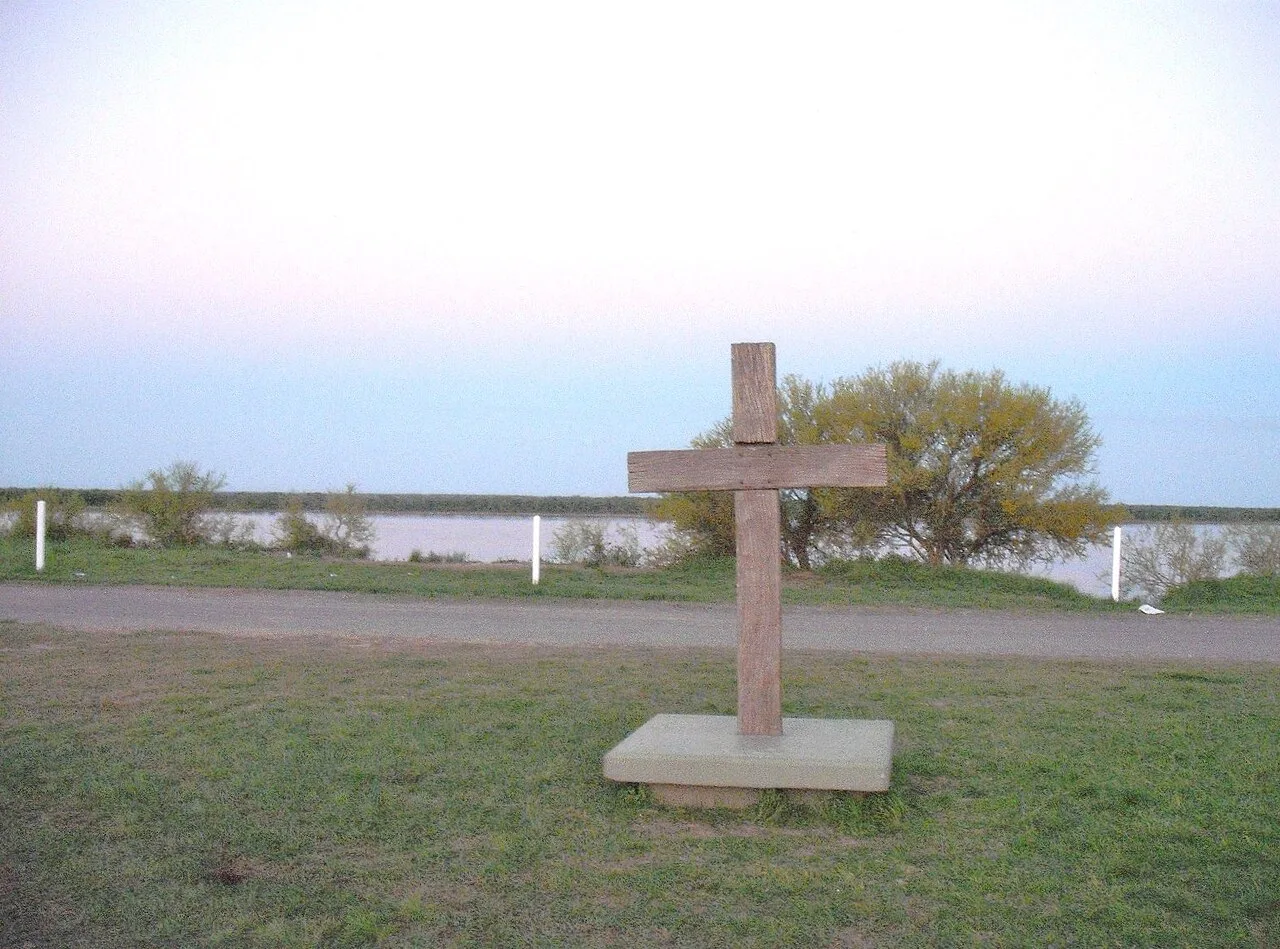
The ruins of Cayastá mark the original site of the city of Santa Fe, founded in 1573 by Juan de Garay. For over 80 years, Santa Fe la Vieja served as a vital outpost for the Spanish crown before being relocated to its current site around 1660 due to persistent flooding from the Paraná River and attacks from local indigenous groups. The abandoned city was gradually buried by sediment until it was rediscovered in 1949 by archaeologist Agustín Zapata Gollán. Excavations revealed the typical layout of a Spanish colonial city, featuring a central square, several churches, and residential blocks. Notable finds include the remains of Governor Hernandarias, identified within the San Francisco church ruins. Today, the Santa Fe la Vieja Archaeological Park is a national historical monument and one of the best-preserved examples of early colonial urban planning in South America.

Best time to visit & climate

The most pleasant time to visit is Apr, Sep, Oct.

JanFebMarAprMayJunJulAugSepOctNovDec
Avg °C272623191513121416202325
Rain mm1191421441407445314967130144152

📋 Practical info

🚪
Visiting
The Ruins of Cayastá are an open archaeological site accessible without restrictions. Visitors can explore the outdoor area and see the remains of the first city of Santa Fe.
🕒
Typical hours
The site is typically open daily from morning until evening. During summer months, extreme heat may cause restrictions.
📷
Photography
Photography is allowed throughout the site. Drones are usually not permitted to protect the ruins.
⏱️
Time needed
Allow at least one hour for a walk around. If you are interested in archaeology, plan for two hours.
Combine with
Nearby is the Museum of the Cayastá Ruins, which provides additional information. The city of Santa Fe is also a short drive away.
🧭
Getting there
The ruins are about 80 kilometers northeast of Santa Fe. The best way to get there is by car via Ruta Nacional 11.
💡
Insider tip
Bring plenty of water and sun protection, as there is little shade. Wear sturdy footwear for the uneven paths.

Geography

Coordinates
-31.19690, -60.16100

Facts

  • Foundation of Santa Fe in the year 1573
  • Rediscovered by Zapata Gollán in 1949
  • City was officially relocated in the year 1660
  • Contains the remains of Governor Hernandarias
  • The archaeological park covers 70 hectares
  • Early example of the 'damero' grid urban planning

Explore nearby

Notable places around
Route planner — Car & Motorhome

Where do you start? We build the route here, with stops and country notes along the way.

Vehicle
Only stops with (optional):

© OpenStreetMap contributors · OpenRouteService

Sights in the town Ruins of Cayastá (Old Santa Fe) (5)

Casa ambientada de Vera Muxica🏛 museum

A recreated colonial home displaying the historic living conditions of the Vera Muxica family in the Cayastá ruins.

Casa de González de Ataide🏛 museum

A historic house museum preserving the colonial-era architecture and artifacts of the González de Ataide residence.

Iglesia y convento de San Francisco🏛 museum

The excavated ruins of a 17th-century Franciscan church and convent displaying colonial religious life.

Playa Natural de Arena🎡 recreation

A natural sandy beach resort area near the historical ruins, good for relaxation.

Iglesia de la Merced📍 landmark

A colonial-era Christian church located within the historic area.

Sights nearby

Frequently asked questions

What are the Cayastá ruins?
They are the remains of Santa Fe la Vieja, the first settlement of Santa Fe. The site is important for understanding early colonial history on the Río Paraná.
How long does the visit take?
1 to 2 hours are often enough for the archaeological site and museum. With travel and surroundings, it becomes more of a half-day trip.
Is the place family-friendly?
Yes, if children are interested in history and open spaces. The visit is calm, but summer sun and heat can be strong.
When is the best time for photos?
Morning and late afternoon are good, because the light shapes the ruins better. At midday the contrast is often too harsh.
What is Santa Fe la Vieja known for?
The site is known as the original location of Santa Fe and as a key archaeological site. It shows how Spanish settlement began in the river valley.
Ruins of Cayastá (Old Santa Fe): where is it located?
Ruins of Cayastá (Old Santa Fe) is located in Argentina.
Ruins of Cayastá (Old Santa Fe): what is there to see?
Highlights include Casa ambientada de Vera Muxica, Casa de González de Ataide, Iglesia y convento de San Francisco.
Ruins of Cayastá (Old Santa Fe): when is the best time to visit?
The most pleasant time to visit is Apr, Sep, Oct.
Ruins of Cayastá (Old Santa Fe): why is it worth visiting?
The ruins of Cayastá mark the original site of the city of Santa Fe, founded in 1573 by Juan de Garay.
View on map → The Top 50 Attractions → OpenStreetMap →
South America
Explore with Plizio Discover more places in South America
More places in Argentina →

Nearby cities

History & landmarks

Nature

More places