Gjirokastra National Folklore Festival
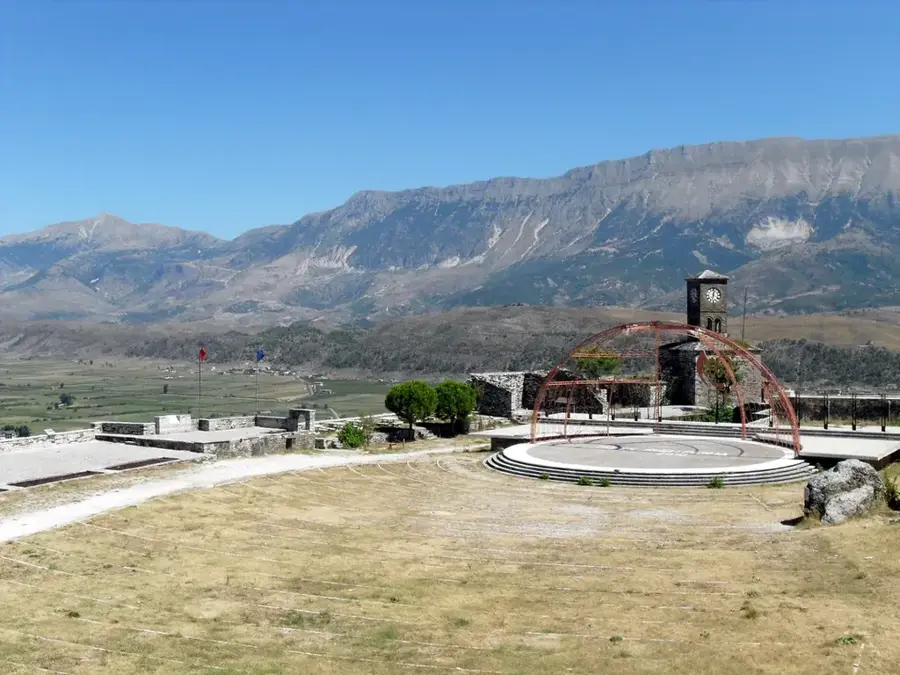
The national folklore festival takes place on an open-air stage atop Gjirokastra's castle, showcasing traditional Albanian music, dress and dance, including UNESCO-protected iso-polyphonic singing.
PlizioGo
These unique, savory rice balls mixed with herbs and egg are a true local specialty, widely available in traditional restaurants.
A delicious traditional pie made with cornmeal and usually stuffed with spinach and feta cheese.
Enjoy a warm cup of Çaj Mali (mountain tea) brewed from local herbs at a cafe overlooking the stone roofs.
The central market area is excellent for finding handmade kilims (rugs), traditional lace, and local crafts.
Look for small shops where artisans carve intricate designs out of local stone, making for a unique souvenir.
Take a short, scenic hike to the ruins of this old aqueduct bridge (Dunavat bridge) for peaceful valley views.
While the museums inside get busy, the grassy areas around the clock tower offer a quiet spot with panoramic sights.
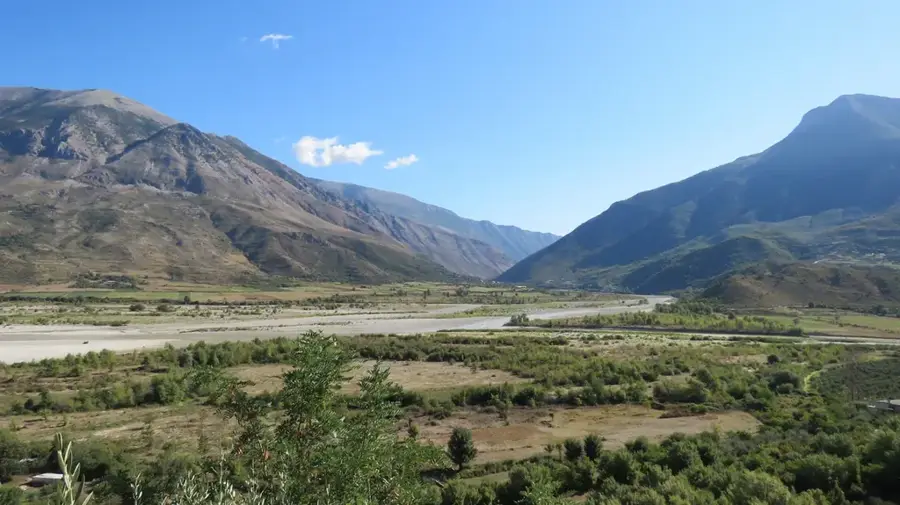
Visit the upper terraces of monumental homes like Zekate House to sit quietly and admire the valley.
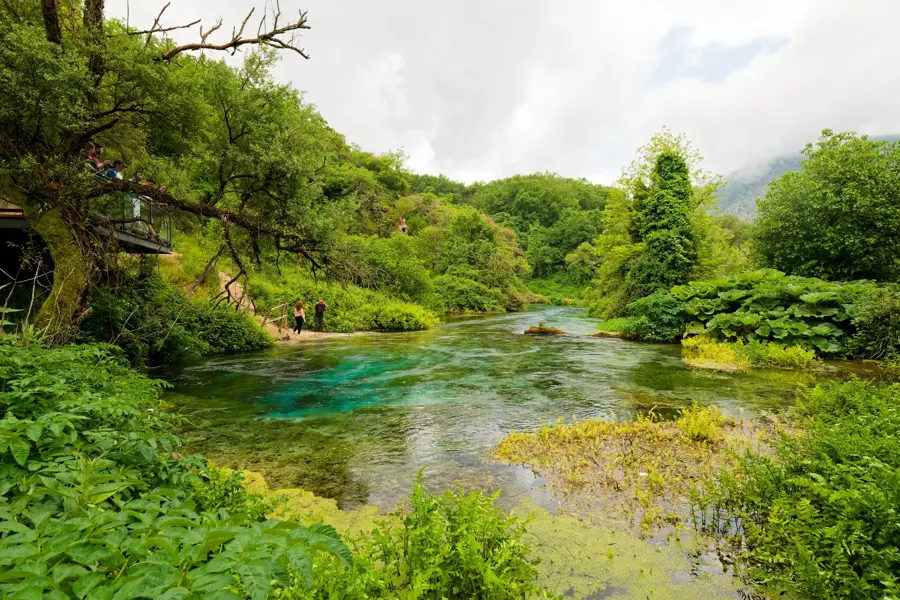
Water temperature…
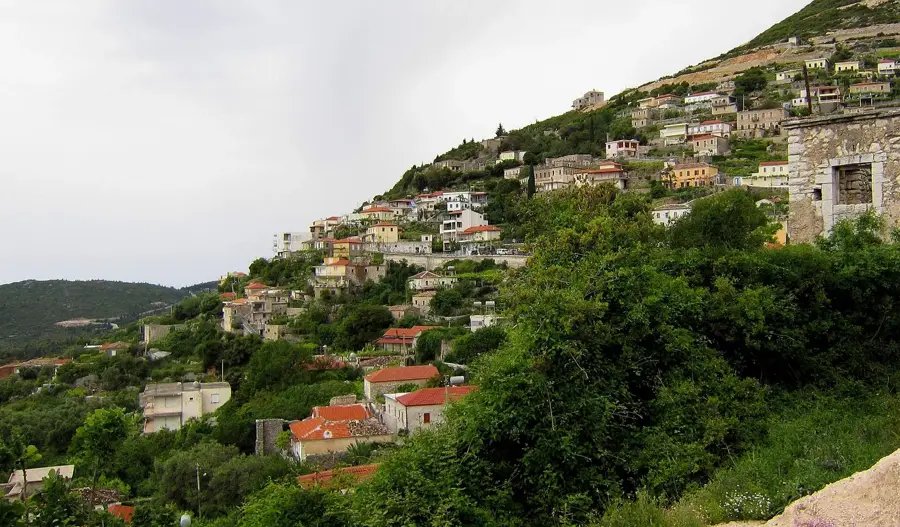
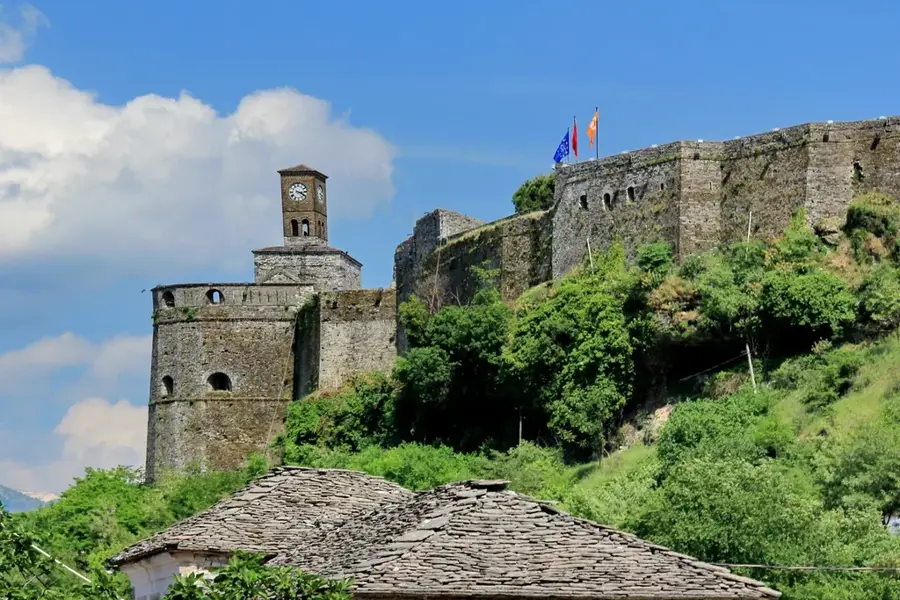
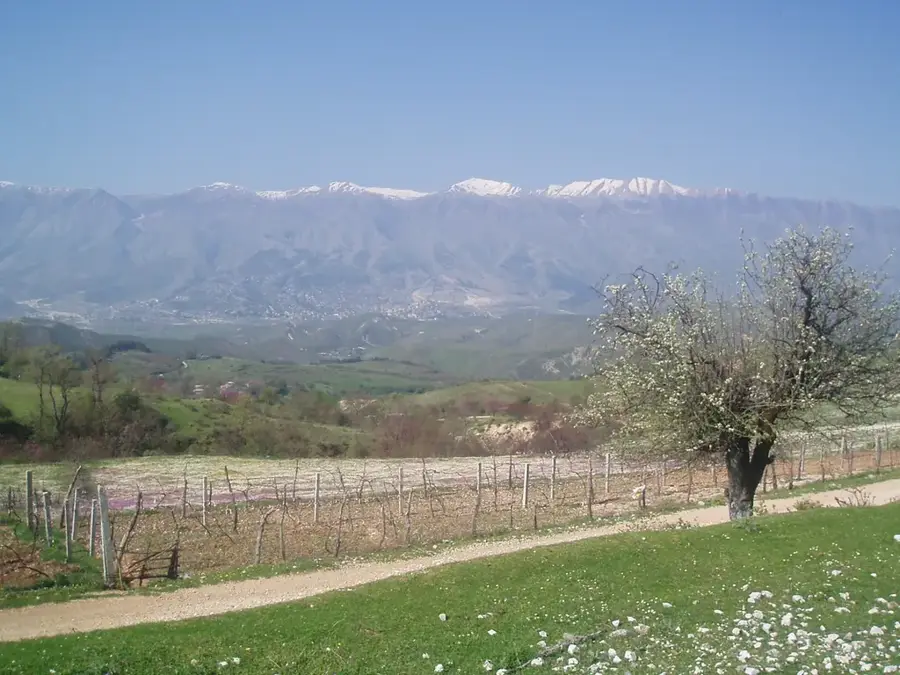
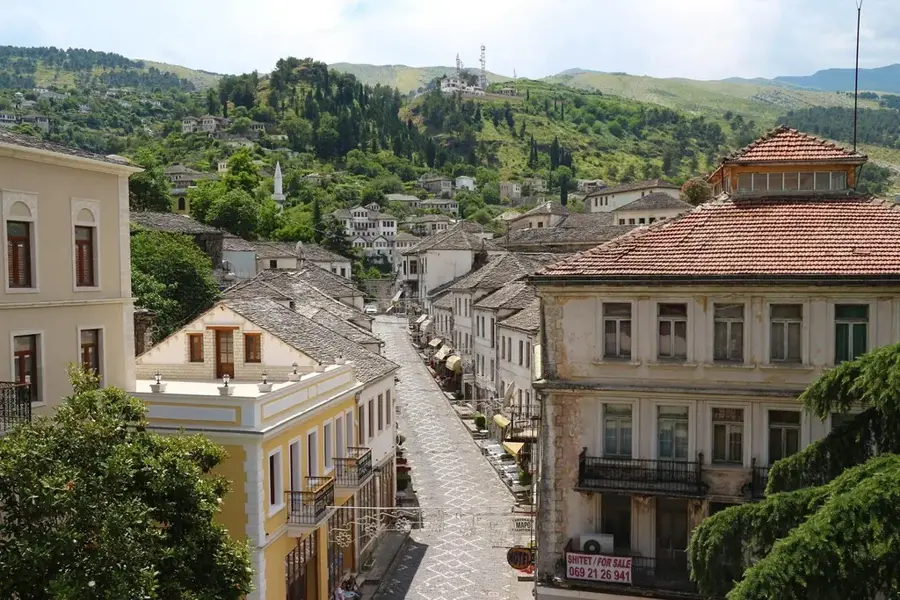
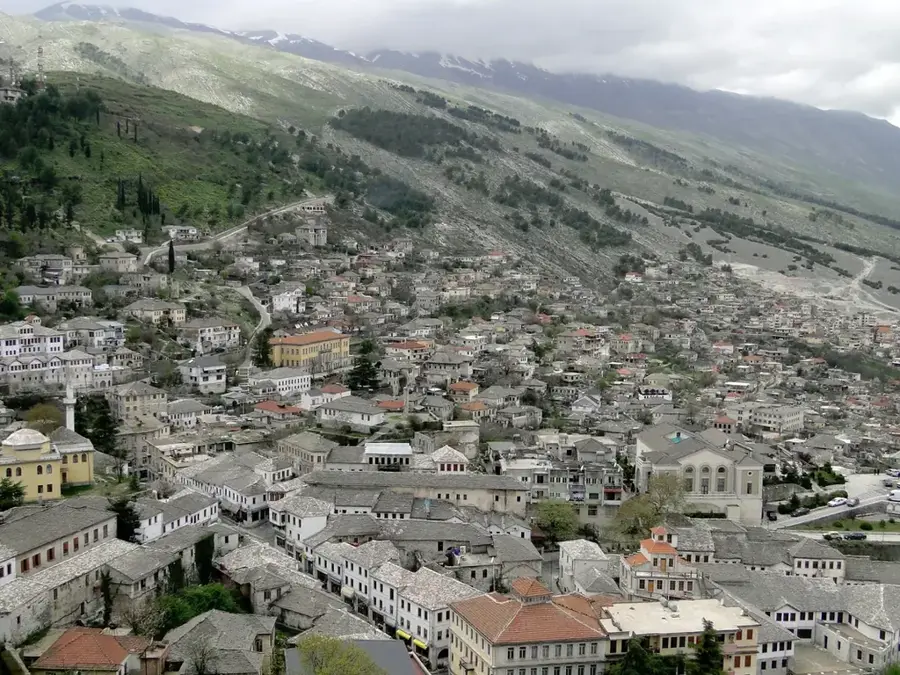
Gjirokastra, known as the 'Stone City,' is a remarkable museum-town in southern Albania and a UNESCO World Heritage site since 2005. Perched on the slopes of the Gjerë Mountains, the city is world-renowned for its unique 17th and 18th-century Ottoman architecture. Its cityscape is defined by distinct fortress-like houses called 'kules,' featuring stone-vaulted roofs and intricate woodwork. Dominating the skyline is the massive Gjirokastra Castle, one of the largest in the Balkans, which has served as a military stronghold, a prison, and now a museum. The town is the birthplace of the world-famous writer Ismail Kadare and the former dictator Enver Hoxha, with their respective homes serving as cultural landmarks. Gjirokastra also hosts the National Folklore Festival every five years, celebrating the country's rich tradition of polyphonic singing. Today, the city remains an animated center of Albanian heritage, where the ancient cobblestone streets of the Old Bazaar continue to hum with traditional crafts and modern tourism.
The most pleasant time to visit is Jun, Jul, Sep.
| Jan | Feb | Mar | Apr | May | Jun | Jul | Aug | Sep | Oct | Nov | Dec | |
|---|---|---|---|---|---|---|---|---|---|---|---|---|
| Avg °C | 7 | 7 | 10 | 13 | 18 | 23 | 26 | 26 | 21 | 17 | 12 | 8 |
| Rain mm | 119 | 104 | 91 | 58 | 50 | 28 | 16 | 24 | 84 | 110 | 140 | 150 |
Notable places around
Where do you start? We build the route here, with stops and country notes along the way.
© OpenStreetMap contributors · OpenRouteService
Your day begins in the heart of the Old Bazaar, where Ottoman architecture meets vibrant activity. Ascend to the mighty fortress that dominates the city, offering breathtaking views. The afternoon is dedicated to exploring the unique tower houses that earned Gjirokastra its nickname, the 'City of Stone.' Conclude your walking tour with a visit to the Ethnographic Museum to fully grasp the rich heritage of this UNESCO World Heritage site.
Start in the Bazaar, staying close to the shop eaves. Spend the morning inside Kadare House. At noon, the massive stone vaults of the Fortress provide excellent shelter. Afternoon is perfect for the dry interiors of Zekate and Skenduli houses. End at the Obelisk as the rain clears, revealing a misty and dramatic view of the 'Stone City' and the Drino valley.
The crisp winter air makes the stone city glow in bright grey. Spend the morning in the sun-drenched Bazaar. At noon, the thick fortress walls shield you from the cold mountain wind. The traditional Zekate and Skenduli houses feel especially majestic in the winter silence. End your day early at the Obelisk to catch the sunset over the snow-capped mountain peaks.
Your bike tour focuses on exploring the wider surroundings of Gjirokastra. Start in the flatter part of the city, then cycle up to the bazaar. Take on the challenge of the climb to the fortress, where you'll be rewarded with unparalleled views. In the afternoon, discover hidden relics of the Cold War before finishing your tour at a viewpoint overlooking the entire stone city.
Biking in the rain requires courage on Gjirokastra's steep slopes. Start at Seven Fountains, where water flows freely today. The Bazaar offers brief respite under the shop eaves. The Cold War Tunnel is a perfectly dry and thrilling highlight. The climb to the Fortress is tough, but the indoor galleries reward you with shelter. End at the Obelisk before a quick descent back down.
In winter, Gjirokastra is quiet and the views are crystal clear. Start at the fountains in the cool shade. The Bazaar is sunniest in the morning. The tunnel offers a constant temperature, feeling almost warm compared to outside. The climb to the Fortress will keep you warm, and the top offers a grand snow-capped panorama. End at the Obelisk before it gets very cold after sunset.
With a car, you can explore Gjirokastra in two convenient clusters. First, park near the fortress to discover the upper part of the city on foot, including the castle and the impressive tower houses. Then, drive down to the bazaar area, park again, and immerse yourself in the heart of the old town for lunch, shopping, and a visit to the Ethnographic Museum before continuing your journey.
By car, you can reach all highlights comfortably in any weather. Park right at the Fortress to avoid the uphill walk in the rain. Spend the morning exploring the castle's interior. In the afternoon, drive to Zekate House and then to the Bazaar parking. The Bazaar and Ethnographic Museum are just steps away, so you'll stay mostly dry. A relaxed day despite the clouds.
Experience Gjirokastra without the summer heat. Drive directly to the Fortress, where the cold winter wind blows on the ramparts. After your visit, enjoy the heated seats on the way to Zekate House. Later, park at the Bazaar and enjoy the cozy atmosphere of the stone alleys in the winter light. The Ethnographic Museum offers a glimpse into traditional life before the early sunset.