Plizio Visual Lab

Hadrianopolis
Plizio editorial teamData Sources
theater
—°6
Hadrianopolis (Albania)

Weather…

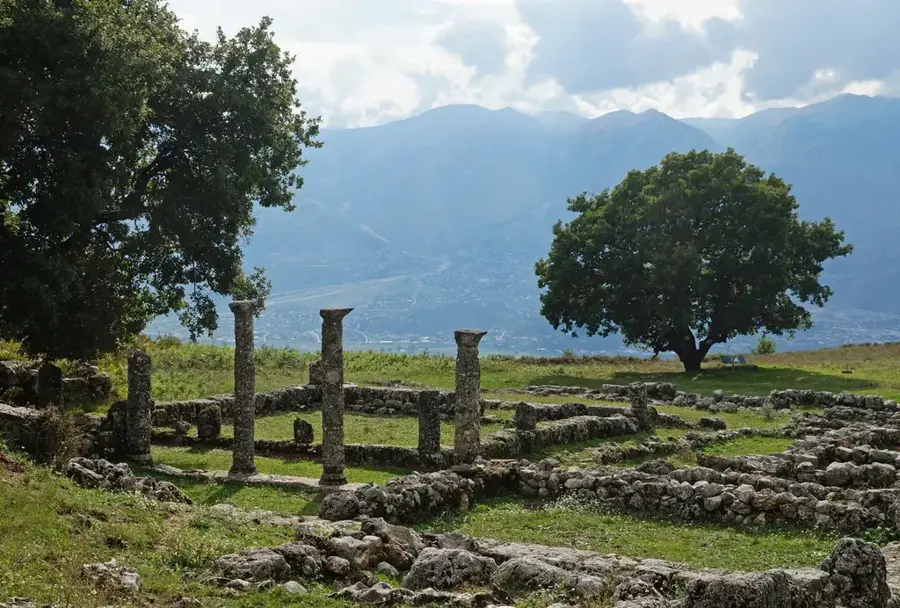
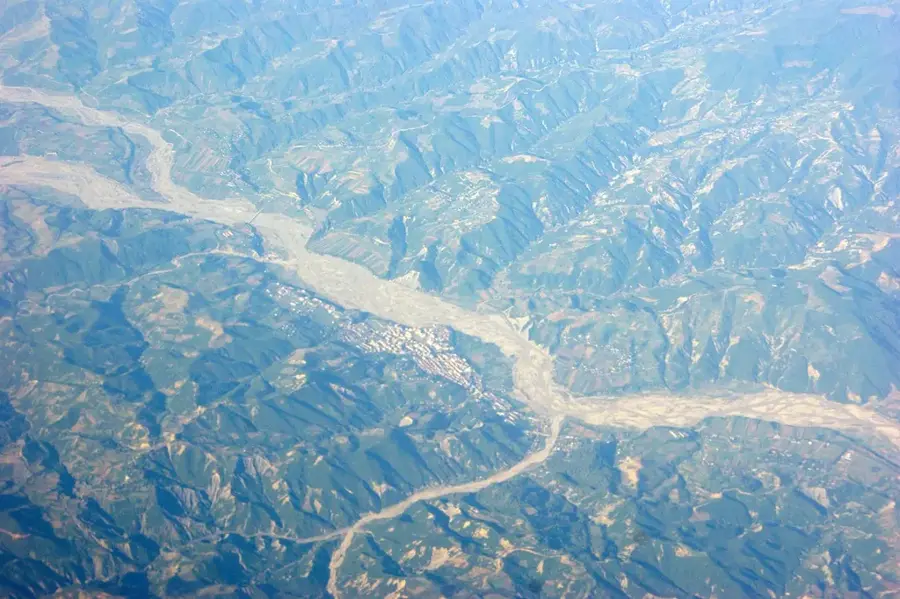
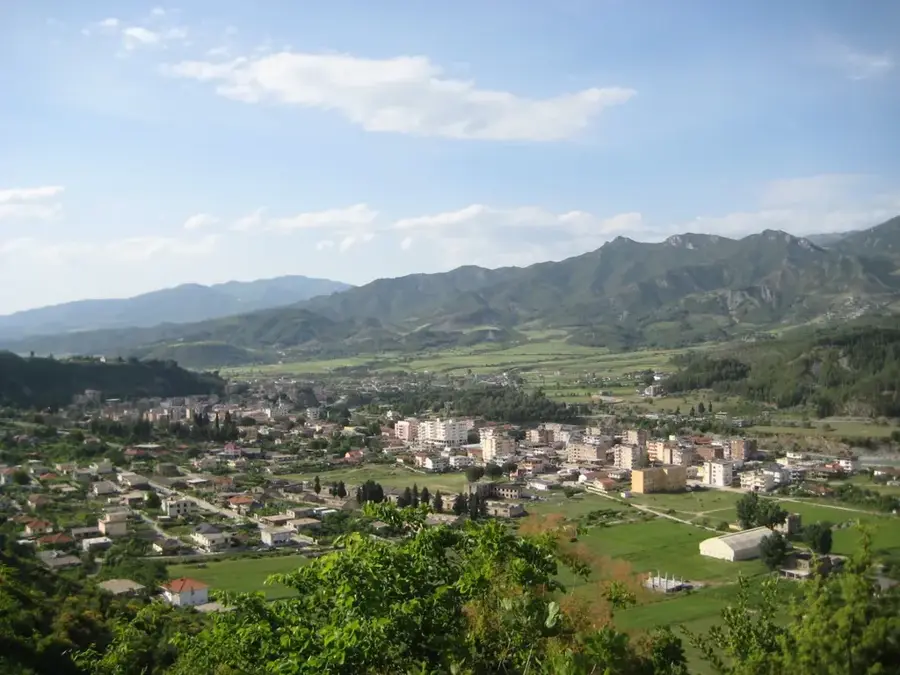
Hadrianopolis was a significant ancient Roman city located in the Epirus region, situated today in the Drino Valley near the village of Sofratikë. The city was founded in the 2nd century AD by Emperor Hadrian as a new administrative and urban center for the local population. During the Roman and early Byzantine eras, it flourished as a strategic hub on the road linking Apollonia to Ioannina. The most prominent feature of the archaeological site is the well-preserved Roman theater, which originally had a seating capacity for approximately 4000 spectators. Beyond the theater, excavations have revealed remains of public baths, residential foundations, and a large necropolis, highlighting the city's architectural sophistication. Hadrianopolis began to decline in the 6th century, likely due to Slavic incursions and regional instability, which eventually forced the inhabitants to relocate to more defensible mountainous areas nearby.

Best time to visit & climate

The most pleasant time to visit is Jun, Jul, Sep.

JanFebMarAprMayJunJulAugSepOctNovDec
Avg °C771013182326262117128
Rain mm11910491585028162484110140150

📋 Practical info

🚪
Visiting
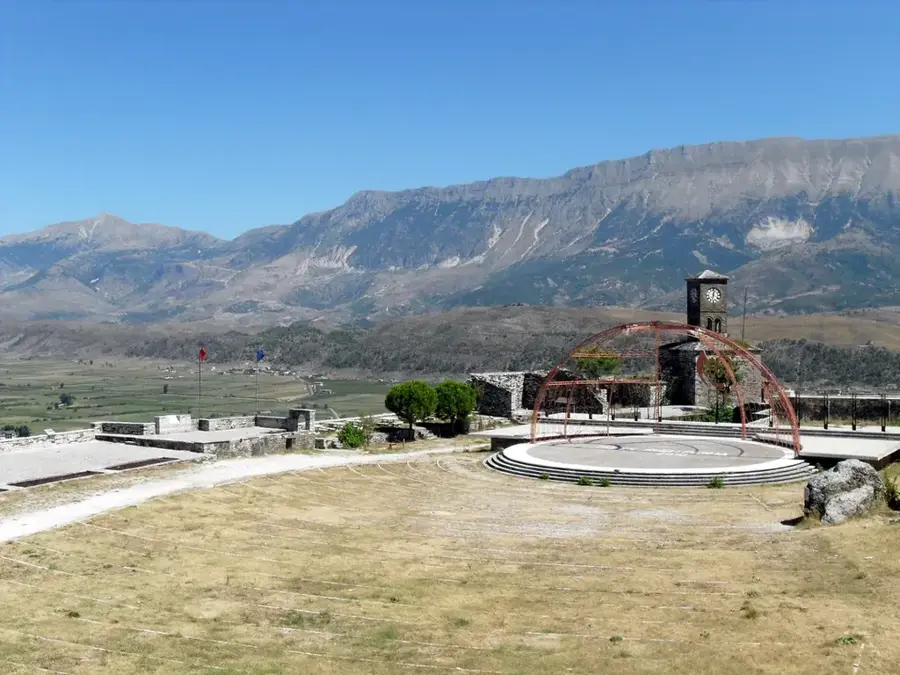
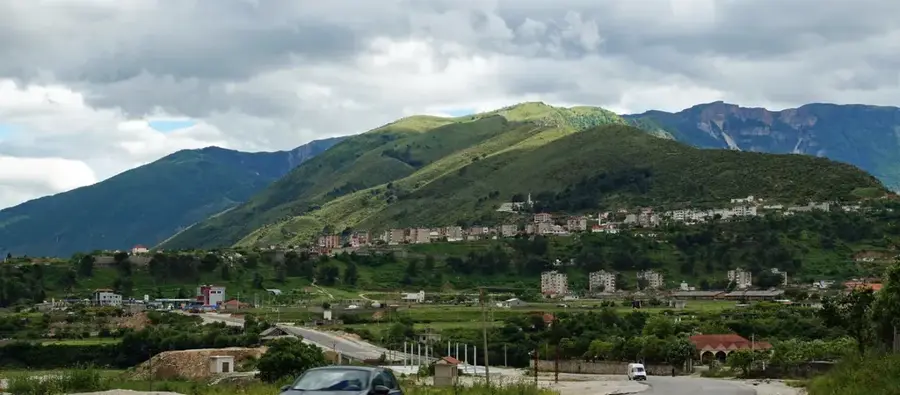
The remarkably preserved Roman theater and the remains of the ancient city of Hadrianopolis can be openly explored. Visitors can walk among the ancient stones and sit on the tiered seating of the theater, which is set beautifully against the backdrop of the Drino valley.
🕒
Typical hours
The archaeological park typically operates during standard daytime hours, generally opening in the morning and closing around sunset. It is always best to arrive well before dusk to ensure you have enough time to see the ruins in good light.
📷
Photography
The ancient amphitheater provides a spectacular setting for photography, especially with the dramatic mountains looming behind it. Early morning or late afternoon light accentuates the textures of the ancient masonry and creates a magical atmosphere.
⏱️
Time needed
Expect to spend between 45 and 90 minutes exploring the theater and the scattered ruins of the settlement. This allows for a relaxed pace to appreciate the architectural details and the scenic tranquility of the valley.
Combine with
This site is easily combined with a visit to the UNESCO-listed city of Gjirokastër, located just a short drive away. You can also explore the historic village of Sofratikë and other ancient sites scattered throughout the pretty Drino valley.
🧭
Getting there
The ruins are situated near the modern village of Sofratikë and are highly accessible by car from the main highway connecting Gjirokastër to the Greek border. There is usually a designated parking area or space near the site's entrance for visitors.
💡
Insider tip
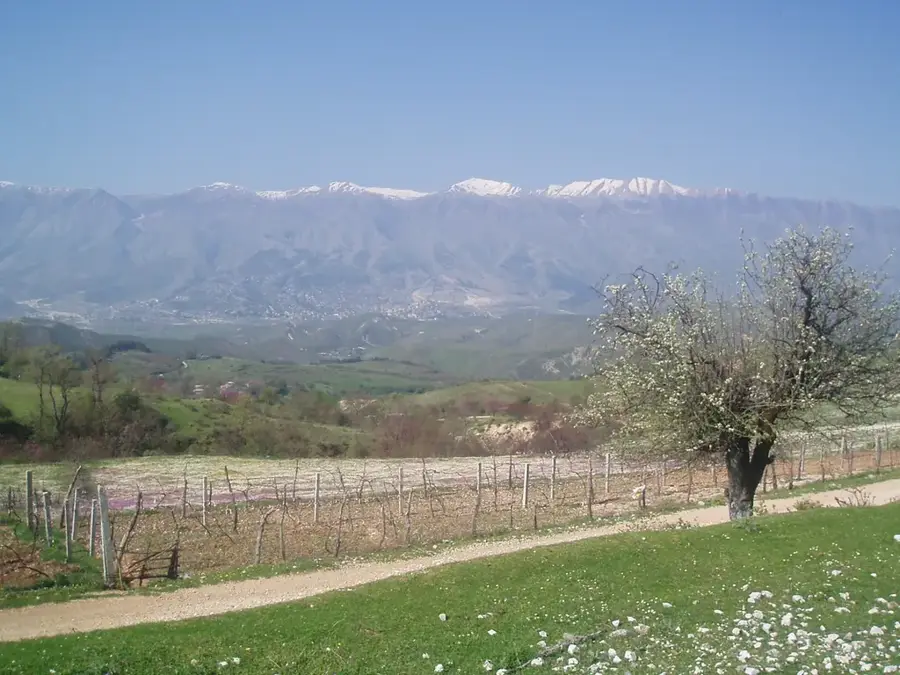
Visit in the spring when the valley is lush and green, enhancing the visual appeal of the ancient stones against the natural landscape. Sturdy footwear is recommended, as you will be walking over uneven ground and ancient grassy structures.

Geography

Coordinates
39.99610, 20.22030

Facts

  • Founded in the 2nd century AD by the Roman Emperor Hadrian.
  • The Roman theater originally accommodated up to 4000 spectators.
  • The archaeological site covers an area of approximately 15 hectares.
  • It was a key stop on the ancient road between Apollonia and Nicopolis.
  • Excavations in 1984 uncovered the majority of the theater structure.
  • The city was abandoned in the 6th century following Slavic invasions.

Explore nearby

Notable places around

Route planner — Car & Motorhome

Where do you start? We build the route here, with stops and country notes along the way.

Vehicle
Only stops with (optional):

© OpenStreetMap contributors · OpenRouteService

Sights in the town Hadrianopolis (6)

well

Well in Hadrianopolis, part of the ancient Roman city.

Roman Theatre

Roman theatre in Hadrianopolis, remains of the ancient city.

Hadrianopolis

Ancient Roman city in Epirus, archaeological site in Albania.

Roman Thermae

Roman baths in Hadrianopolis, remains of the bathing complex.

Rrënoja

Ruins in Hadrianopolis, remains of ancient structures.

Monument Kulture

Cultural monument in Hadrianopolis, a protected site.

Sights nearby

Frequently asked questions

Where is the ancient theater of Hadrianopolis located?
It is located in the Drino Valley near the village of Sofratika, about 11 km south of Gjirokastra.
How much is the entrance fee for Hadrianopolis?
Entrance is usually free, as the site is often unguarded and openly accessible.
When was Hadrianopolis founded?
The city was founded in the 2nd century AD by the Roman Emperor Hadrian.
Which parts of the ancient city are visible today?
The best-preserved monument is the Roman theater; traces of thermal baths are also present.
Is the Hadrianopolis site easy to find?
Yes, it is located right off the main road connecting Gjirokastra to the Greek border (Kakavia).
Hadrianopolis: where is it located?
Hadrianopolis is located in Albania.
Hadrianopolis: what is there to see?
Highlights include well, Roman Theatre, Hadrianopolis.
Hadrianopolis: when is the best time to visit?
The most pleasant time to visit is Jun, Jul, Sep.
Hadrianopolis: why is it worth visiting?

Hadrianopolis was a significant ancient Roman city located in the Epirus region, situated today in the Drino Valley near the village of Sofratikë.
View on map → The Top 50 Attractions → OpenStreetMap →
Europe
Explore with Plizio Discover more places in Europe
More places in Albania →

Nearby cities