Attractions in Botswana
The finest attractions in Botswana at a glance: castles, natural wonders, historic old towns and more. Each place links to a detailed page with map, tips and photos.
Culture & History
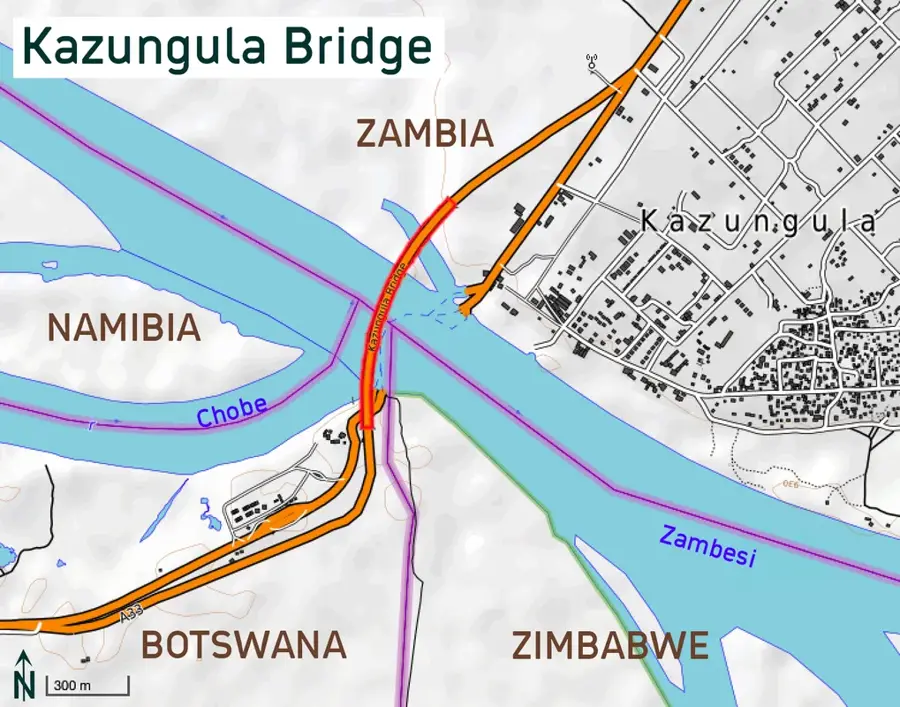
Kazungula Bridge
A major bridge over the Zambezi linking Botswana and Zambia.
Learn more →
Three Dikgosi Monument
This central landmark in Gaborone features impressive bronze statues of the three tribal chiefs who secured Botswana's future.
Learn more →
Gaborone International Convention Centre
The Gaborone International Convention Centre is a premier venue for large-scale conferences, exhibitions, and international summits.
Learn more →
UB Administration Block
The University of Botswana Administration Block is a central architectural landmark on the main campus in Gaborone.
Learn more →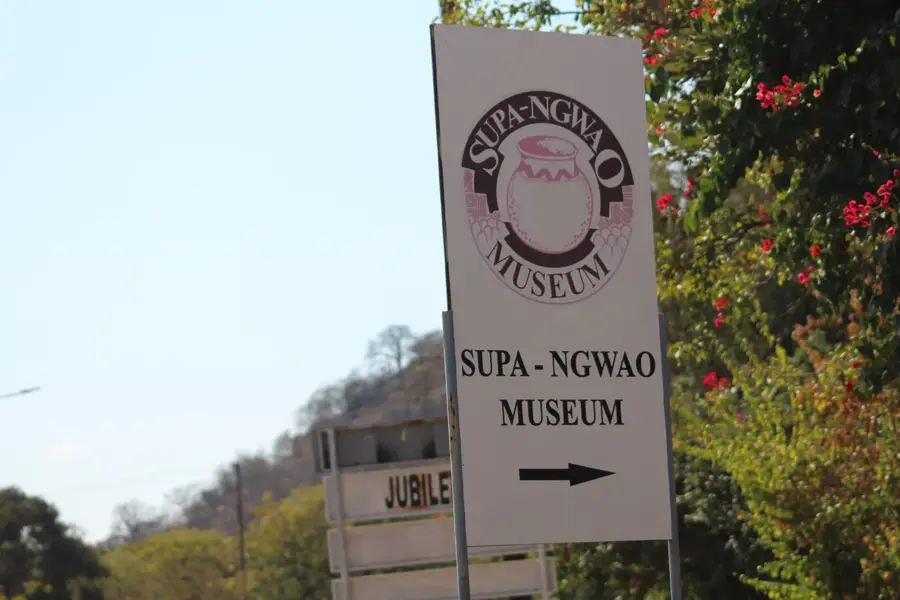
Supa Ngwao Museum
Supa Ngwao is a key cultural landmark in Francistown, preserving the history and traditions of northern Botswana's diverse peoples.
Learn more →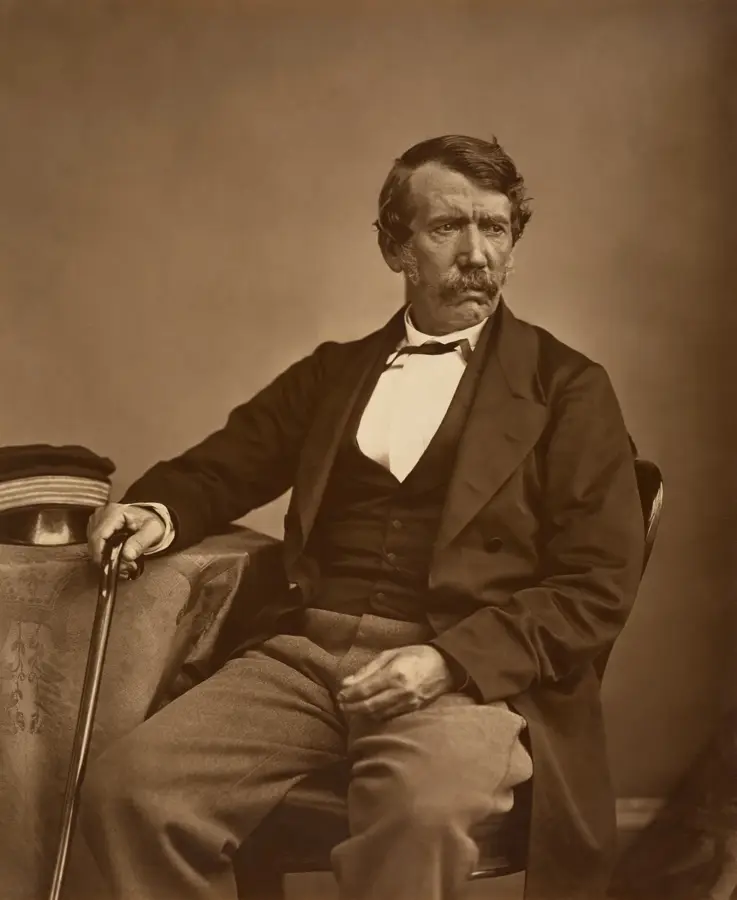
Livingstone Memorial
The Kolobeng Mission ruins mark the site where David Livingstone lived and worked, serving as a landmark of 19th-century history.
Learn more →
London Missionary Society Ruins
The red-brick ruins of the London Missionary Society church are the most iconic landmark of the abandoned Old Palapye settlement.
Learn more →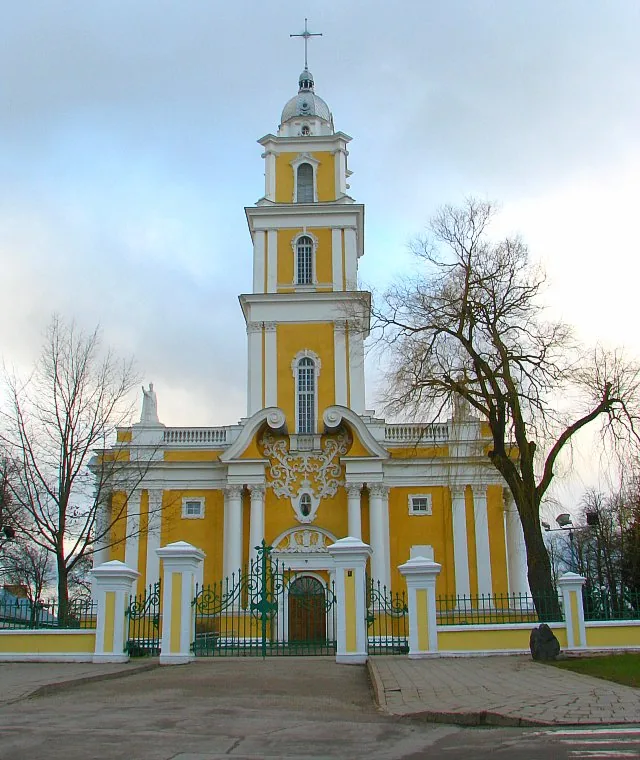
Christ the King Cathedral
This prominent Catholic cathedral is an architectural and spiritual landmark located in the heart of the capital city.
Learn more →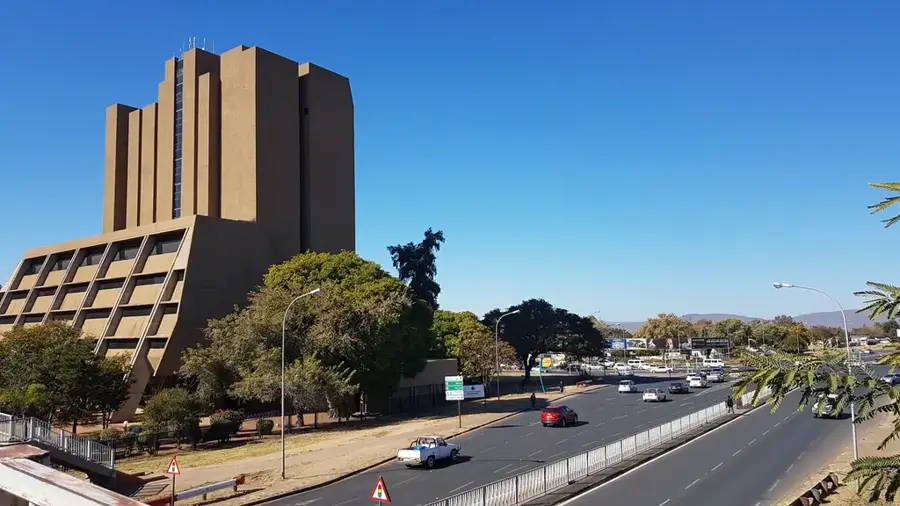
Orapa House
Orapa House is a famous landmark in Gaborone, formerly used for the sorting and valuing of the nation's diamonds.
Learn more →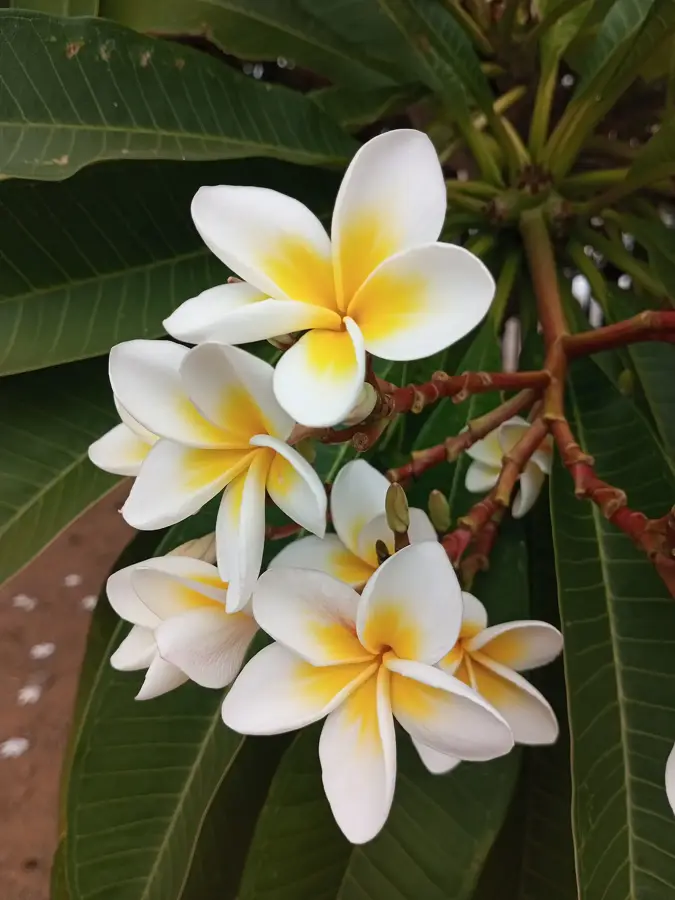
National Assembly Building
The National Assembly building is the seat of Botswana's Parliament, representing the country's long-standing democratic traditions.
Learn more →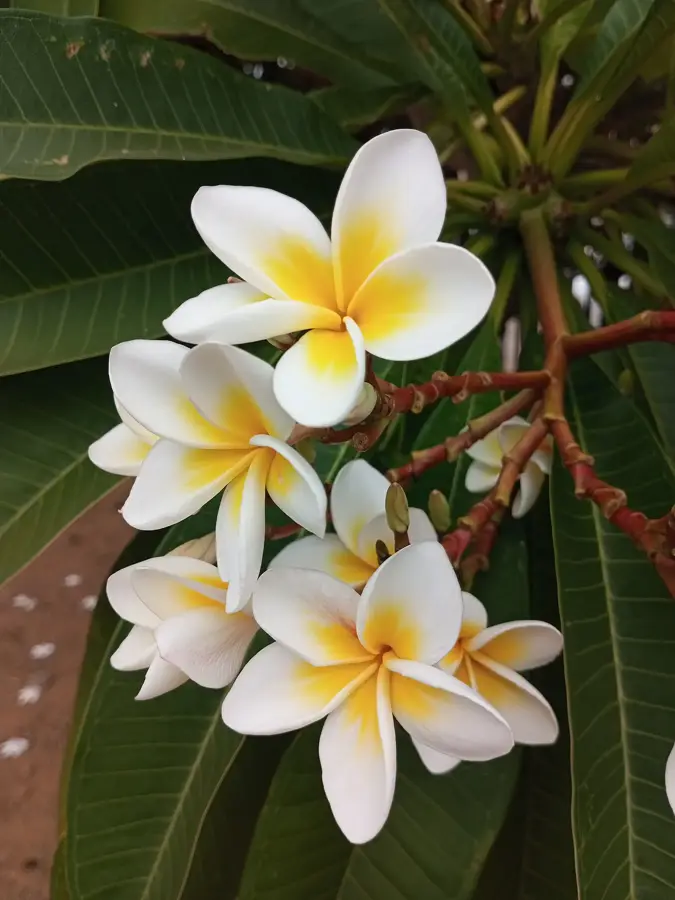
Bank of Botswana Headquarters
The Bank of Botswana building is a financial landmark, housing the central bank responsible for the nation's monetary policy.
Learn more →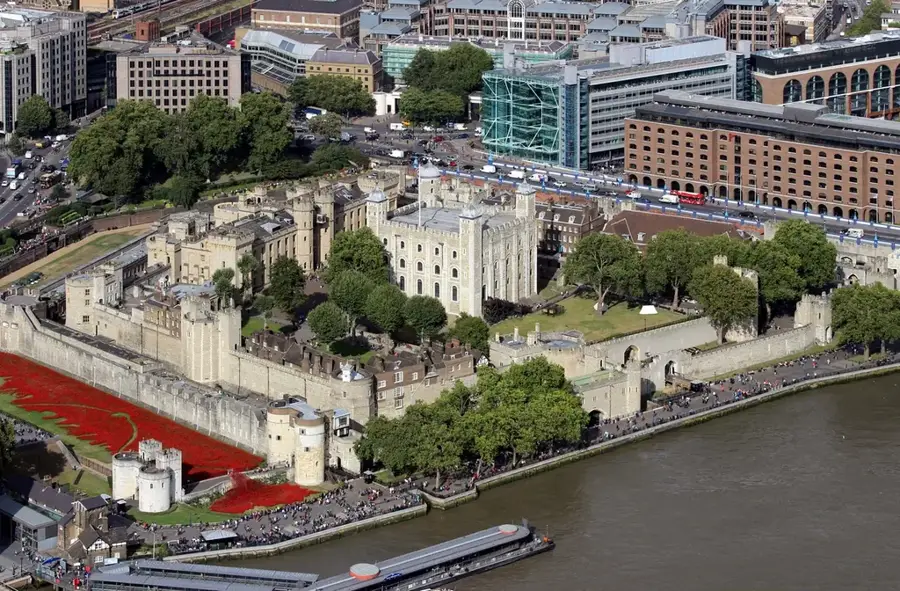
iTowers
A modern high-rise complex shaping Gaborone's skyline.
Learn more →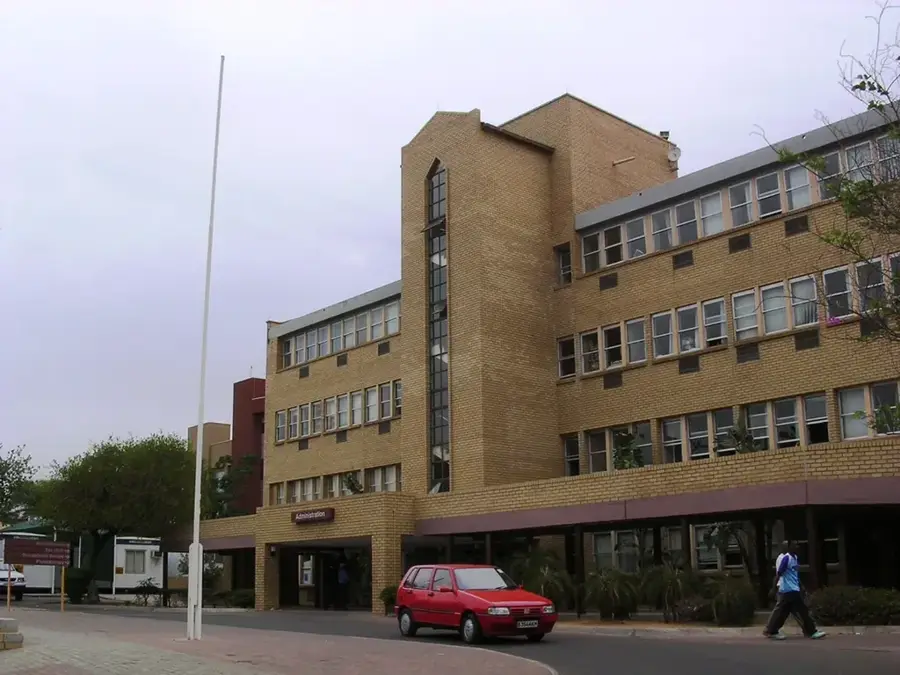
Princess Marina Hospital
Princess Marina is Botswana's premier referral hospital and a vital healthcare landmark in the capital city.
Learn more →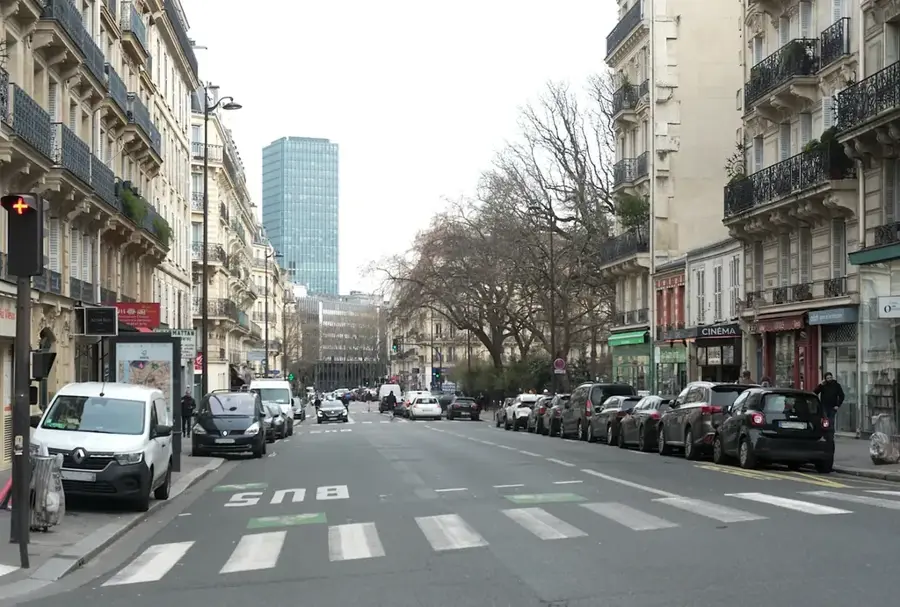
Moeng College Building
Moeng College is a historic educational institution established by Tshekedi Khama in a remote and scenic valley.
Learn more →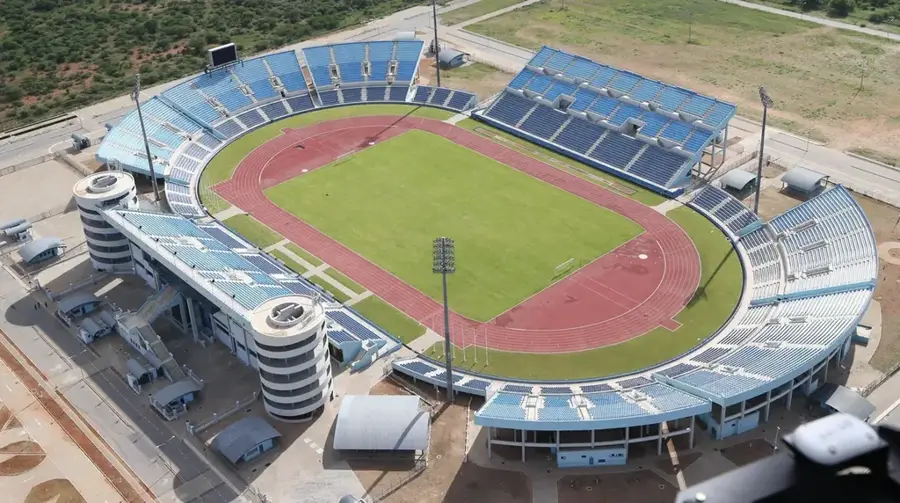
Obed Itani Chilume Stadium
This multi-purpose stadium in Francistown is the largest in the northern region, hosting major sports and national events.
Learn more →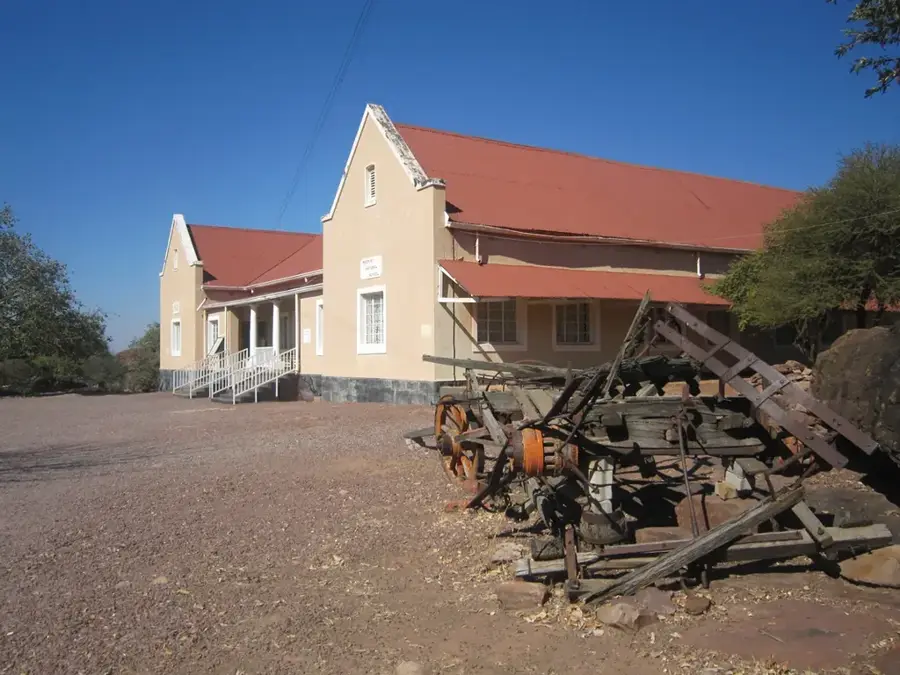
Phuthadikobo Museum
This museum, housed in a 1920s school building, is a landmark of Bakgatla culture overlooking the village of Mochudi.
Learn more →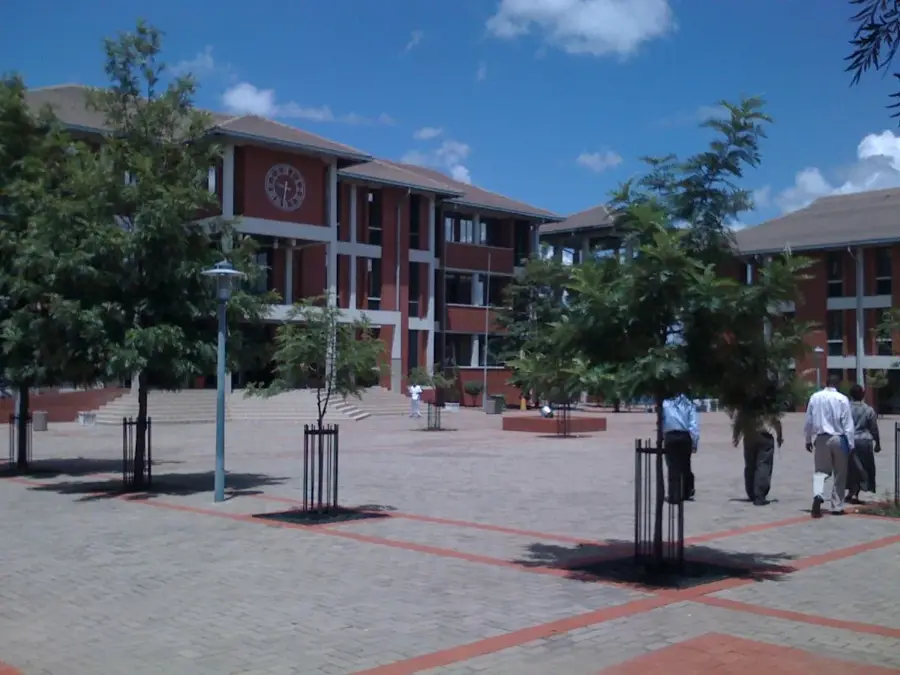
Francistown Railway Station
The Francistown Railway Station is a historic transport landmark, a key stop on the rail line connecting Southern and Central Africa.
Learn more →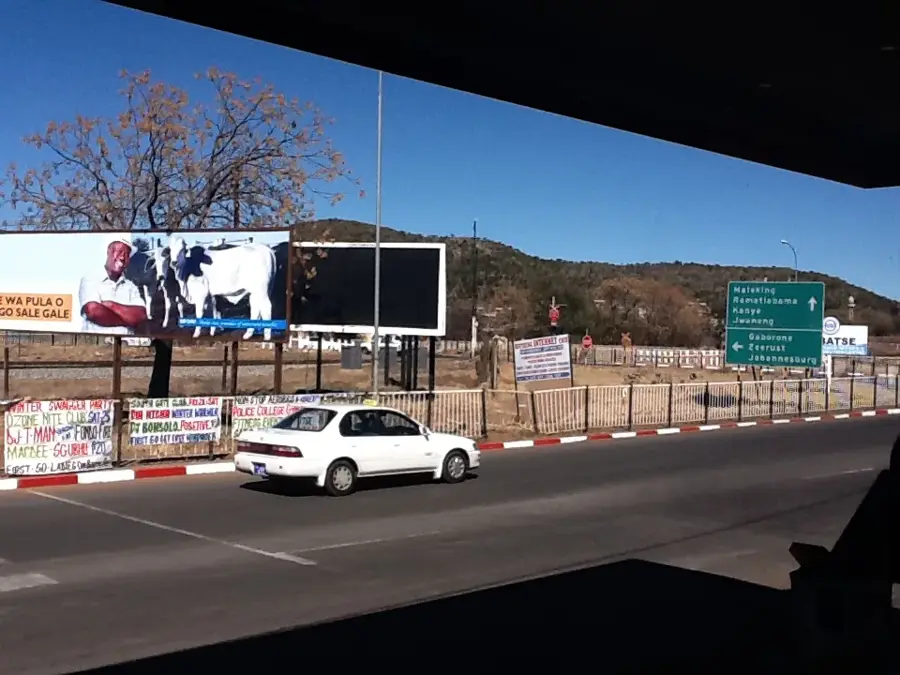
Lobatse High Court
The High Court in Lobatse is a key judicial landmark, representing the historic center of Botswana's legal system.
Learn more →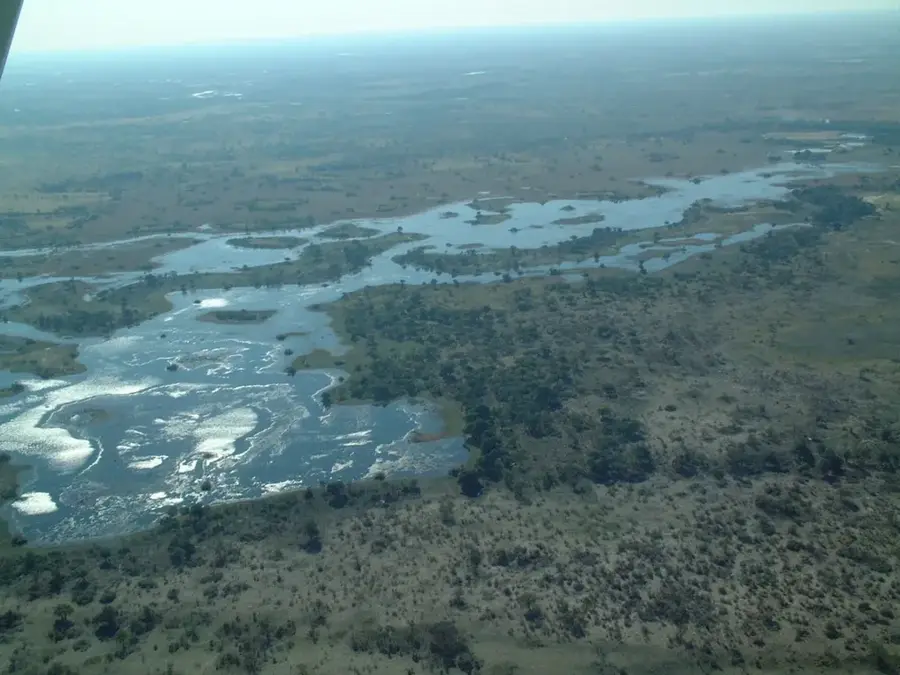
Nhabe Museum
The Nhabe Museum is a prominent landmark in Maun, serving as a cultural gateway to the Okavango Delta region.
Learn more →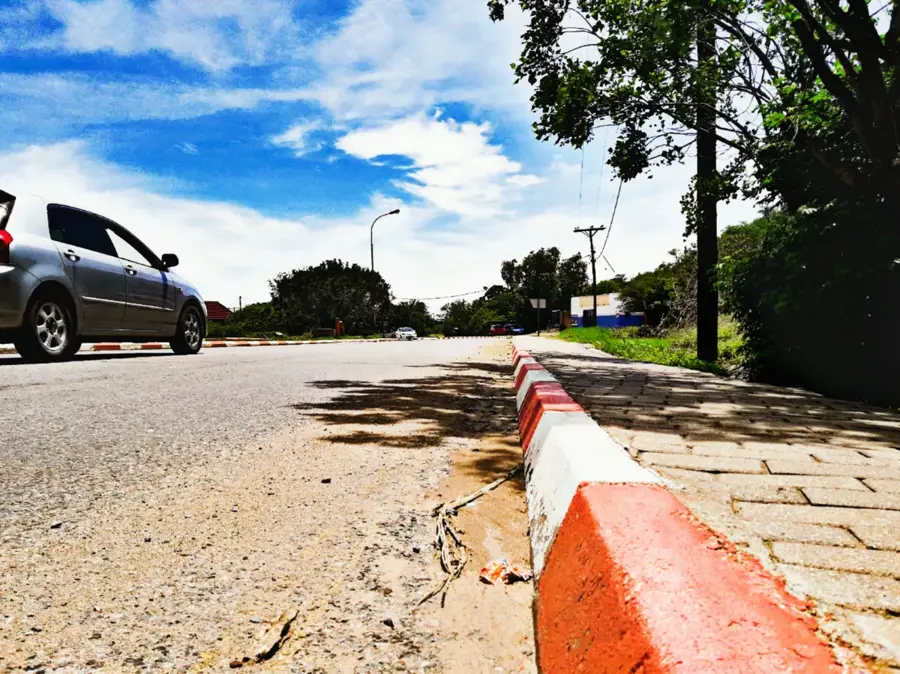
Serowe Royal Cemetery
Overlooking the village from a hill, the Royal Cemetery is a sacred landmark where generations of Bangwato royalty are laid to rest.
Learn more →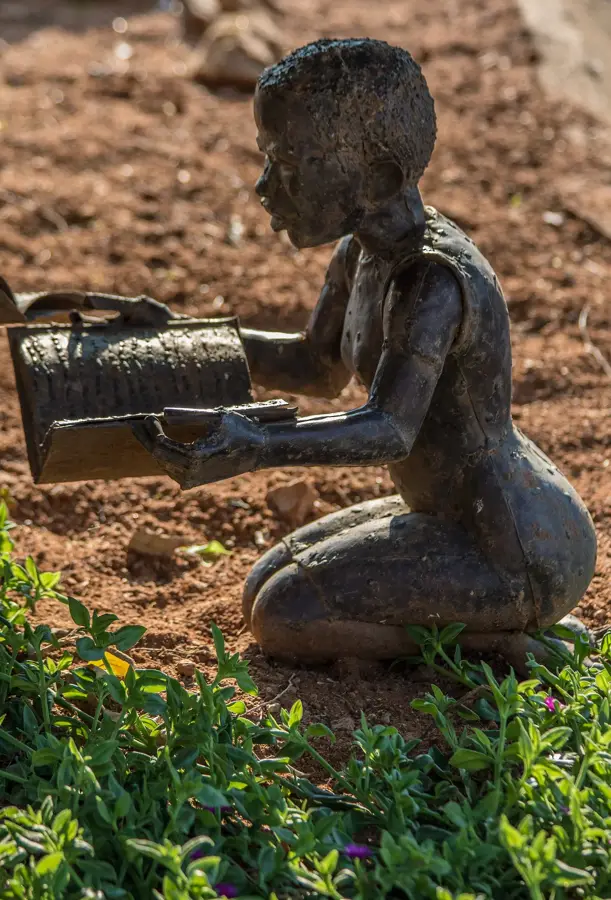
Sir Seretse Khama Statue
This statue in the heart of Gaborone honors Sir Seretse Khama, the founding president of independent Botswana.
Learn more →Nature
More highlights
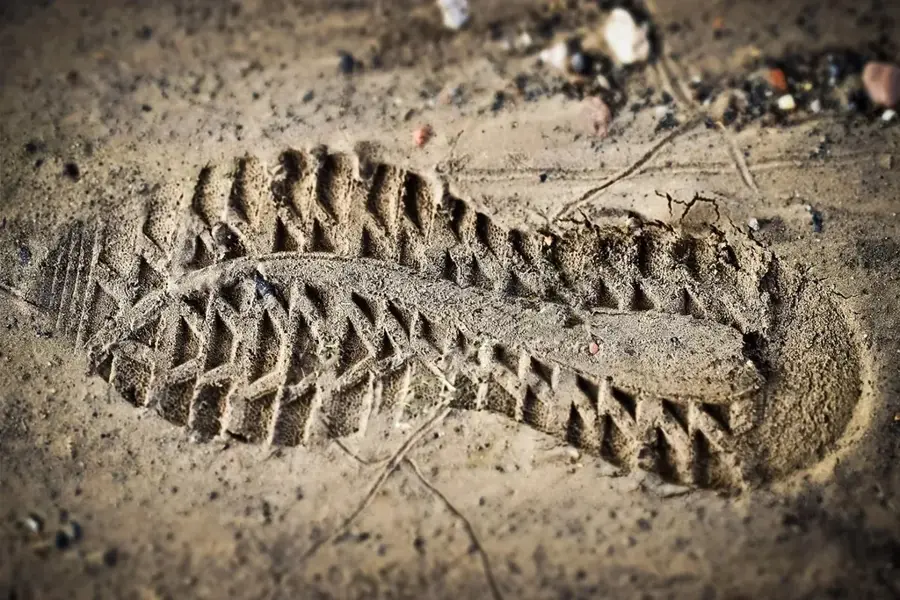
Matsieng Footprints
Matsieng is a significant cultural site featuring rock carvings, including large human-like footprints central to Tswana creation myths.
Learn more →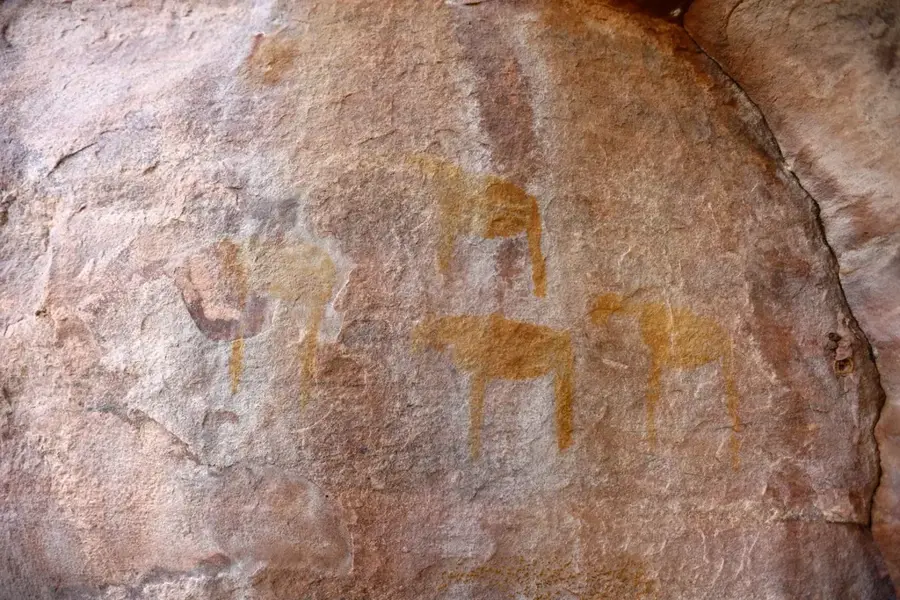
Manyana Rock Paintings
These ancient rock paintings near Manyana village are believed to have been created by the San people over 2,000 years ago.
Learn more →
Gcwihaba Caves
Gcwihaba Caves are a remote geological wonder featuring massive stalactites and stalagmites with deep ties to local oral history.
Learn more →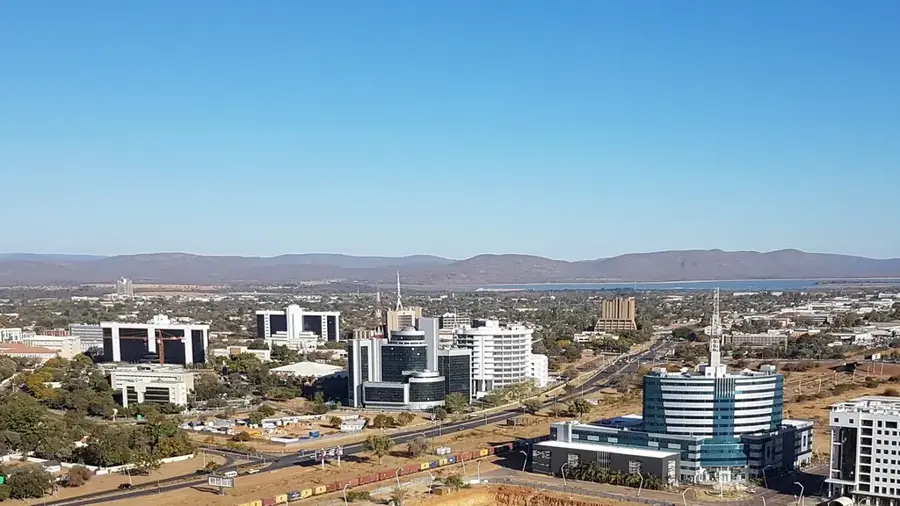
Orapa Diamond Mine Monument
This monument commemorates the 1967 discovery of diamonds at Orapa, which transformed Botswana's economic future.
Learn more →
Khama III Memorial Museum
Located in Serowe, this museum preserves the history of the Khama dynasty and the cultural heritage of the Bangwato people.
Learn more →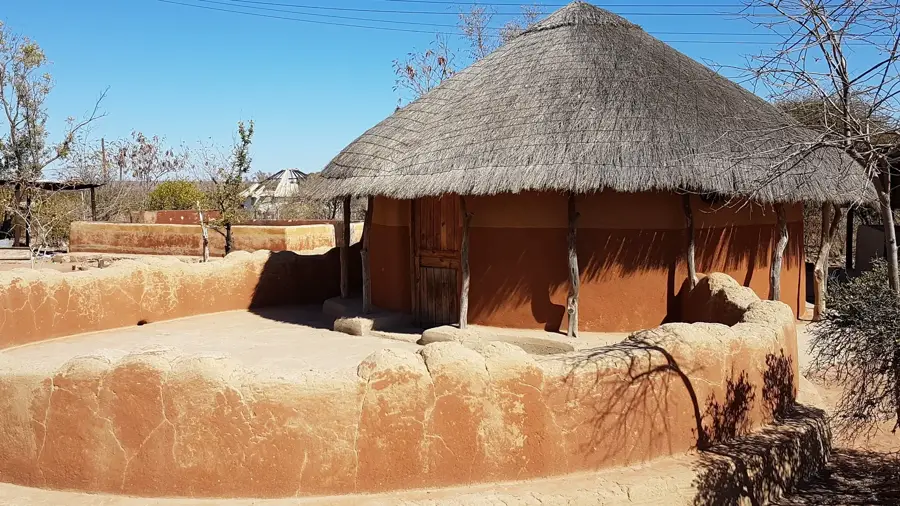
Kgosi Sechele I Museum
Housed in a former police station in Molepolole, this museum tells the story of the Bakwena and their leader Sechele I.
Learn more →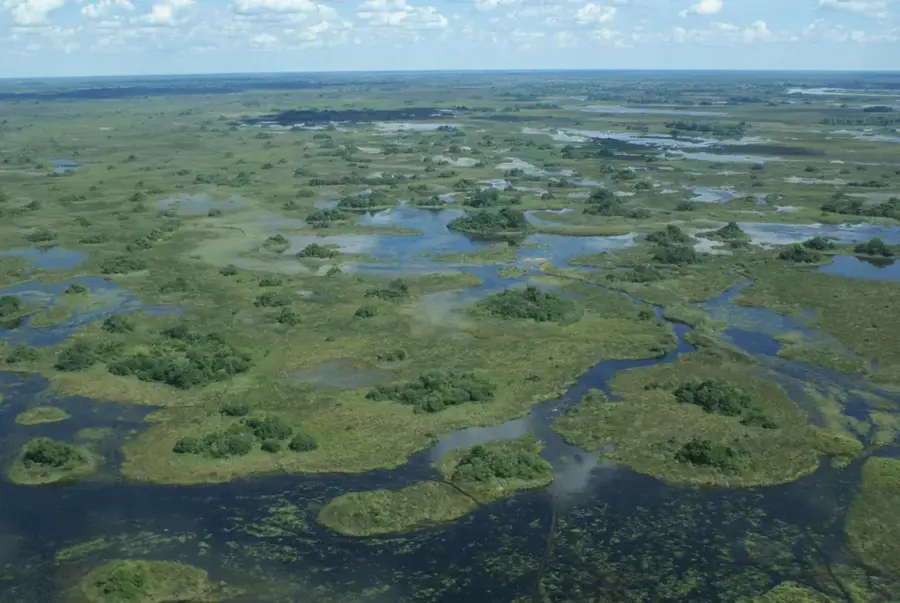
Mababe Depression
The Mababe Depression is a vast, flat basin that was once part of the ancient Lake Makgadikgadi, now a seasonal marshland.
Learn more →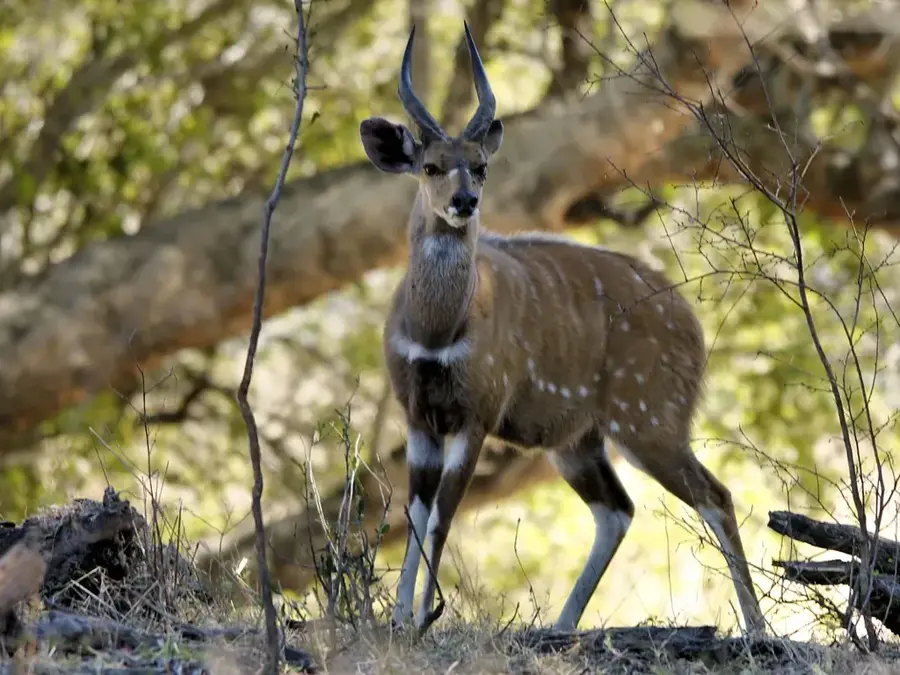
Moremi Gorge
This scenic gorge in the Tswapong Hills is a sacred site for the local community, featuring permanent waterfalls and ancient shrines.
Learn more →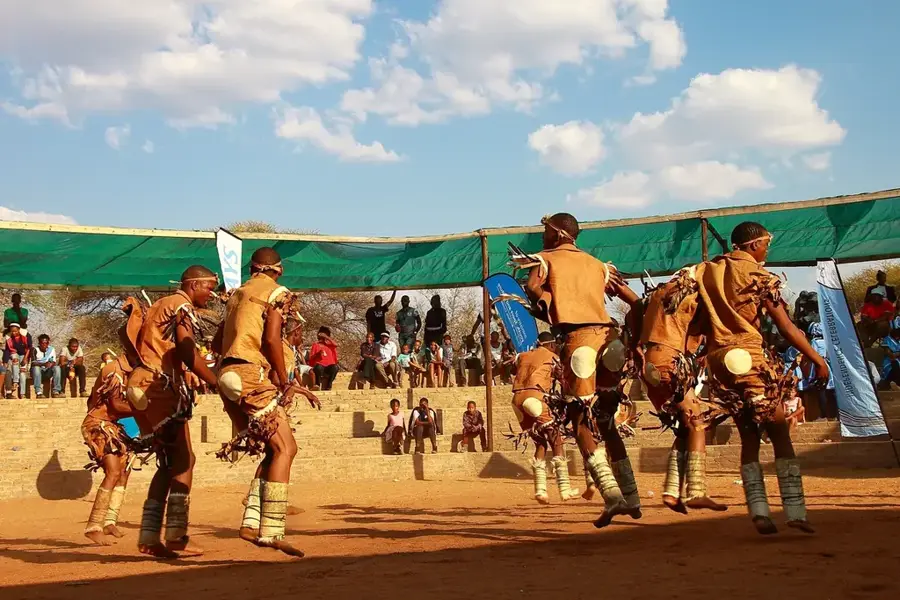
Ntsweng Heritage Site
Ntsweng was the former capital of the Bakwena people before they moved to present-day Molepolole in 1937.
Learn more →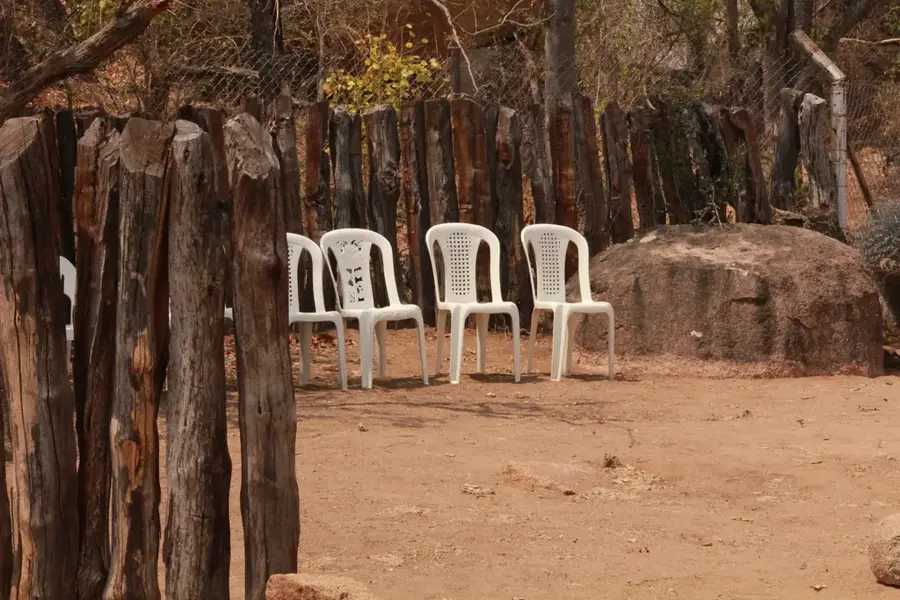
Kanye Kgotla
The Kanye Kgotla serves as the administrative and judicial center for the Bangwaketse tribe, one of the oldest settlements in Botswana.
Learn more →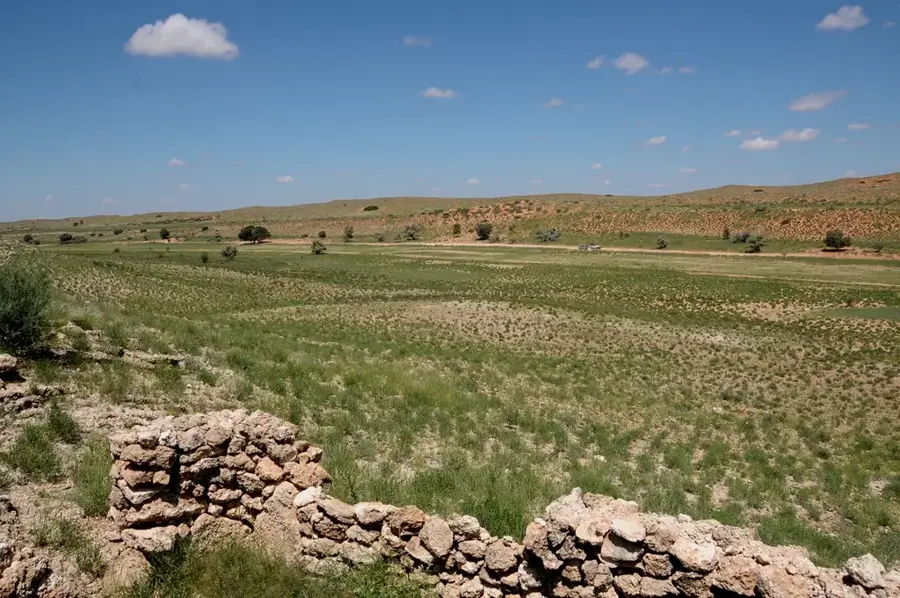
Nossob River
The Nossob River is a fossil riverbed forming the border with South Africa within the Kgalagadi Transfrontier Park.
Learn more →
Lepokole Hills
The Lepokole Hills contain significant rock art and archaeological sites linked to the San people and early Tswana settlements.
Learn more →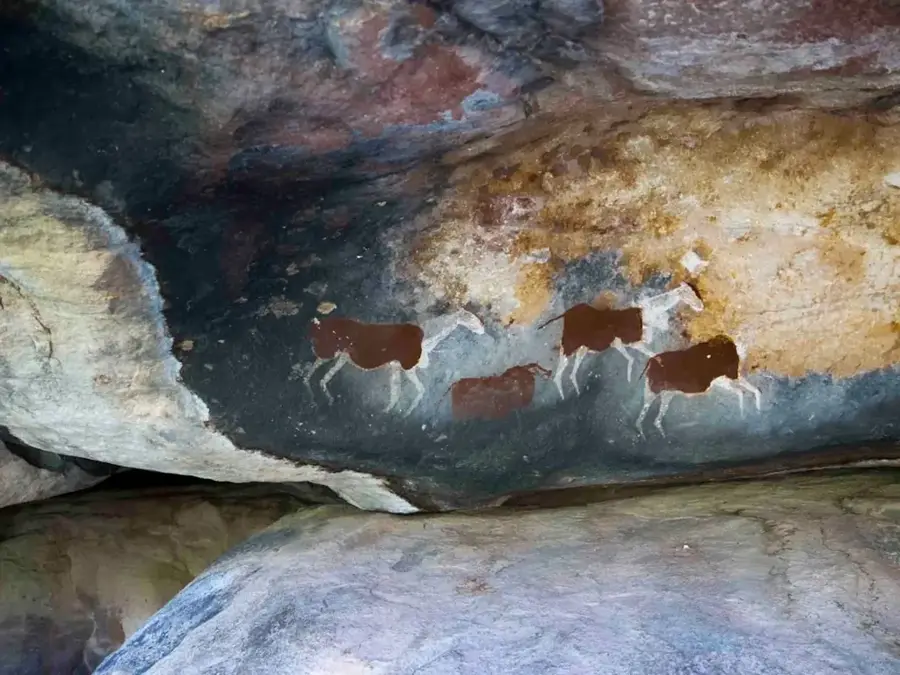
Motlhabaneng Rock Paintings
The Motlhabaneng rock art site in the Tuli Block features well-preserved paintings of animals and human figures.
Learn more →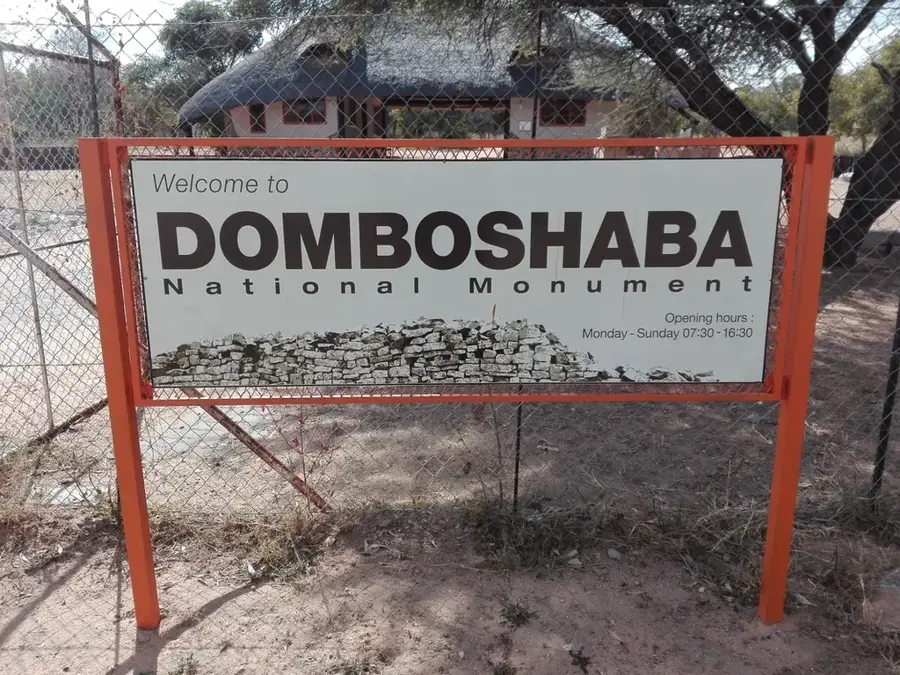
Domboshaba Ruins
Domboshaba is an iron-age stone walled settlement that served as a regional capital for the Great Zimbabwe-style culture.
Learn more →
Mochudi Kgotla
The Kgotla in Mochudi is the traditional public meeting place and court of the Bakgatla-ba-Kgafela people.
Learn more →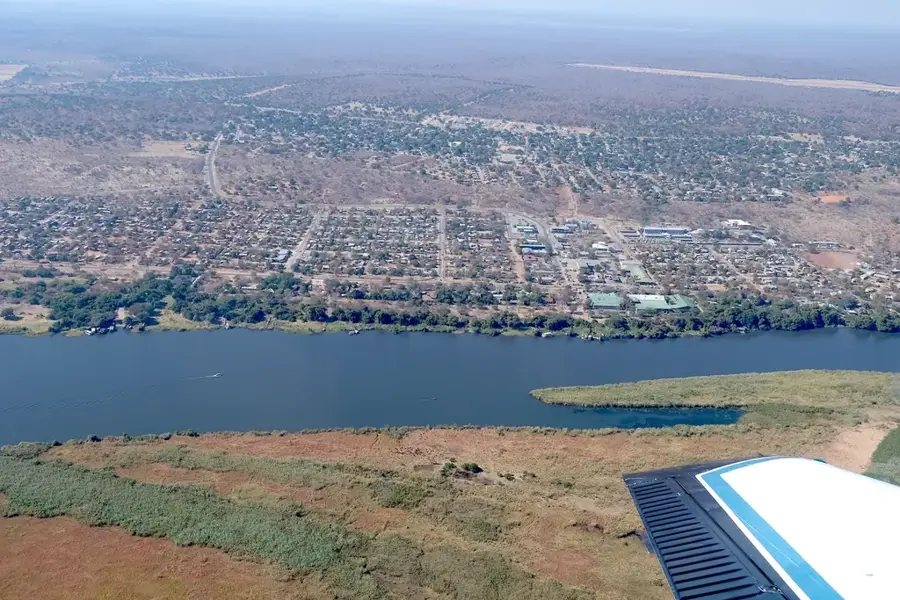
Kasane Baobab
This enormous hollow baobab tree in Kasane once served as a local prison and now stands as a popular historical landmark.
Learn more →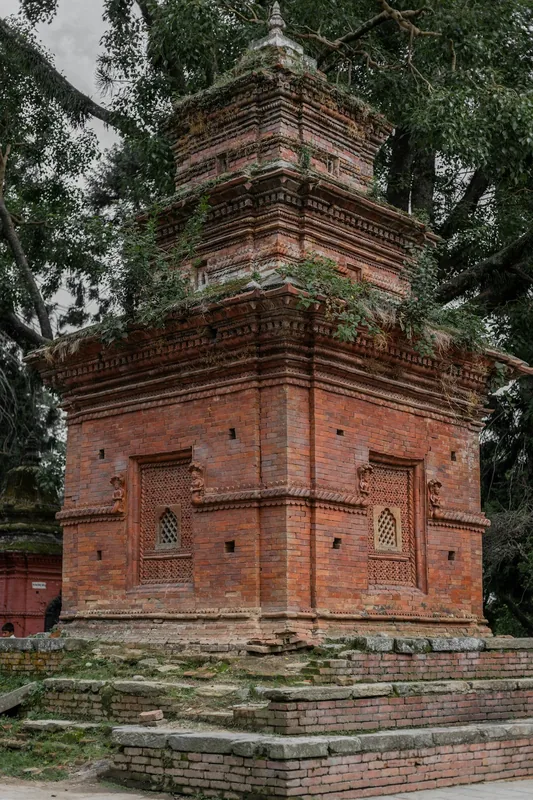
Shoshong Historic Site
Shoshong was once a major regional trade hub and the capital of several Tswana tribes during the 19th century.
Learn more →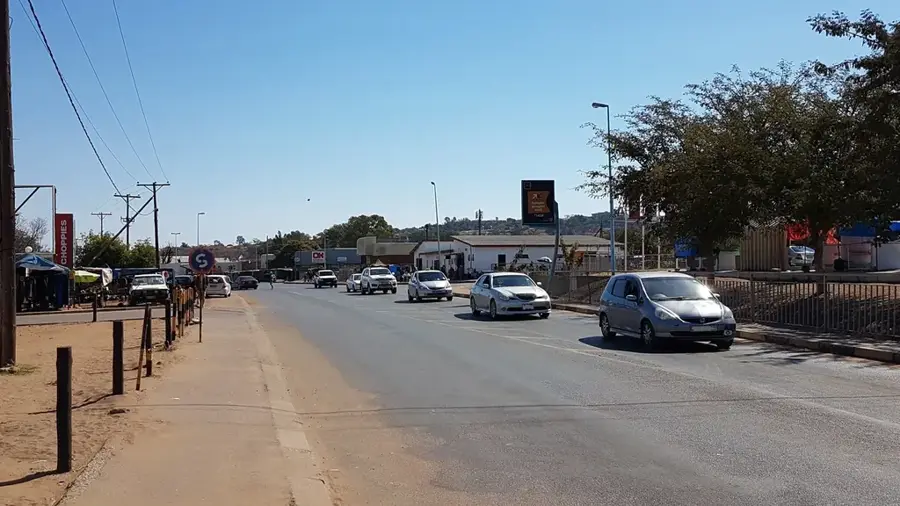
Jwaneng Plateau
The Jwaneng Plateau is an elevated region in south-central Botswana, notable for its significant mineral wealth beneath the surface.
Learn more →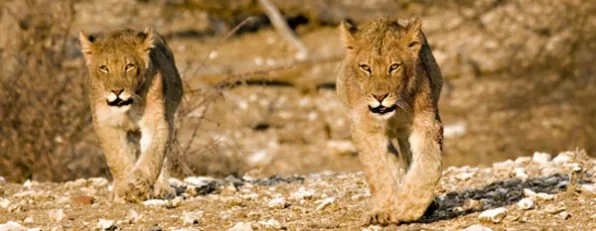
Tuli Block Cattle Farming
The Tuli Block is a major agricultural zone where large-scale cattle ranching is a central part of the local way of life.
Learn more →
Kalahari Desert
The Kalahari is a vast basin of sand and the largest continuous sand surface on Earth.
Learn more →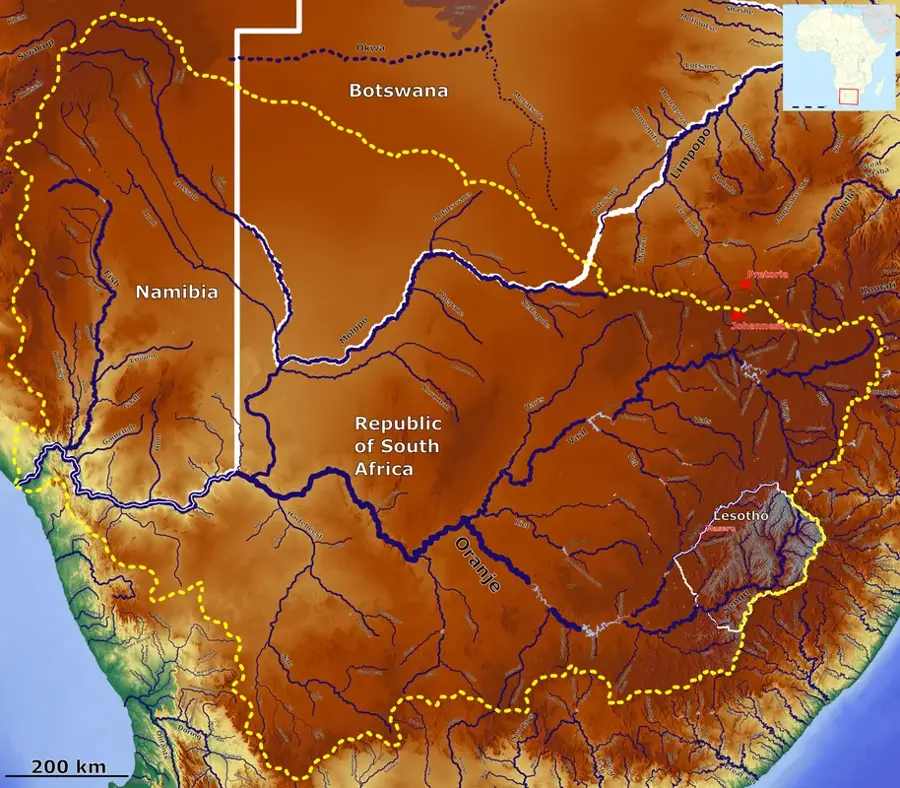
Moshaweng River
The Moshaweng is a seasonal river in southern Botswana, typical of the dry drainage systems found in the Kalahari region.
Learn more →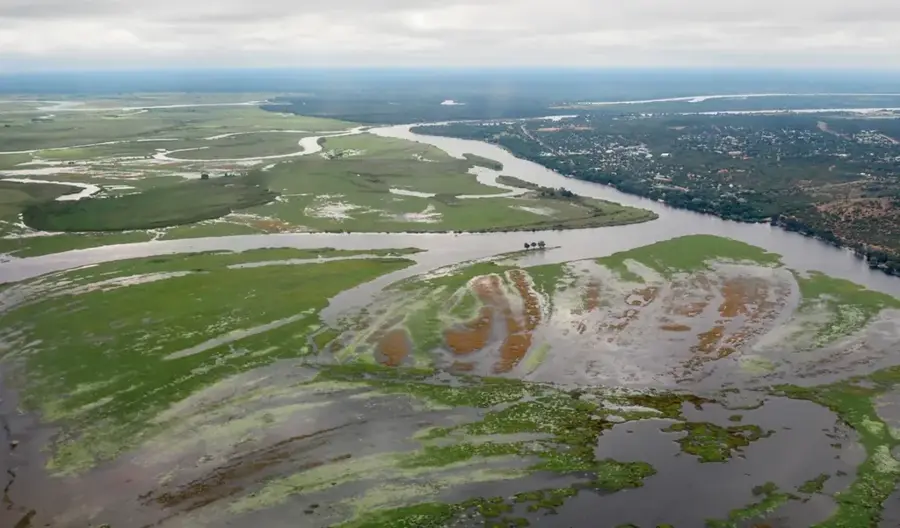
Selinda Spillway
The Selinda Spillway is a unique waterway that can connect the Okavango Delta to the Linyanti River system during high floods.
Learn more →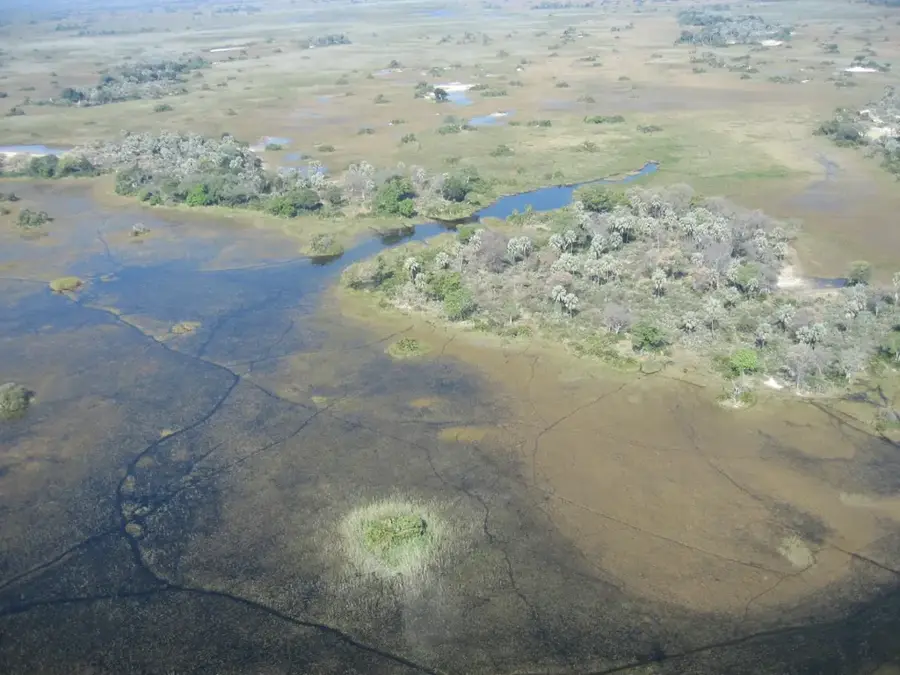
Okavango Delta
One of the largest inland deltas in the world, ending in the Kalahari Desert.
Learn more →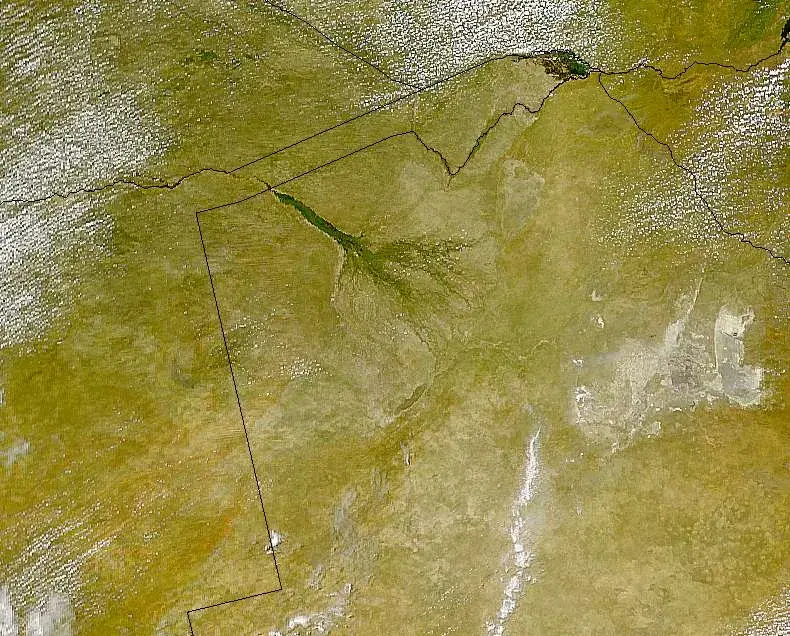
Makgadikgadi Pans
One of the world's largest salt pans, important for migratory flamingos.
Learn more →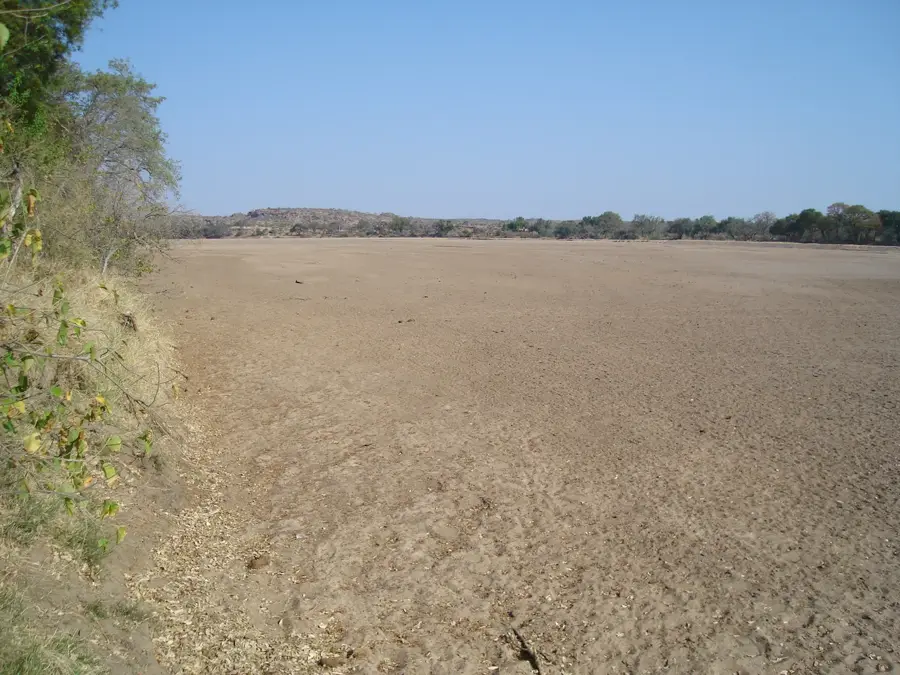
Shashe River
The Shashe River is a major ephemeral river that forms part of the international border between Botswana and Zimbabwe.
Learn more →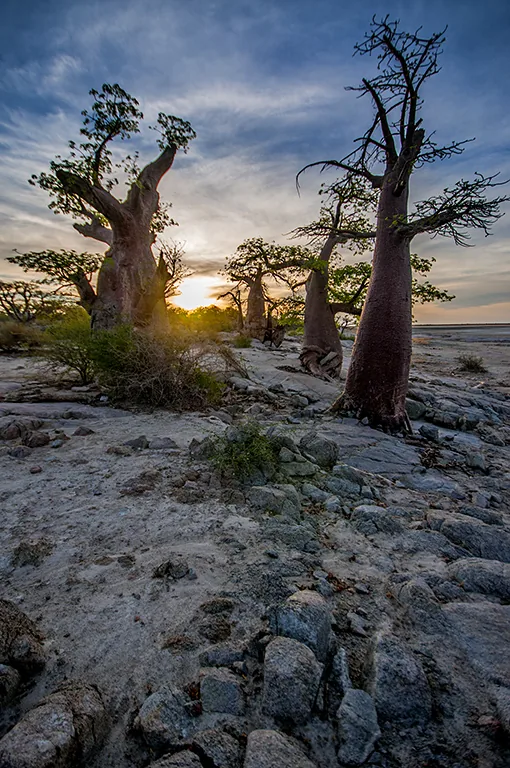
Letlhakane Depression
The Letlhakane Depression is a low-lying basin in central Botswana characterized by pans and significant kimberlite deposits.
Learn more →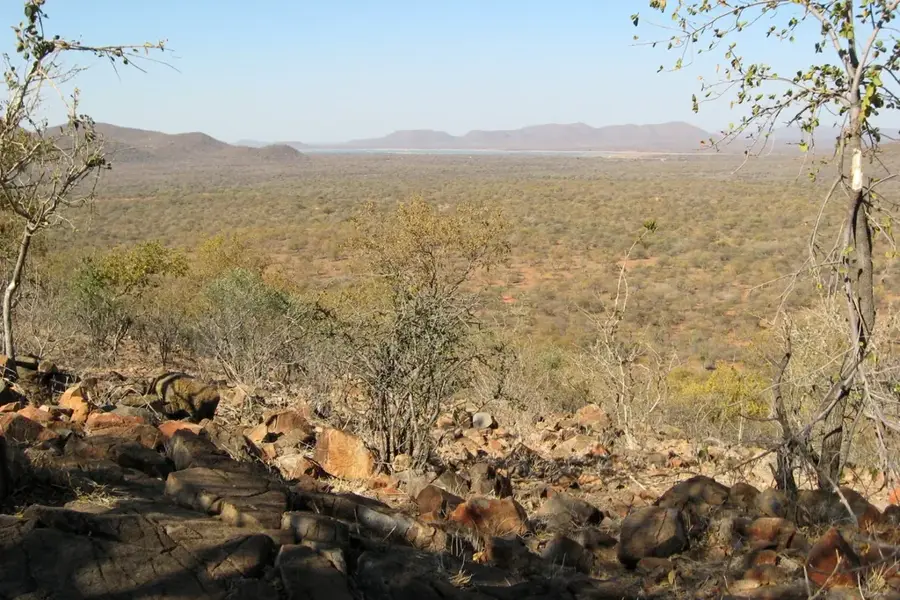
Mokolodi Nature Reserve
An educational center for nature conservation with many interactive opportunities.
Learn more →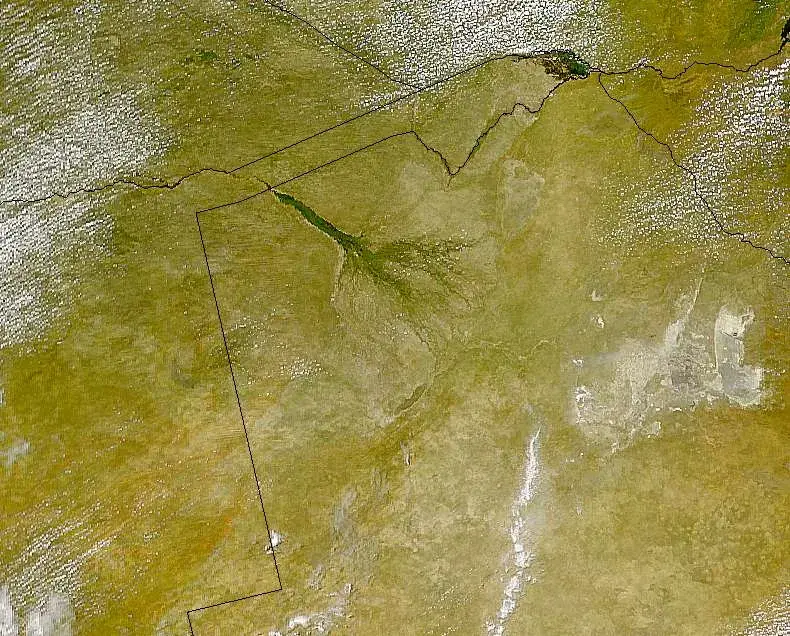
Makgadikgadi Zebra Migration
A spectacular natural phenomenon when zebras migrate across the pans.
Learn more →Frequently asked questions
What are the top attractions in Botswana?
Among the most popular are Kazungula Bridge, Three Dikgosi Monument, Gaborone International Convention Centre, UB Administration Block, Supa Ngwao Museum and many more – the full top 50 list is on this page.
When is the best time to visit Botswana?
May to October offers the most pleasant weather; July and August are warmest and busiest.