Plizio Visual Lab

Tuli Block Cattle Farming
Plizio editorial teamData Sources
Agriculture
—°6
Tuli Block Cattle Farming (Botswana)

Weather…

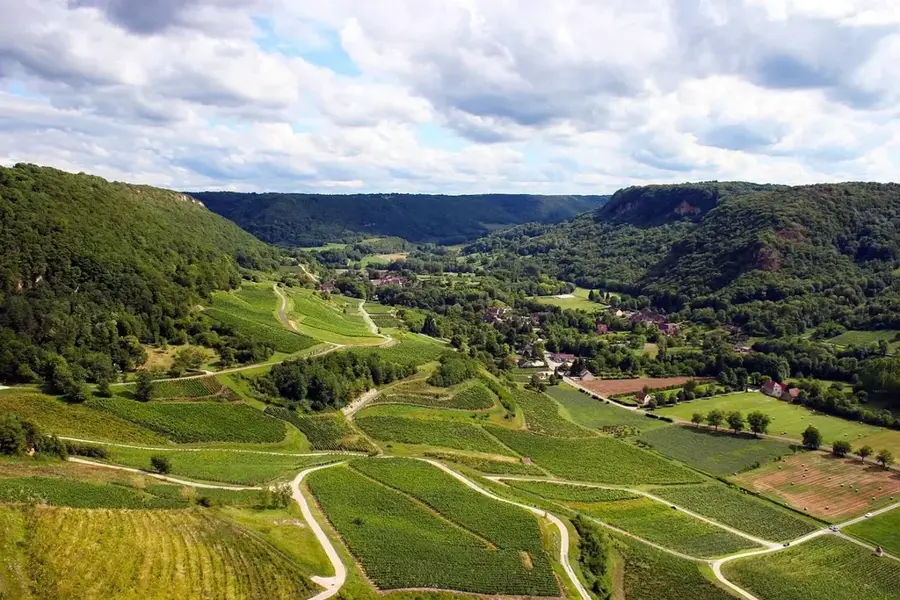
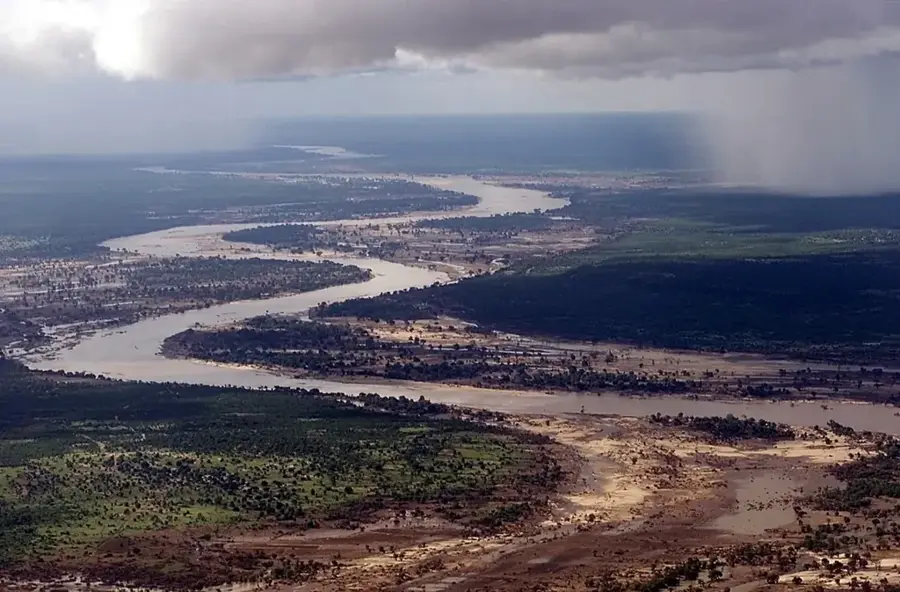
The Tuli Block is a narrow strip of land in the far east of Botswana, stretching along the borders of South Africa and Zimbabwe. Unlike much of the rest of the country where land is communally held, the Tuli Block consists predominantly of privately owned freehold farms. The region holds significant historical importance, having been ceded to Cecil Rhodes' British South Africa Company in the late 19th century for a proposed railway line. Today, the Tuli Block is a powerhouse of commercial agriculture and livestock farming, supported by the fertile alluvial soils along the Limpopo River. In addition to high-quality cattle ranching, the area supports intensive crop production, including irrigated citrus, cotton, and maize. The region is also famous for its distinct 'Hardveld' geography, featuring dramatic basalt formations and massive Mashatu trees. The coexistence of large-scale farming operations and private wildlife reserves makes the Tuli Block a key model for integrated land-use management in Botswana.

Best time to visit & climate

The most pleasant time to visit is May, Aug, Sep.

JanFebMarAprMayJunJulAugSepOctNovDec
Avg °C272726232017172023262727
Rain mm7761431953116235981

📋 Practical info

🏭
What is this place?
The Tuli Block region is a major agricultural zone where livestock farming is central to the local economy and culture. Visitors can witness the pastoral way of life and understand the importance of cattle ranching for Botswana's rural communities.
🚪
Visiting
The cattle ranches are typically private property, but the vast grazing lands are visible from public roads. Some farms may offer guided visits by prior arrangement.
👀
Where to view it
The best viewpoints are from the main roads crossing the Tuli Block, especially near the Limpopo River. Elevated areas provide panoramic views of the savanna and cattle herds.
🧺
Local products
Beef and leather goods are typical local products found in markets. Seasonal specialties include biltong (dried meat) and traditional dairy products.
📆
Active season
The cattle farming cycle peaks during the dry winter months (May to October) when herds are moved. The rainy season (November to April) brings calving and increased agricultural activity.
Nearby
Combine a visit with the Tuli Game Reserve or the Limpopo River for wildlife viewing. Nearby towns like Selebi-Phikwe offer cultural and historical experiences.

Geography

Coordinates
-22.50000, 28.50000

Facts

  • The region is approximately 10 to 20 kilometers wide and 400 kilometers long.
  • The strip was originally intended for the Cape-to-Cairo railway route.
  • The Limpopo River defines the entire southern boundary of the Tuli Block.
  • It contains some of the largest private game reserves in Botswana, like Mashatu.
  • The area is a major contributor to Botswana's commercial beef exports.
  • Geological features such as Solomon's Wall are iconic landmarks in the region.

Explore nearby

Notable places around
Route planner — Car & Motorhome

Where do you start? We build the route here, with stops and country notes along the way.

Vehicle
Only stops with (optional):

© OpenStreetMap contributors · OpenRouteService

Sights in the town Tuli Block Cattle Farming (6)

Limpopo River Viewpoint🌿 nature

The Limpopo River Viewpoint looks down upon the sandy riverbeds and lush riparian forests tracing the international border.

Sipping Pools🌿 nature

The Sipping Pools are natural rock depressions where seasonal rains collect, drawing diverse birdlife and thirsty savanna mammals.

Old Maritz Farm🏺 historical

These weathered farm ruins in the Tuli Block reflect the region's early agricultural history and rugged pioneer life.

Klopper House🏺 historical

The stone remains of this former homestead lie scattered across the agricultural landscape of the Tuli Block.

Sundowners Spot🌿 nature

This elevated natural vantage point in the Tuli Block is ideally situated for watching the colorful evening sunsets over the savanna.

Elephant Castle Area🎡 recreation

Situated in the Tuli Block, this enclosed wildlife area is dedicated to observing and protecting majestic local elephant herds.

Sights nearby

Frequently asked questions

Why is cattle farming important in the Tuli Block?
It is an economic pillar, providing high-quality beef for export.
Can you visit a cattle farm?
Some farms offer tours by appointment to show daily farm life.
How do cattle and wildlife coexist?
Conflicts with predators are common, so fences and herders are used for protection.
Is the meat from the region special?
Yes, Batswana beef is world-renowned for its natural rearing and high quality.
When is cattle driving done?
Mostly early morning or late afternoon to protect the animals from the heat.
Tuli Block Cattle Farming: where is it located?
Tuli Block Cattle Farming is located in Botswana.
Tuli Block Cattle Farming: what is there to see?
Highlights include Limpopo River Viewpoint, Sipping Pools, Old Maritz Farm.
Tuli Block Cattle Farming: when is the best time to visit?
The most pleasant time to visit is May, Aug, Sep.
Tuli Block Cattle Farming: why is it worth visiting?

The Tuli Block is a narrow strip of land in the far east of Botswana, stretching along the borders of South Africa and Zimbabwe.
View on map → The Top 50 Attractions → OpenStreetMap →
Africa
Explore with Plizio Discover more places in Africa
More places in Botswana →

History & landmarks

More places