Plizio Visual Lab
Okavango Delta
Weather…
Water temperature…
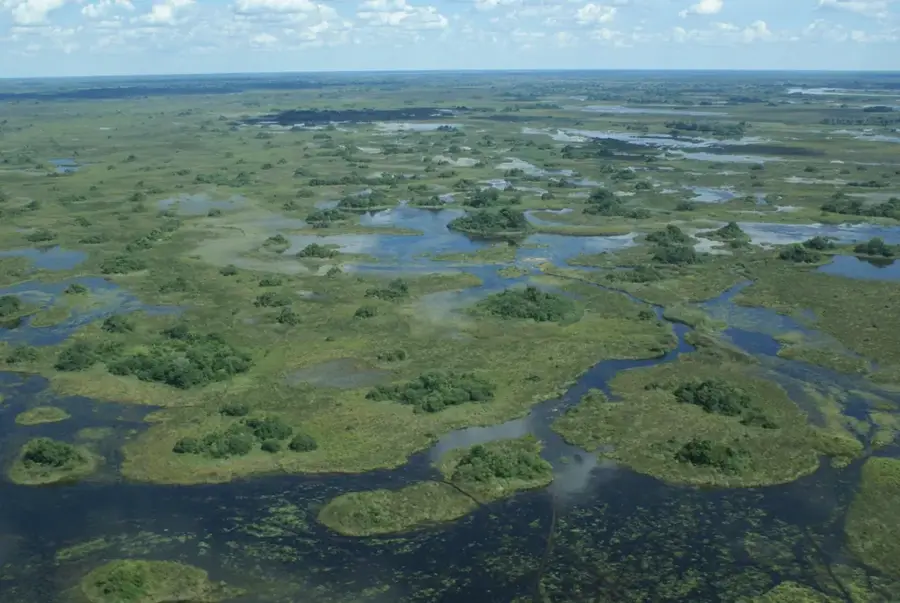
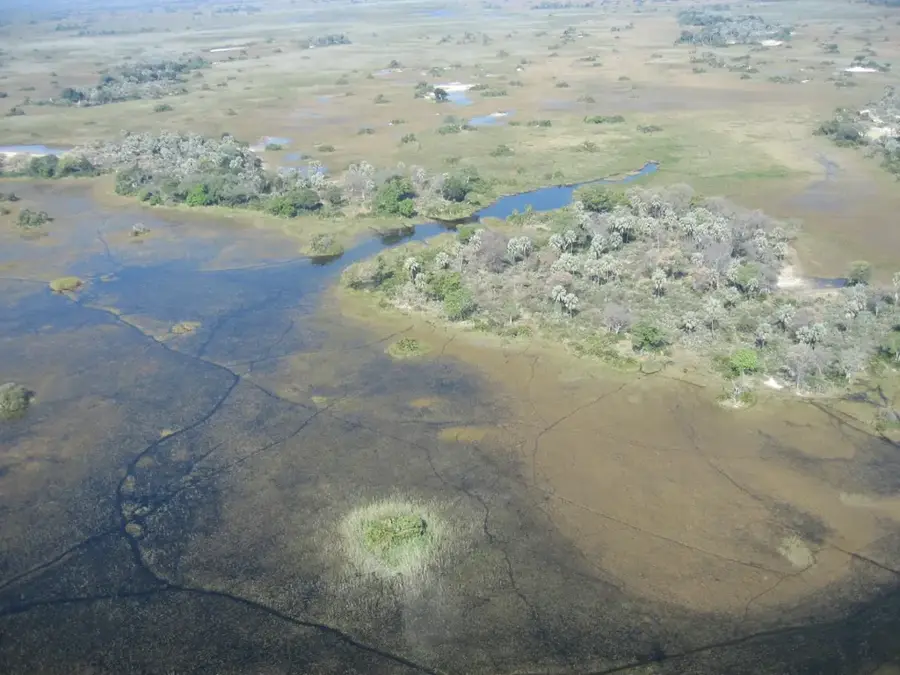
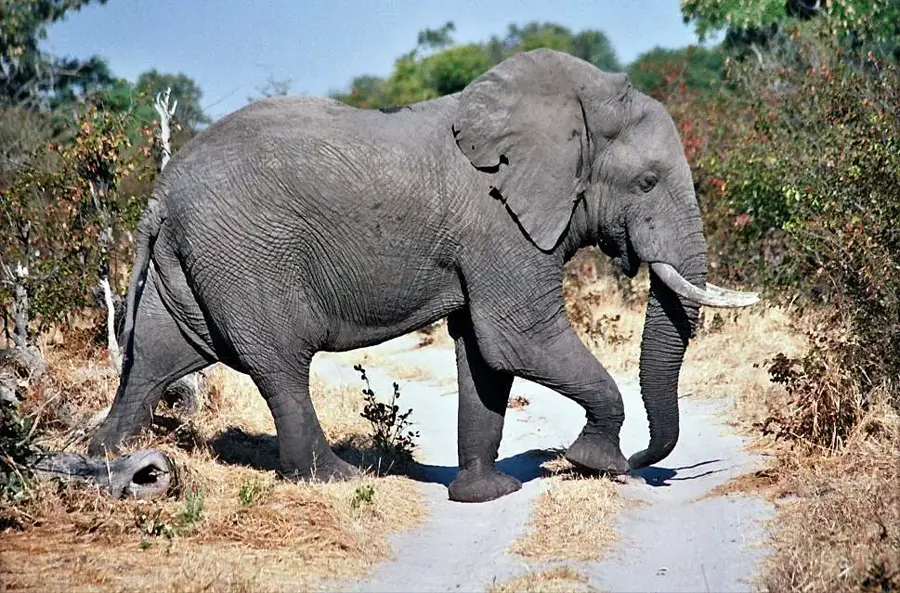
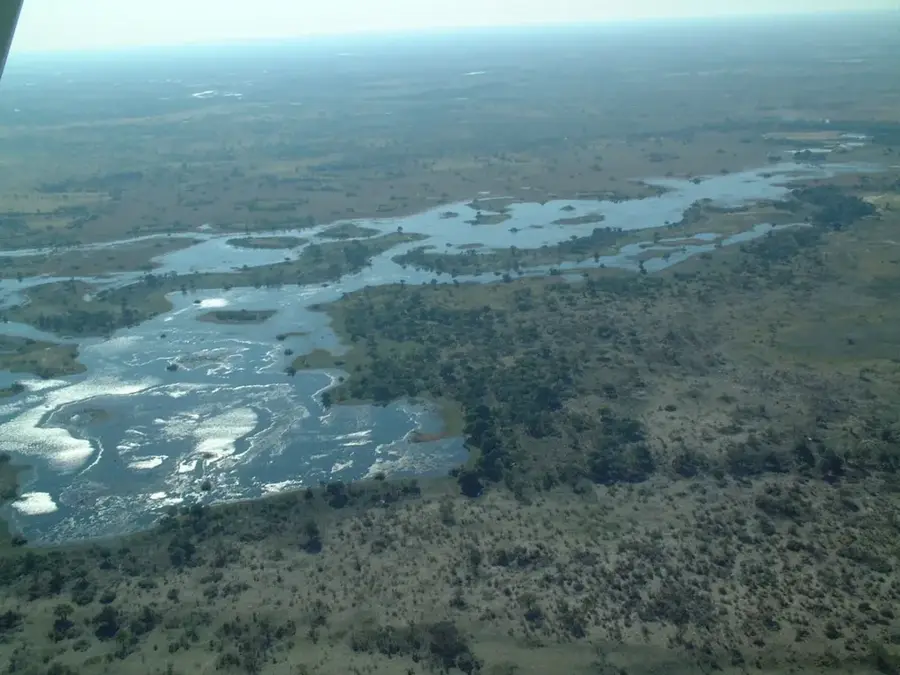
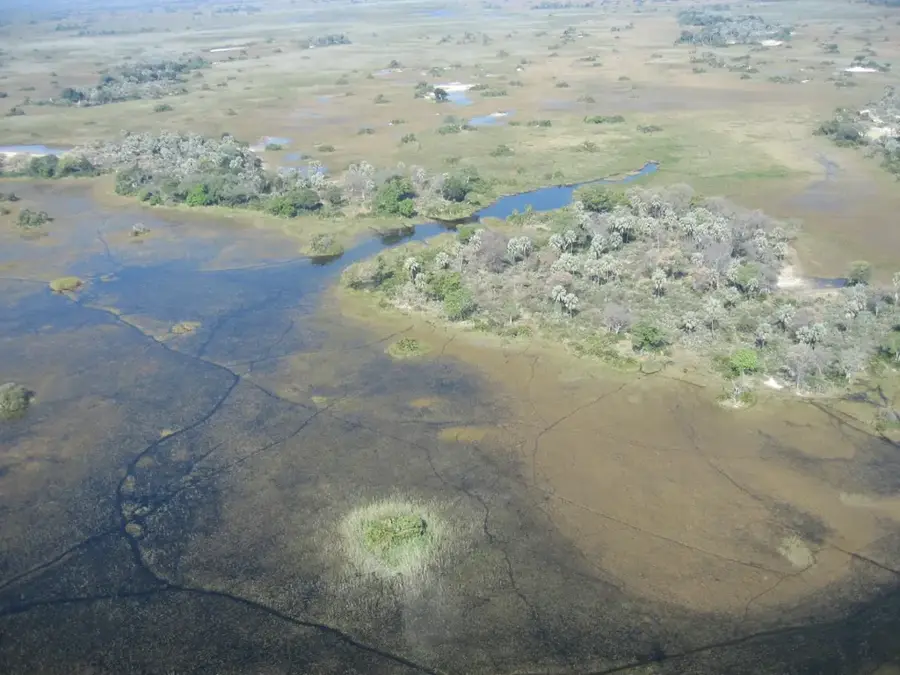
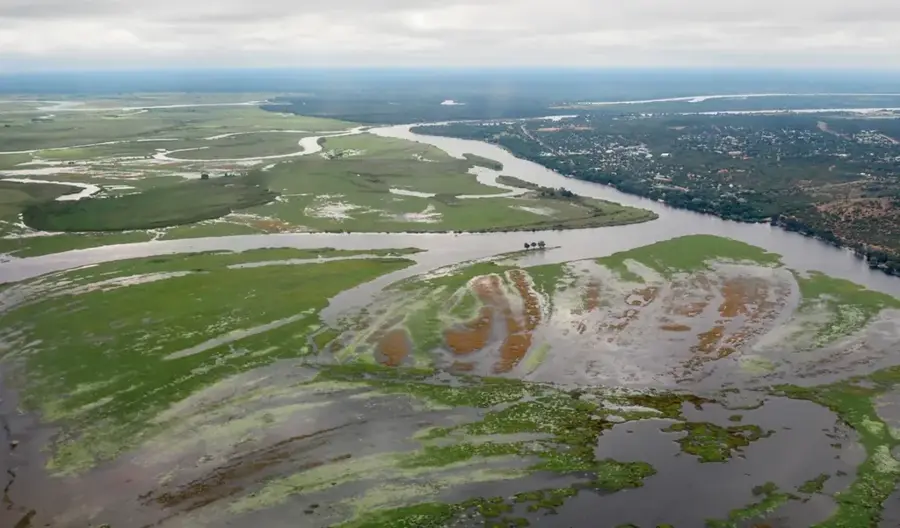
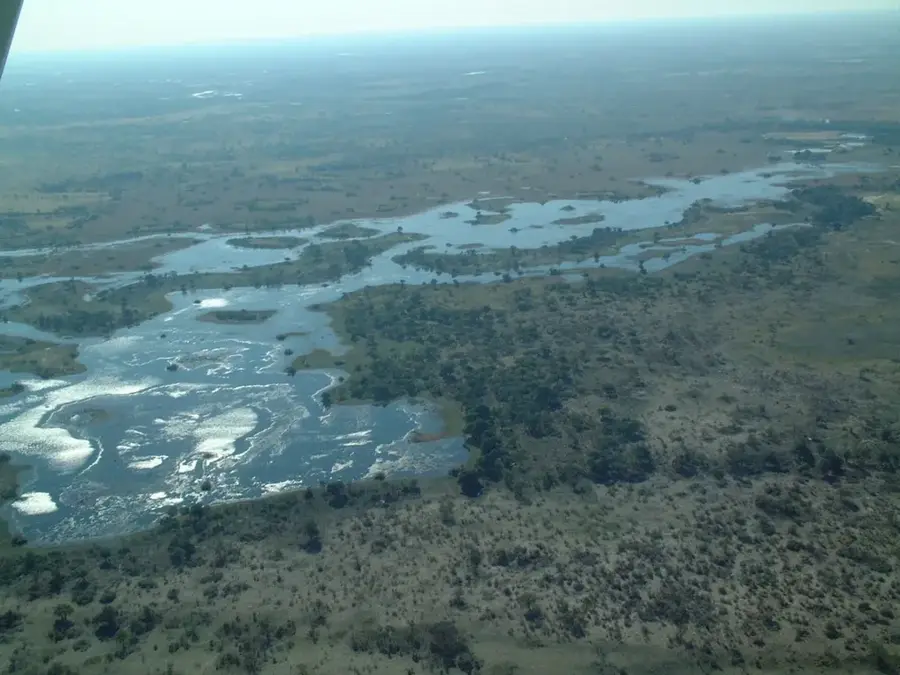
The Okavango Delta in northwestern Botswana is one of the world's largest and most famous inland deltas, designated a UNESCO World Heritage site in 2014. It is formed where the Okavango River, originating in the Angolan highlands, flows into the flat Kalahari basin and dissipates into a labyrinth of channels, lagoons, and islands instead of reaching the sea. Each year during winter (May to August), the floodwaters from Angola reach the delta, transforming the parched landscape into a thriving wetland of up to 15,000 square kilometers. This unique ecosystem sustains an immense concentration of wildlife, including elephants, hippos, crocodiles, and the rare African wild dogs. Vegetation primarily consists of papyrus reed, reeds, and water lilies, while the islands are dotted with fan palms and large trees like the sausage tree. Traditionally, local inhabitants have used the area for fishing and transport via mokoro, a dugout canoe that has become a symbol of sustainable tourism in the delta. Geologically, the delta is an active tectonic basin created by the southern extension of the Great African Rift Valley.
- Location: Botswana
- Top sights: Eastern Pan · Tully Tully Bridge · Little Mombo Rutanda
Best time to visit & climate
The most pleasant time to visit is May, Jun, Aug.
| Jan | Feb | Mar | Apr | May | Jun | Jul | Aug | Sep | Oct | Nov | Dec | |
|---|---|---|---|---|---|---|---|---|---|---|---|---|
| Avg °C | 27 | 26 | 26 | 24 | 21 | 18 | 17 | 21 | 25 | 29 | 29 | 28 |
| Rain mm | 131 | 102 | 77 | 25 | 2 | 3 | 0 | 0 | 2 | 13 | 48 | 108 |
📋 Practical info
Geography
Facts
- The Okavango Delta was inscribed as the 1,000th site on the UNESCO World Heritage List in 2014.
- The Okavango River travels a distance of about 1,600 kilometers before ending in the delta.
- The annual flood from Angola takes about six months to travel through the entire delta.
- Approximately 95% of the water flowing into the delta evaporates or transpires through plants.
- There are estimated to be 150,000 islands in the delta, with Chief's Island being the largest.
- The area hosts one of the world's largest populations of the endangered African wild dog.
Explore nearby
Notable places around


Route planner — Car & Motorhome
Where do you start? We build the route here, with stops and country notes along the way.
© OpenStreetMap contributors · OpenRouteService
Sights in the town Okavango Delta (5)
Sights nearby
Frequently asked questions
Does the Okavango Delta flow into the sea?
When is the best time to visit the delta?
Can you book scenic flights over the delta?
How deep is the water in the delta?
Is the Okavango Delta a UNESCO World Heritage site?
Okavango Delta: where is it located?
Okavango Delta: what is there to see?
Okavango Delta: when is the best time to visit?
Okavango Delta: why is it worth visiting?

History & landmarks
More places