Plizio Visual Lab
Paysandú
ℹ️Practical info — Paysandú
▾
🌤 Weather — 5 days
📍 Nearby
Sights nearby
💡 Tips
- Take a trip to the nearby Guaviyú hot springs for a relaxing day out.
- Travel like the locals using the city bus (ómnibus), which is cheap and practical.
- Note that the city gets very busy during the Beer Week (Semana de la Cerveza) around Easter, book accommodation early.
- Try the local mate tea, you will see people carrying thermoses everywhere.
🍽 Food
A peach sponge cake invented here; try it at traditional bakeries.
Uruguayan barbecue; at steakhouses near the waterfront.
A hearty steak sandwich; at traditional parrilladas in the center.
🛍 Shopping · 🧘 Quiet spots
Local red wine; in supermarkets or at nearby wineries (bodegas).
High-quality leather goods; at small artisanal shops downtown.
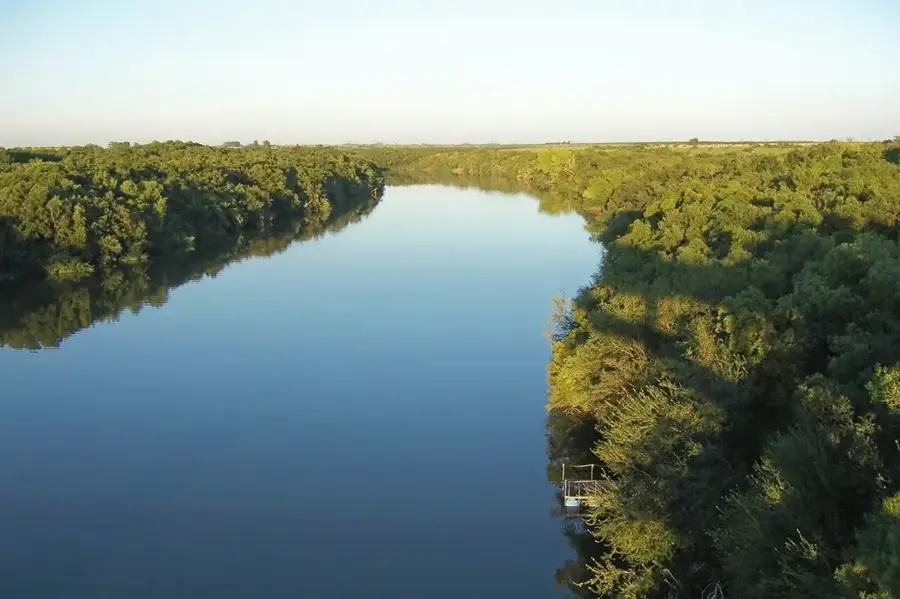
Waterfront promenade for a beautiful walk along the Río Uruguay.
The old cemetery has a calm, historical atmosphere with impressive sculptures.
Water temperature…
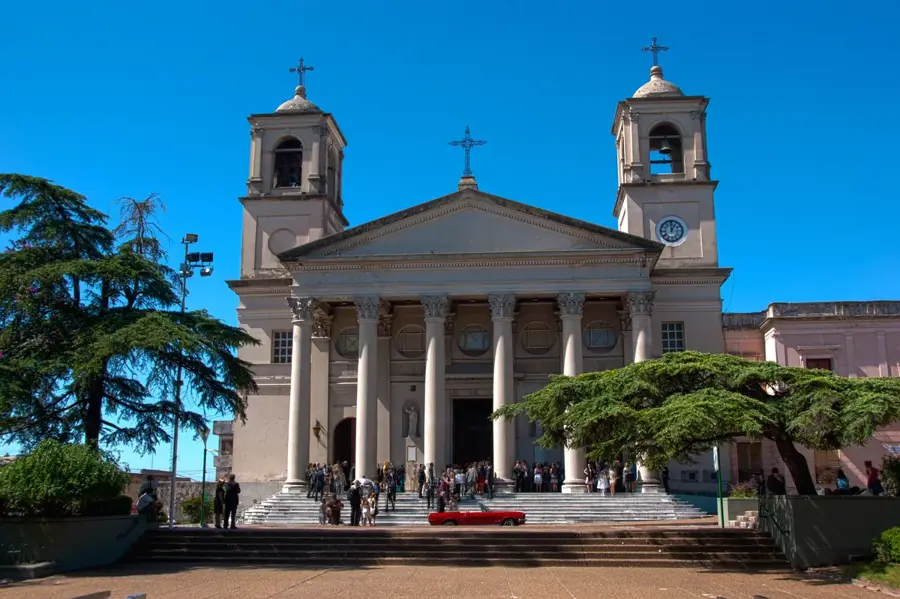
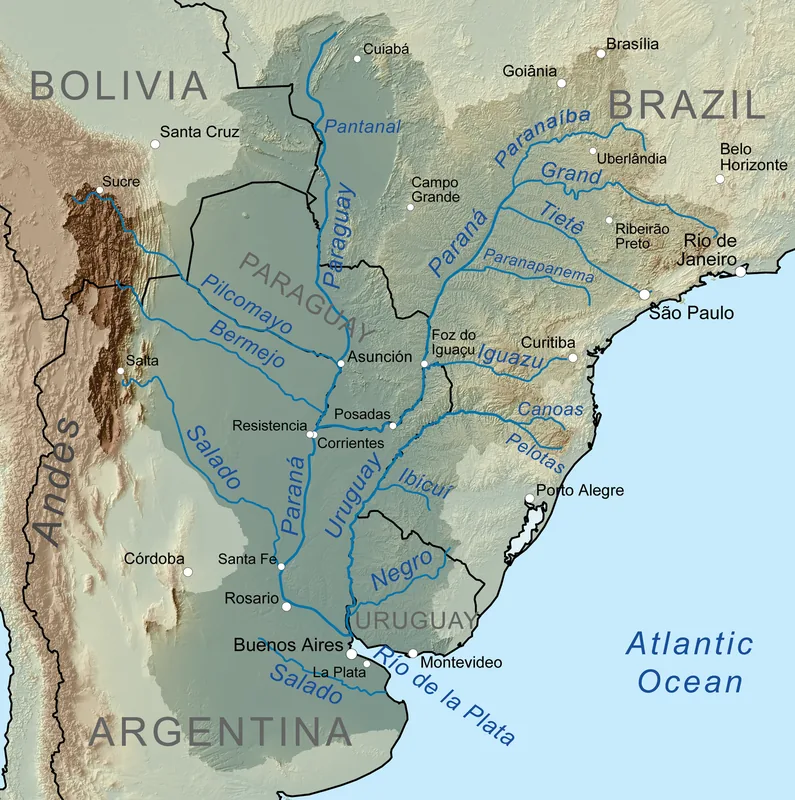
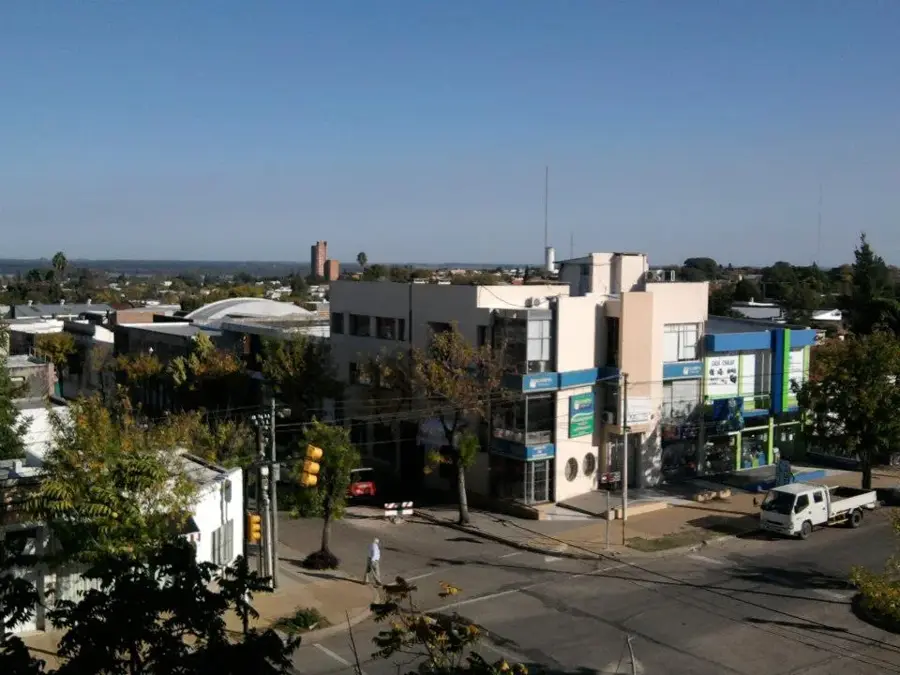
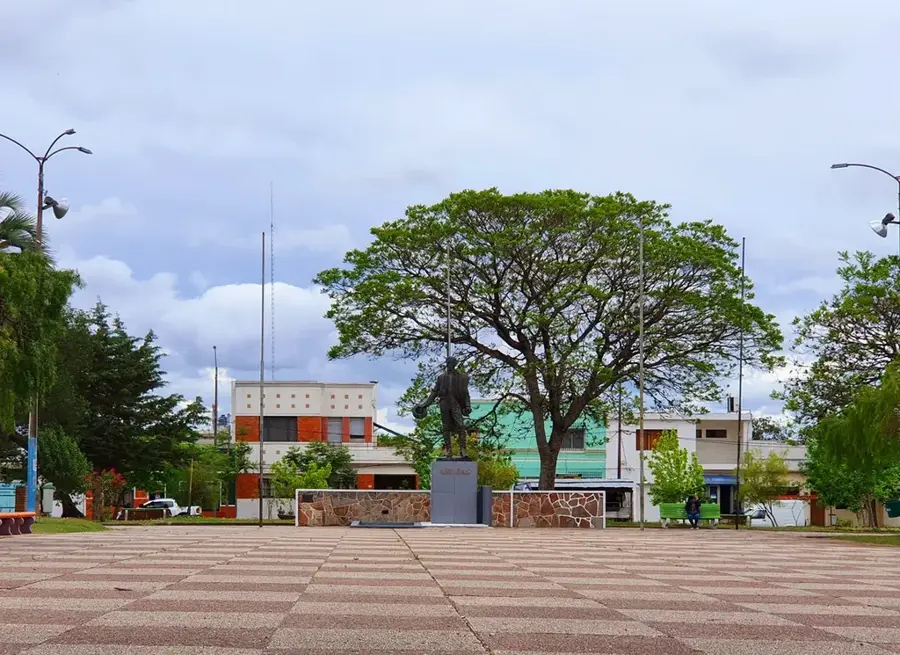
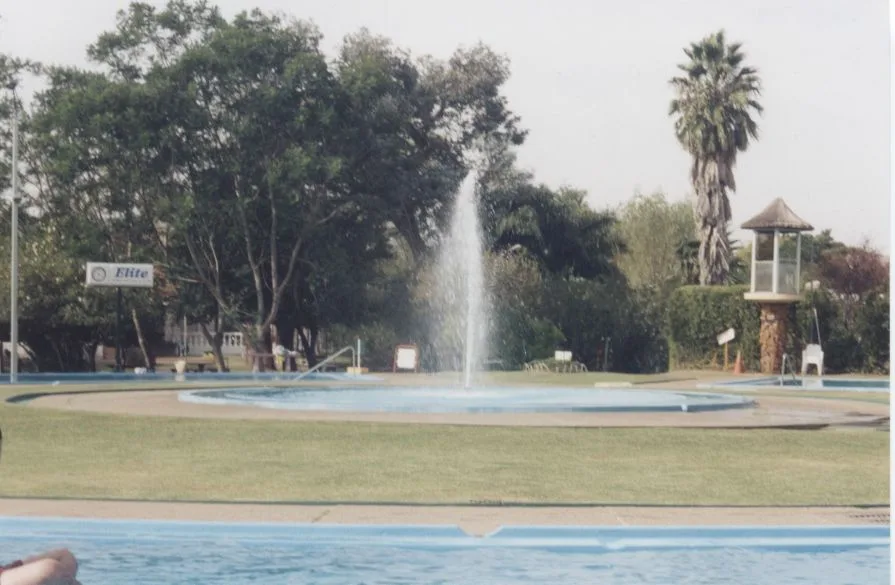
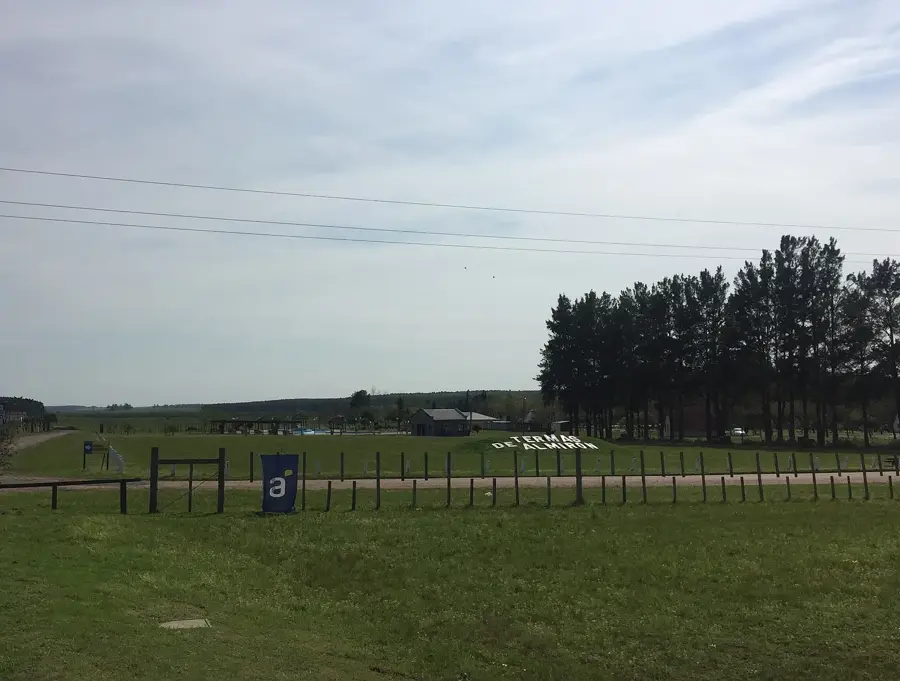
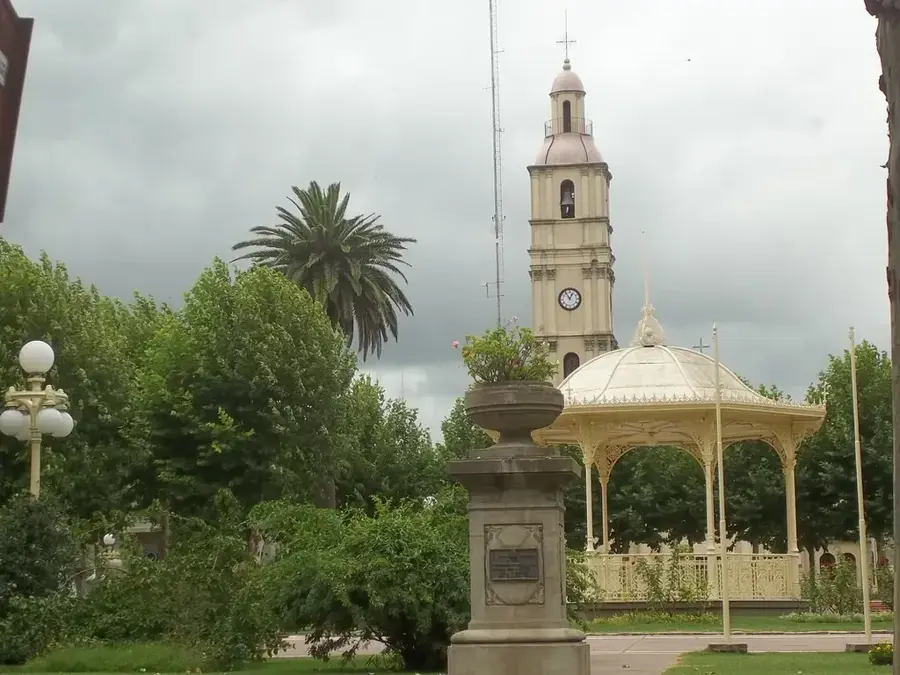
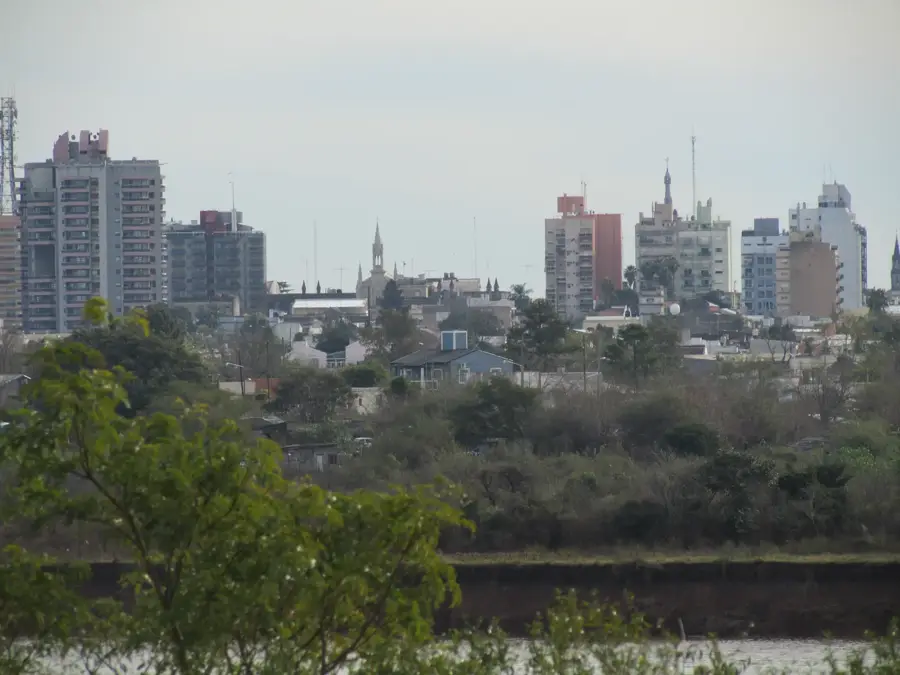
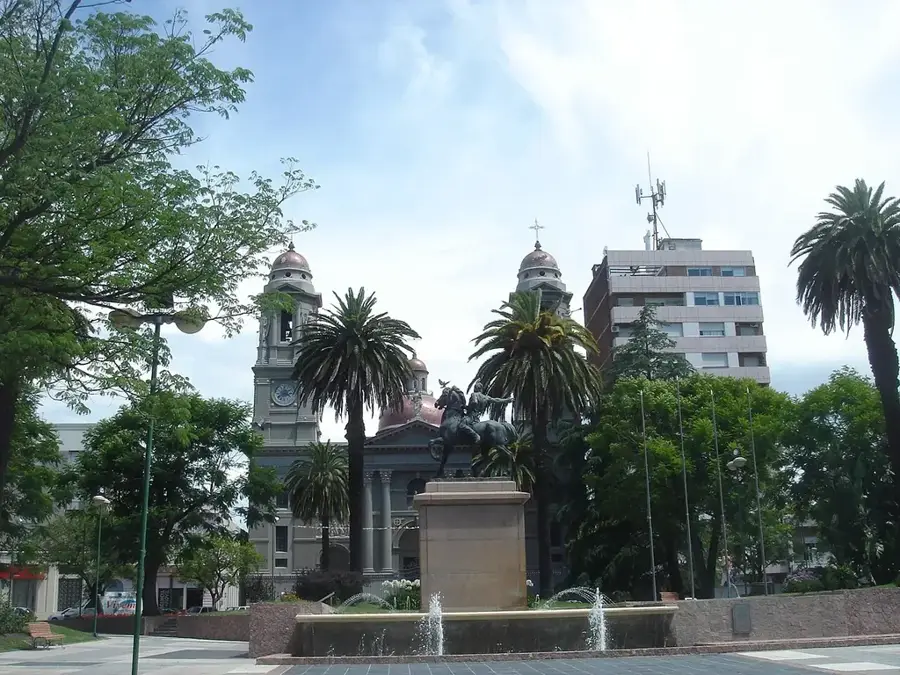
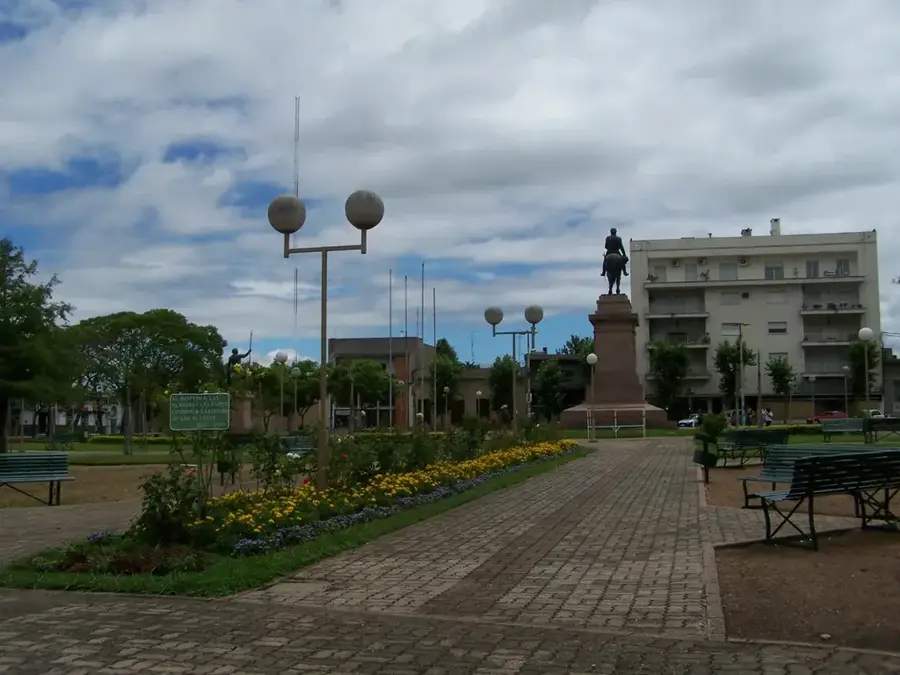
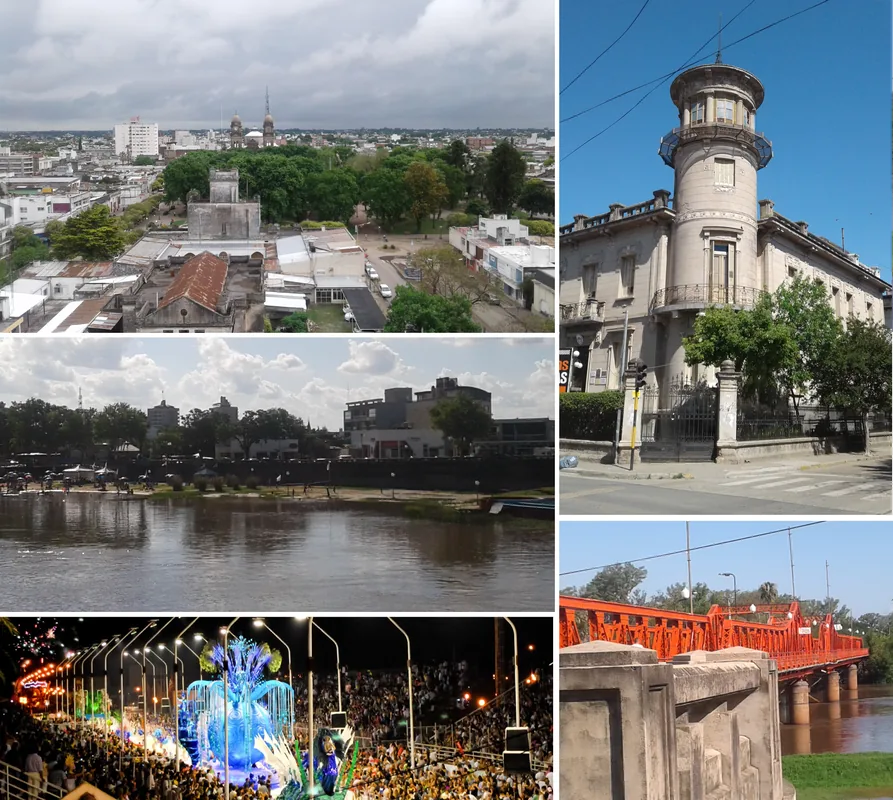
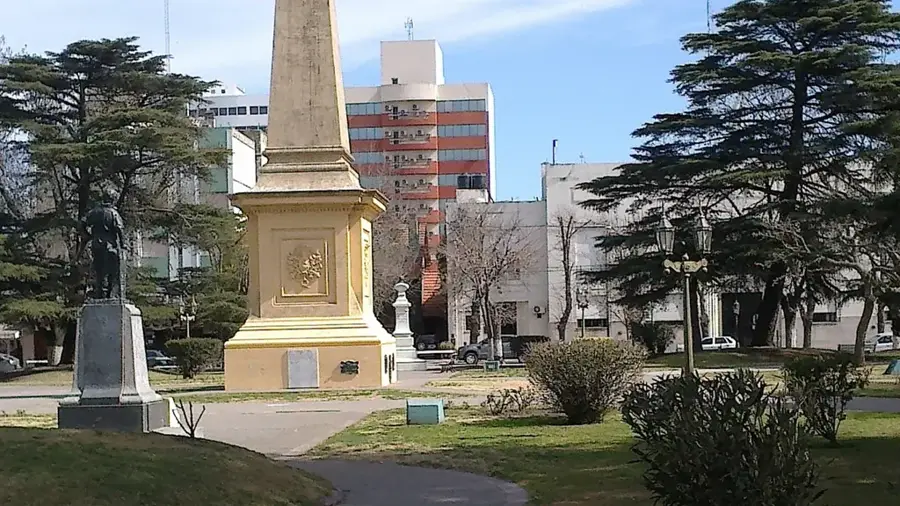
Paysandú, the capital of the Paysandú Department, is strategically positioned on the banks of the Uruguay River in western Uruguay. It is widely regarded as one of the country's most significant industrial and commercial hubs, earning the prestigious nickname 'La Heroica' (The Heroic) due to its valiant resistance during the 1864-1865 siege led by Leandro Gómez. Geographically, it serves as a critical link between Uruguay and Argentina, connected to the city of Colón by the General Artigas Bridge. The city's economy is multifaceted, featuring prominent sectors such as livestock processing, citrus production, textile manufacturing, and a major brewery that supplies a significant portion of the domestic market. A centerpiece of the city's cultural calendar is the 'Semana de la Cerveza' (Beer Week), which has grown into one of Uruguay's largest tourist festivals. Architecture in Paysandú is a blend of colonial legacy and 19th-century European styles, with the Basilica of Our Lady of the Rosary and Saint Benedict standing as a prime example of its historical grandeur. The surrounding region is famous for its thermal springs, specifically the Termas de Guaviyú and Termas de Almirón, which offer unique healing waters, including some of the few saltwater thermal baths in the area. Educationally, the city hosts several university centers, making it a focal point for regional research and learning. The urban layout follows the traditional Spanish colonial grid, centered around Plaza Constitución, where monuments commemorate the city's military history. Historically, the area evolved from a small cattle station in the 18th century to a bustling port city by the late 19th century. Today, Paysandú remains a vital engine of the Uruguayan interior, balancing its deep-seated historical pride with continuous industrial modernization and a growing focus on river-based eco-tourism.
- Location: Uruguay
- Top sights: Florencio Sanchez · Intendencia de Paysandu · Basílica Nuestra Señora del Rosario
- Nearby: Termas de Guaviyú (36 km)
- Population: ~73.249 (2026)
Best time to visit & climate
The most pleasant time to visit is Mar, Apr, Nov.
| Jan | Feb | Mar | Apr | May | Jun | Jul | Aug | Sep | Oct | Nov | Dec | |
|---|---|---|---|---|---|---|---|---|---|---|---|---|
| Avg °C | 26 | 25 | 22 | 19 | 15 | 12 | 11 | 13 | 15 | 18 | 21 | 24 |
| Rain mm | 133 | 142 | 127 | 136 | 95 | 64 | 53 | 85 | 90 | 138 | 112 | 133 |
Geography
Facts
- Founded in 1772 by European settlers and indigenous workers.
- Population is approximately 76,000 as of the last official census.
- The General Artigas Bridge was inaugurated in June 1975.
- Paysandú is the 4th most populous city in Uruguay.
- The city's name is believed to originate from a Jesuit priest named Policarpo Sandú.
- Coordinates: 32°19'17"S 58°4'39"W.
- The Termas de Guaviyú resort features water at a constant 38°C.
- A major producer of leather products exported globally.
Explore nearby
Notable places around
Route planner — Car & Motorhome
Where do you start? We build the route here, with stops and country notes along the way.
© OpenStreetMap contributors · OpenRouteService
Sights in the town Paysandú (10)
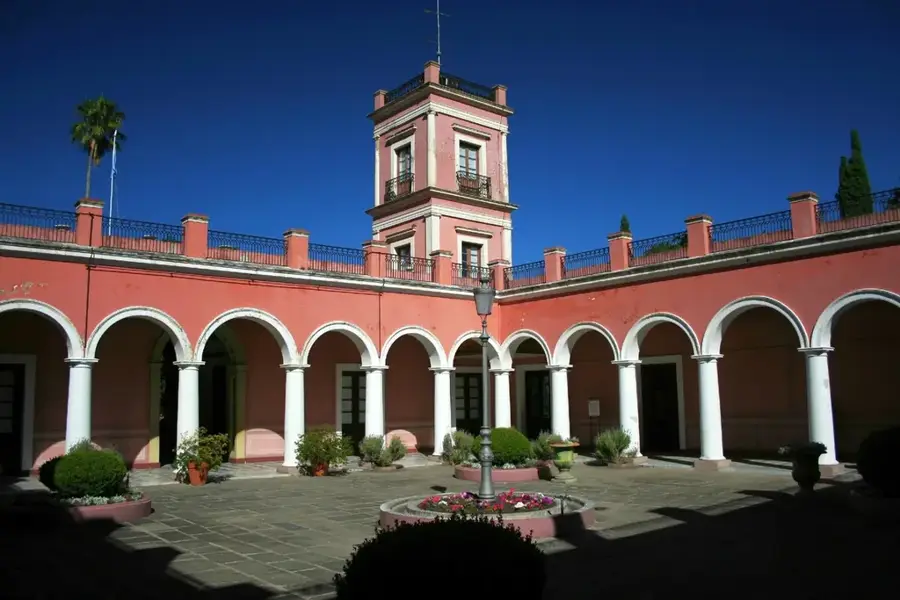
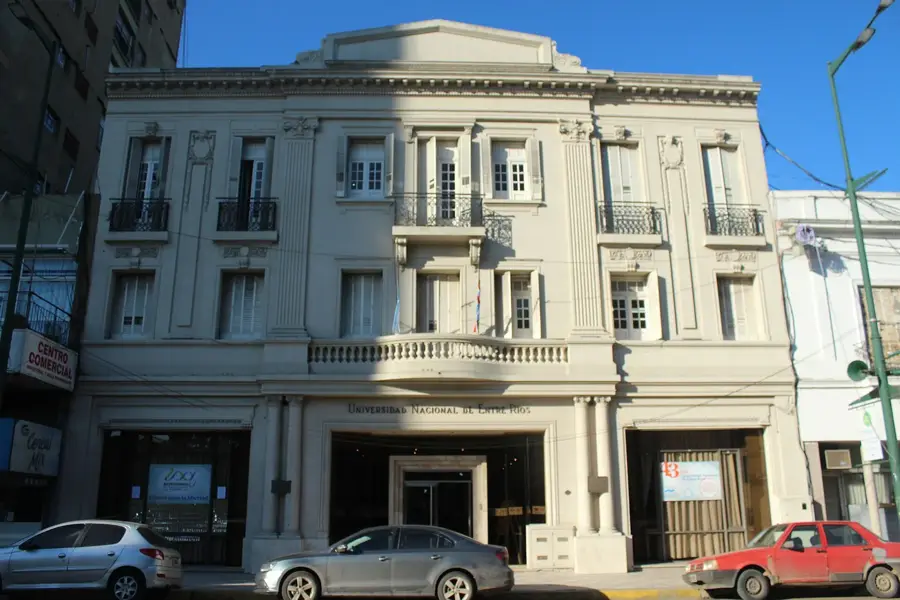
Intendencia de Paysandu
City government building of Paysandú, seat of the local administration.
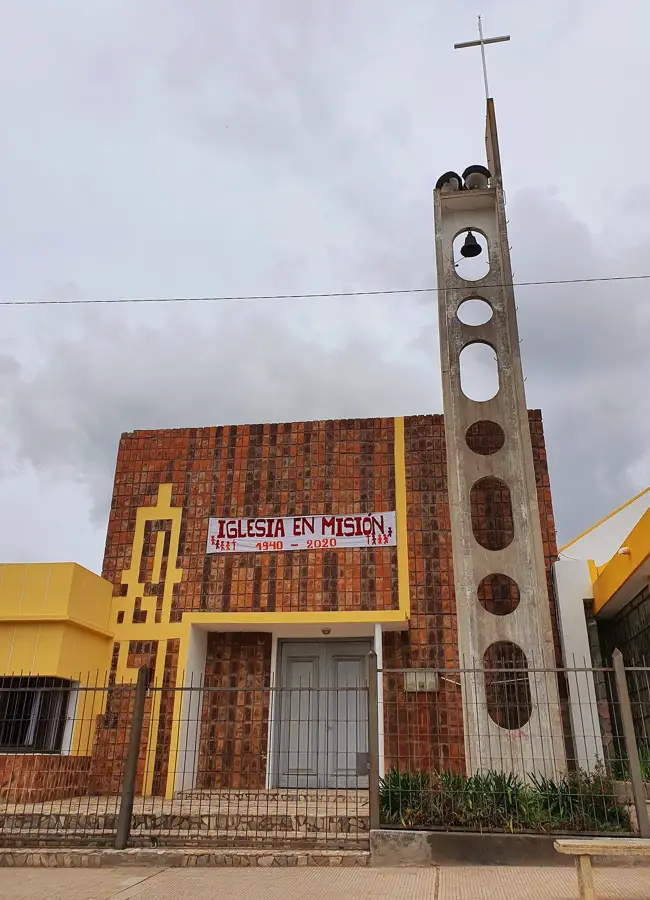
Iglesia Bíblica de Paysandú
Evangelical free church in Paysandú, Uruguay.
Congregación Cristiana en el Uruguay - Central
Central building of the Christian congregation in Paysandú, Uruguay.
The church of Jesus Christ of Latter Day Saints
Worship place of the Church of Jesus Christ of Latter-day Saints in Paysandú.
GS 125 BRKING
Hindu place of worship in Paysandú, Uruguay.
Bhone
Buddhist temple in Paysandú, Uruguay.
Central Evangelística
Evangelical congregation center in Paysandú, Uruguay.
Frequently asked questions
What is Paysandú known for?
Are the Termas de Guaviyú open to visitors?
Is there a special culinary product?
What is the weather usually like?
How do I get to Paysandú?
Paysandú: where is it located?
Paysandú: what is there to see?
Paysandú: when is the best time to visit?
Paysandú: why is it worth visiting?
Nearby cities
Nature
More places