Plizio Visual Lab
Ancient Merv
Weather…
Water temperature…
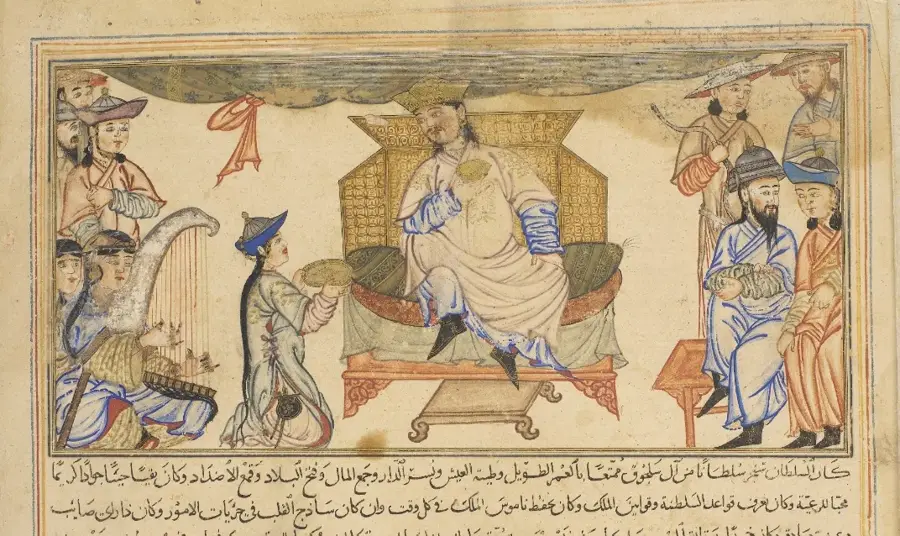
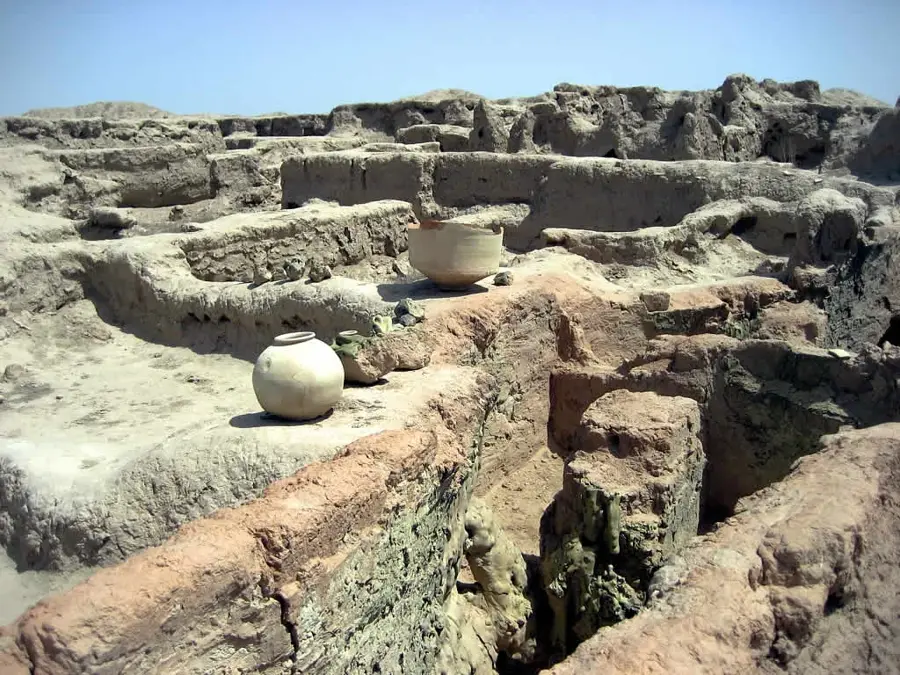
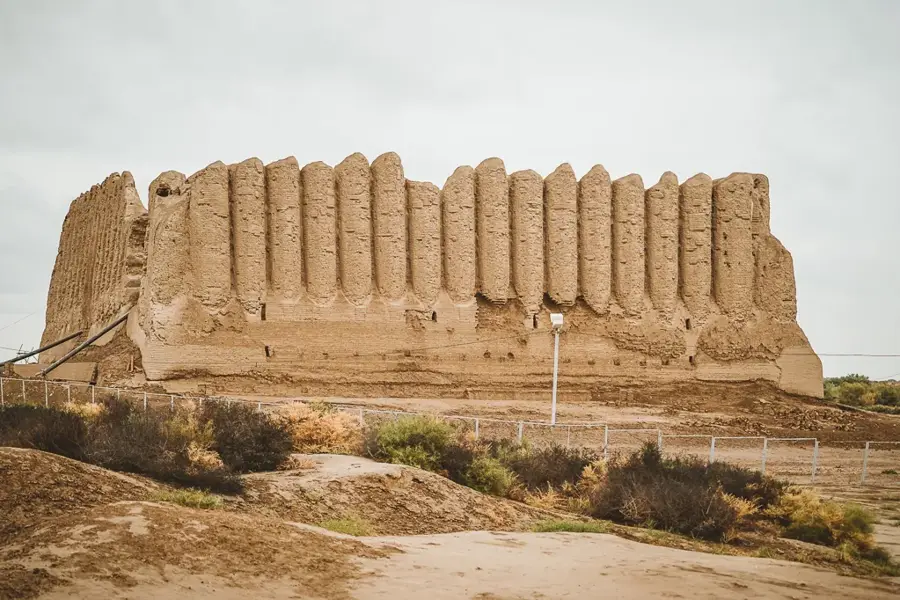
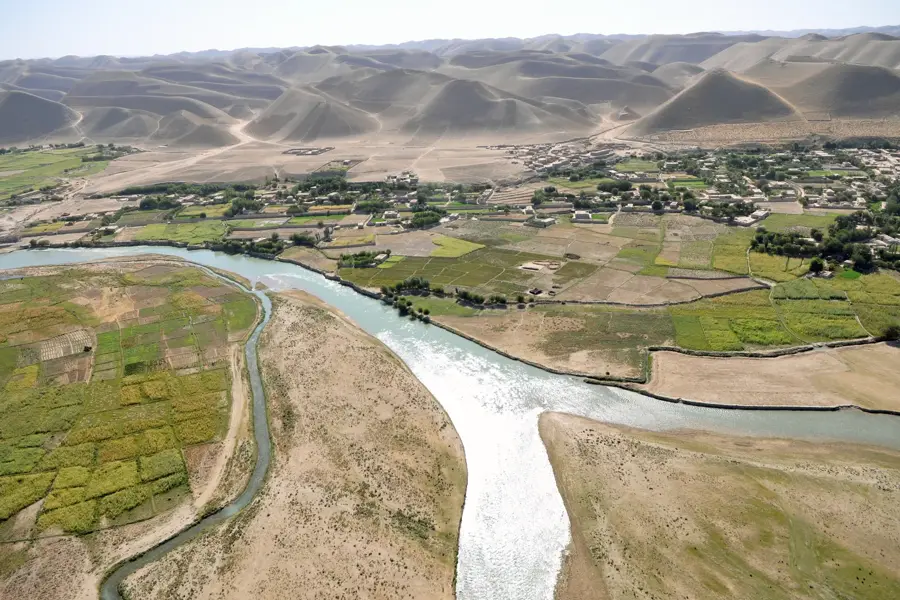
Ancient Merv, located in present-day Turkmenistan, was for centuries a major metropolis on the Silk Road and briefly the most populous city in the world. The archaeological site is remarkable for its series of adjacent walled cities from different eras, including the Achaemenid Erk Kala and the Seljuk Sultan Kala. During the 12th century, it served as the capital of the Great Seljuk Empire, reaching its zenith as a global center of Islamic learning, science, and commerce. Its strategic location in the fertile oasis created by the Murghab River allowed it to thrive as a hub for trade between East and West. The city's prominence came to a catastrophic end in 1221 when Mongol forces invaded, resulting in one of the bloodiest massacres in medieval history and the destruction of its sophisticated irrigation systems. Now a UNESCO World Heritage site, Merv preserves ruins of palaces, mausoleums, and massive mud-brick fortifications that chronicle over two millennia of urban history.
- Location: Turkmenistan
- Top sights: Gäwürgala · Beni Makhan Mosque · Erkgala
- Nearby: Ýolöten (28 km)
Best time to visit & climate
The most pleasant time to visit is Apr, Sep, Oct.
| Jan | Feb | Mar | Apr | May | Jun | Jul | Aug | Sep | Oct | Nov | Dec | |
|---|---|---|---|---|---|---|---|---|---|---|---|---|
| Avg °C | 3 | 5 | 12 | 18 | 26 | 31 | 32 | 30 | 24 | 17 | 9 | 4 |
| Rain mm | 20 | 28 | 31 | 23 | 10 | 1 | 0 | 0 | 0 | 7 | 17 | 13 |
📋 Practical info
Geography
Facts
- Merv was estimated to be the world's largest city in the 12th century, with a population reaching up to 500,000.
- The archaeological site spans over 1,200 hectares, making it one of the largest ancient cities in Central Asia.
- The earliest fortress, Erk Kala, dates back to the 6th century BC during the Achaemenid Persian period.
- In 1221, the Mongols under Tolui Khan destroyed the city, leading to the death of an estimated 1.3 million people.
- UNESCO inscribed Ancient Merv as a World Heritage site in 1999 due to its significance on the Silk Road.
- The city's complex irrigation systems were managed by a dedicated "water department" with over 10,000 workers.
Explore nearby
Notable places around


Route planner — Car & Motorhome
Where do you start? We build the route here, with stops and country notes along the way.
© OpenStreetMap contributors · OpenRouteService
Sights in the town Ancient Merv (8)
Shahriar Ark
Late Seljuk citadel of the medieval city-site of Merv, Turkmenistan.
Hoja Ýusup Hemedany Metjidi
Mosque in the historical Merv region, Turkmenistan.
Askhab Mausoleum
Mausoleum in the archaeological zone of Ancient Merv, Turkmenistan.
Buddhist Stupa
Buddhist stupa in the ancient city of Merv, Turkmenistan.
Sights nearby
Frequently asked questions
How long does a visit to Merv take?
What is the best season?
Is there catering on site?
How do you get there?
Is it family-friendly?
Ancient Merv: where is it located?
Ancient Merv: what is there to see?
Ancient Merv: when is the best time to visit?
Ancient Merv: why is it worth visiting?
Nearby cities
History & landmarks
Nature
More places