Plizio Visual Lab
Téboursouk
ℹ️Practical info — Téboursouk
▾
🌤 Weather — 5 days
📍 Nearby
Sights nearby
💡 Tips
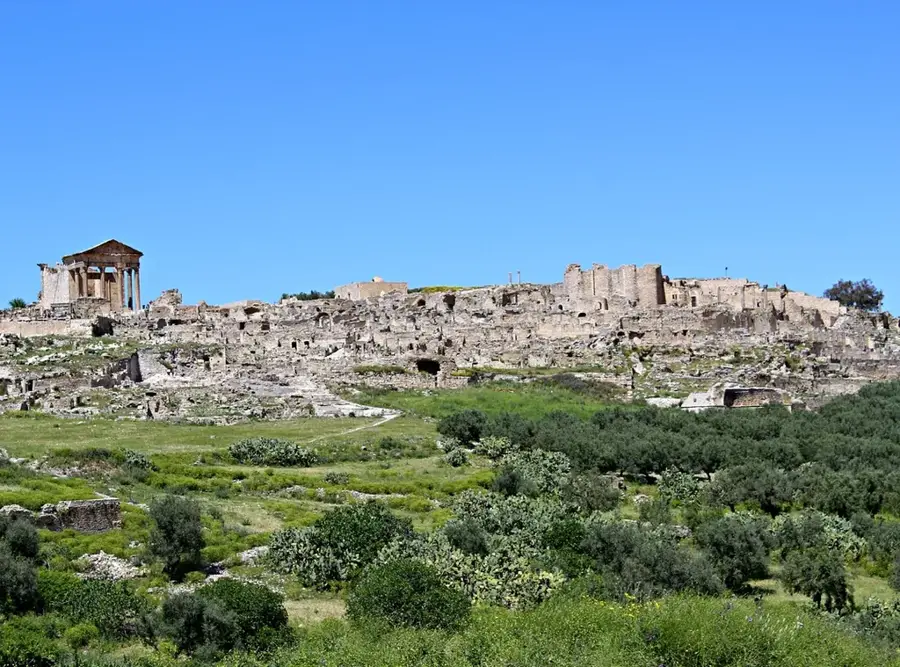
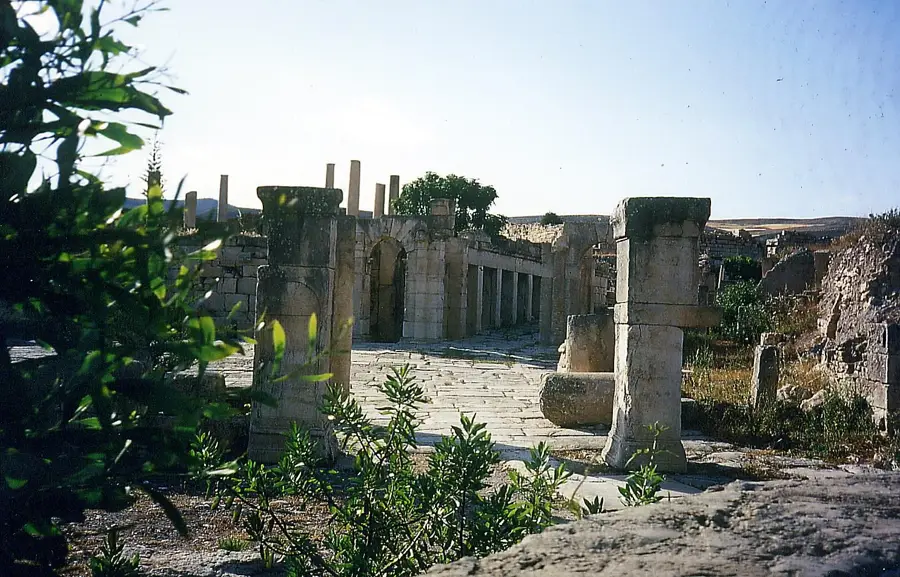
- Use Téboursouk as a base to visit Dougga; the ancient city is just 6 km away and is one of the finest Roman sites in Africa.
- Explore the steep, winding alleys of the old town on foot to soak up the traditional atmosphere.
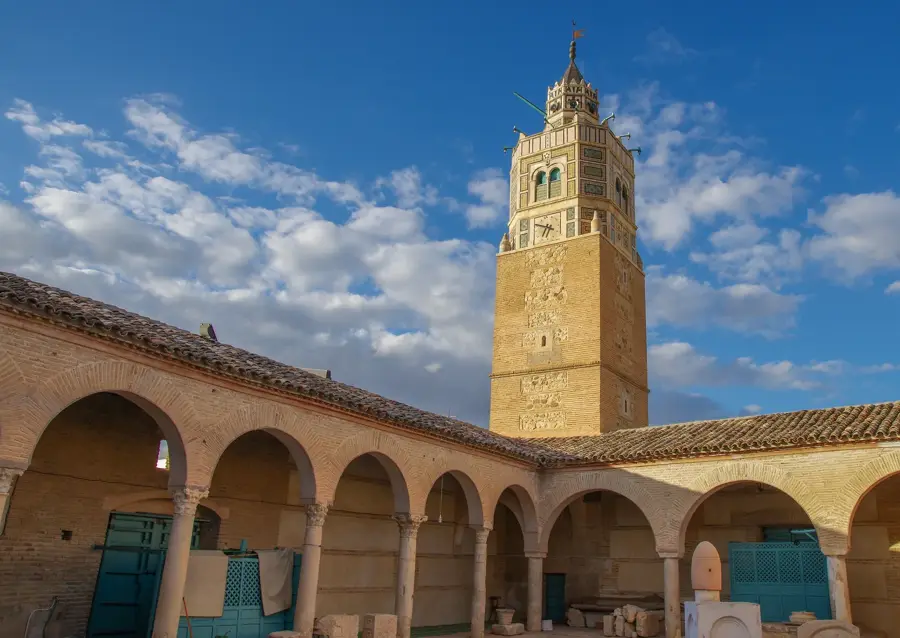
- Visit the Great Mosque, which features an interesting blend of architectural influences from different eras.
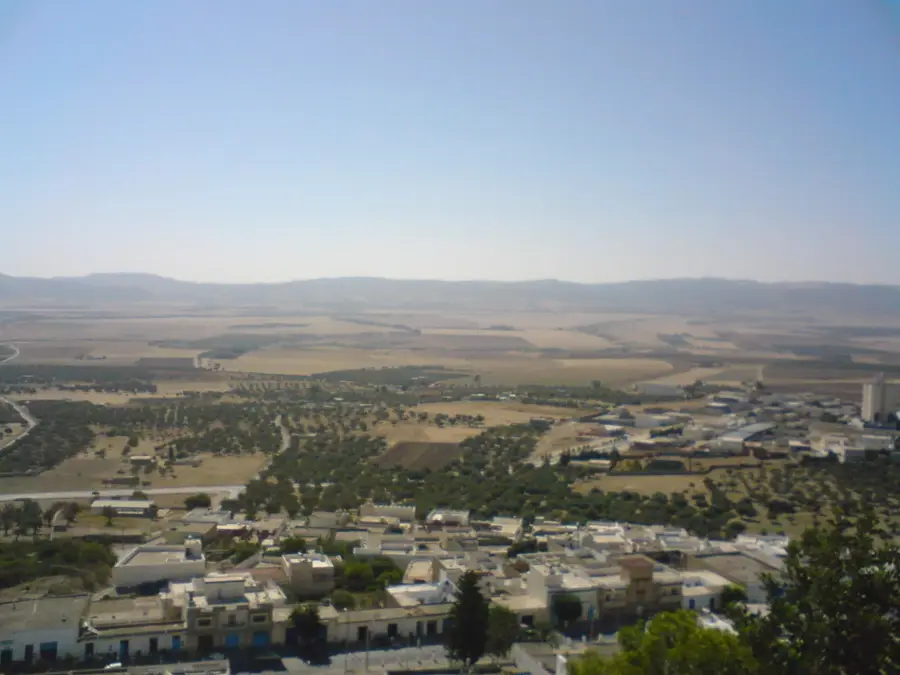
- Enjoy the panoramic views over the fertile valley from the upper streets of the town.
🍽 Food
The region is well-known for its mountain flower honey; look for it in small grocery shops.
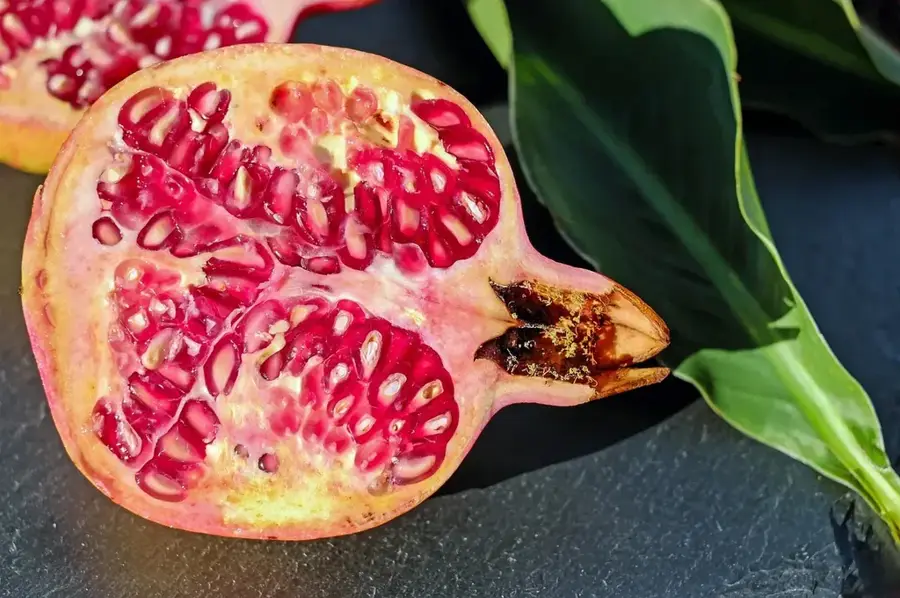
A traditional crushed wheat dish, often served here as a hearty and filling meal.
Look for apples and pears from the surrounding orchards in the local market.
🛍 Shopping · 🧘 Quiet spots
You can often find higher quality handicrafts in the town than at the stalls directly by the ruins.
Ask local merchants for first-press olive oil from the surrounding groves.
Visit the Capitol in Dougga at sunrise for an unparalleled sense of silence and history.
The terraced gardens surrounding Téboursouk offer quiet spots to relax away from the center.
Water temperature…
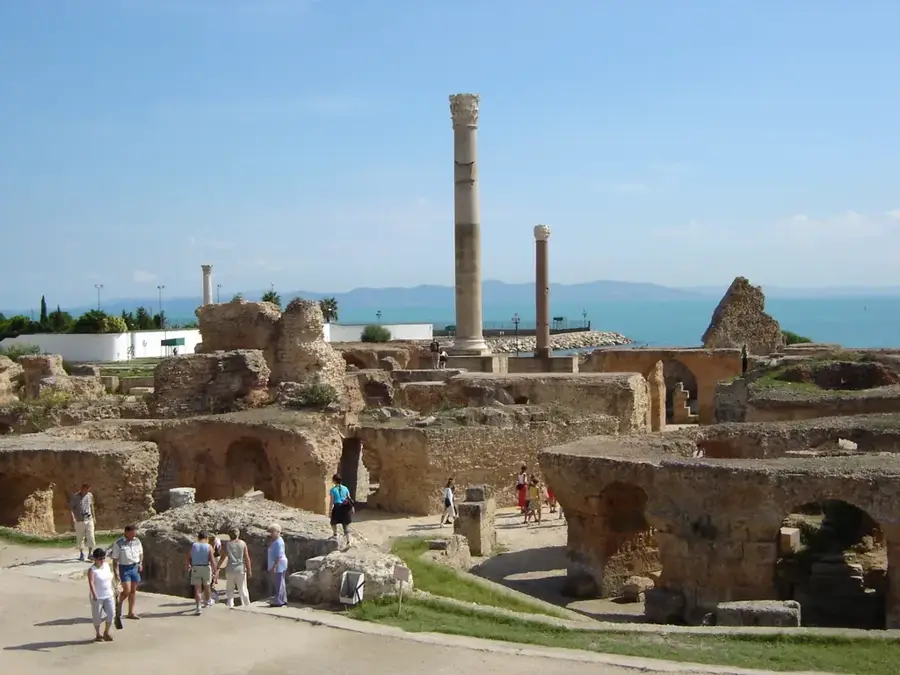
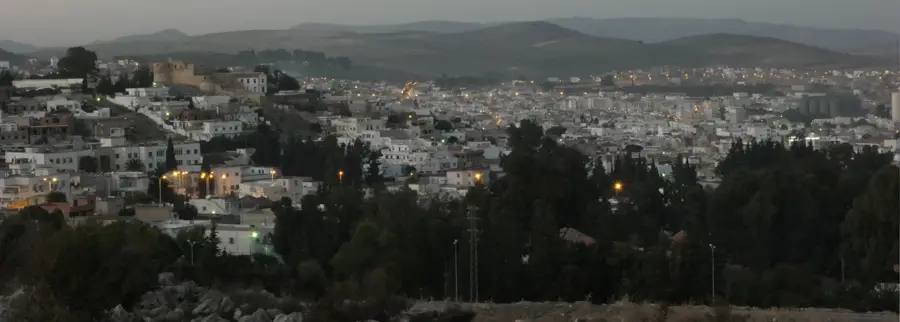
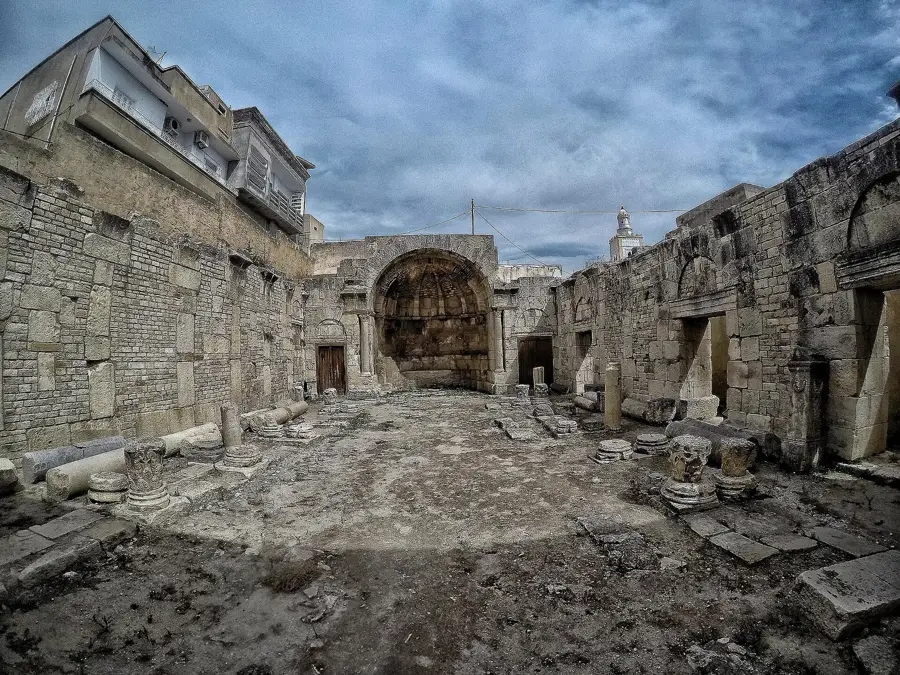
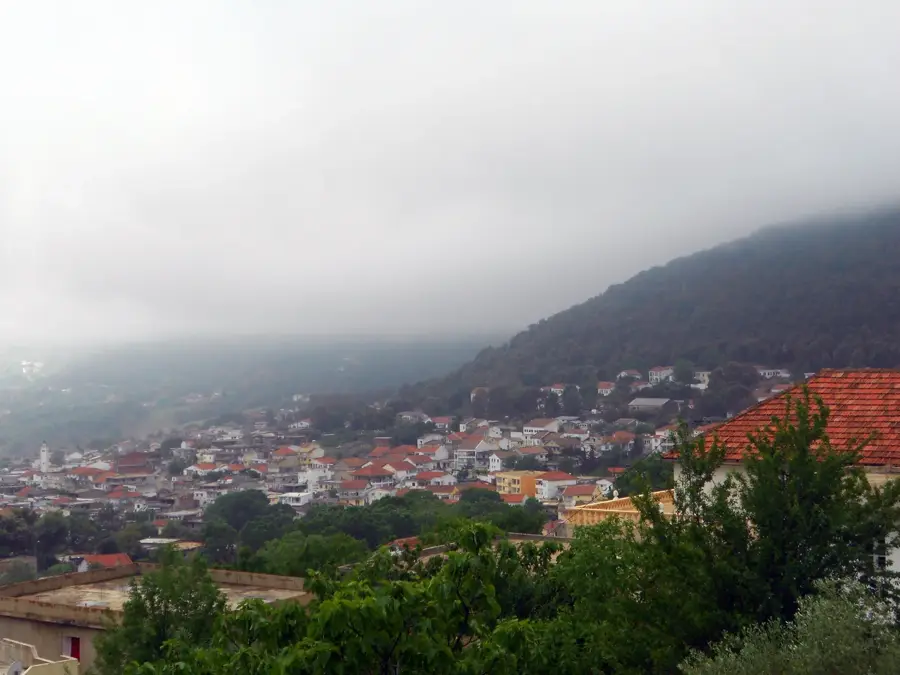
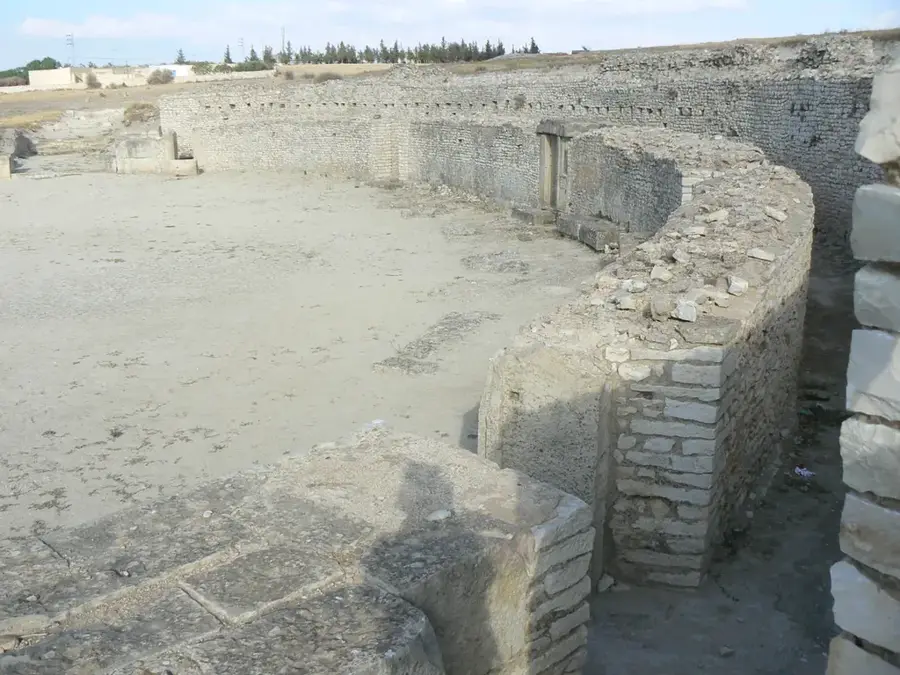
Téboursouk is a photogenic town in the Béja Governorate, tucked away on the slopes of the Djebel Teboursouk in northern Tunisia. The town has ancient origins, known in Roman times as Thubursicum Bure, following its history as a significant Numidian settlement. Its modern-day fame is largely due to its proximity to the archaeological site of Dougga (Thugga), a UNESCO World Heritage site located just a few kilometers away, considered one of the best-preserved Roman towns in North Africa. Within Téboursouk, visitors can explore a large Byzantine fortress built using recycled stones from ancient Roman structures. The surrounding landscape is dominated by extensive olive groves, a legacy of agricultural practices that have flourished here since antiquity, producing some of the country's finest olive oil. With its temperate climate and fertile lands, Téboursouk remains a key agricultural center and a primary base for travelers exploring the rich historical heritage of the region.
- Location: Tunisia
- Nearby: Testour (20 km)
- Population: ~12.727 (2022)
Best time to visit & climate
The most pleasant time to visit is May, Jun, Sep.
| Jan | Feb | Mar | Apr | May | Jun | Jul | Aug | Sep | Oct | Nov | Dec | |
|---|---|---|---|---|---|---|---|---|---|---|---|---|
| Avg °C | 9 | 9 | 12 | 15 | 19 | 24 | 27 | 27 | 23 | 19 | 14 | 10 |
| Rain mm | 96 | 75 | 81 | 62 | 41 | 18 | 7 | 23 | 55 | 65 | 77 | 94 |
Geography
Facts
- Situated at an elevation of approximately 400 meters above sea level.
- The walls of the Byzantine fortress are still well-preserved today.
- Located only 6 kilometers from the UNESCO World Heritage site of Dougga.
- The region is a major producer of high-quality olive oil.
- Attained the status of Municipium in the 2nd century under Septimius Severus.
- Located about 100 kilometers southwest of the capital, Tunis.
Explore nearby
Notable places around

Route planner — Car & Motorhome
Where do you start? We build the route here, with stops and country notes along the way.
© OpenStreetMap contributors · OpenRouteService
Sights in the town Téboursouk (1)
Frequently asked questions
Why should you visit Téboursouk?
What is the most famous attraction nearby?
Are there good restaurants there?
When does the landscape bloom the most beautifully?
Is it safe for women traveling alone?
Téboursouk: where is it located?
Téboursouk: when is the best time to visit?
Téboursouk: why is it worth visiting?

Nearby cities
History & landmarks
Nature
More places