Plizio Visual Lab
Great Mosque of Testour
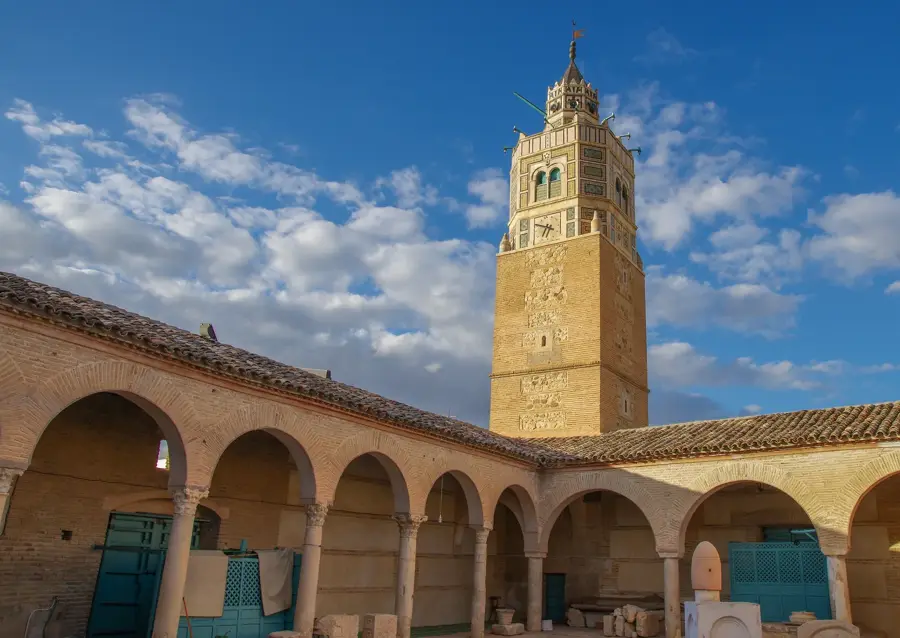
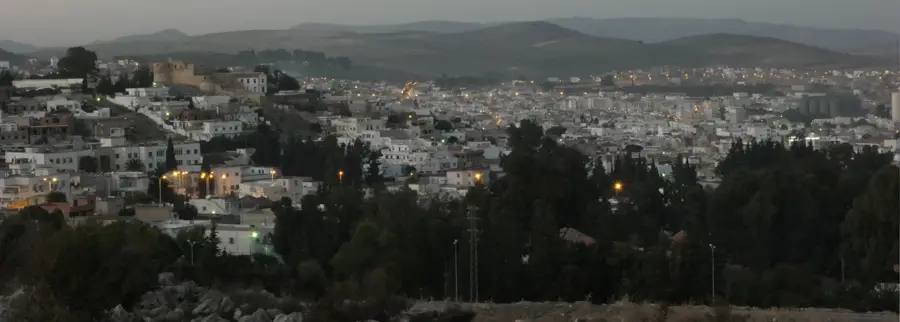
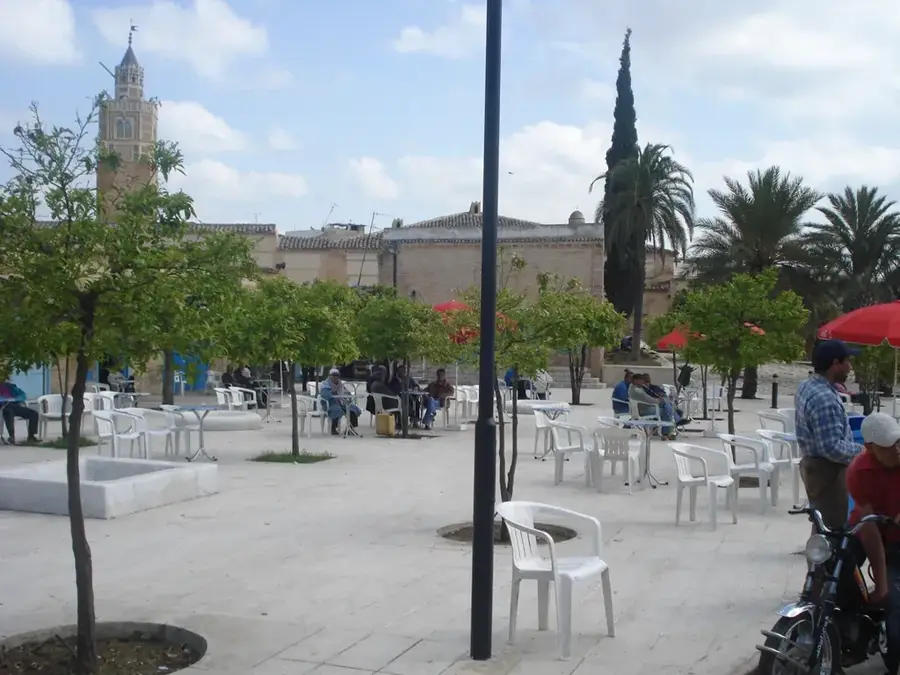
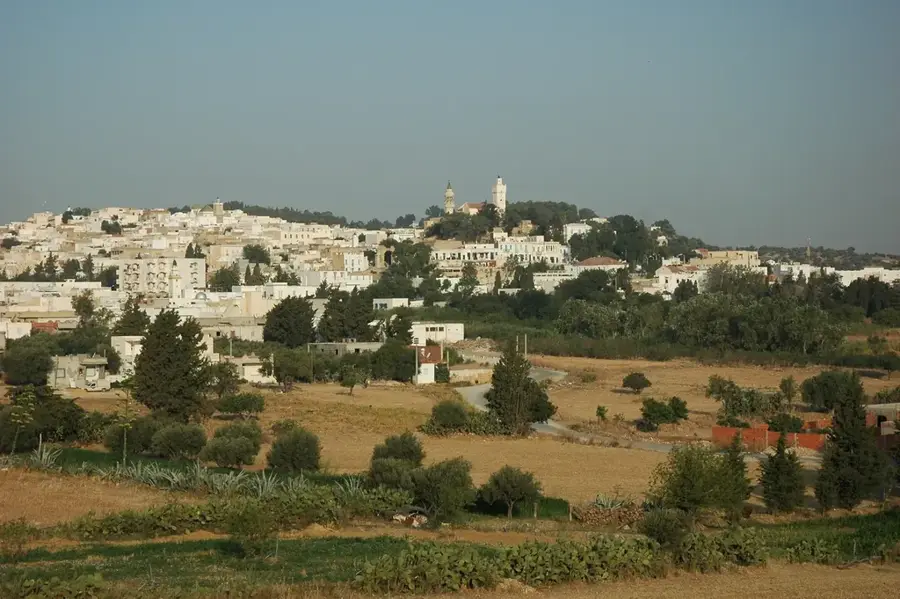
The Great Mosque of Testour is an architectural jewel built in the early 17th century by Andalusian immigrants who fled Spain during the Reconquista. The structure reflects a unique fusion of Moorish, Spanish, and local Tunisian styles. The minaret is particularly famous, featuring a clock whose hands turn counter-clockwise and whose numbers are in Arabic script. This specialty is often interpreted as a symbol of the Moors' nostalgia for their lost homeland, Al-Andalus. The roof of the mosque is covered with tiles, which is atypical for Tunisian mosques and directly refers to Andalusian models. Inside, the prayer hall impresses with its simple elegance and the use of ancient column material. The mosque is the center of the town of Testour, which still maintains its Spanish-influenced heritage today.
- Location: Tunisia
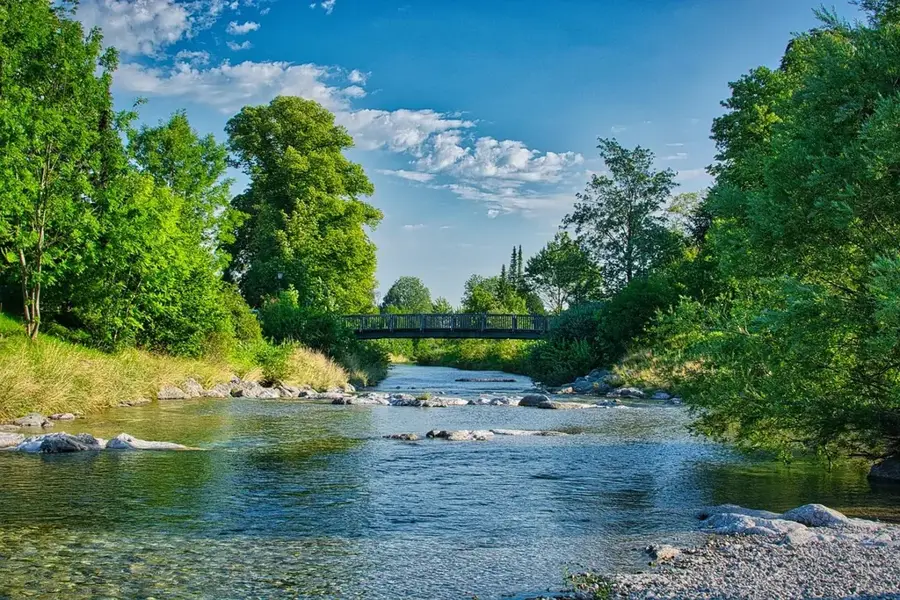
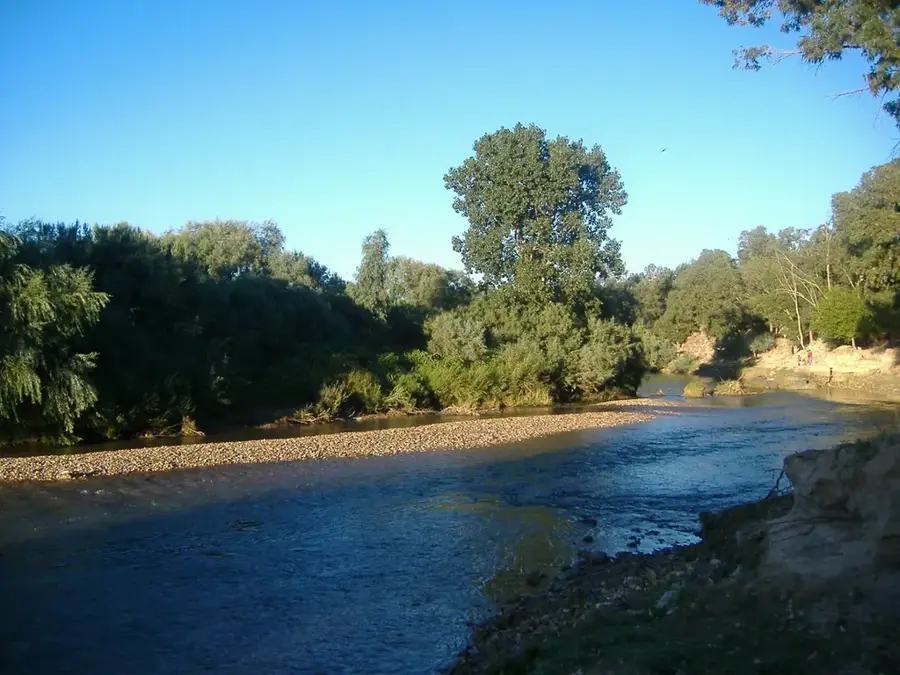
- Top sights: Testour · Oued Siliana
- Nearby: Medjez el-Bab (18 km)
Best time to visit & climate
The most pleasant time to visit is May, Jun, Sep.
| Jan | Feb | Mar | Apr | May | Jun | Jul | Aug | Sep | Oct | Nov | Dec | |
|---|---|---|---|---|---|---|---|---|---|---|---|---|
| Avg °C | 9 | 9 | 12 | 15 | 19 | 24 | 27 | 27 | 23 | 19 | 14 | 10 |
| Rain mm | 96 | 75 | 81 | 62 | 41 | 18 | 7 | 23 | 55 | 65 | 77 | 94 |
📋 Practical info
Geography
Facts
- Built around 1631 by Andalusian refugees.
- Features a minaret with a counter-clockwise clock.
- Tile roofing points to Spanish influences.
- The architect was the Andalusian Mohamed Tigharmi.
- The prayer hall is supported by 48 marble columns.
- A mix of Ottoman and Andalusian architecture.
Explore nearby
Notable places around

Route planner — Car & Motorhome
Where do you start? We build the route here, with stops and country notes along the way.
© OpenStreetMap contributors · OpenRouteService
Sights in the town Great Mosque of Testour (2)
Sights nearby
Frequently asked questions
What is special about the mosque?
Can I visit the mosque?
How is the light for photos?
Do I need a guide?
Is it family-friendly?
Great Mosque of Testour: where is it located?
Great Mosque of Testour: what is there to see?
Great Mosque of Testour: when is the best time to visit?
Great Mosque of Testour: why is it worth visiting?

Nearby cities
History & landmarks
Nature
More places