Plizio Visual Lab
Makthar
ℹ️Practical info — Makthar
▾
🌤 Weather — 5 days
📍 Nearby
Sights nearby
💡 Tips
- Allow at least 3 hours to explore the Mactaris archaeological site; it is vast and deeply impressive.
- Look for the megalithic tombs (dolmens) on the edge of the Roman site, which are unusually large for this region.
- Visit the on-site museum before wandering the ruins to better understand the artifacts found there.
- Try to visit in spring when the entire archaeological park is covered in bustling wildflowers.
🍽 Food
The Makthar region is famous for its high-quality olive oil; look for local cooperatives to buy a bottle.
Traditional bread baked in a clay oven, often sold warm by the roadside.
A classic staple found in the small restaurants around the town's central square.
🛍 Shopping · 🧘 Quiet spots
Small stalls near the ruins often sell handmade replicas of ancient coins and pottery.
Mountain honey and dried herbs from this region are excellent souvenirs.
Away from the main paths of the ruins, you can find quiet spots among the columns for reflection.
Walk on the trails above the town for a peaceful view of the high plateau.
Water temperature…
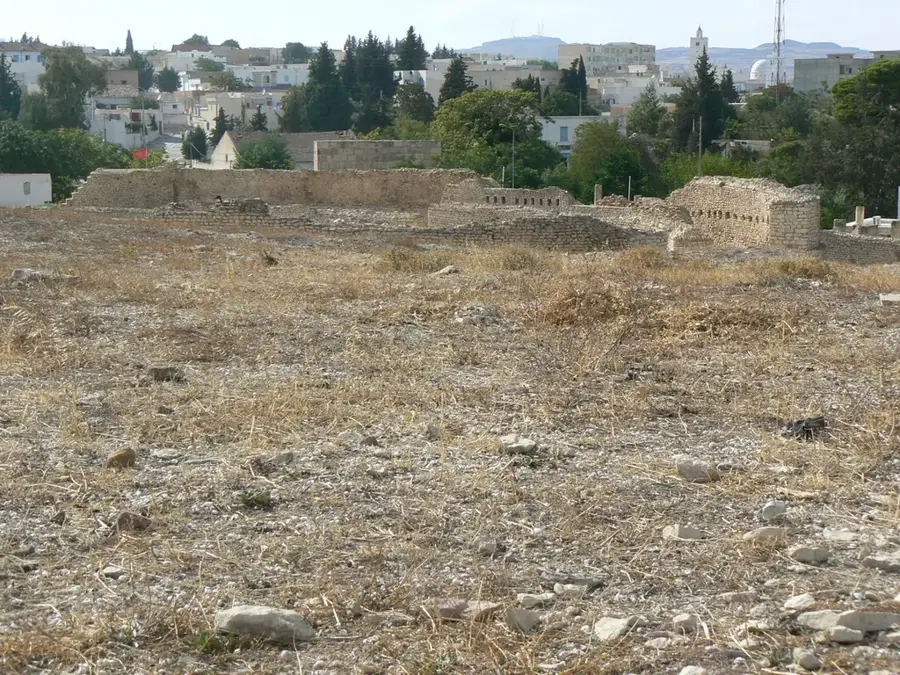
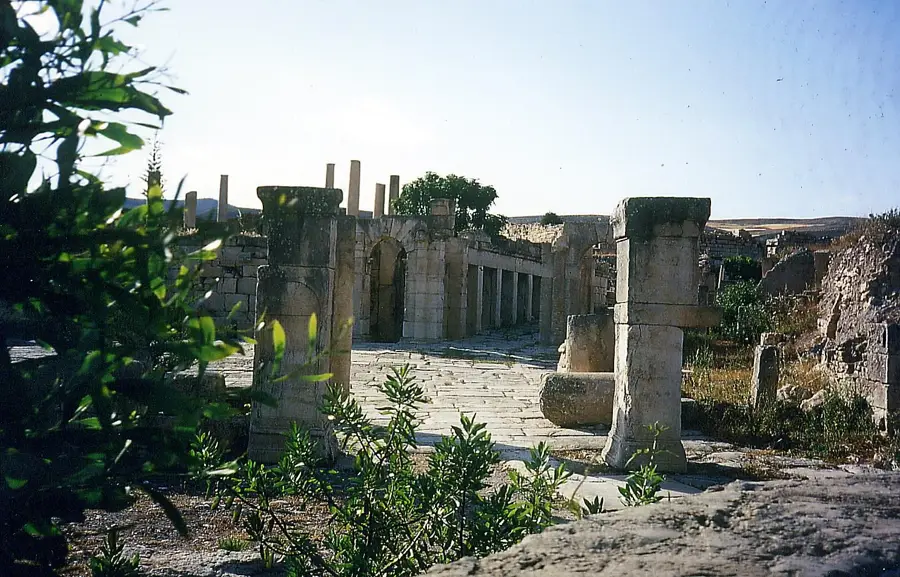
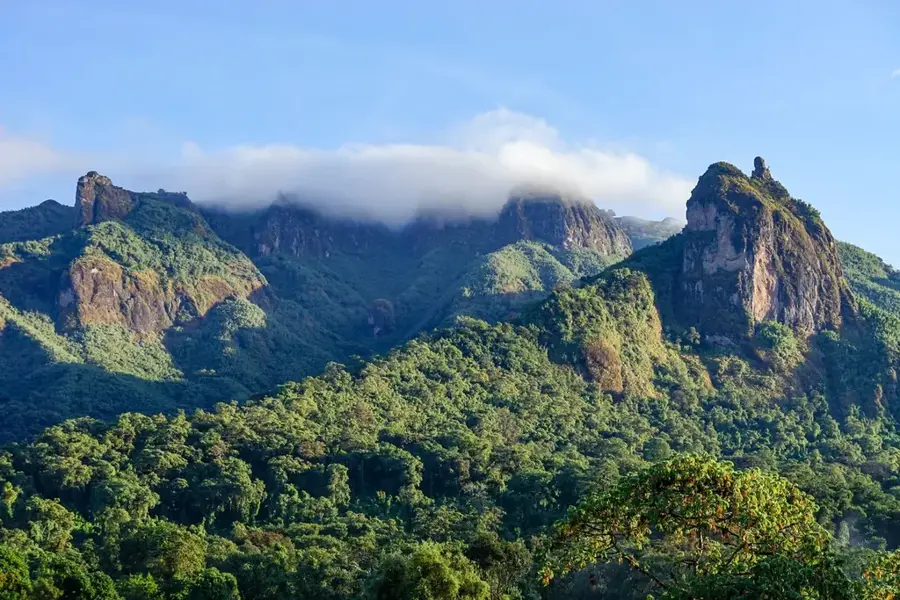
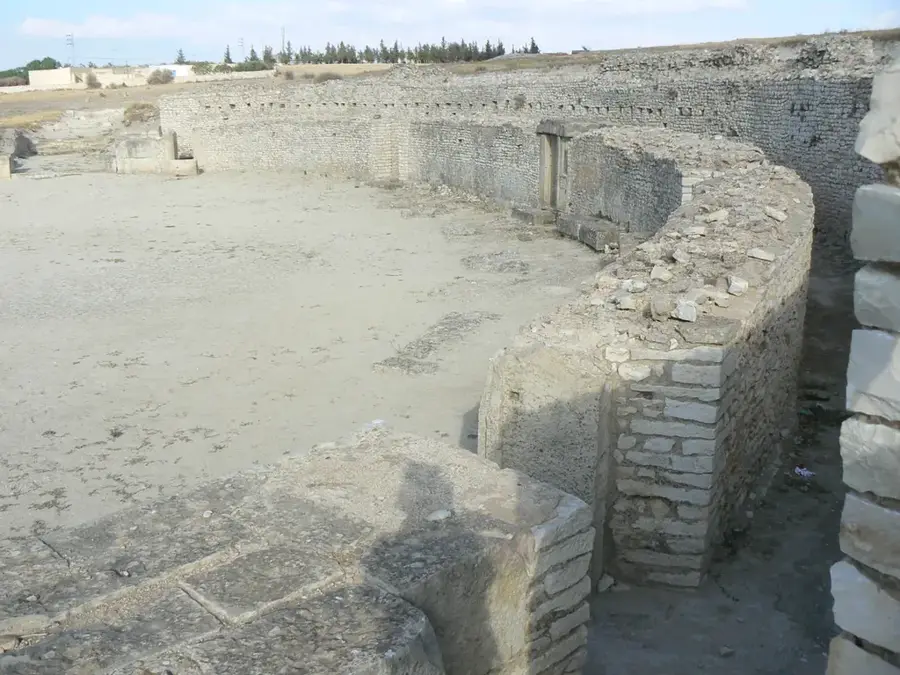
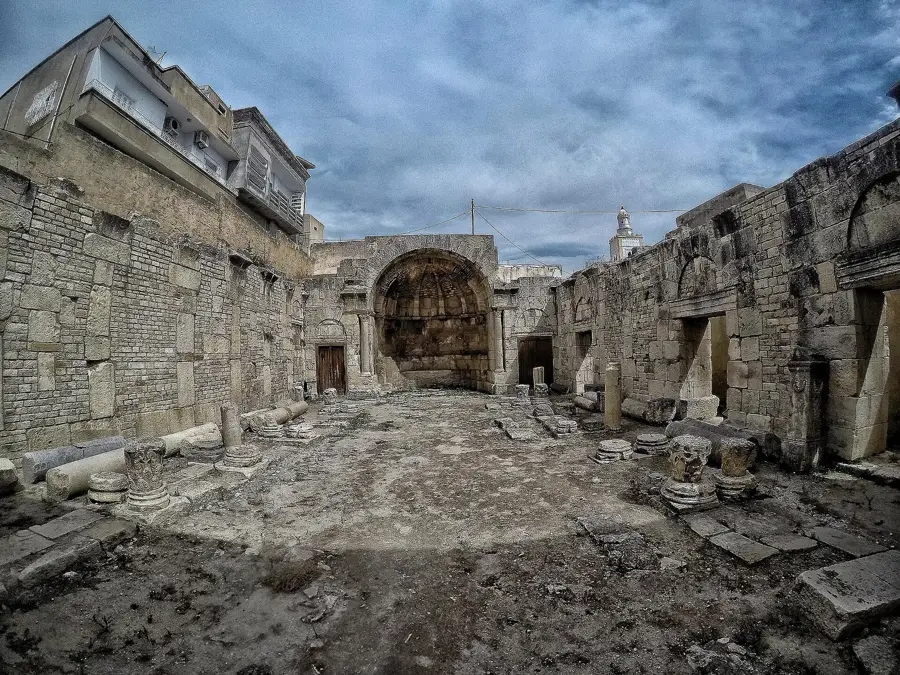
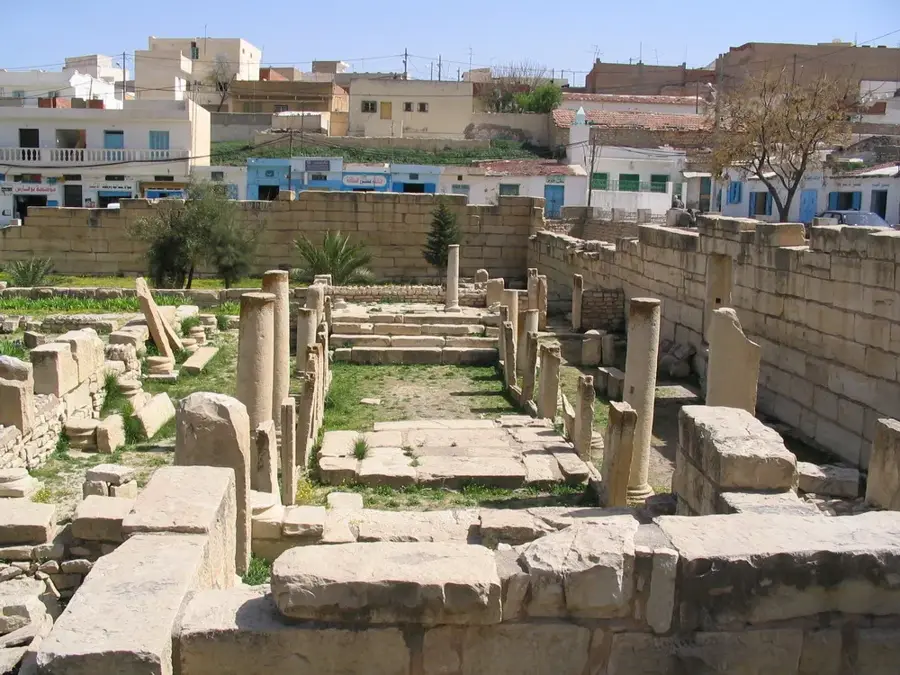
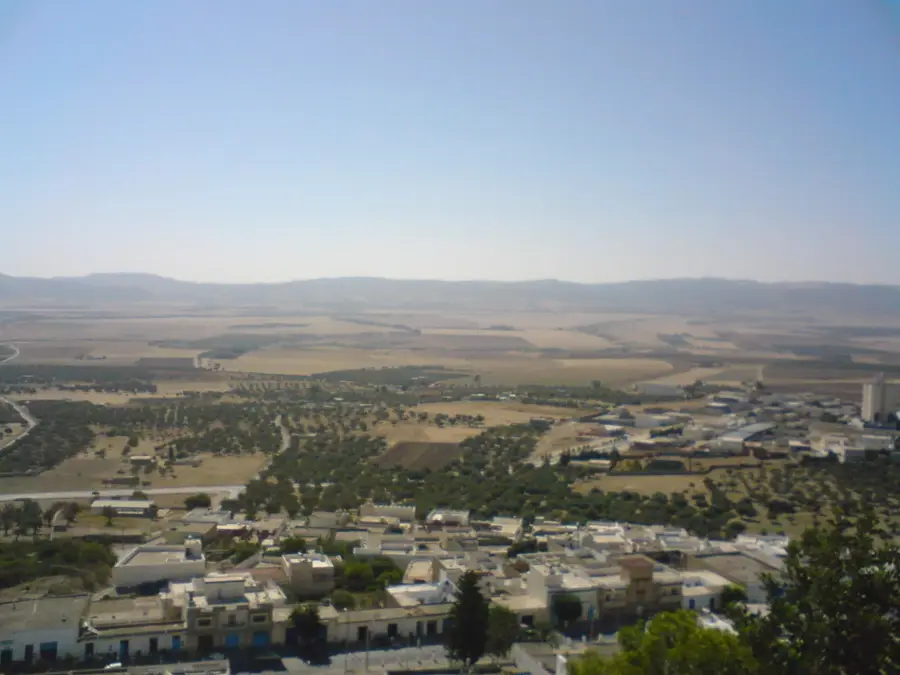
Makthar is located in the Siliana Governorate on a high plateau in central Tunisia and is primarily renowned for its exceptional archaeological sites. Ancient Mactaris began as a significant Numidian stronghold before coming under Roman rule and developing into a flourishing city. Its impressive ruins include the Arch of Trajan, expansive thermal baths, and a unique Schola building that served as a meeting place for local youth. Makthar is also famous for its numerous megalithic monuments, indicating prehistoric habitation in the region. Situated at an altitude of about 900 meters, the town enjoys a cooler climate than the coastal areas. Today, Makthar serves as an agricultural hub focused on cereal crops and sheep farming. The local archaeological museum displays vital artifacts, including inscriptions that document the cultural transition from Libyco-Punic to Roman traditions, making it a key site for historical research.
- Location: Tunisia
- Top sights: Zama Minor · Musée de Maktaris · Basilique à péristyle
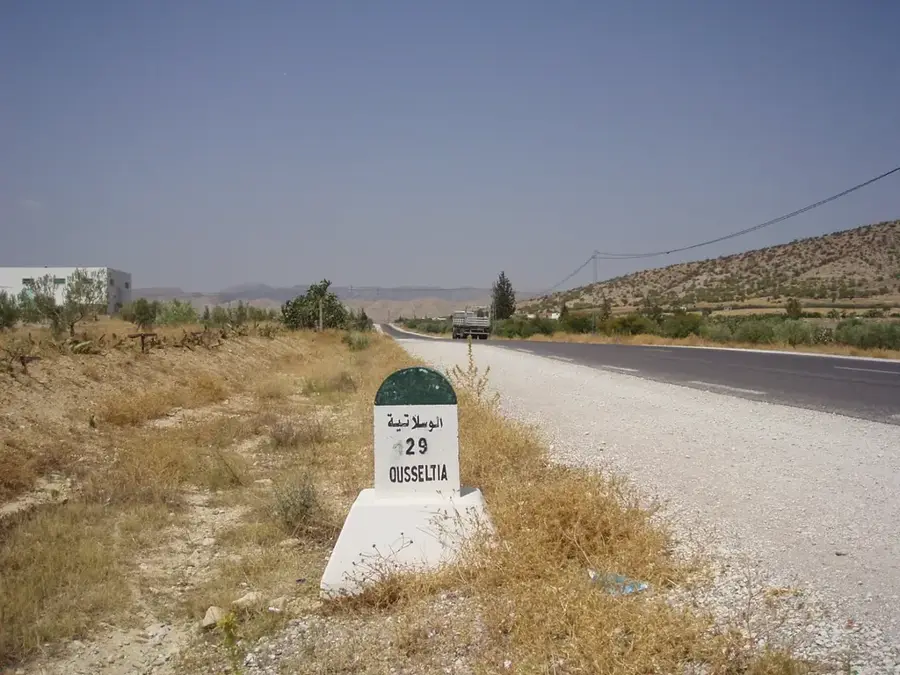
- Nearby: Oueslatia (34 km)
- Population: ~14.500 (2022)
Best time to visit & climate
The most pleasant time to visit is May, Jun, Sep.
| Jan | Feb | Mar | Apr | May | Jun | Jul | Aug | Sep | Oct | Nov | Dec | |
|---|---|---|---|---|---|---|---|---|---|---|---|---|
| Avg °C | 7 | 8 | 11 | 14 | 18 | 23 | 27 | 26 | 22 | 18 | 12 | 8 |
| Rain mm | 79 | 58 | 77 | 55 | 41 | 21 | 11 | 25 | 54 | 59 | 58 | 75 |
Geography
Facts
- The ancient name of the city was Mactaris
- Home to one of the largest megalithic necropolises in Tunisia
- The Arch of Trajan serves as the grand entrance to the ancient site
- Key location for discovering Libyco-Punic inscriptions
- Located on a plateau at an elevation of approximately 900 meters
- The Forum of Makthar is among the best-preserved in the region
Explore nearby
Notable places around
Route planner — Car & Motorhome
Where do you start? We build the route here, with stops and country notes along the way.
© OpenStreetMap contributors · OpenRouteService
Start your day with a visit to the Musée de Maktaris and delve into the fascinating local history. At noon, stroll through the impressive ancient ruins of Mactaris. In the afternoon, explore the important religious sites and grand thermal complexes. The evening offers a relaxing conclusion among the ancient columns of the Capitol Baths before your tour ends.
Maktaris Museum
Mactaris
Temple of Hathor Miskar
Basilica of Hildeguns
Large Baths
Capitol Baths
Start your wet morning at the museum to stay dry while exploring ancient artifacts. At noon, navigate the Roman ruins with an umbrella and sturdy waterproof shoes. In the afternoon, explore the ancient baths carefully as the stones get very slippery. Conclude your rainy day early by finding a cozy place to warm up.
Maktaris Museum
Mactaris
Temple of Hathor Miskar
Basilica of Hildeguns
Large Baths
Capitol Baths
Begin your crisp winter morning at the museum, wearing warm layers against the chill. By noon, the winter sun beautifully illuminates the extensive Roman ruins. In the afternoon, keep moving through the ancient baths to stay warm as temperatures drop. End your day by 17:00, as the early sunset brings biting cold.
Maktaris Museum
Mactaris
Temple of Hathor Miskar
Basilica of Hildeguns
Large Baths
Capitol Baths
Start cycling at Zama Minor and learn about the ancient conflicts of the region. At noon, ride to the museum and the core ruins of Mactaris. In the afternoon, enjoy a leisurely bike ride to the fascinating thermal complexes. In the evening, reach the Punic monument, where you can reflect on the rich history of this North African city in the soft evening light.
Zama Minor
Maktaris Museum
Mactaris
Temple of Hathor Miskar
Large Baths
Punic Monument
Start your wet ride with mudguards towards Zama Minor, biking cautiously. By noon, take shelter in the Maktaris Museum and dry your gear. In the afternoon, navigate the ancient paved paths slowly to avoid skidding on wet surfaces. Finish the ride safely before evening as visibility drops significantly in the rain.
Zama Minor
Maktaris Museum
Mactaris
Temple of Hathor Miskar
Large Baths
Punic Monument
Bundle up for a freezing morning ride to the outer ruins of Zama Minor. At noon, the museum provides a slight warm-up before hitting the main Roman sites. In the afternoon, keep a steady pace to generate body heat against the harsh plateau winds. Complete your cycling by 17:00 as the sun sets early and the frost returns.
Zama Minor
Maktaris Museum
Mactaris
Temple of Hathor Miskar
Large Baths
Punic Monument
Drive comfortably in the morning to Zama Minor, the historic battlefield. At noon, park near the museum and walk through the sprawling ancient Mactaris. In the afternoon, your car will take you to the Byzantine basilica and other main ruins. End the evening at the impressive Punic monument, which forms a great conclusion to this exciting historical road trip.
Zama Minor
Maktaris Museum
Mactaris
Basilica of Hildeguns
Punic Monument
Drive carefully on slippery morning roads towards the remote Zama Minor. At noon, park near the museum to escape the heavy downpours and enjoy the exhibits. In the afternoon, make short walks to the ruins, using your car to stay dry between stops. Finish your journey comfortably as evening rain sets in.
Zama Minor
Maktaris Museum
Mactaris
Basilica of Hildeguns
Punic Monument
Defrost your car for a frosty morning drive to explore the ancient Zama Minor. By noon, the museum offers a chilly but fascinating stop protected from the wind. In the afternoon, drive between the major monuments, stepping out wrapped in winter layers. Head back by 17:00 to avoid navigating poorly lit local roads in the dark.
Zama Minor
Maktaris Museum
Mactaris
Basilica of Hildeguns
Punic Monument
Sights in the town Makthar (3)
Frequently asked questions
What are the archaeological highlights in Makthar?
How long does a tour of the ruins take?
Is there shade in the ruins?
Are the ruins suitable for children?
What is the best time for a visit?
Makthar: where is it located?
Makthar: what is there to see?
Makthar: when is the best time to visit?
Makthar: why is it worth visiting?

Nearby cities
More places