Plizio Visual Lab
El Kef
ℹ️Practical info — El Kef
▾
🌤 Weather — 5 days
📍 Nearby
Sights nearby
💡 Tips
- Walk up to the Kasbah in the late afternoon for the best sunset views.
- The medina's alleys are steep and cobbled; wear sturdy walking shoes.
- Expect cooler weather than the coast; a light jacket is useful even in spring.
- Visit the regional museum of popular arts to understand local Berber and Arab heritage.
🍽 Food
Sweet and savory couscous with nuts and meat, available in traditional medina guesthouses.
Date-filled semolina pastries from bakeries near the main square.
Enjoy at cafes surrounding the Kasbah.
🛍 Shopping · 🧘 Quiet spots
Traditional woven blankets in the artisan shops of the medina.
Find fresh, local presses in the central market.
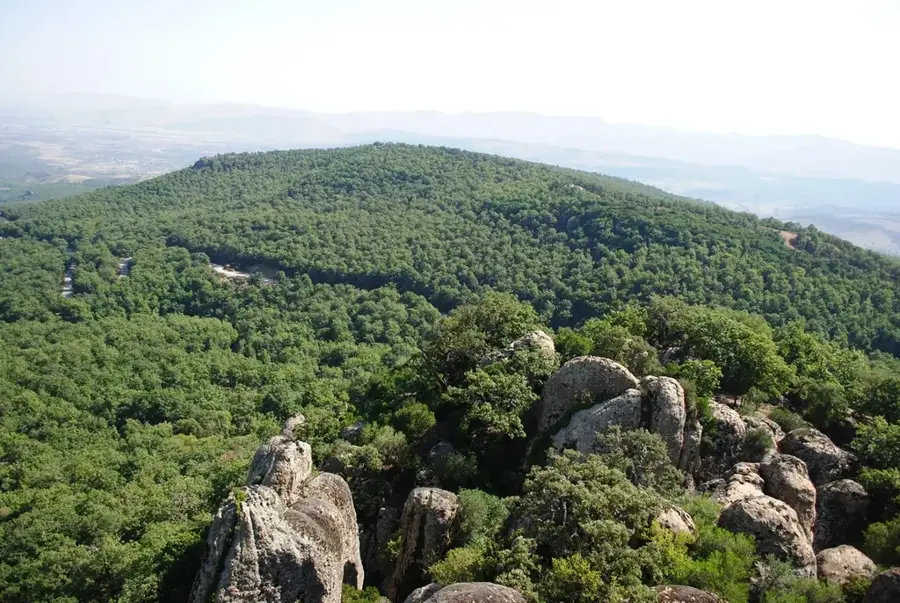
Take a walk in the wooded areas just outside the city walls.
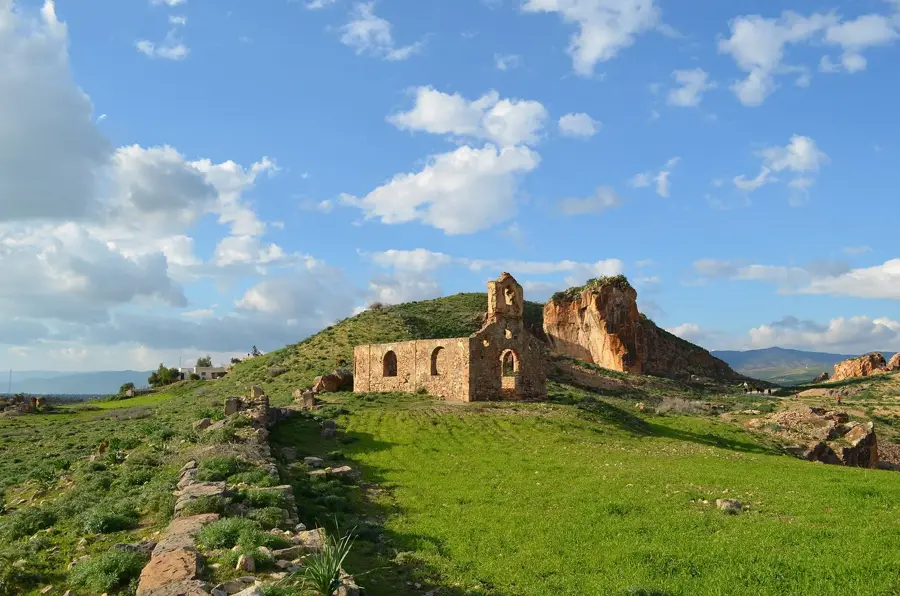
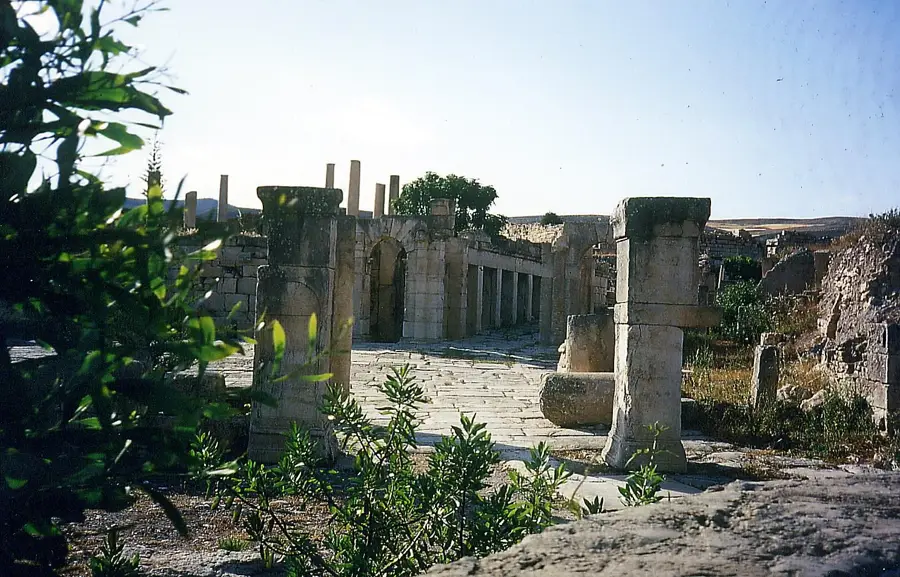
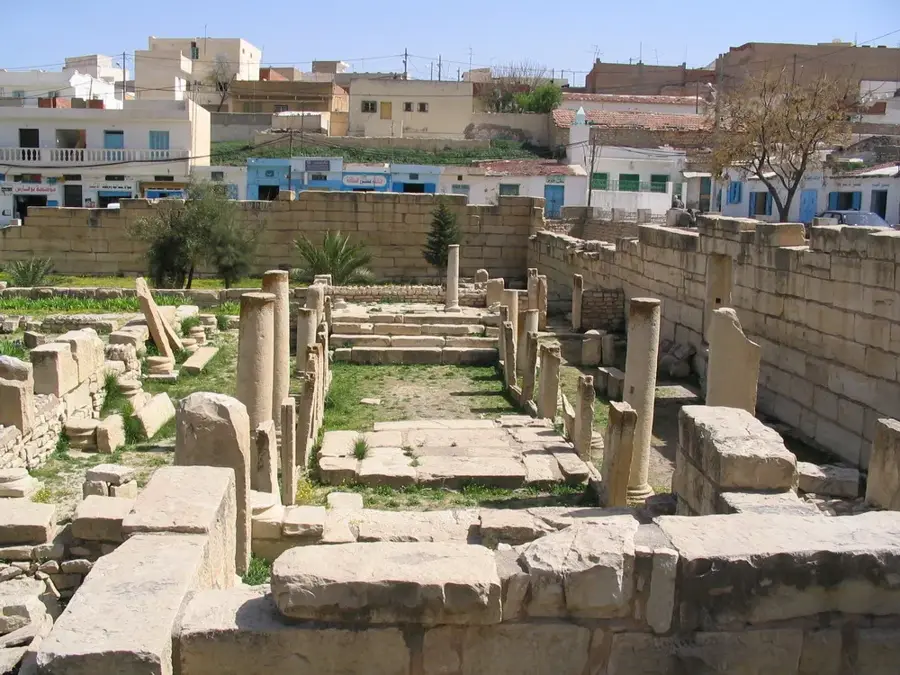
Wander around the ancient ruins for a quiet historical retreat.
Water temperature…
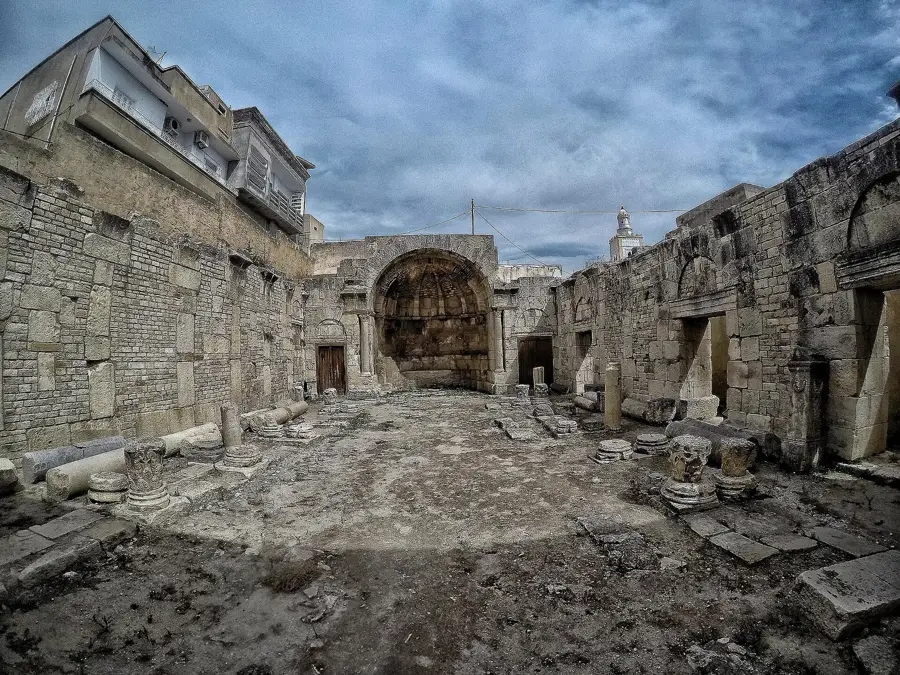
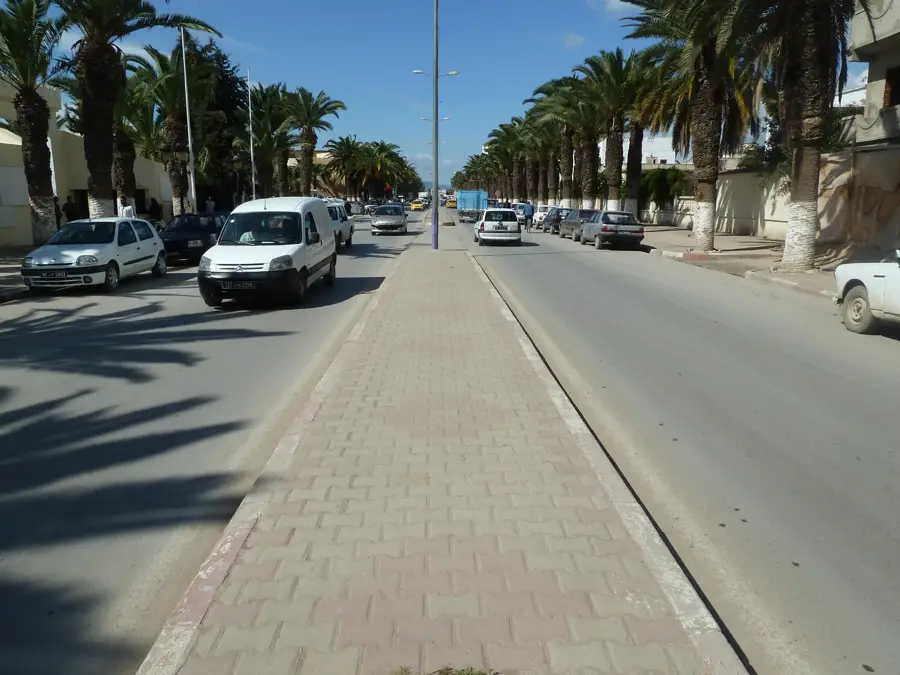
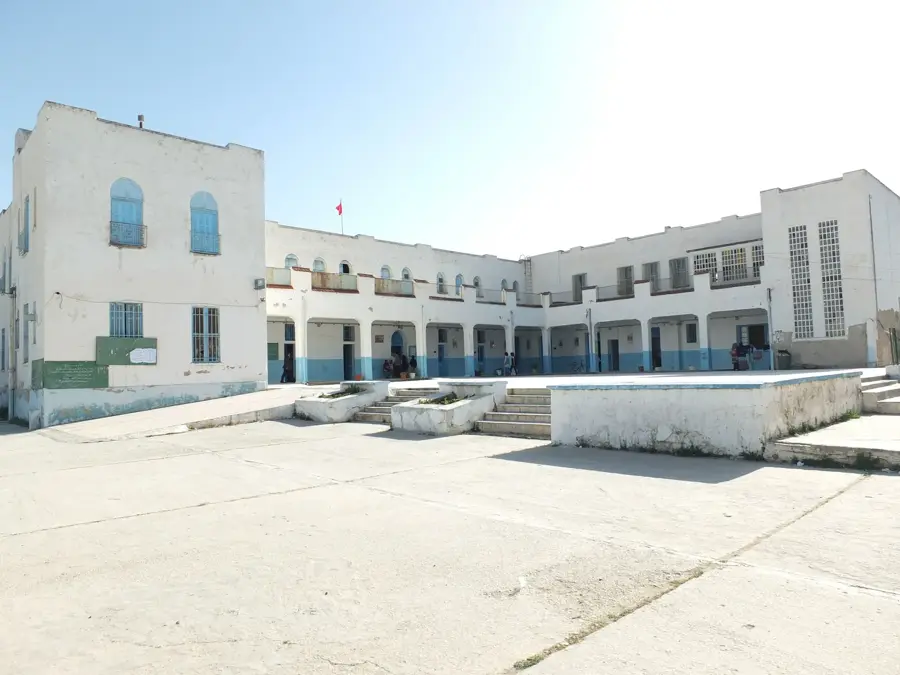
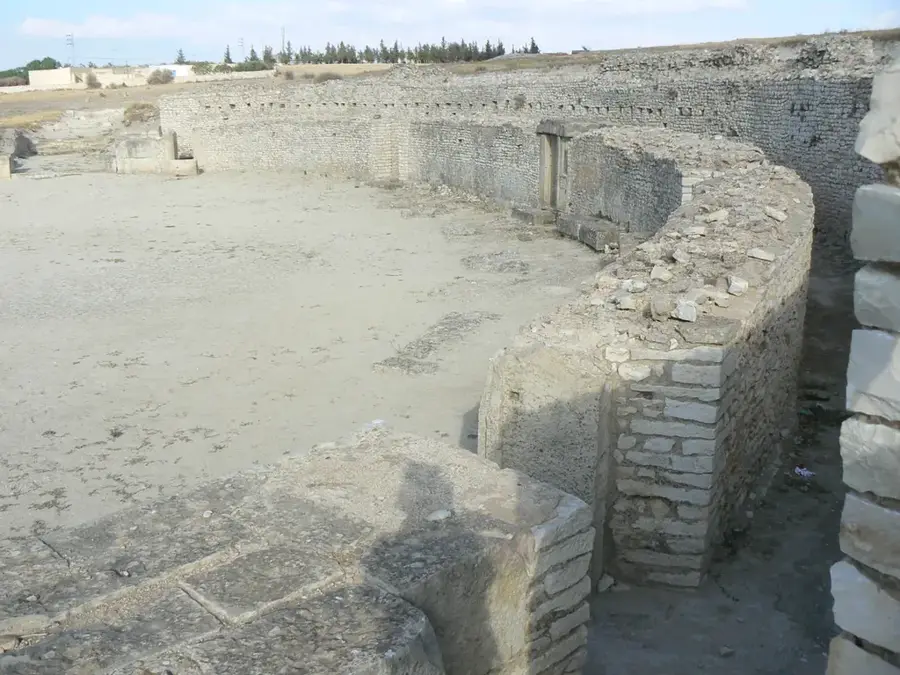
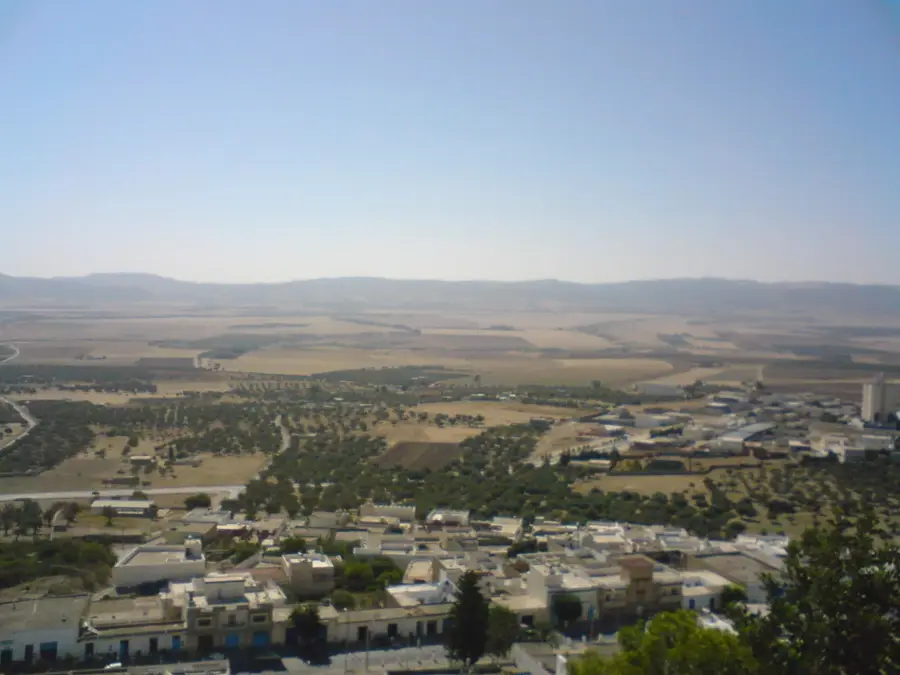
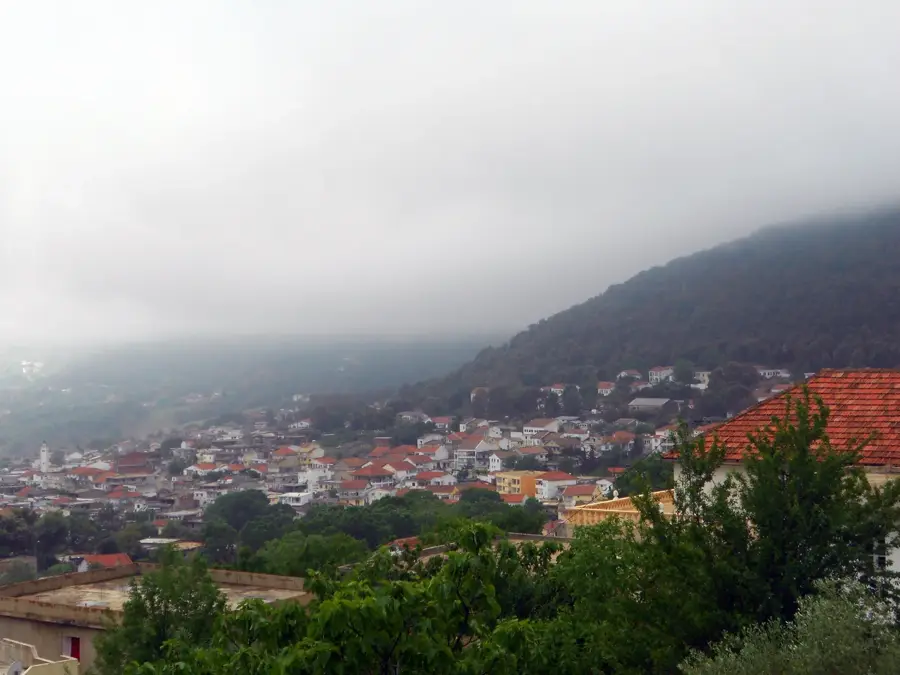
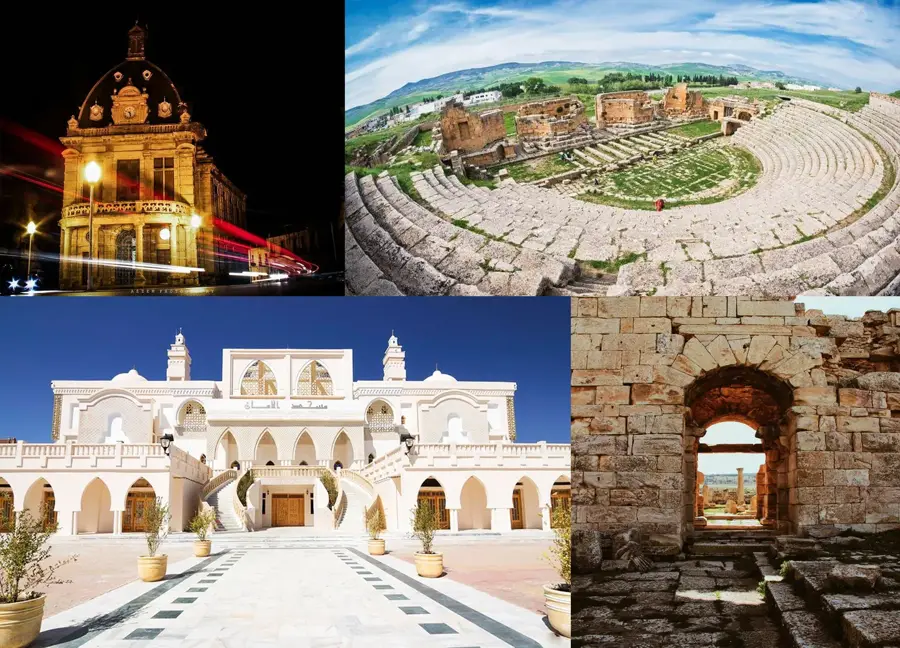
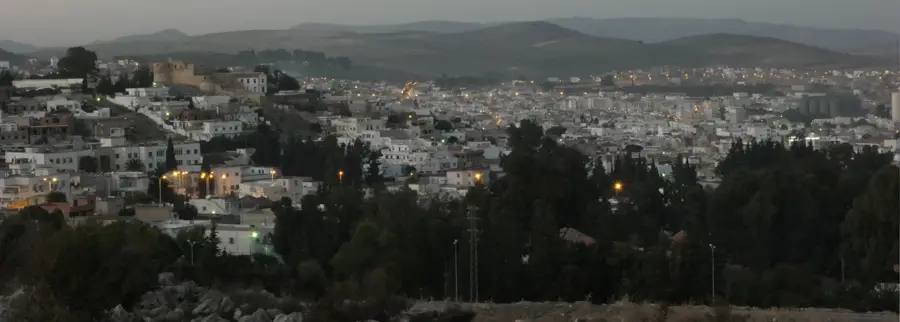
El Kef, perched on a dramatic limestone cliff in northwestern Tunisia, is a city where history and geography converge in a unique highland setting. Known in antiquity as Sicca, it served as a key administrative post for the Carthaginians before becoming the Roman colony of Sicca Veneria. The city's strategic importance has always been defined by its altitude, providing a natural defense that was fortified over millennia. The most iconic landmark is the Kasbah, a sprawling fortress that evolved from Byzantine foundations into a formidable Ottoman stronghold, guarding the pass between the coastal plains and the interior plateaus. Below the ramparts, the old town is a labyrinth of white-washed houses and blue shutters, punctuated by the distinctive green-tiled domes of Sufi shrines. The mausoleum of Sidi Bou Makhlouf stands as the spiritual centerpiece, reflecting the city's long-standing tradition of Islamic mysticism. Economically, El Kef is the capital of a vital agricultural governorate, often referred to as Tunisia's granary due to its extensive cereal fields. The high altitude ensures a climate that is notably cooler than the rest of the country, with occasional winter snowfall adding to its alpine charm. The local culture is a rich tapestry of influences, visible in the regional museum of popular arts and traditions, which showcases the nomadic heritage of the highland tribes and the refined urban customs of the past. Beyond its historical core, the city is a hub for education and trade, connecting the remote mountain villages with the national economy. With its Roman ruins, medieval citadels, and animated contemporary arts scene, El Kef has a profound insight into the resilience and diversity of Tunisian civilization in the Atlas mountains.
- Location: Tunisia
- Top sights: Les grottes de Sidi Mansour · Musée des Arts et Traditions Populaires · la Kasbah
- Nearby: Bou Salem (53 km)
- Population: ~53.596 (2026)
Best time to visit & climate
The most pleasant time to visit is May, Jun, Sep.
| Jan | Feb | Mar | Apr | May | Jun | Jul | Aug | Sep | Oct | Nov | Dec | |
|---|---|---|---|---|---|---|---|---|---|---|---|---|
| Avg °C | 7 | 8 | 11 | 14 | 18 | 23 | 27 | 26 | 22 | 18 | 12 | 8 |
| Rain mm | 79 | 58 | 77 | 55 | 41 | 21 | 11 | 25 | 54 | 59 | 58 | 75 |
Geography
Facts
- The city's name El Kef translates to 'The Rock' in Arabic, describing its topographical position.
- During the Roman era, it was a significant stop on the road between Carthage and Cirta.
- The Roman Cisterns of El Kef are massive structures that could hold millions of liters of water.
- The city was a refuge for Algerian nationalists during their struggle for independence from France.
- El Kef's regional museum displays a rare collection of traditional Berber jewelry and weaponry.
- The Great Mosque of El Kef is built on the ruins of a Roman temple dedicated to Hercules.
- The city experiences more than 600 mm of annual rainfall, significantly higher than the national average.
- The ancient numidian site of Table de Jugurtha nearby is a tentative UNESCO World Heritage candidate.
Explore nearby
Notable places around

Route planner — Car & Motorhome
Where do you start? We build the route here, with stops and country notes along the way.
© OpenStreetMap contributors · OpenRouteService
Sights in the town El Kef (4)
Frequently asked questions
How many days for El Kef?
Best time for El Kef?
How to reach El Kef?
Are there local specialties?
Is El Kef safe for families?
El Kef: where is it located?
El Kef: what is there to see?
El Kef: when is the best time to visit?
El Kef: why is it worth visiting?

Nearby cities
More places