Plizio Visual Lab
Testour Pomegranate Farming
Weather…
Water temperature…
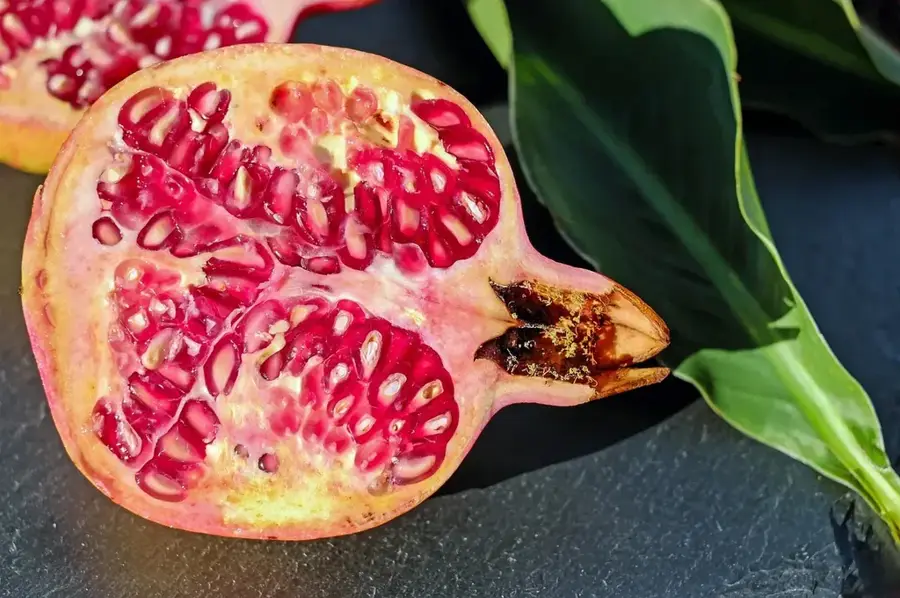
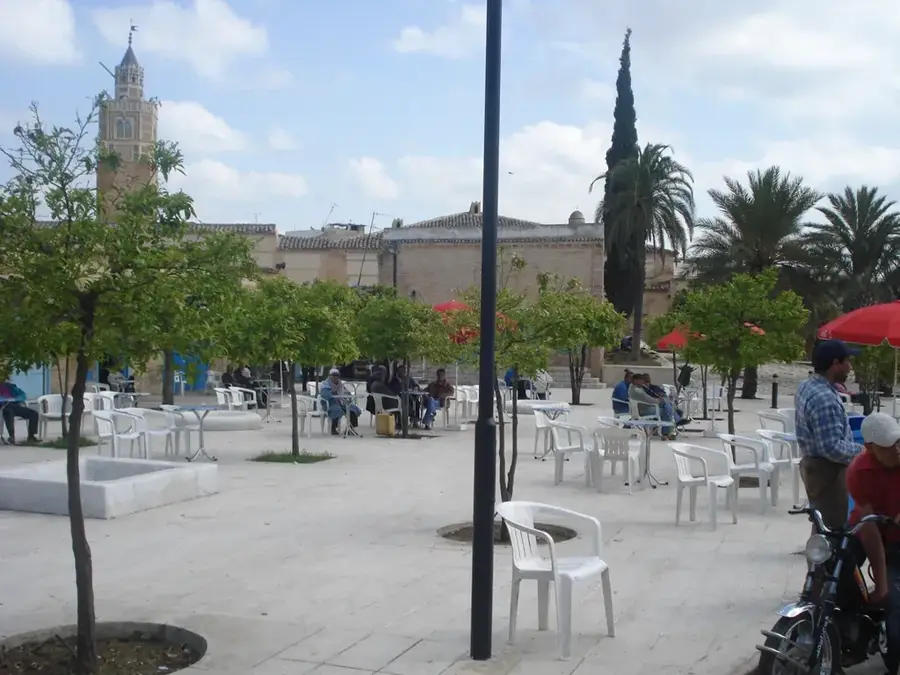
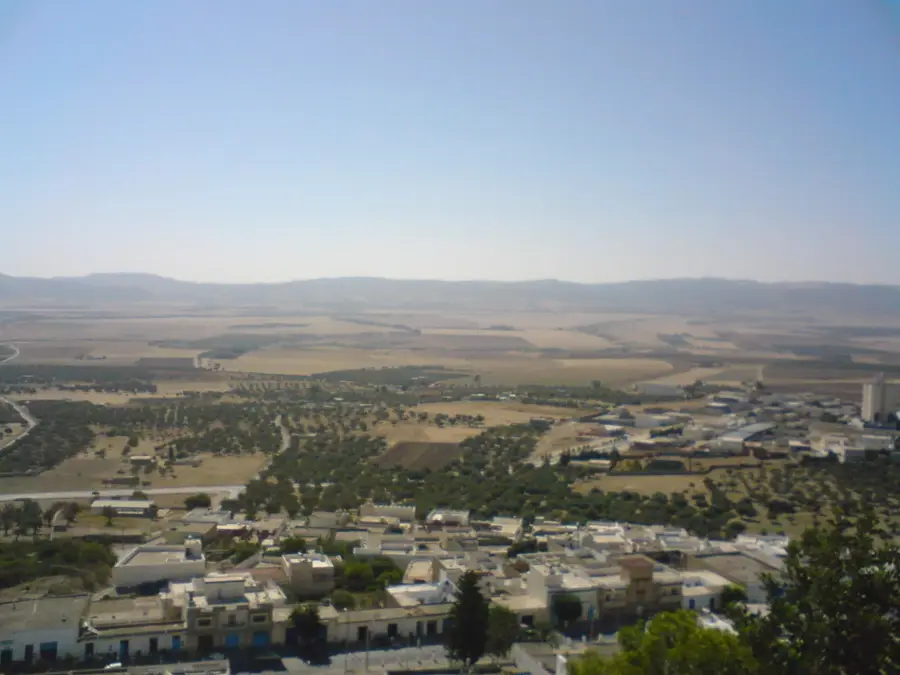
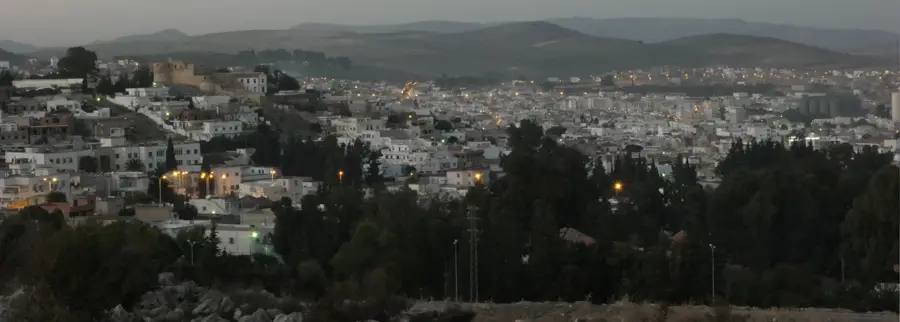
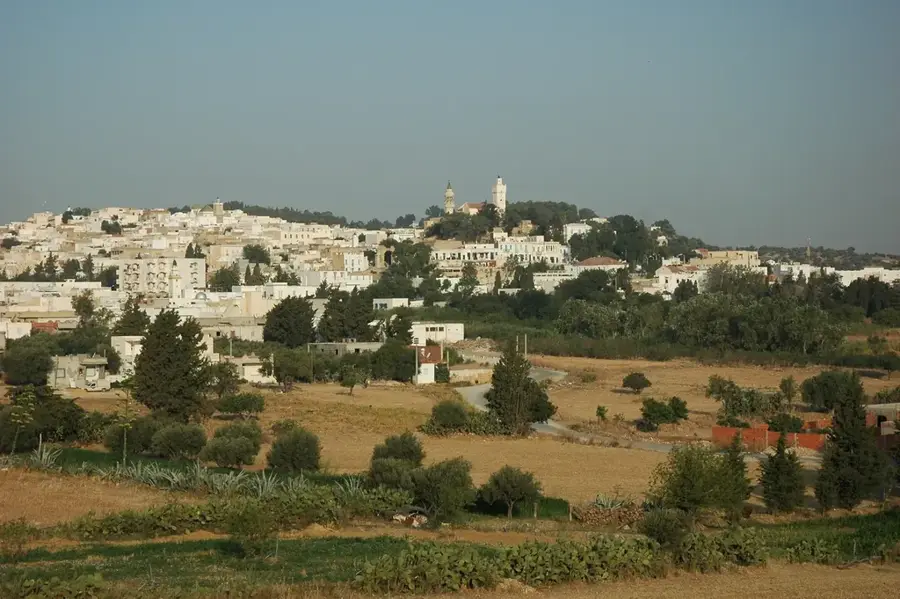
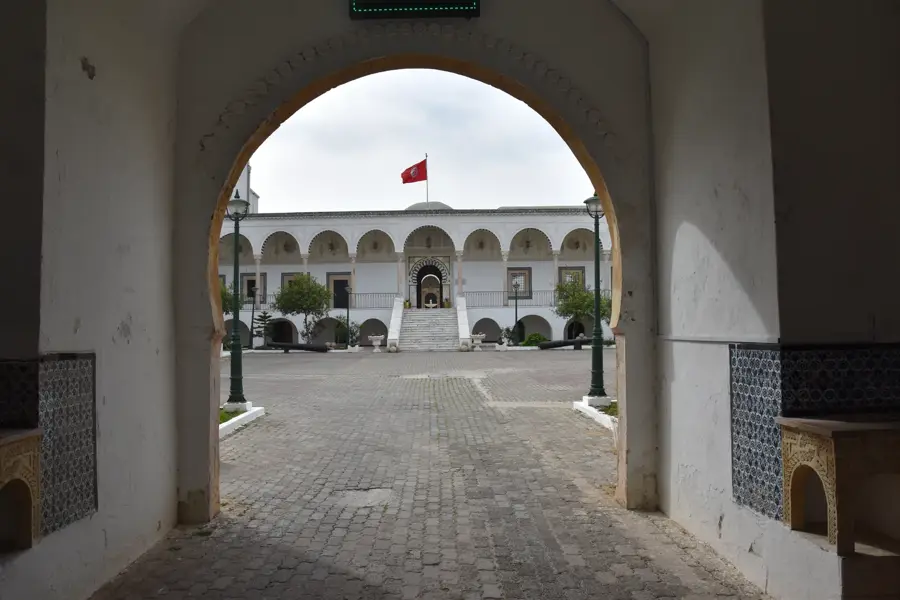
Testour, located in northwestern Tunisia, is globally celebrated for its pomegranate cultivation, a legacy of the Andalusian Moors who settled there in the early 17th century. These refugees brought sophisticated irrigation methods and high-quality Spanish pomegranate varieties to the fertile Medjerda Valley, transforming the region into a premier agricultural hub. Each October, the town hosts the National Pomegranate Festival, showcasing the harvest alongside traditional products like pomegranate molasses, juices, and crafts. The town's architecture remains a testament to its Moorish roots, notably the Great Mosque with its unique counter-clockwise clock, reflecting the settlers' nostalgic link to their past. Pomegranate farming is the backbone of Testour's economy and social fabric, with knowledge of cultivation passed down through generations. The orchards are often integrated with olive and citrus groves, maintaining a rich local biodiversity and a sustainable farming model. Today, Testour is recognized as the 'Pomegranate Capital' of Tunisia, with its fruit highly prized for its exceptional sweetness and deep ruby color.
- Location: Tunisia
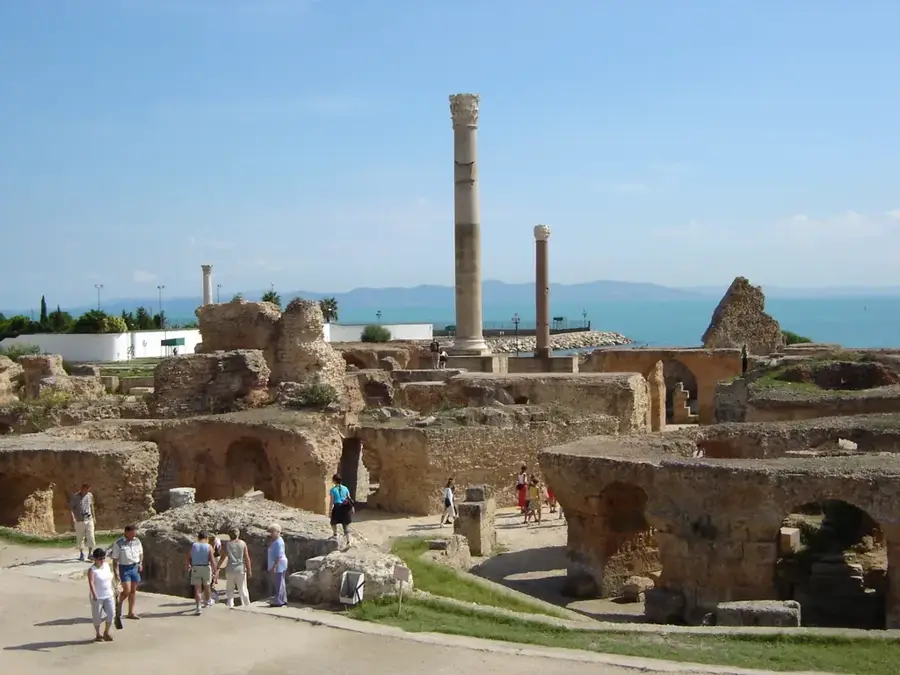
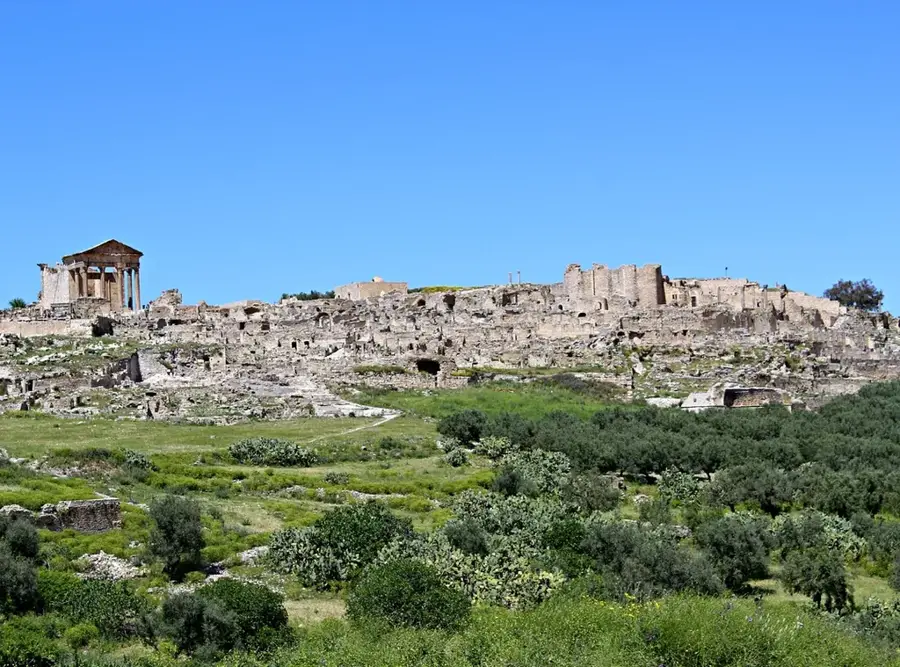
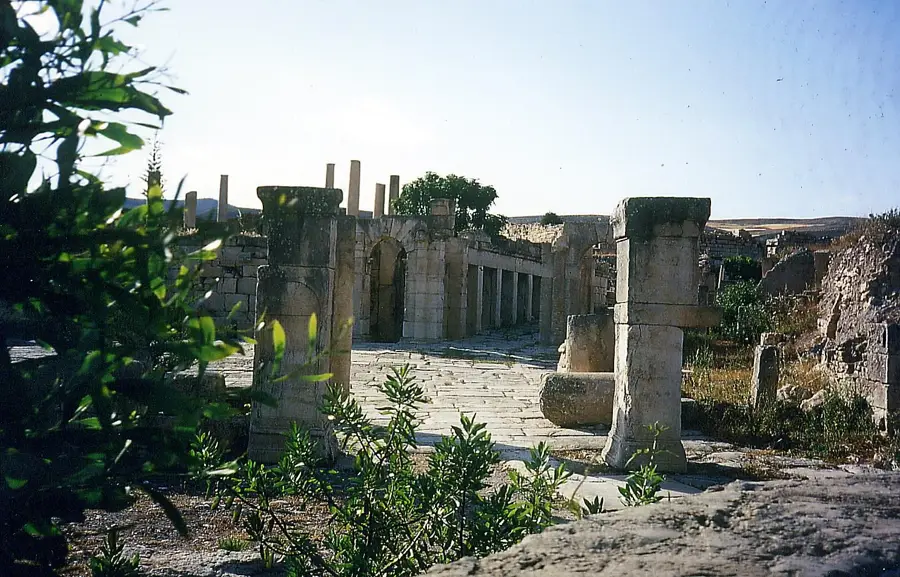
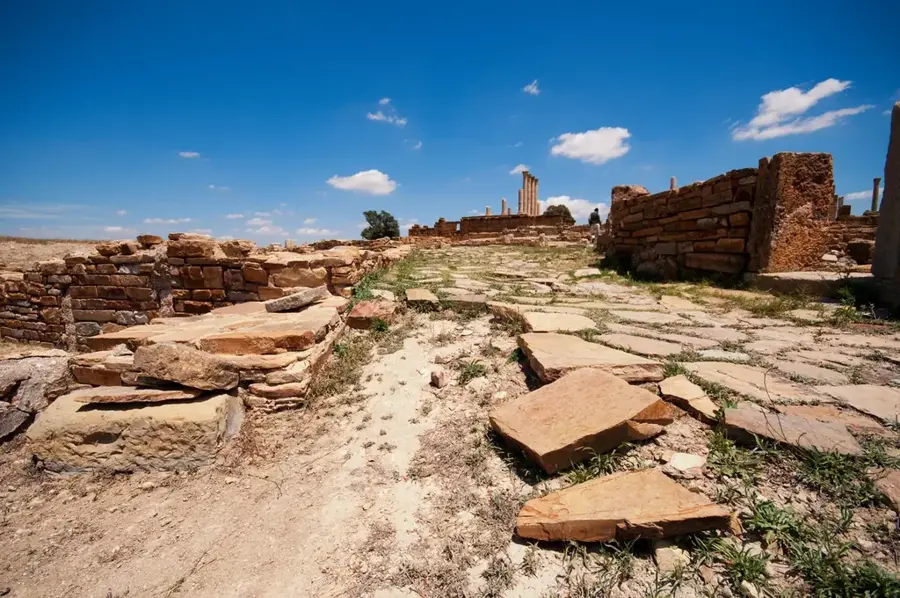
- Top sights: Byzantine fortress · Roman Theatre of Thignica · Ruins
- Nearby: Téboursouk (19 km)
Best time to visit & climate
The most pleasant time to visit is May, Jun, Sep.
| Jan | Feb | Mar | Apr | May | Jun | Jul | Aug | Sep | Oct | Nov | Dec | |
|---|---|---|---|---|---|---|---|---|---|---|---|---|
| Avg °C | 9 | 9 | 12 | 15 | 19 | 24 | 27 | 27 | 23 | 19 | 14 | 10 |
| Rain mm | 96 | 75 | 81 | 62 | 41 | 18 | 7 | 23 | 55 | 65 | 77 | 94 |
📋 Practical info
Geography
Facts
- Testour was founded by Andalusian Moors in the early 17th century.
- The town hosts a national Pomegranate Festival every October.
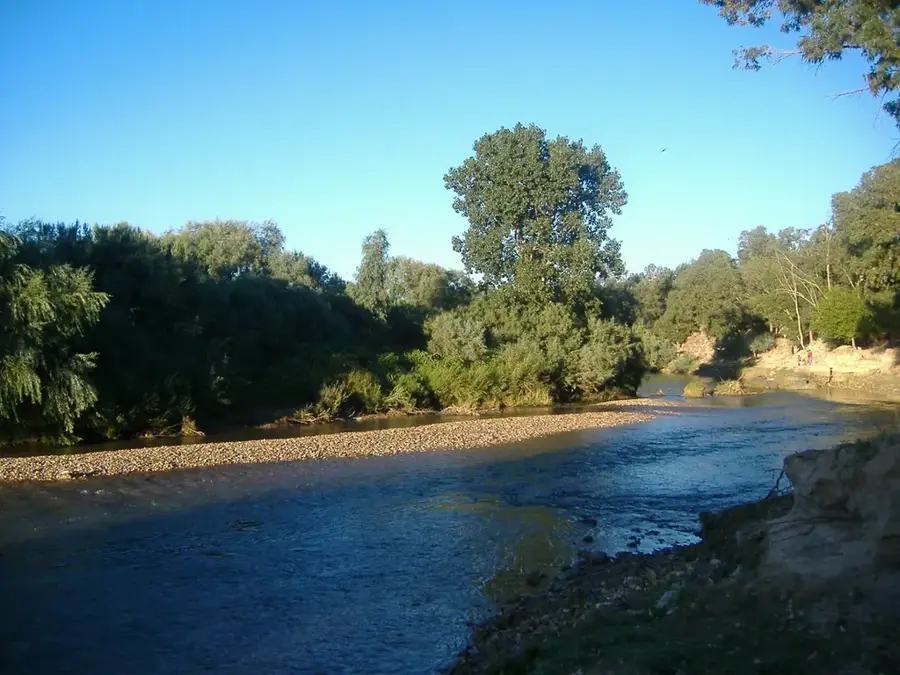
- It is situated in the Medjerda Valley, Tunisia's longest river valley.
- The Great Mosque features a rare counter-clockwise clock on its minaret.
- The region produces over 10 different varieties of pomegranate.
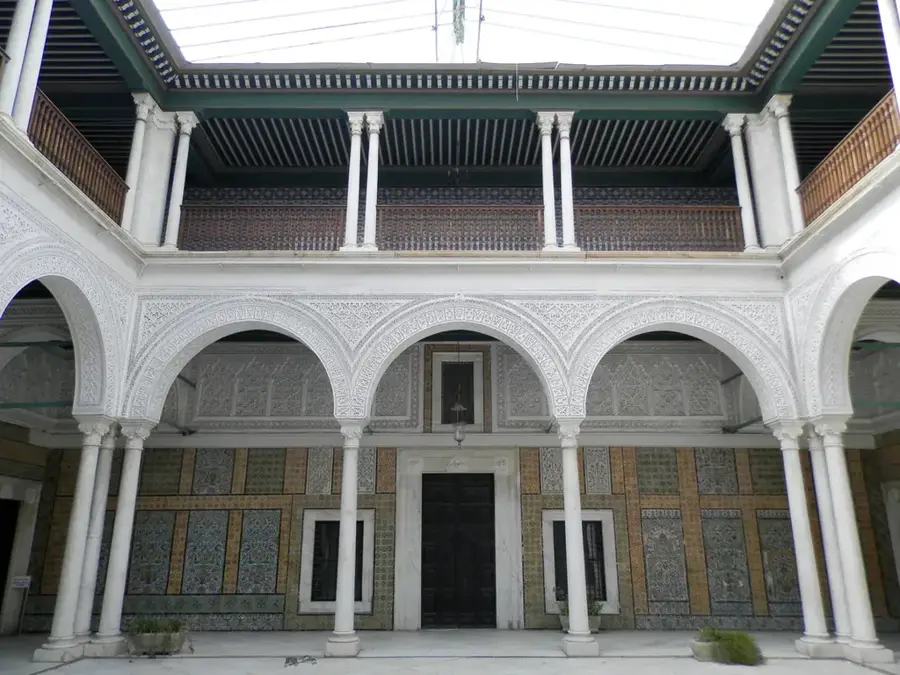
- Known for its unique Andalusian urban layout and tiling heritage.
Explore nearby
Notable places around


Route planner — Car & Motorhome
Where do you start? We build the route here, with stops and country notes along the way.
© OpenStreetMap contributors · OpenRouteService
Sights in the town Testour Pomegranate Farming (3)
Sights nearby
Frequently asked questions
When is the best time to visit Testour?
Can you visit the cultivation areas?
Is Testour a good family destination?
What is the regional specialty?
What is the best way to get to Testour?
Testour Pomegranate Farming: where is it located?
Testour Pomegranate Farming: what is there to see?
Testour Pomegranate Farming: when is the best time to visit?
Testour Pomegranate Farming: why is it worth visiting?

Nearby cities


History & landmarks
Nature
More places