Plizio Visual Lab
Béja
ℹ️Practical info — Béja
▾
🌤 Weather — 5 days
📍 Nearby
Sights nearby
💡 Tips
- Spring is the best time to visit when the surrounding rolling hills are beautifully green.
- Use shared taxis (louages) as they are the most reliable way to travel to and from the city.
- Try to visit the ancient Kasbah near sunset for the best views over the Medjerda valley.
- Béja is famous nationwide for its dairy, so buying cheese is a must.
🍽 Food
Famous local sweet pastries, widely available in the old medina.
Buy it fresh from specialized dairy shops in the city center.
Look for local artisanal cheeses at the municipal market.
🛍 Shopping · 🧘 Quiet spots
Great for fresh produce, spices, and local agricultural goods.
The best place to buy authentic Tunisian sweets by the kilo.
Features a calm atmosphere and panoramic views away from the noisy streets.
Enjoy a peaceful walk in the agricultural outskirts.
Water temperature…
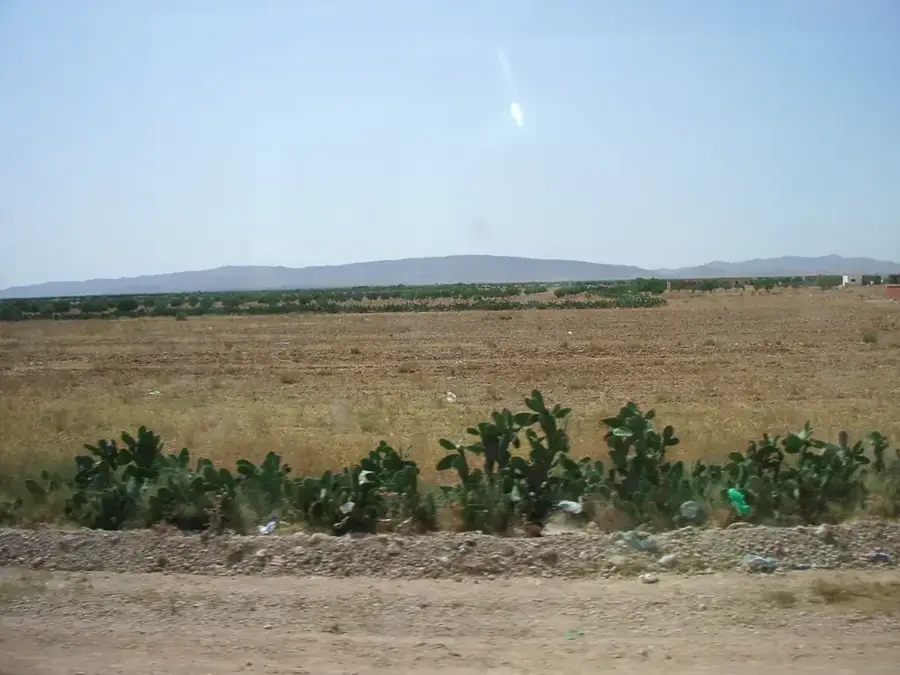
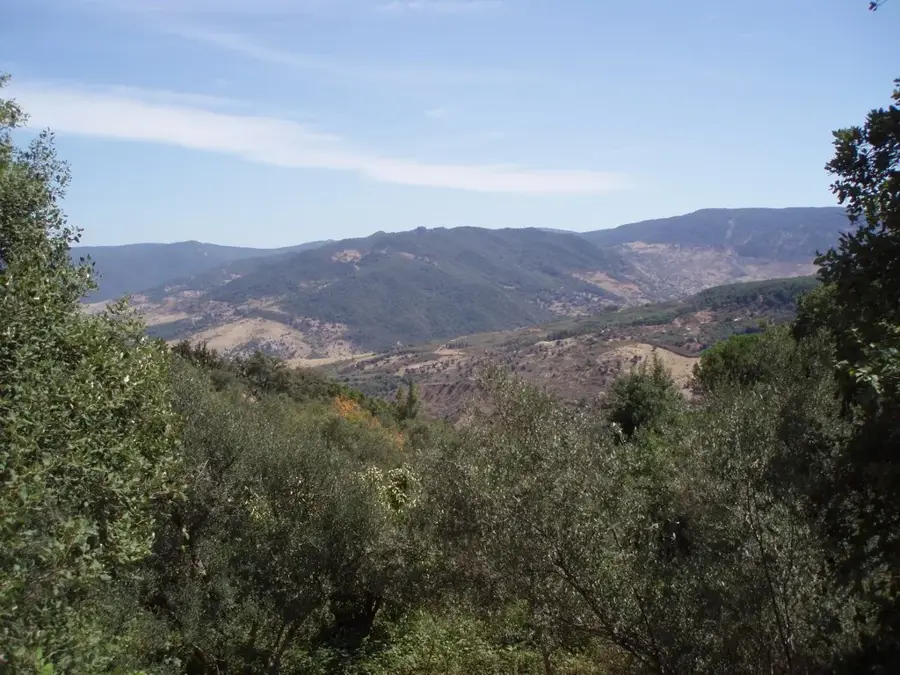
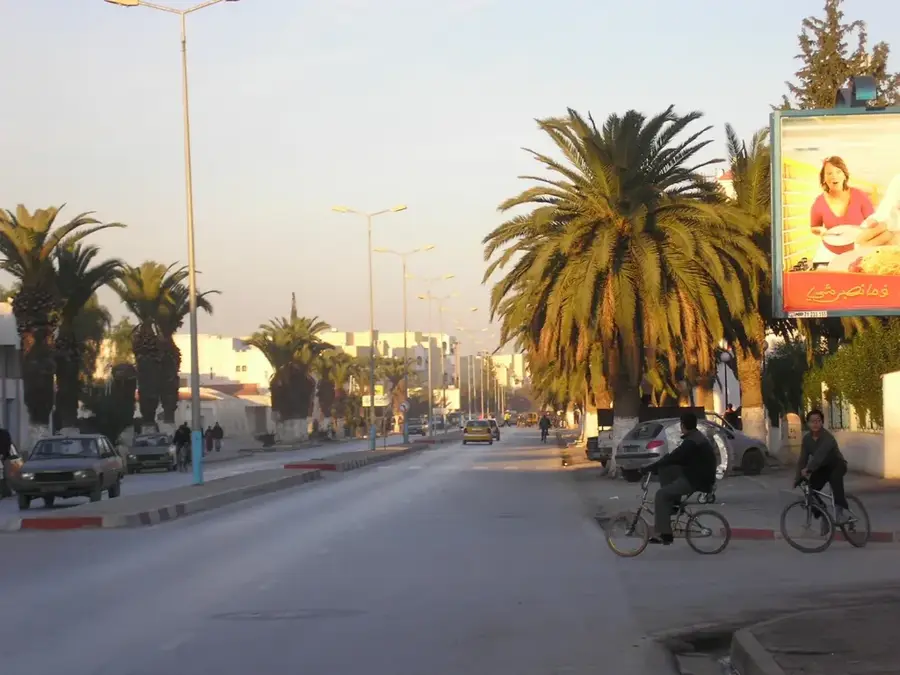
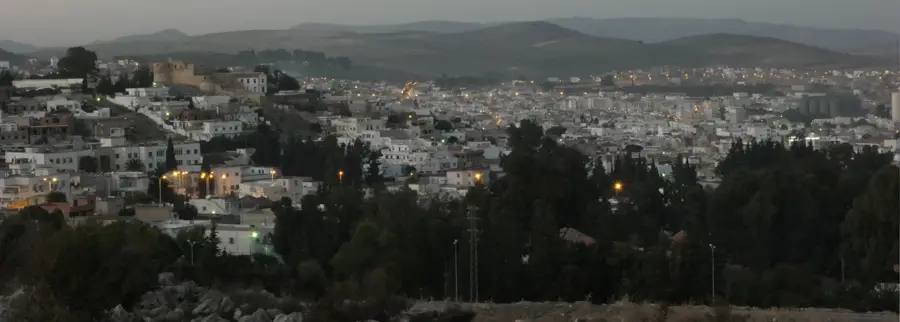
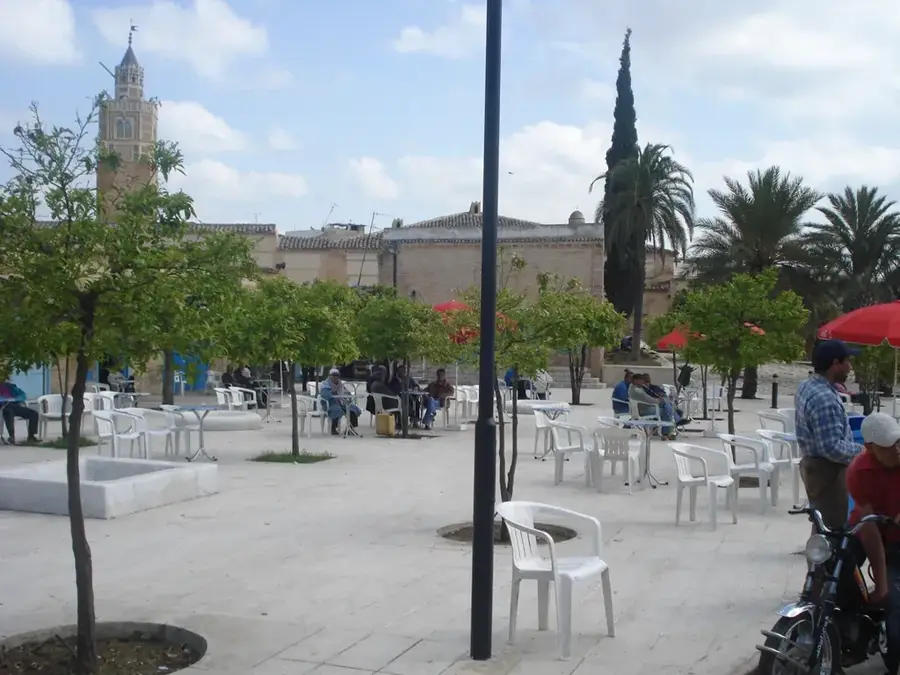
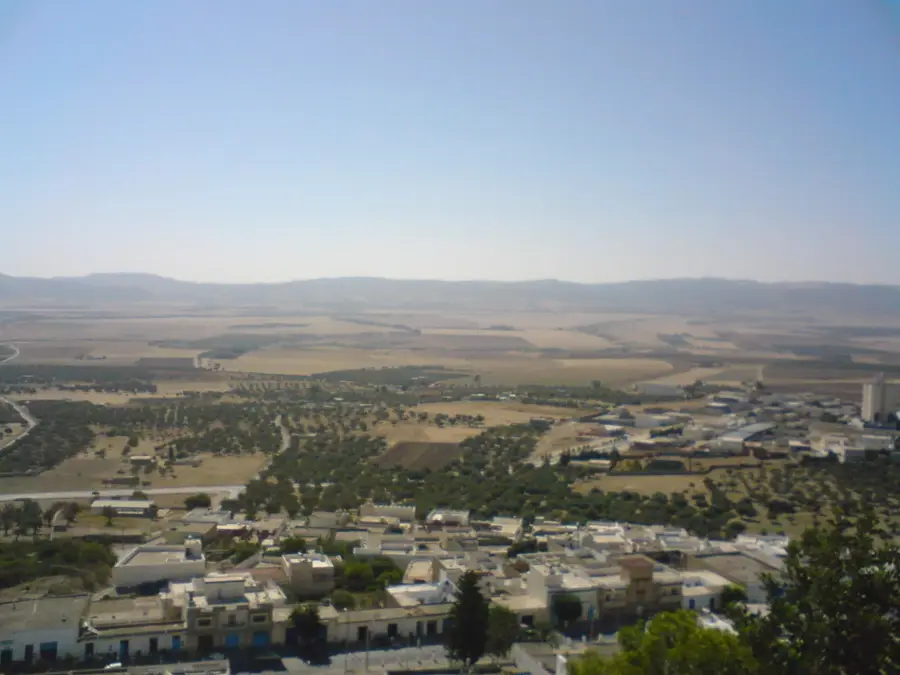
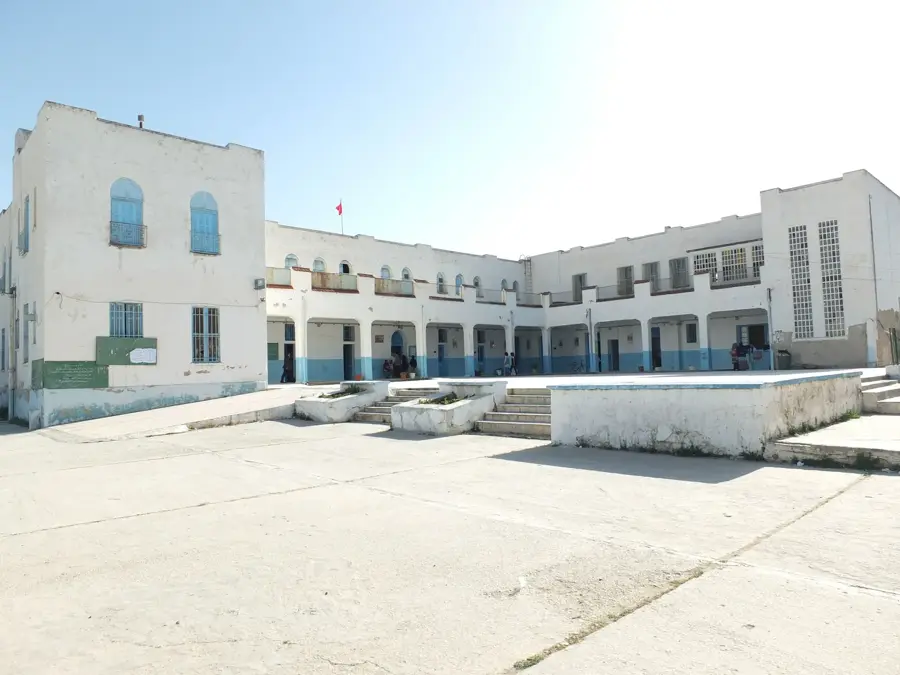
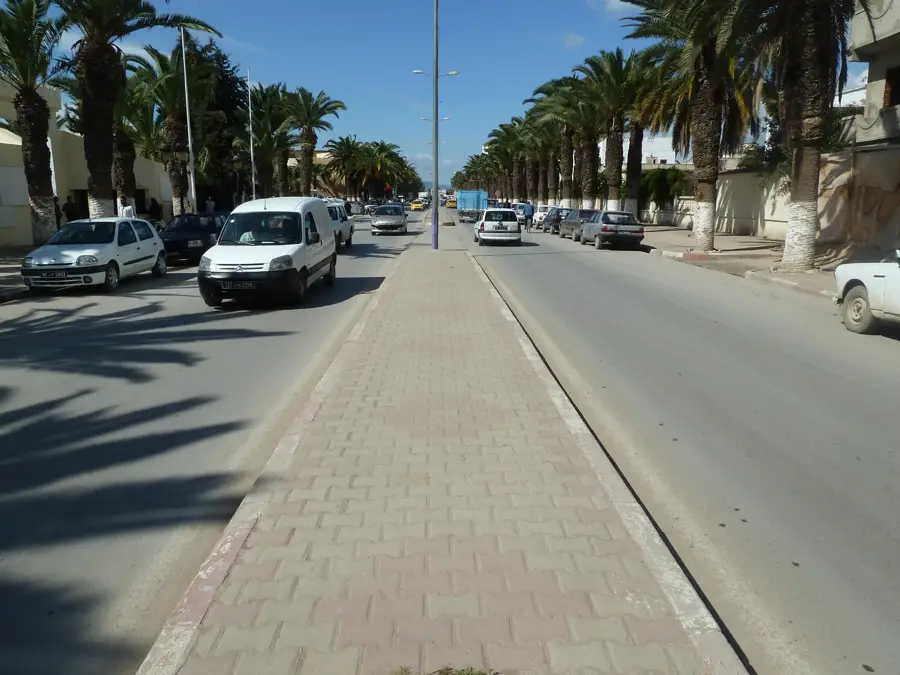
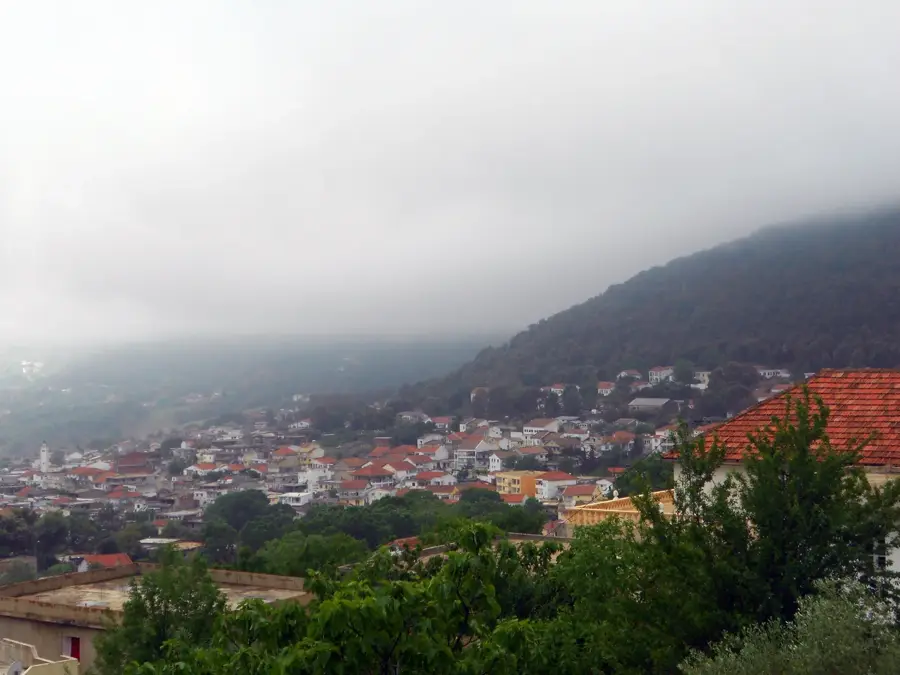
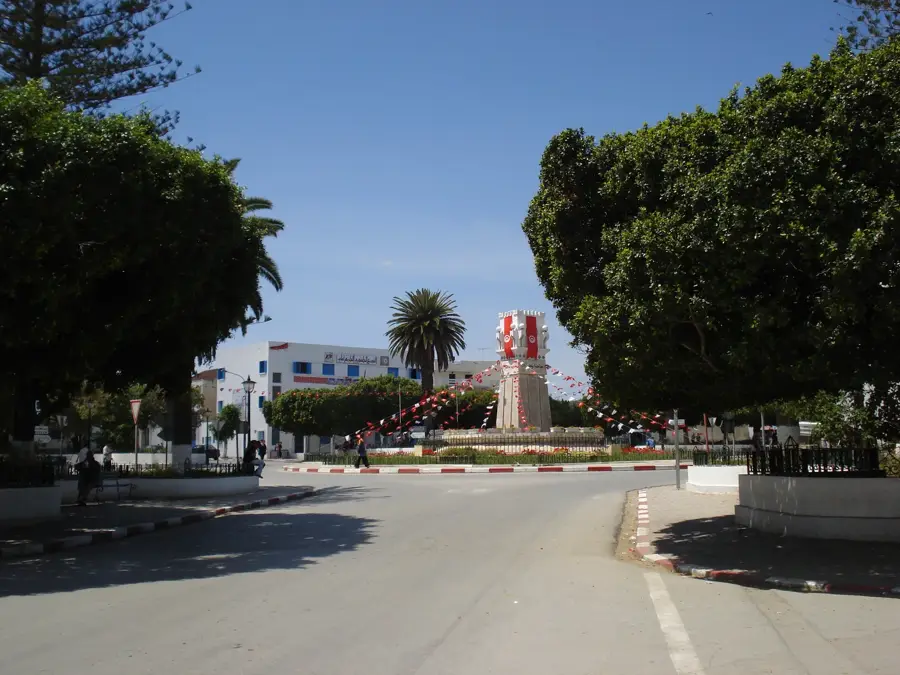
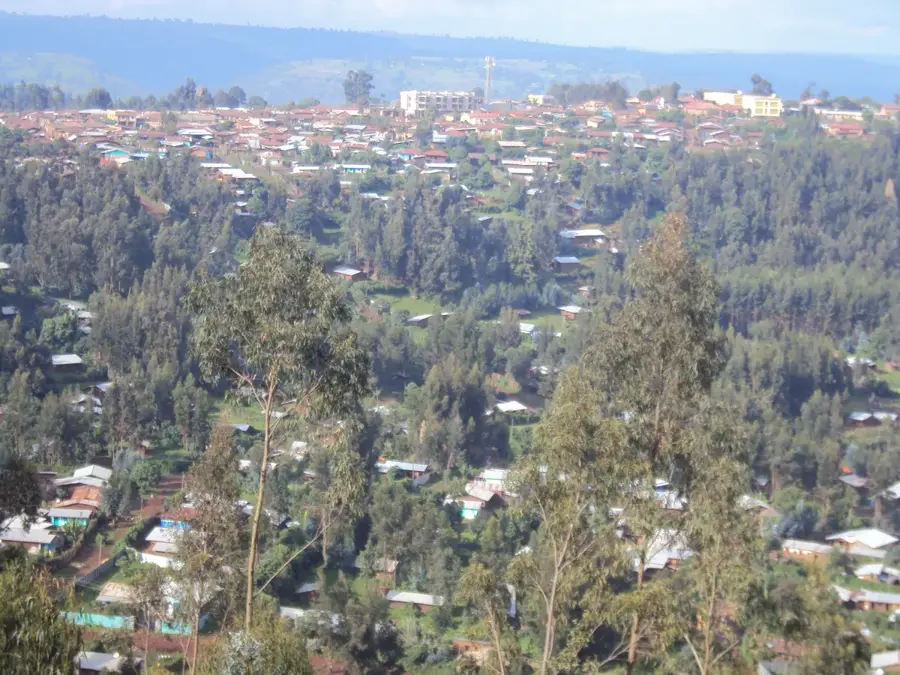
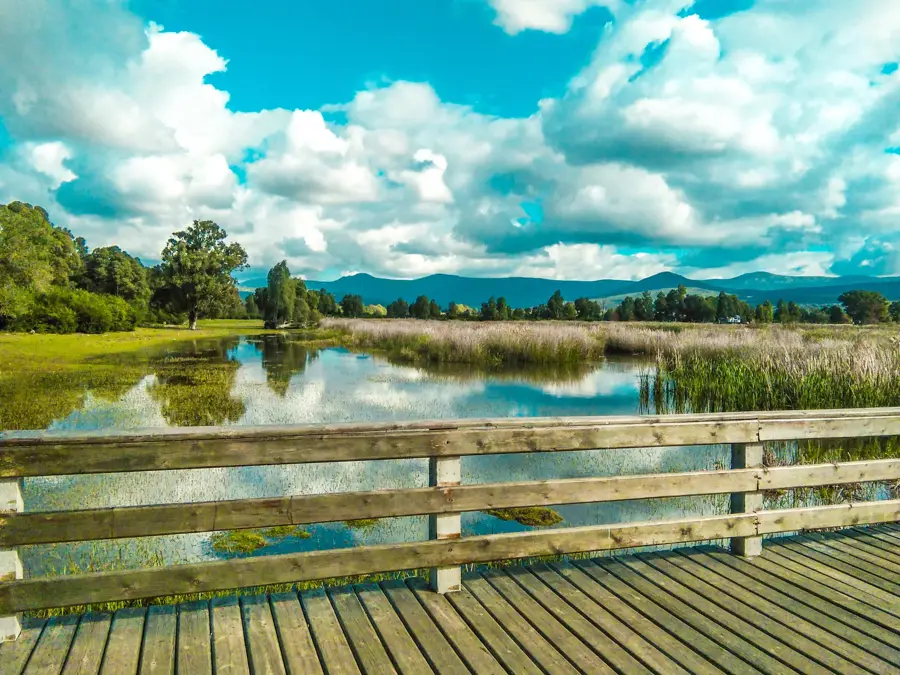
Béja is a historic city in northwestern Tunisia, renowned for its vital role as the country's primary agricultural center. Often referred to as the 'Granary of Tunisia,' the city has sustained this reputation since antiquity due to its location in the incredibly fertile Medjerda River valley. Originally established by the Carthaginians as Vaga, it became a major Roman colony and a center for the grain trade, supplying the far reaches of the empire. The city’s geography is marked by rolling green hills and a relatively high rainfall compared to the rest of Tunisia, which facilitates the large-scale production of wheat, barley, and sugar beets. Overlooking the modern town is the imposing Kasbah of Béja, a massive fortress built on Roman foundations that was subsequently reinforced by the Byzantines, Arabs, and Ottomans. Today, Béja is an industrial hub for food processing, home to Tunisia's first large-scale sugar refinery and numerous dairies. The city is particularly famous for its traditional Béja cheese, a local delicacy prepared using ancestral methods that remains highly prized throughout North Africa. Architecturally, the city displays a fascinating contrast between its winding medieval Medina and the colonial-era districts characterized by French-style avenues and buildings. Culturally, Béja is a center for traditional crafts and North Tunisian folklore, often celebrated in local festivals. Its strategic position has also made it a focal point in military history, notably during the Tunisian Campaign of World War II, where it was a heavily contested railway and road junction. The nearby Sidi Salem Dam, the largest in the country, underscores the region's importance for national water management and irrigation. Béja features visitors a blend of historical depth, from its ancient fortifications to its bustling markets, and scenic beauty provided by the surrounding agricultural landscapes. It remains a cornerstone of the Tunisian economy and a symbol of the nation's agrarian heritage.
- Location: Tunisia
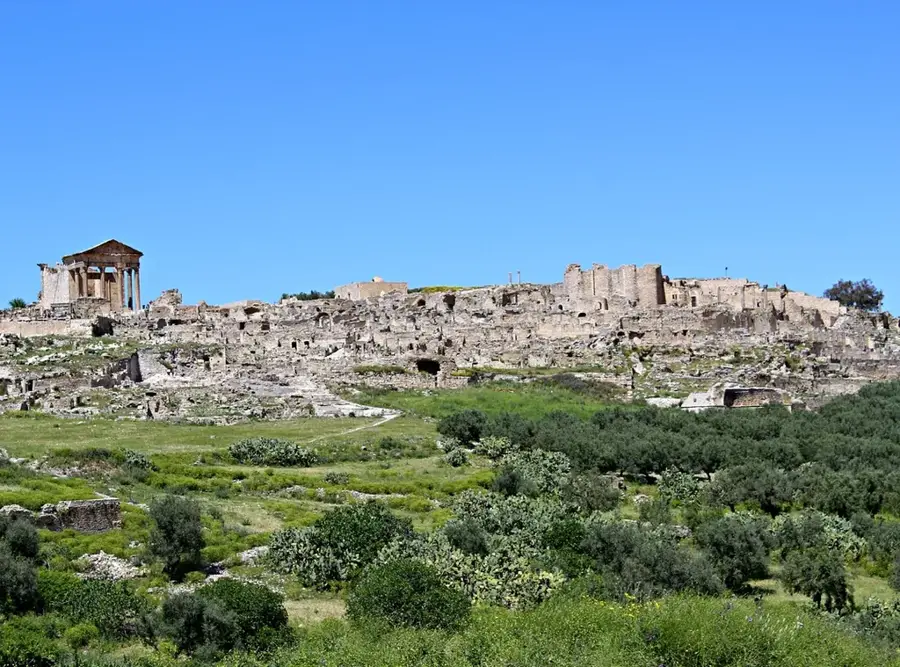
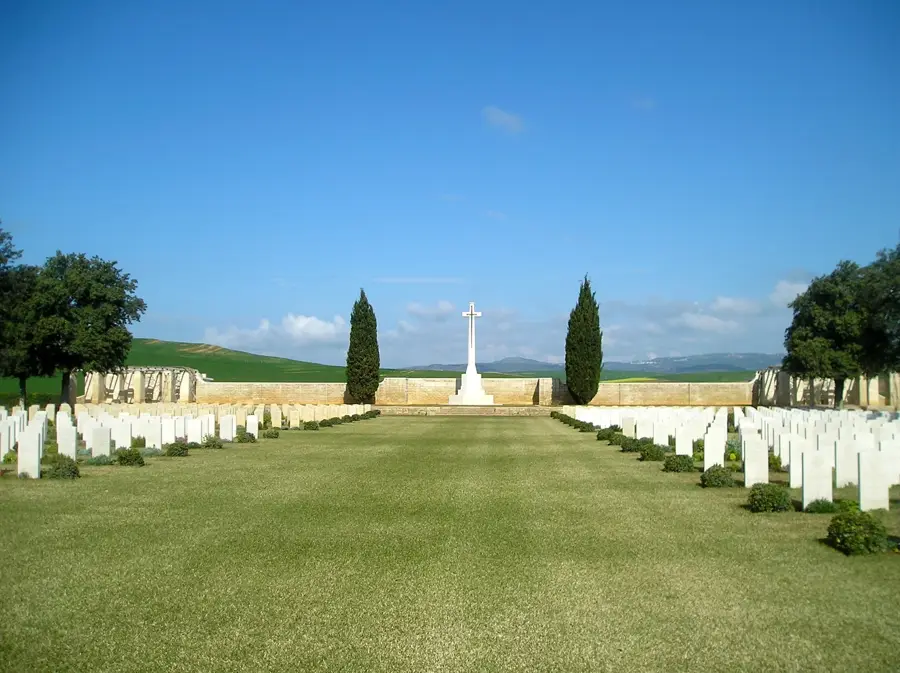
- Top sights: Belalis maior / Henchir el-Faouar · citadel of Vaga
- Nearby: Bou Salem (23 km)
- Population: ~61.568 (2026)
Best time to visit & climate
The most pleasant time to visit is May, Jun, Sep.
| Jan | Feb | Mar | Apr | May | Jun | Jul | Aug | Sep | Oct | Nov | Dec | |
|---|---|---|---|---|---|---|---|---|---|---|---|---|
| Avg °C | 9 | 9 | 12 | 15 | 19 | 24 | 27 | 27 | 23 | 19 | 13 | 10 |
| Rain mm | 97 | 77 | 83 | 65 | 43 | 18 | 8 | 23 | 57 | 66 | 76 | 96 |
Geography
Facts
- Ancient Vaga was a major market for Roman grain merchants.
- The Kasbah has 22 towers and was once the seat of regional governors.
- Béja’s sugar refinery satisfies a large portion of national demand.
- The city is located in the Medjerda basin, Tunisia's most fertile zone.
- Local farmers still use a traditional crop rotation system.
- Béja was a key objective for both sides during the North African campaign.
- The population of the city is approximately 65,000 inhabitants.
- It serves as a primary hub for the national railway network (SNCFT).
Explore nearby
Notable places around

Route planner — Car & Motorhome
Where do you start? We build the route here, with stops and country notes along the way.
© OpenStreetMap contributors · OpenRouteService
Sights in the town Béja (2)
Frequently asked questions
How many days should I spend in Béja?
When is the best time to visit Béja?
What is the best way to get to Béja?
Are there typical dishes in Béja?
Is Béja a family-friendly destination?
Béja: where is it located?
Béja: what is there to see?
Béja: when is the best time to visit?
Béja: why is it worth visiting?

Nearby cities
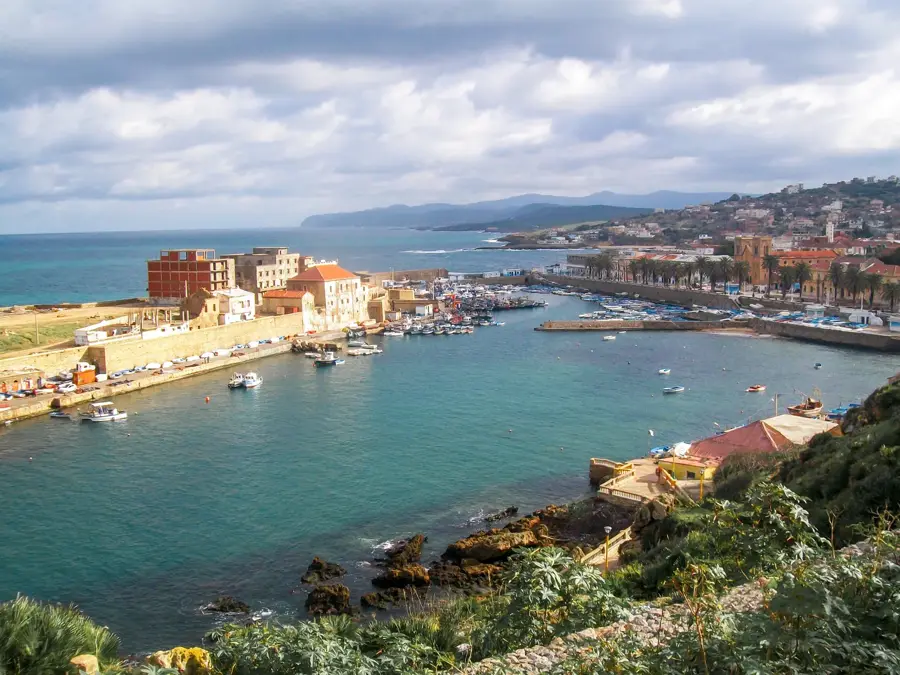
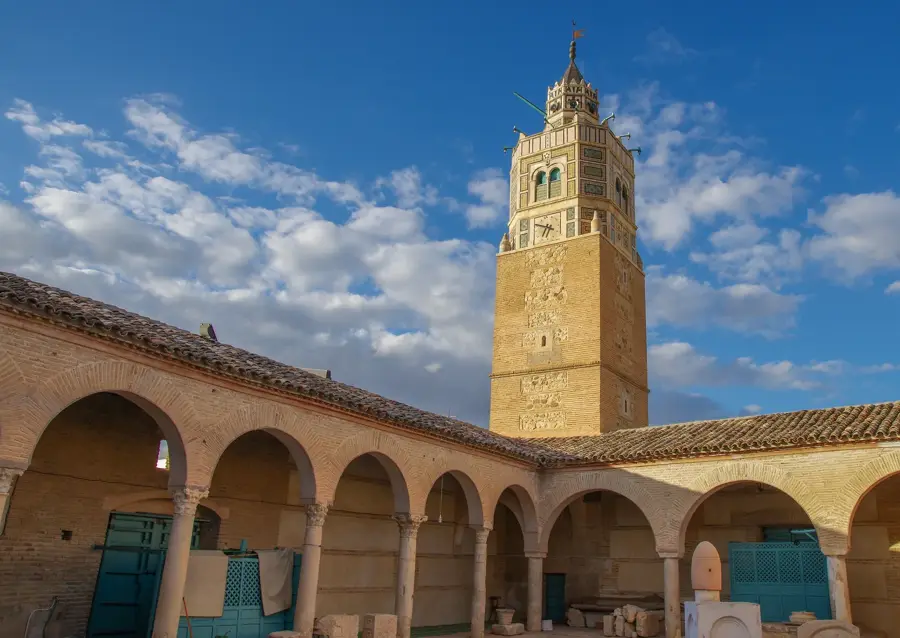
History & landmarks
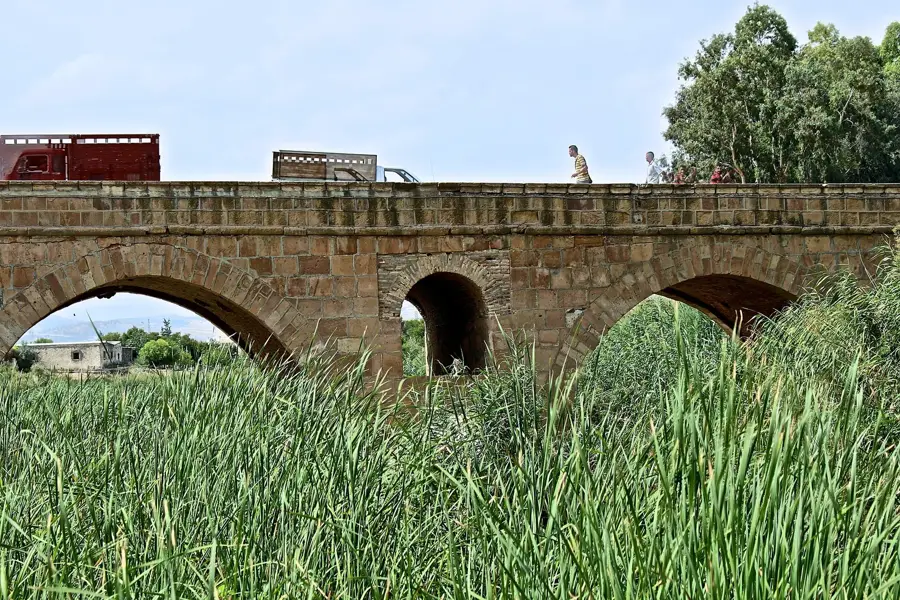
Nature
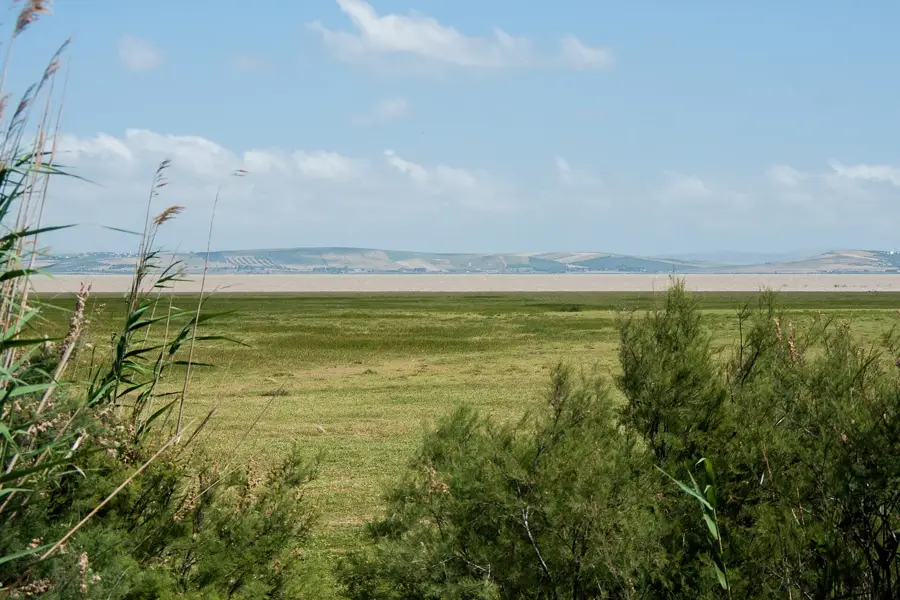
More places