Plizio Visual Lab
Testour
ℹ️Practical info — Testour
▾
🌤 Weather — 5 days
📍 Nearby
Sights nearby
💡 Tips
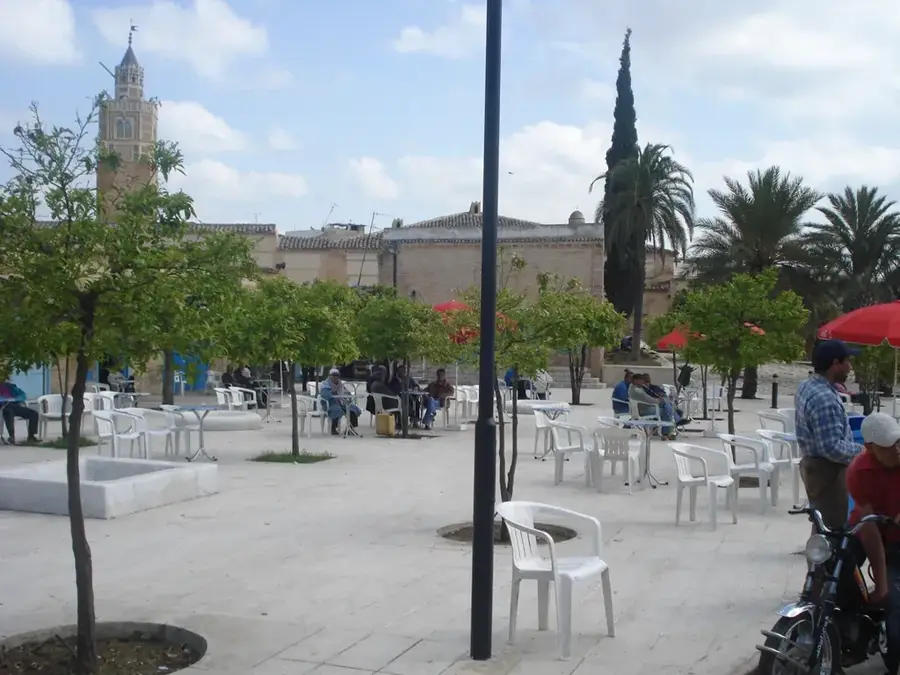
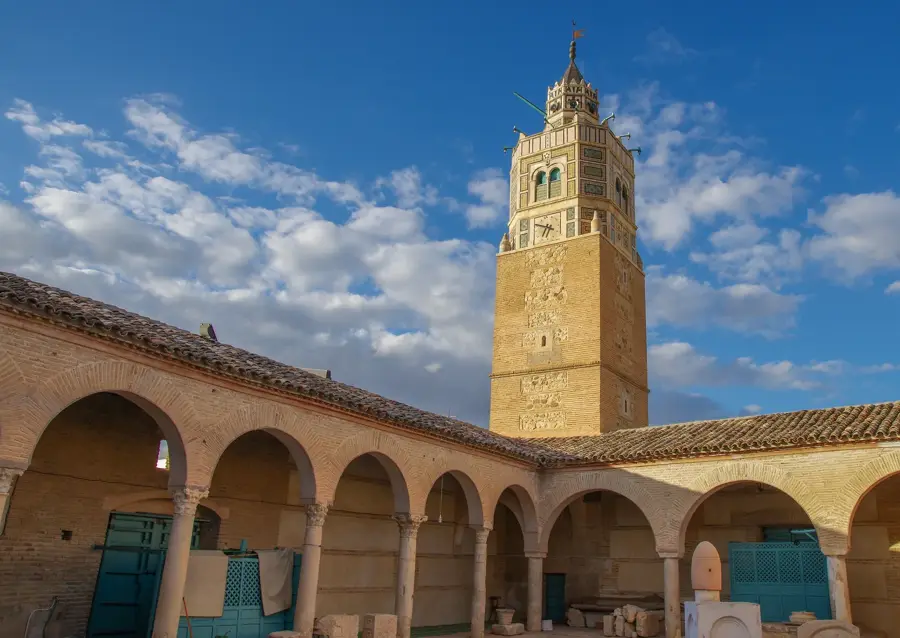
- Check out the famous counter-clockwise clock on the minaret of the Great Mosque, symbolizing Andalusian nostalgia for their homeland.
- Visit in July to experience the International Festival of Malouf, a beautiful genre of Arab-Andalusian music.
- Late October and early November are excellent for the Pomegranate Festival, featuring fresh juices and local pomegranate-based treats.
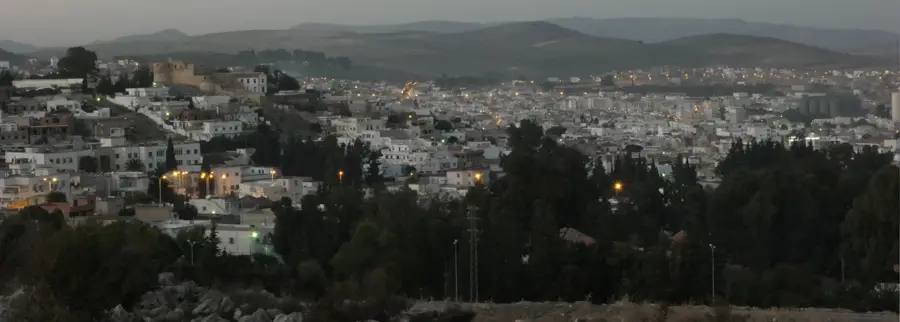
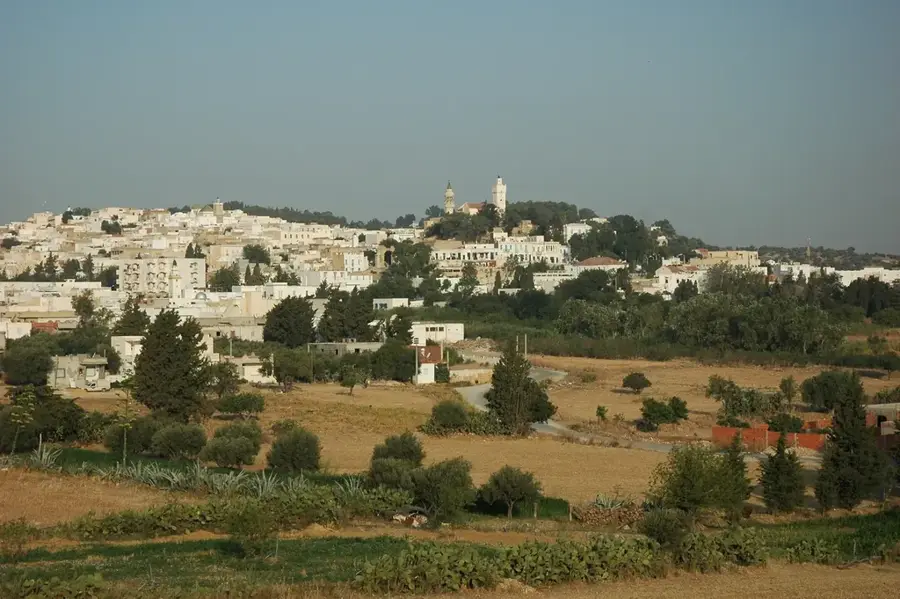
- Walk through the Medina to see the red-tiled roofs, which are rare in Tunisia and make the town look like a Spanish village.
- Look for the two Stars of David on the minaret, reflecting the multi-faith history of the town's founders.
🍽 Food
A fresh, lightly salted artisanal cheese made from sheep or goat milk; find it in the covered markets on the main street.
A sweet couscous topped with fresh pomegranate seeds and dates, especially popular during the autumn harvest.
A local ricotta-style cheese often enjoyed with fresh bread, olive oil, and a sprinkle of dried mint.
🛍 Shopping · 🧘 Quiet spots
Visit local cheese shops like L'Artiggiano to find high-quality, locally produced varieties.
A thick, flavorful syrup made from local fruit; buy it directly from street vendors during the harvest season.
The quiet, grid-like alleys of the old town offer a peaceful escape and a look at the unique local architecture.
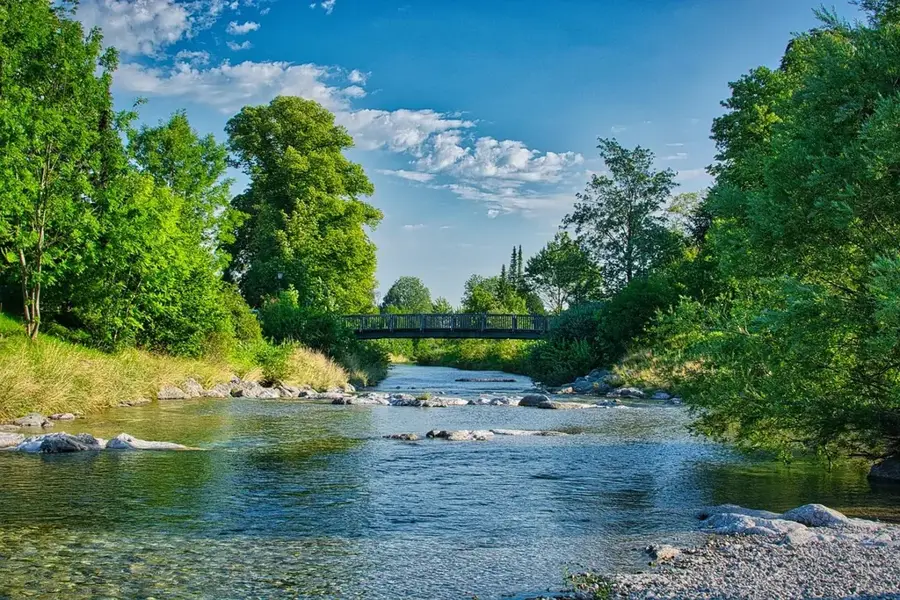
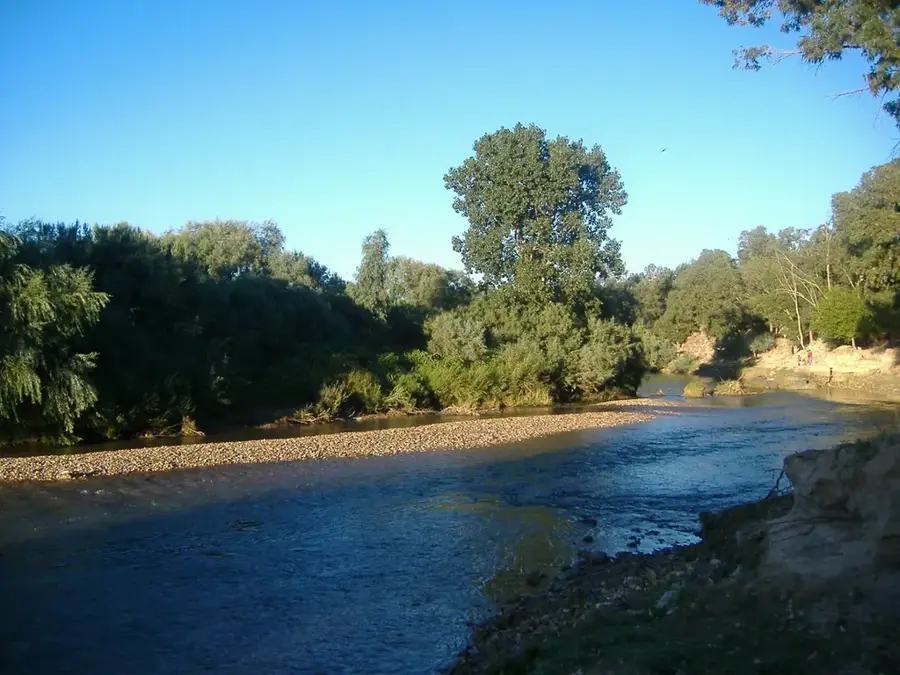
The riverside area provides a green and calm setting with lovely views of the countryside.
Water temperature…
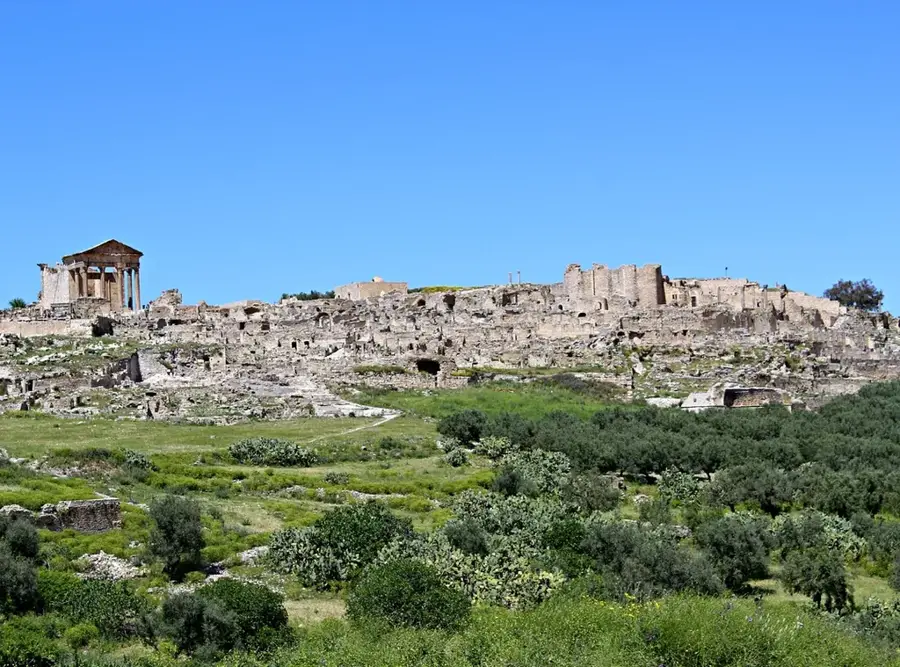
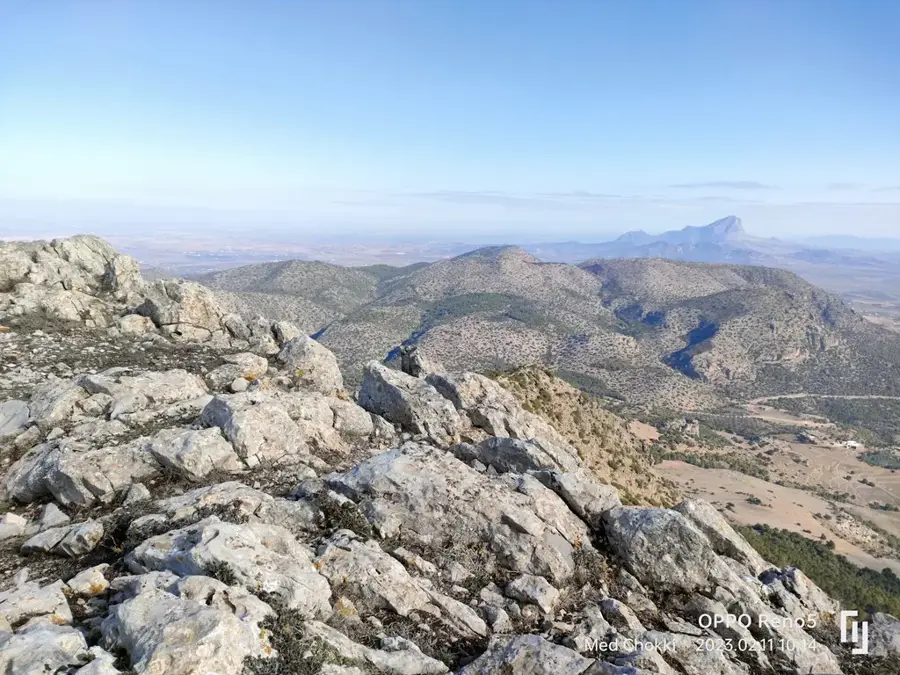
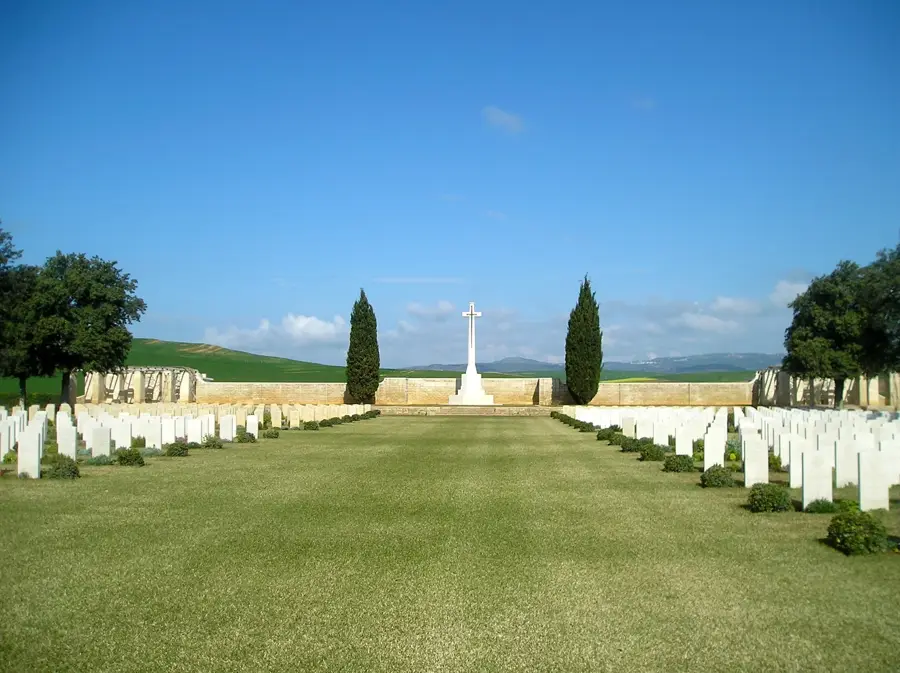
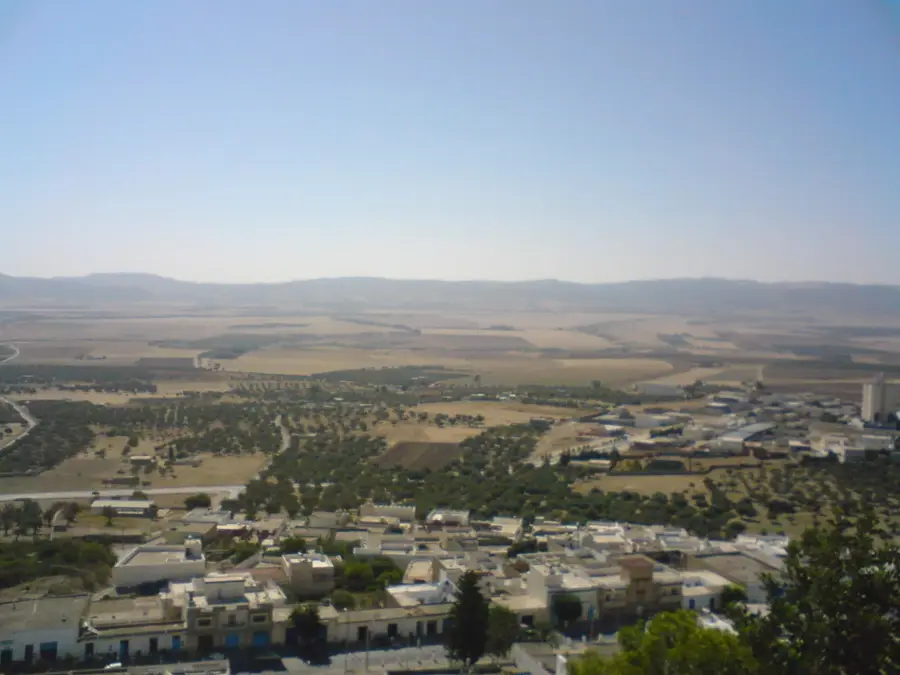
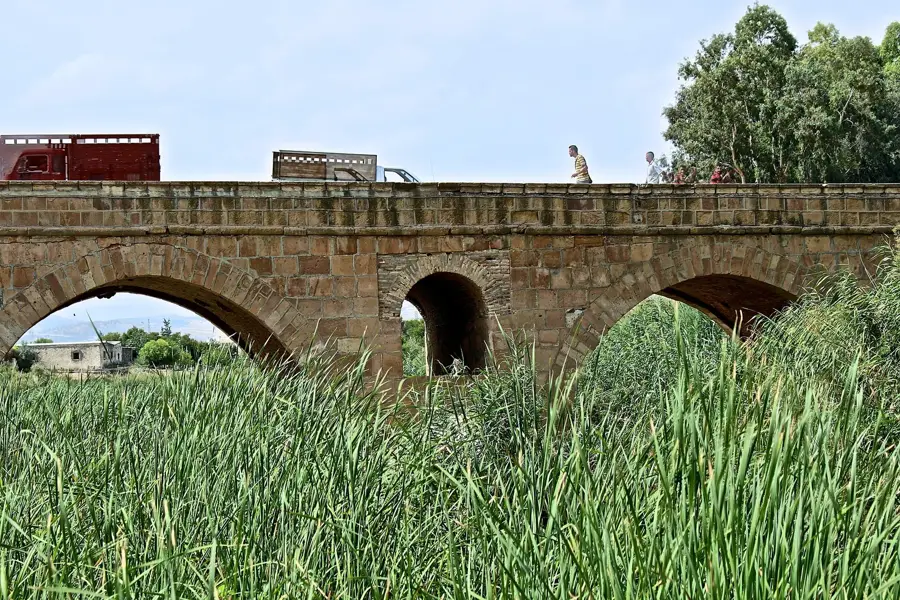
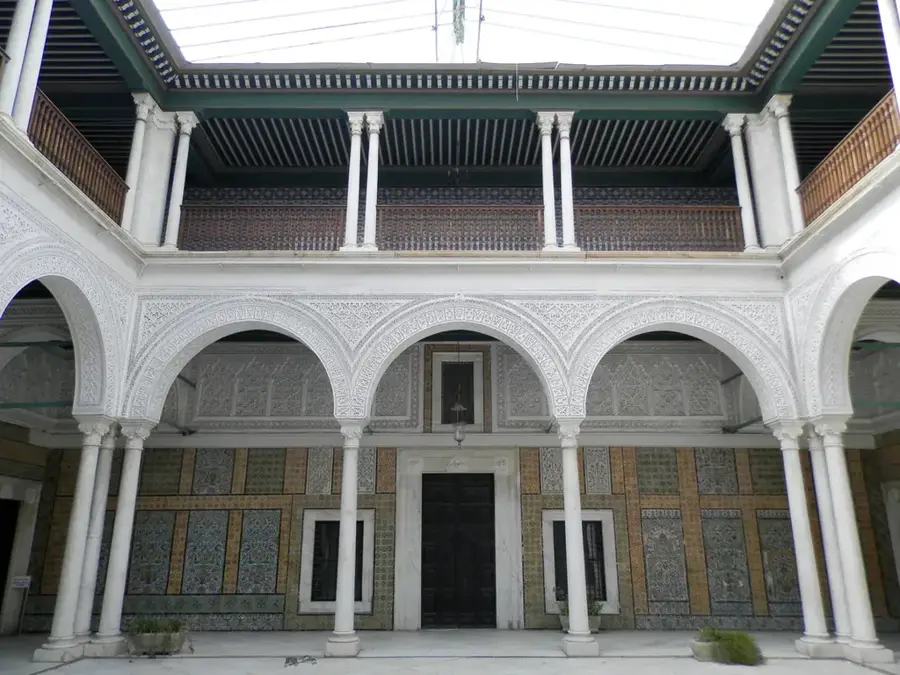
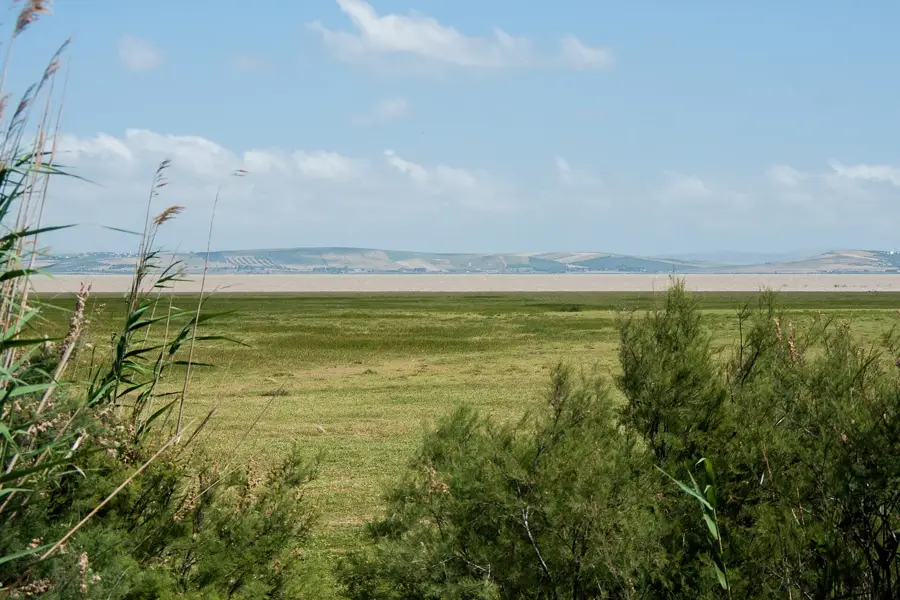
Testour is a unique town in the Béja Governorate, refounded in the early 17th century (c. 1609) by Andalusian Moors (Moriscos) fleeing the Spanish Inquisition, atop the ruins of the Roman city Tichilla. The town's architecture is remarkably distinct, showcasing Spanish-Andalusian styles such as red-tiled roofs, which are uncommon in Tunisia. Its most famous landmark is the Great Mosque, featuring a clock tower where the clock hands mysteriously turn counter-clockwise, a symbolic gesture of the refugees' longing to go back in time to their lost homeland in Al-Andalus. Located on the banks of the Medjerda River, Testour is renowned for its agriculture, particularly its high-quality pomegranates, which are celebrated with an annual festival. The town remains a lively center for Andalusian heritage, preserving traditional Malouf music and specific culinary crafts like artisan cheese making, making it a key cultural destination.
- Location: Tunisia
- Top sights: Great Mosque of Testour · Oued Siliana
- Nearby: Medjez el-Bab (18 km)
- Population: ~13.397 (2022)
Best time to visit & climate
The most pleasant time to visit is May, Jun, Sep.
| Jan | Feb | Mar | Apr | May | Jun | Jul | Aug | Sep | Oct | Nov | Dec | |
|---|---|---|---|---|---|---|---|---|---|---|---|---|
| Avg °C | 9 | 9 | 12 | 15 | 19 | 24 | 27 | 27 | 23 | 19 | 14 | 10 |
| Rain mm | 96 | 75 | 81 | 62 | 41 | 18 | 7 | 23 | 55 | 65 | 77 | 94 |
Geography
Facts
- Founded in 1609 by Morisco settlers fleeing from Spain.
- The clock on the Great Mosque runs in a counter-clockwise direction.
- Located 77 kilometers west of Tunis in the Medjerda Valley.
- Famous for the annual Pomegranate Festival held every October.
- Features Spanish-style tiled roofs, which are rare in Tunisian architecture.
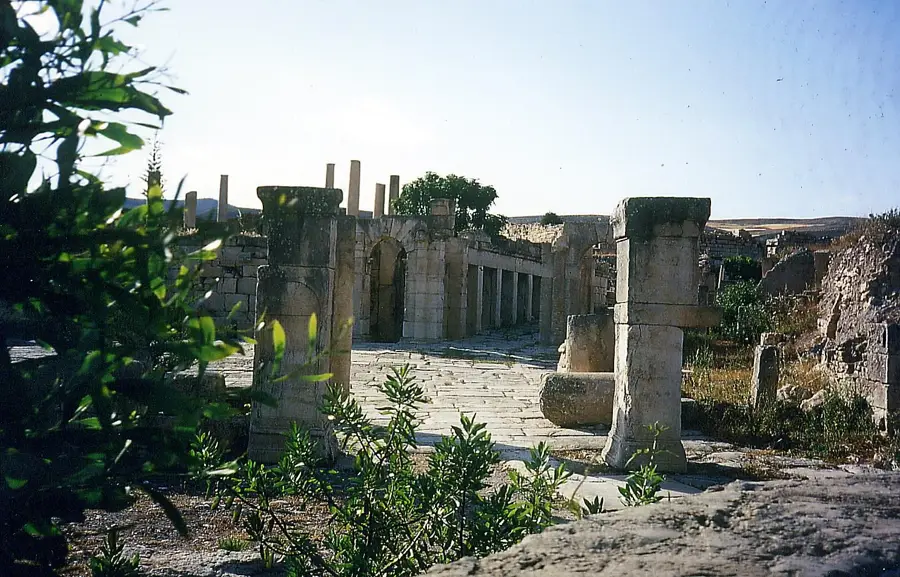
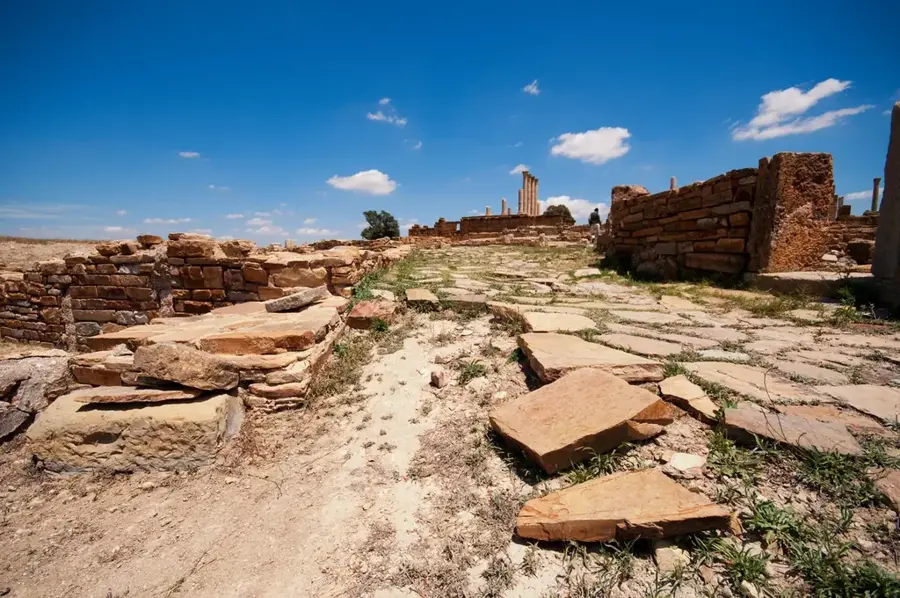
- The site corresponds to the ancient Roman settlement of Tichilla.
Explore nearby
Notable places around

Route planner — Car & Motorhome
Where do you start? We build the route here, with stops and country notes along the way.
© OpenStreetMap contributors · OpenRouteService
Frequently asked questions
What makes Testour so special?
How much time should I allocate for Testour?
Are there local festivals?
Is Testour a suitable destination for photographers?
What can you do in the surroundings of Testour?
Testour: where is it located?
Testour: what is there to see?
Testour: when is the best time to visit?
Testour: why is it worth visiting?

Nearby cities

History & landmarks
Nature
More places