Plizio Visual Lab
Manatuto
ℹ️Practical info — Manatuto
▾
🌤 Weather — 5 days
📍 Nearby
Sights nearby
💡 Tips
- Watch the traditional salt production in the mangrove areas east of town, where brine is boiled in open pans over fires.
- Visit the Sunday Market, one of the region's busiest, to find unique terracotta pottery and woven basketwork.
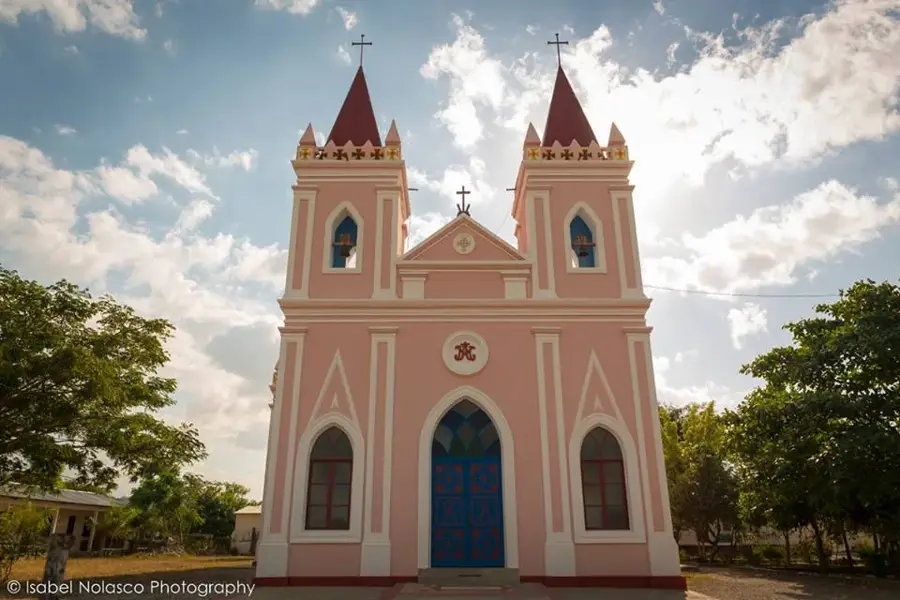
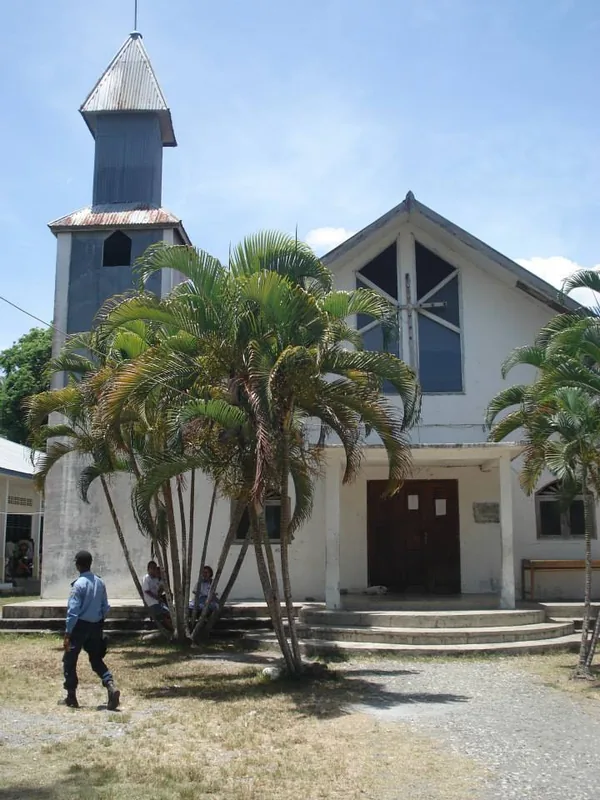
- Don't miss the pastel-pink church in Laleia, about 15km east of town, often called the most beautiful in the country.
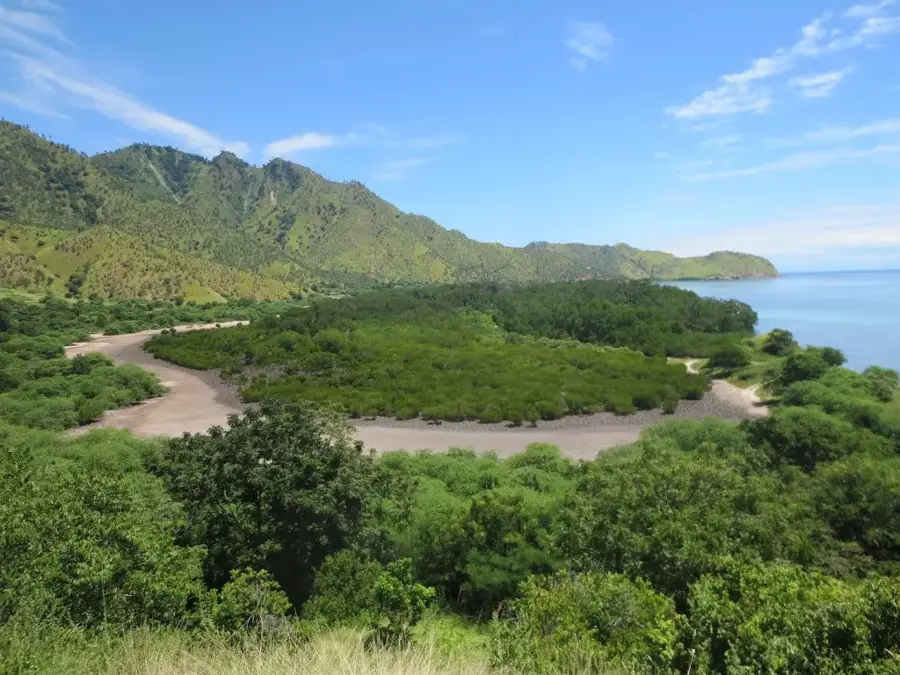
- The coastal drive from Dili features steep cliffs and winding roads; stop at lookouts for views of turquoise waters.
- Stock up on water and snacks in Manatuto before heading further east, as services become more limited on the way to Baucau.
🍽 Food
Grilled mackerel or tuna marinated in tamarind, basil, and capsicum; a flavorful coastal specialty.
Rice cooked in coconut milk and wrapped in palm leaves; a convenient and tasty snack for travelers.
The local specialty; buy a bag of the coarse, naturally produced sea salt from the roadside salt fields.
🛍 Shopping · 🧘 Quiet spots
Look for roadside stalls selling traditional handmade clay pots and jars fired in local family-run kilns.
Find high-quality woven baskets and mats produced by skilled weavers from the nearby Manleo area.
A peaceful area where the river meets the sea, well-suited for birdwatching and a quiet riverside walk.
Just off the main road, this sleepy village features a calm atmosphere around its magnificent historic church.
Water temperature…
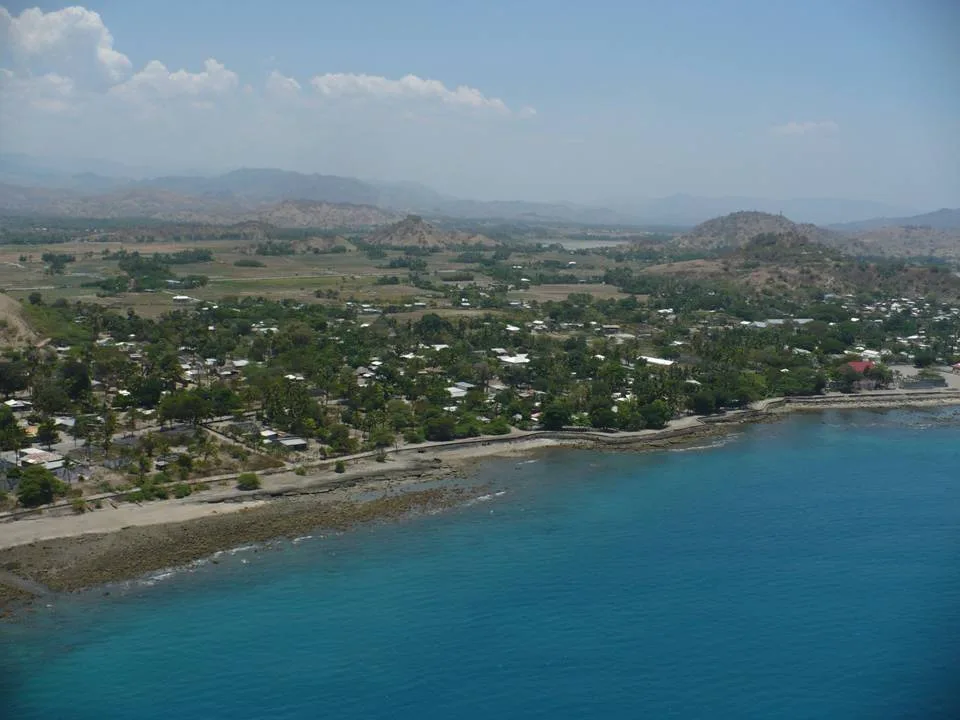
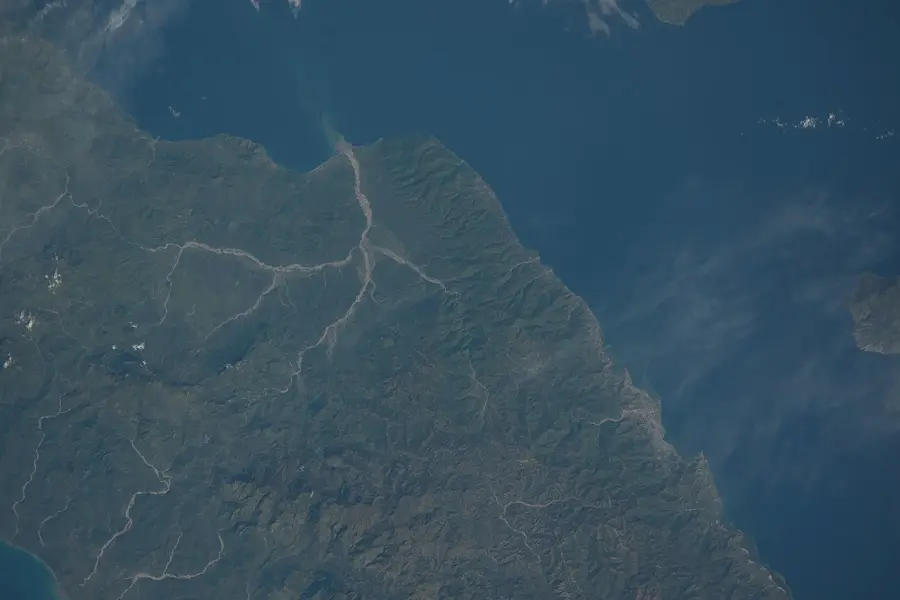
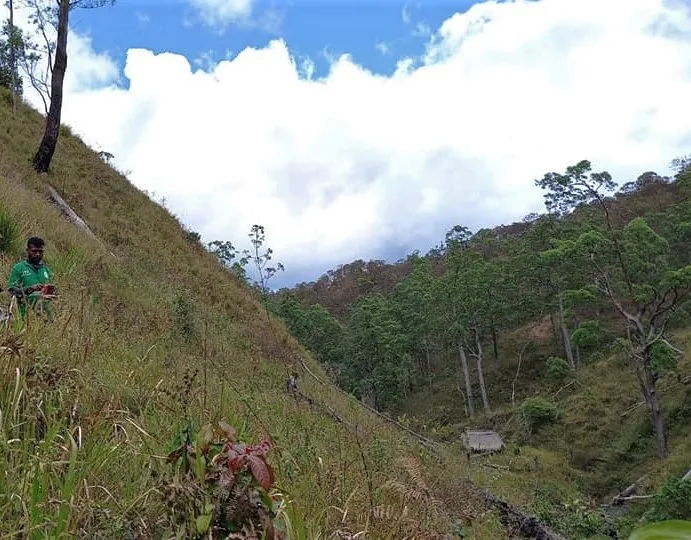
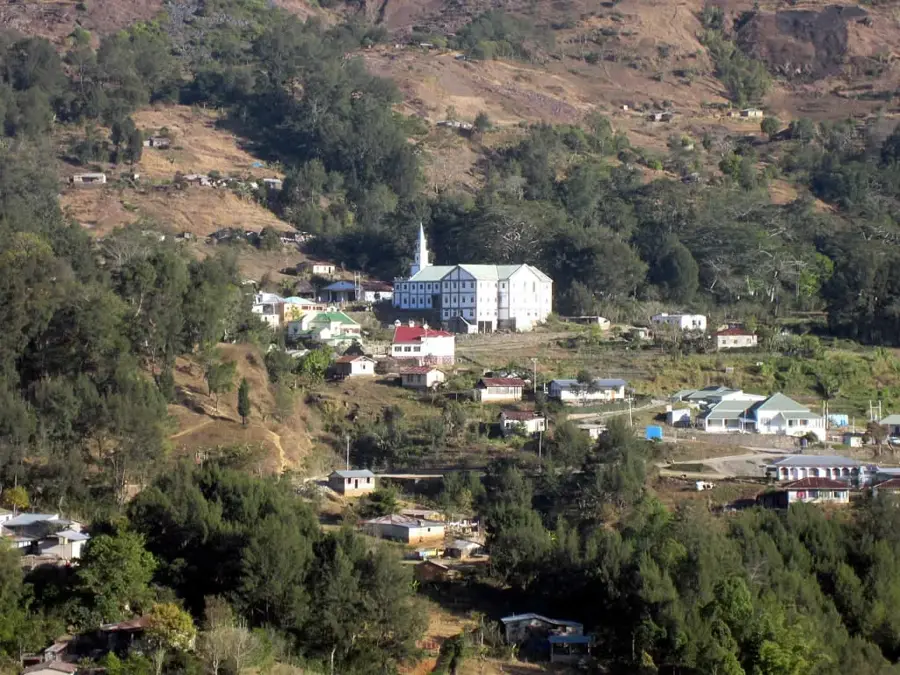
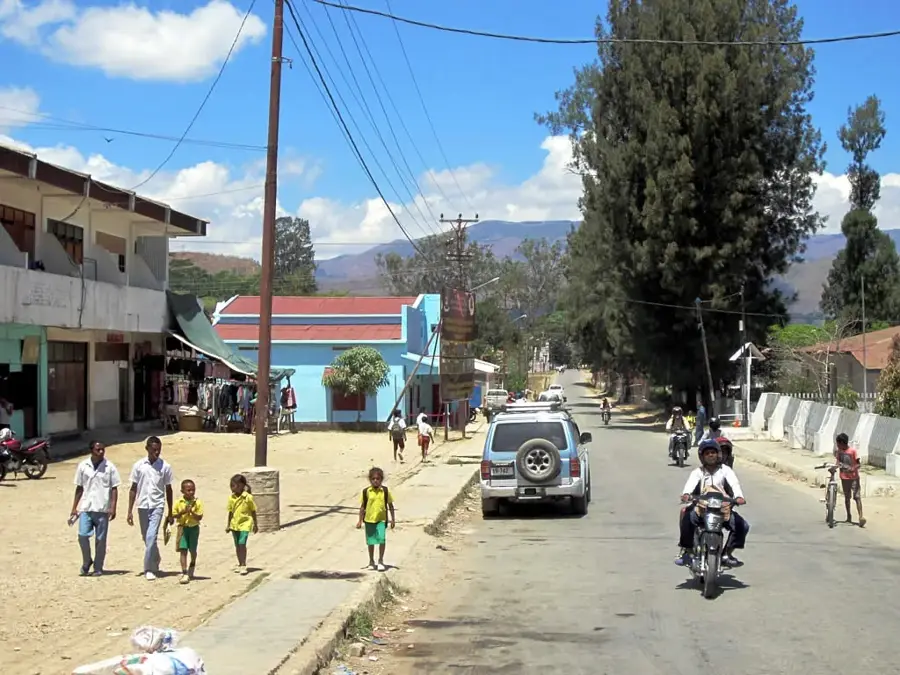
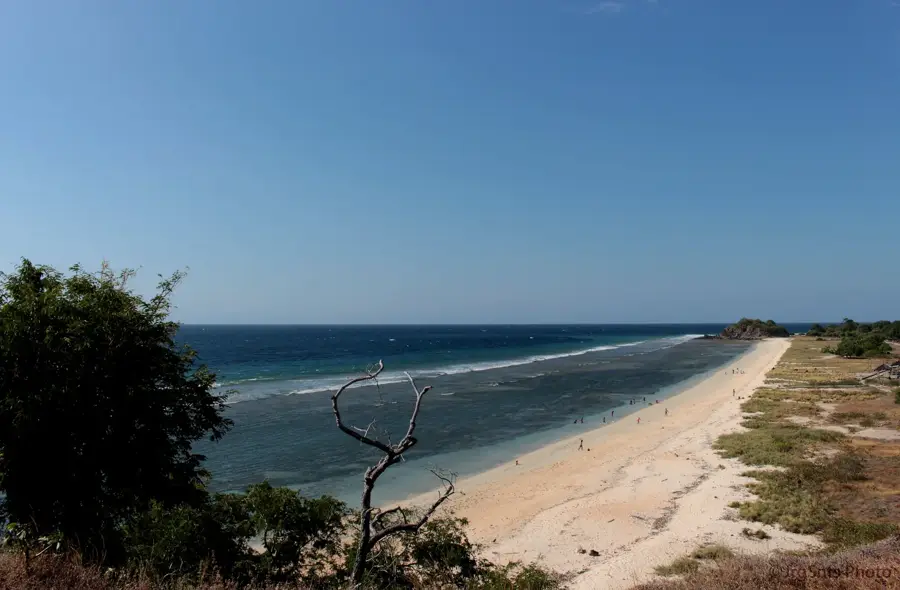
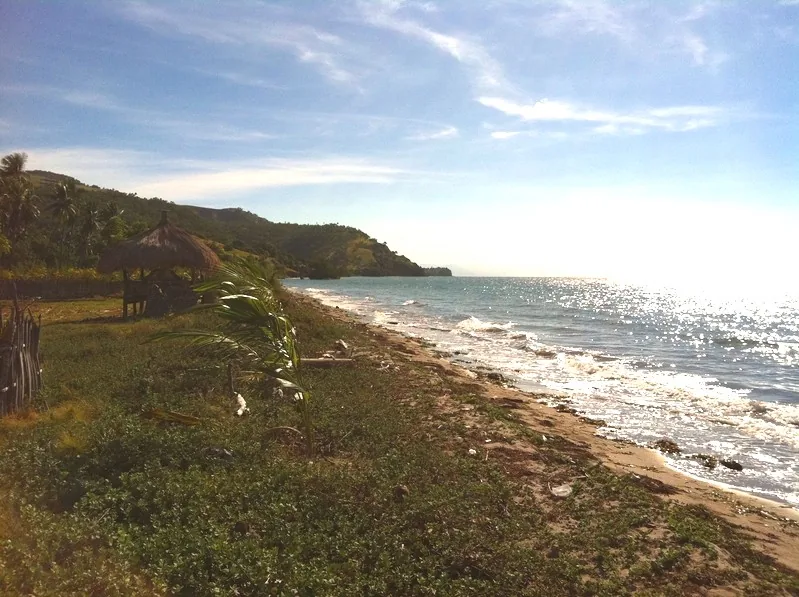
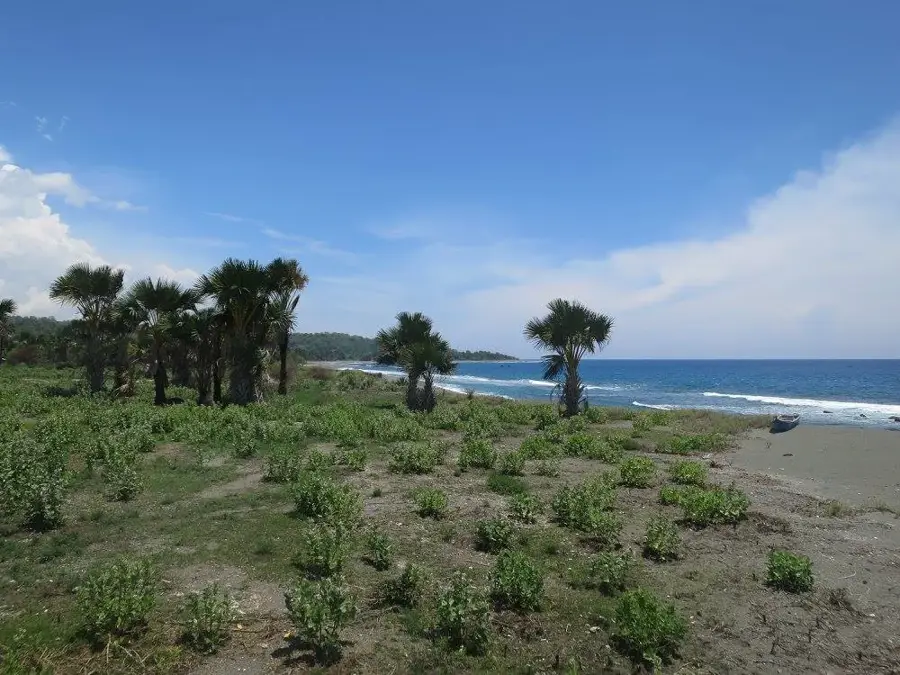
Manatuto is the administrative capital of the Manatuto municipality, located on the northern coast of Timor-Leste, roughly halfway between Dili and Baucau. The region is geographically unique as it is one of the few municipalities that stretches from the northern to the southern coast, characterized by an arid climate and expansive savanna landscapes. The town itself is famous for its traditional pottery and sea salt production, which have sustained local families for generations. Historically, Manatuto holds significant political weight as the birthplace of Xanana Gusmão, the charismatic resistance leader and first President of independent Timor-Leste. During the colonial era, the town served as a vital trading post for sandalwood and agricultural commodities. The dry climate is well-suited for growing peanuts and maize, while irrigation systems along the Laleia River support rice cultivation. Manatuto's architecture reflects its Portuguese colonial past, featuring prominent churches and administrative buildings. The coastal road provides impressive vistas of the region's untouched beaches and rugged shoreline.
- Location: Timor-Leste
- Top sights: Igreja Paroquia Santo Antonio Manatuto · Everial imale Musan
- Nearby: Laleia (17 km)
- Population: ~1.924 (2026)
Best time to visit & climate
The most pleasant time to visit is Jun–Aug.
| Jan | Feb | Mar | Apr | May | Jun | Jul | Aug | Sep | Oct | Nov | Dec | |
|---|---|---|---|---|---|---|---|---|---|---|---|---|
| Avg °C | 27 | 26 | 27 | 27 | 26 | 25 | 25 | 25 | 26 | 28 | 29 | 28 |
| Rain mm | 225 | 188 | 116 | 54 | 35 | 22 | 9 | 4 | 4 | 11 | 51 | 156 |
Geography
Facts
- Manatuto is the birthplace of the national hero and statesman Xanana Gusmão.
- The municipality is one of only two that borders both the Savu and Timor Seas.
- It is renowned for its handmade pottery, which is sold throughout the country.
- Salt is traditionally harvested from the salt pans along the coastal flats.
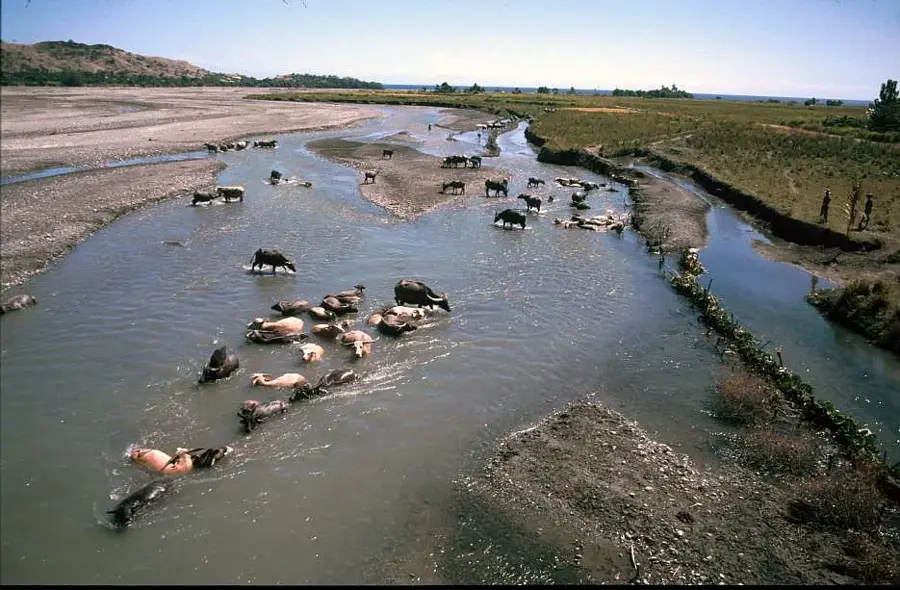
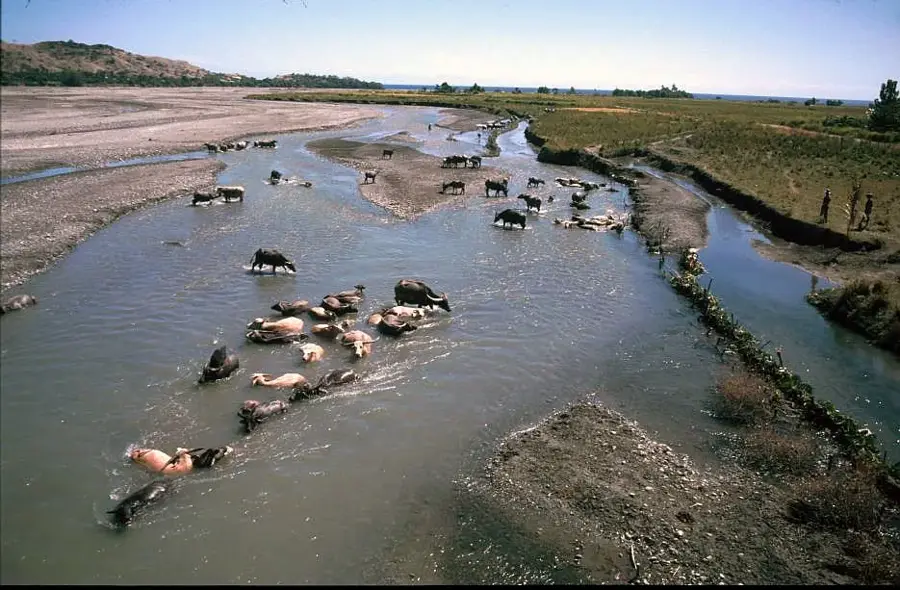
- The Laleia River is one of the longest and most important rivers in the region.
- The area experiences a prolonged dry season compared to the southern coast.
Explore nearby
Notable places around


Route planner — Car & Motorhome
Where do you start? We build the route here, with stops and country notes along the way.
© OpenStreetMap contributors · OpenRouteService
Sights in the town Manatuto (2)
Frequently asked questions
How long to stay in Manatuto?
When is the best time to travel?
How to get here?
What is the attraction?
Is it family-friendly?
Manatuto: where is it located?
Manatuto: what is there to see?
Manatuto: when is the best time to visit?
Manatuto: why is it worth visiting?

Nearby cities
History & landmarks
Nature
More places