Plizio Visual Lab

Venilale Japanese Caves
Plizio editorial teamData Sources
ruin
—°7
Venilale Japanese Caves (Timor-Leste)

Weather…

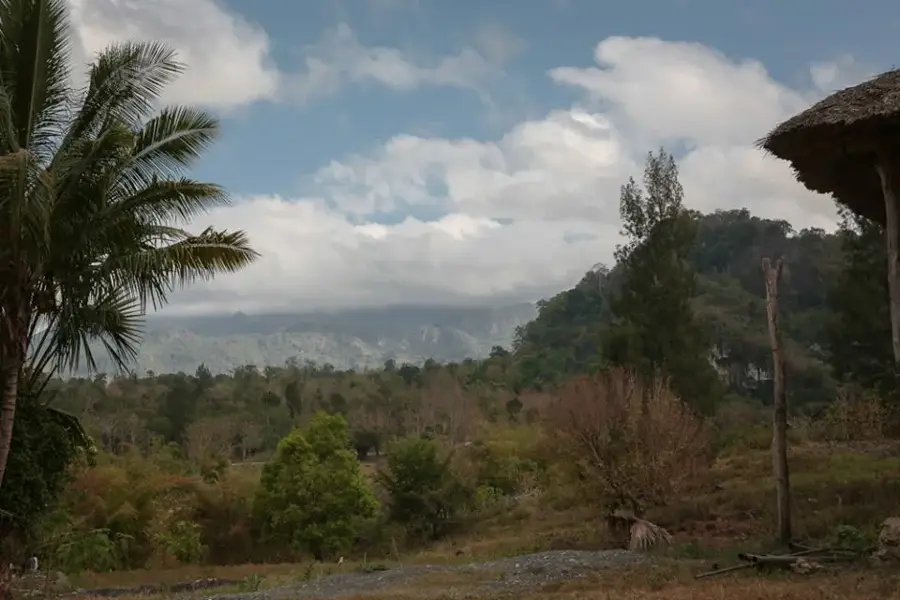
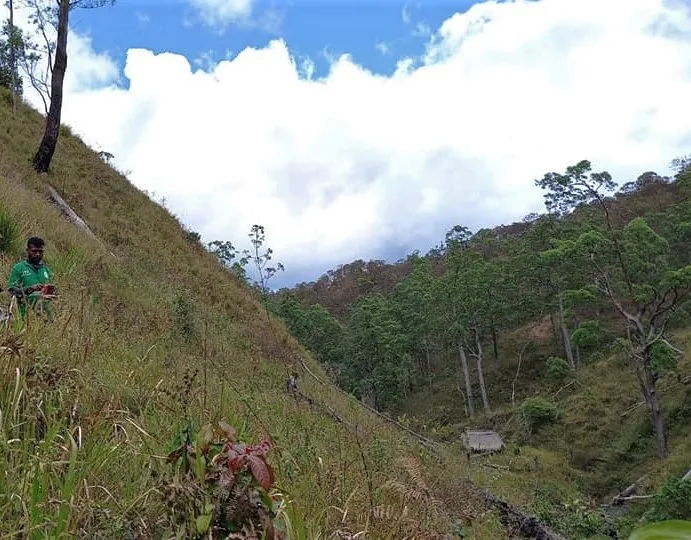
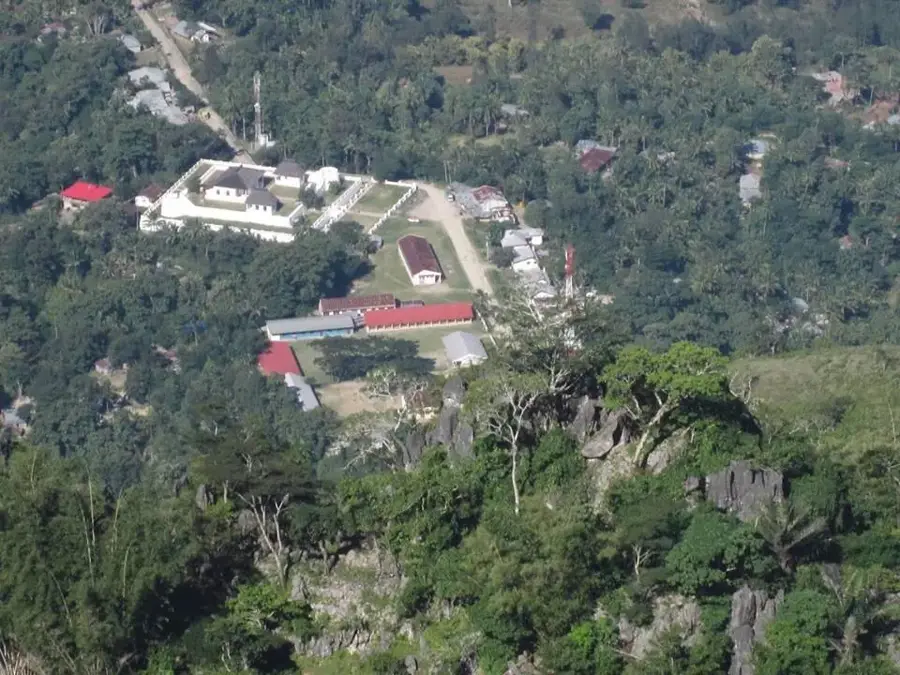
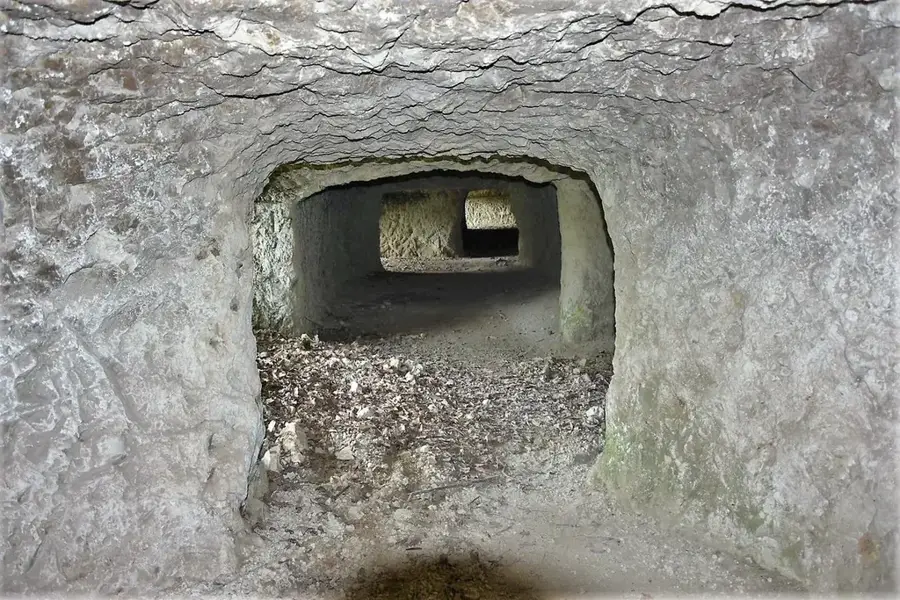
The Venilale Japanese Caves are a stark reminder of the Japanese occupation of East Timor during World War II (1942-1945). These tunnels were excavated by the Imperial Japanese Army using forced labor from the local population and served as storage rooms, ammunition depots, and defensive positions. The complex consists of several interconnected tunnels carved into the soft limestone. Venilale was of great significance to the occupiers due to its strategic location in the central highlands and its proximity to the main road. Today, the caves are open to visitors, providing a somber insight into the island's wartime history. The surrounding area is characterized by green hills and a cooler highland climate, making it a key destination for historical tourism. Preserving these sites serves to remember the suffering and resistance of the Timorese people during this period.

Best time to visit & climate

The most pleasant time to visit is Jun–Aug.

JanFebMarAprMayJunJulAugSepOctNovDec
Avg °C272627272625252526282928
Rain mm2251881165435229441151156

📋 Practical info

🚪
Visiting
The historic tunnels carved into the rocky hillside are fully accessible from the outside and can be carefully explored on the inside. You can walk through the interconnected passages built by forced laborers.
🕒
Typical hours
As an open-air historical ruin, this site is generally accessible at any time during daylight hours. It is strongly recommended to visit only when the sun is up, as there is absolutely no artificial lighting installed.
📷
Photography
Photography is freely permitted around and inside the cave structures without any restrictions. Bring a strong flash or a low-light capable camera to capture the damp, dark interior details of the wartime ammunition depots.
⏱️
Time needed
Most visitors typically spend about thirty to forty-five minutes exploring the visible tunnels and surrounding area. This allows enough time to carefully walk through the main chambers and read any available historical markers.
Combine with
This historical excursion pairs well with a broader journey through the Baucau municipality and its surrounding scenic landscapes. You can easily combine it with exploring local traditional markets and nearby colonial Portuguese architecture.
🧭
Getting there
The caves are located close to the main road running through the Venilale area, making them relatively easy to spot. A short, unpaved path leads directly from the road to the entrance of the primary tunnel system.
💡
Insider tip
Since the interior ground can be uneven, muddy, and strewn with debris, wearing sturdy, closed-toe walking shoes is highly advised. Also, bringing your own reliable flashlight is essential, as smartphone lights may not be bright enough.

Geography

Coordinates
-8.58780, 126.37680

Facts

  • The tunnels were used by Japanese troops between 1942 and 1945.
  • There are a total of seven main tunnels that can be visited.
  • Forced laborers had to dig the tunnels by hand without modern machinery.
  • Venilale is located at an elevation of approximately 800 meters.
  • The caves also provided shelter from Australian aerial bombardments.
  • Nearby attractions include hot springs and colonial buildings from the Portuguese era.

Explore nearby

Notable places around

Route planner — Car & Motorhome

Where do you start? We build the route here, with stops and country notes along the way.

Vehicle
Only stops with (optional):

© OpenStreetMap contributors · OpenRouteService

Sights in the town Venilale Japanese Caves (7)

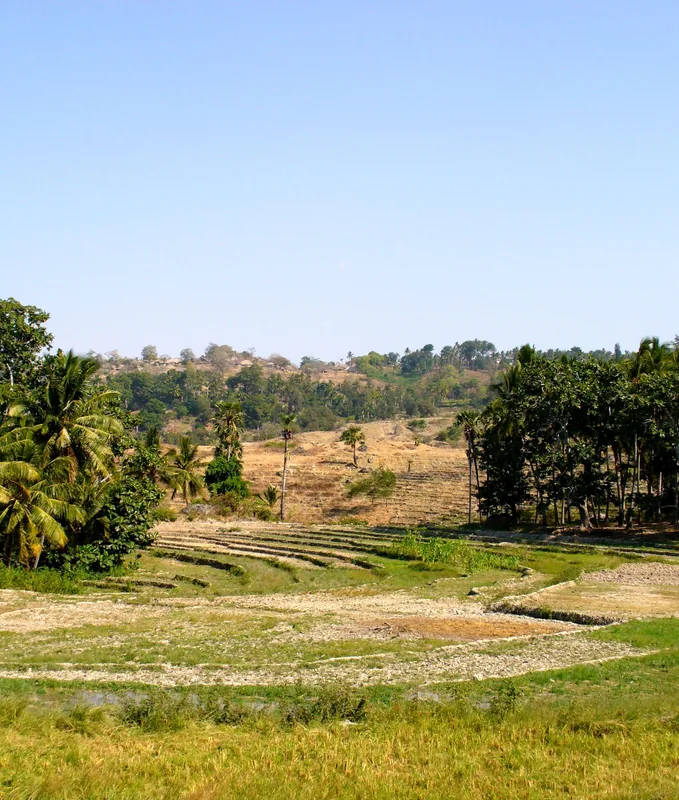
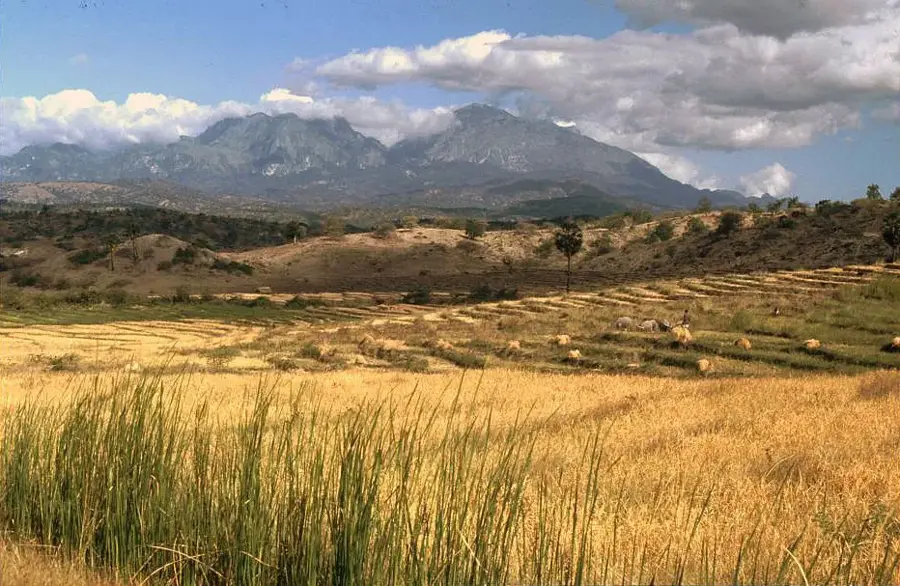
Rice fields🌿 nature

Rice fields offer a scenic viewpoint in venilale-japanese-caves-history-v2.

Monumento Martires de Venilale🏺 historical

Monumento Martires de Venilale is a monument located in venilale-japanese-caves-history-v2.

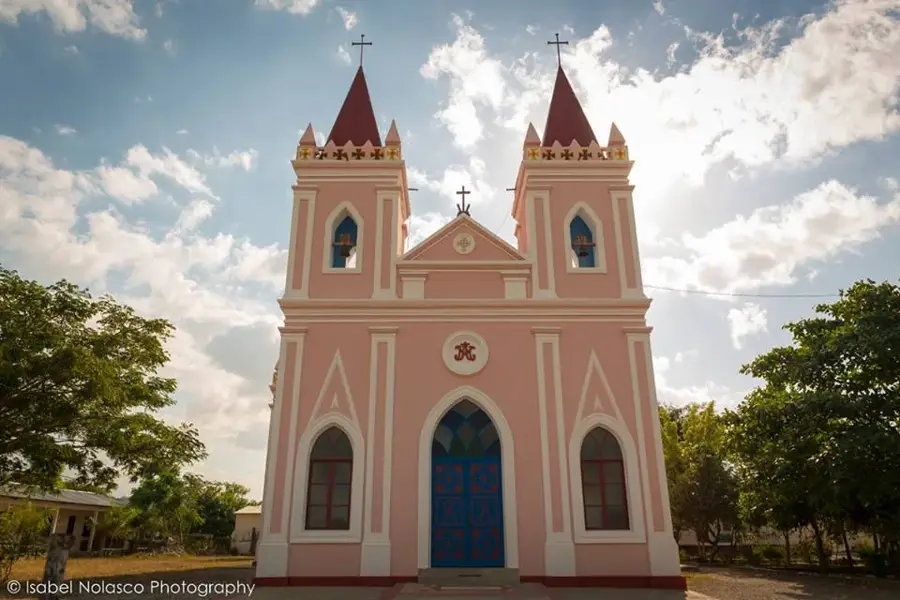
Igreja Sagrado Coracao de Jesus Venilale⛪ religious

Igreja Sagrado Coracao de Jesus Venilale is a place of worship in venilale-japanese-caves-history-v2.

igreza ostico📍 landmark

igreza ostico is a Christian site in the venilale-japanese-caves-history-v2 area.

Igreja São Sebastião Mahein Osso-Queli📍 landmark

Igreja São Sebastião Mahein Osso-Queli is a Christian building situated in venilale-japanese-caves-history-v2.

Kapela Ossoala📍 landmark

Kapela Ossoala is a Christian chapel located in venilale-japanese-caves-history-v2.

Mercado Suco Uato-Lari e Loi-Lubo🎭 culture

This is a marketplace situated in the venilale-japanese-caves-history-v2 area.

Sights nearby

Frequently asked questions

What are the Japanese caves?
Artificial tunnels created during the Second World War.
Are they safe to enter?
They are partly accessible, but caution is advised.
Is a guide needed?
A local guide is highly recommended for orientation.
What to bring?
A good flashlight and sturdy footwear.
How is the weather?
Inside the caves, it is cool and humid.
Venilale Japanese Caves: where is it located?
Venilale Japanese Caves is located in Timor-Leste.
Venilale Japanese Caves: what is there to see?
Highlights include Rice fields, Monumento Martires de Venilale, Igreja Sagrado Coracao de Jesus Venilale.
Venilale Japanese Caves: when is the best time to visit?
The most pleasant time to visit is Jun, Aug.
Venilale Japanese Caves: why is it worth visiting?

The Venilale Japanese Caves are a stark reminder of the Japanese occupation of East Timor during World War II (1942-1945).
View on map → The Top 50 Attractions → OpenStreetMap →
Asia
Explore with Plizio Discover more places in Asia
More places in Timor-Leste →

Nearby cities

History & landmarks
Nature
More places