Plizio Visual Lab
Luro
ℹ️Practical info — Luro
▾
🌤 Weather — 5 days
📍 Nearby
Sights nearby
💡 Tips
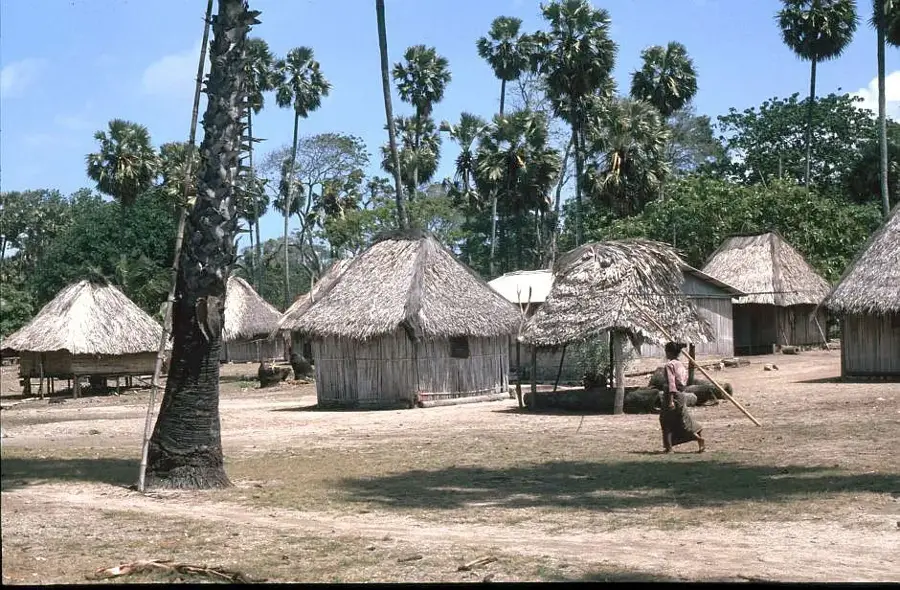
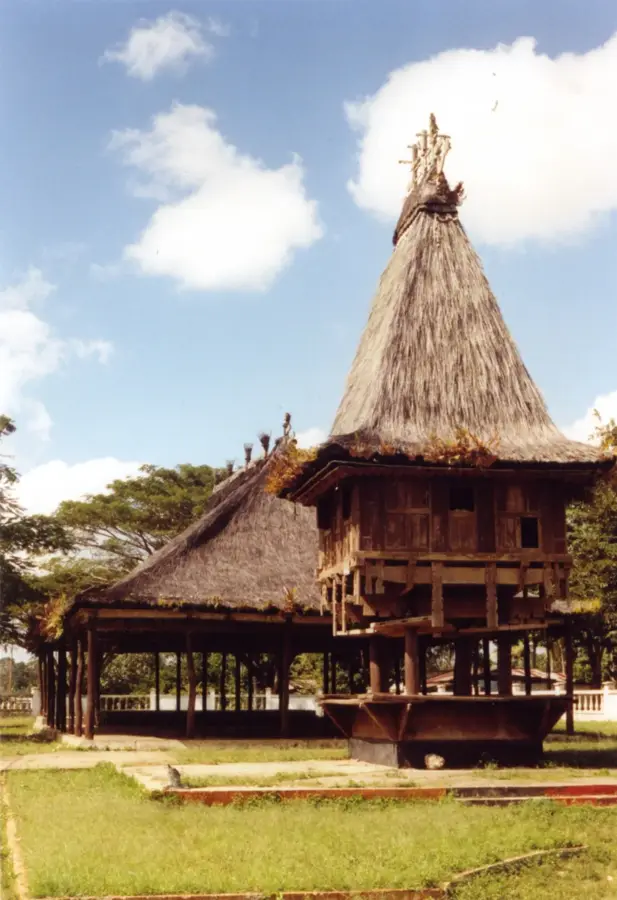
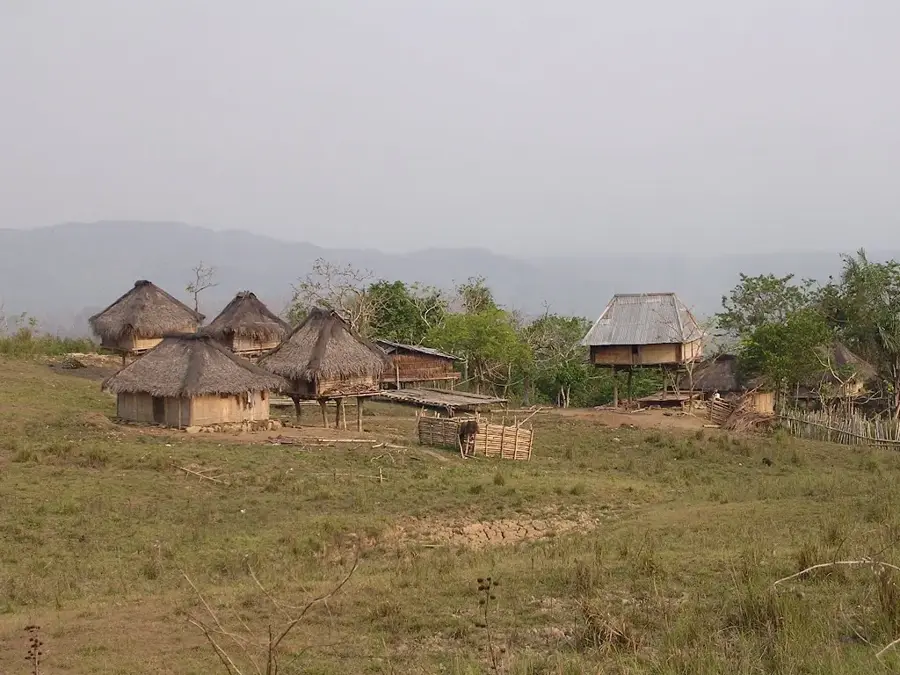
- Look for the traditional 'Lee-teinu' (ancestral houses) with their characteristic high roofs.
- The area is very rural; ensure you carry enough cash and basic supplies with you.
- Plan your treks early in the morning to enjoy clear views of the sacred Mount Matebian.
- Always respect local customs and traditions, especially when entering village areas.
🍽 Food
Corn is a staple here; try it roasted over coals or prepared as a traditional mash.
Ask in small local eateries for dishes made with locally foraged ferns or greens.
🛍 Shopping · 🧘 Quiet spots
Luro is known for Tais fabrics featuring the unique patterns of the Fataluku people.
A small, authentic market where you can find locally grown agricultural products.
Walking through the surrounding valleys features peaceful insights into local pastoral life.
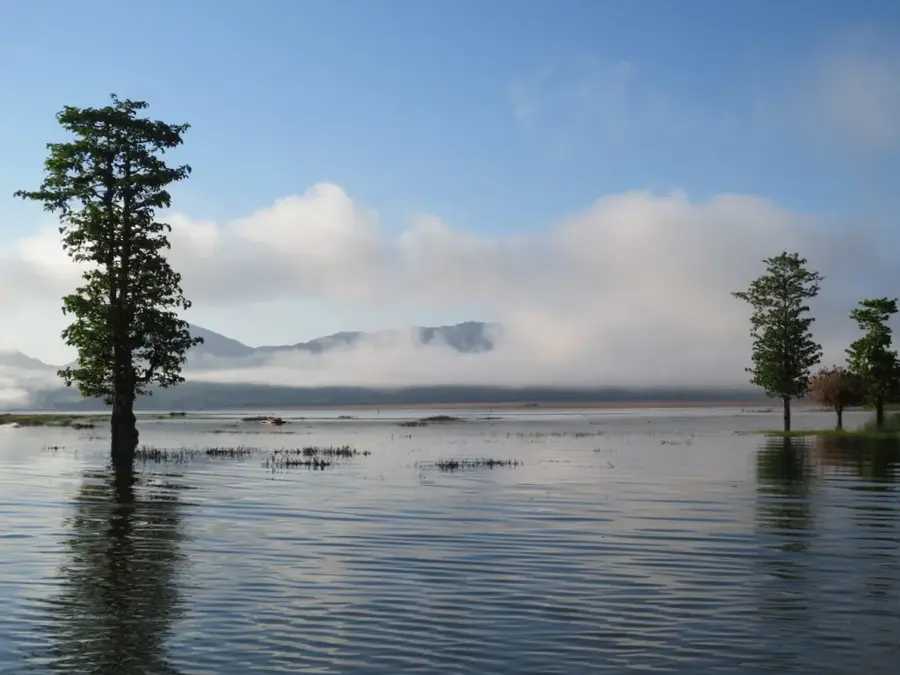
Secluded paths lead to quiet spots with panoramic views of the mountain range.
Water temperature…
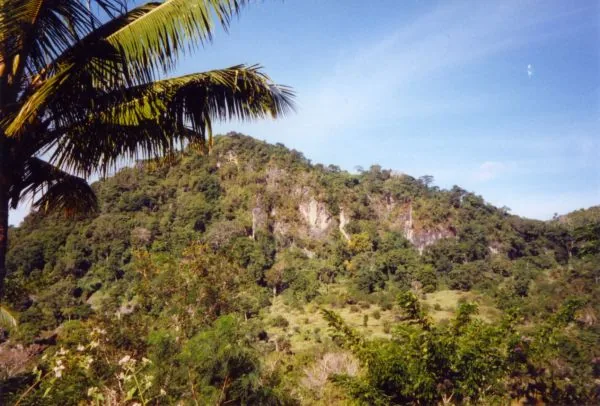
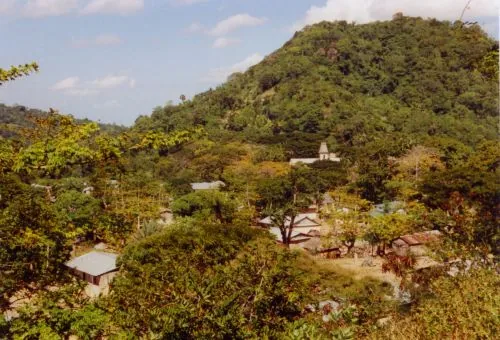
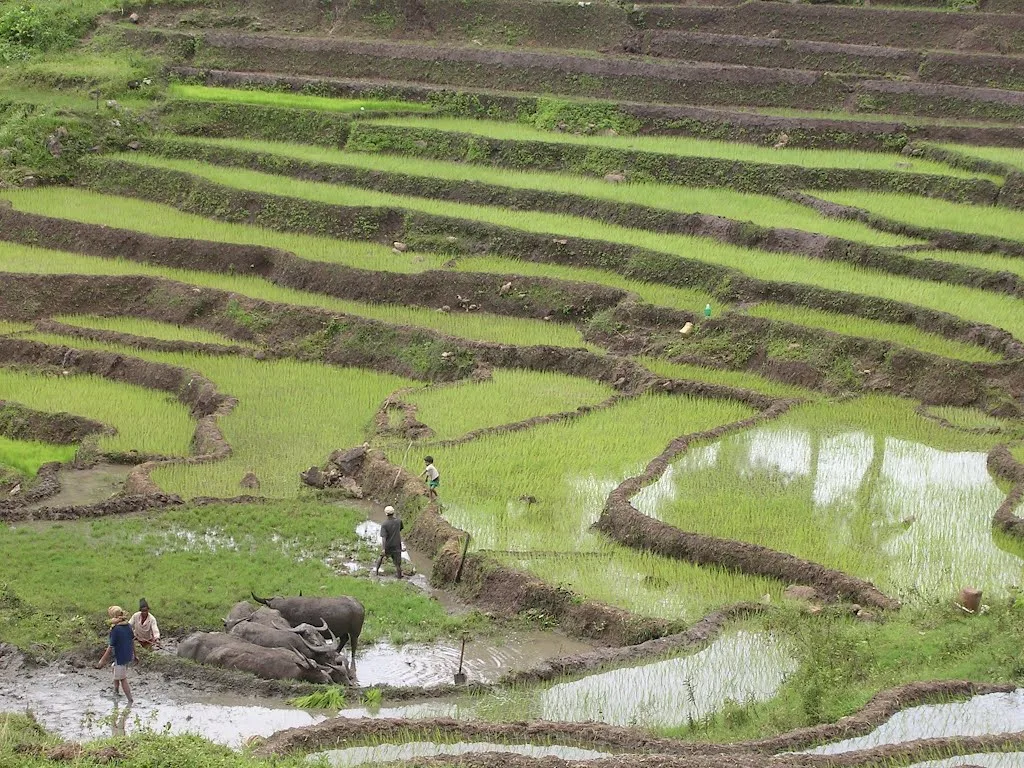
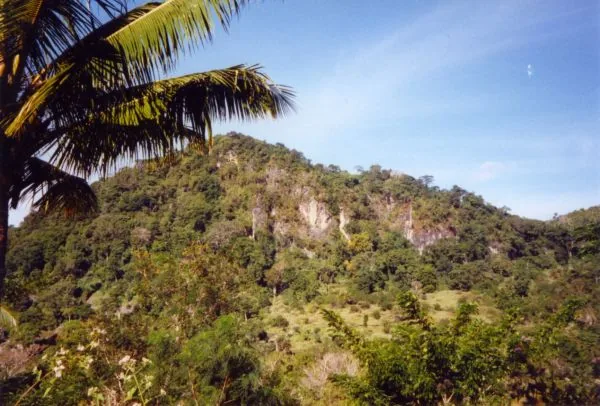
Luro is a mountain settlement located in the central part of the Lautém municipality, deeply rooted in the cultural traditions of the region. The town is situated within a rugged hilly landscape and serves as the administrative hub for the surrounding highland villages. The residents of Luro predominantly belong to the Fataluku ethnic group, whose traditional way of life remains very active here. Particularly noteworthy are the sacred sites and the practice of ancestor worship, which fundamentally govern social interaction in Luro. Agriculture is the primary source of livelihood, supplemented by local crafts such as the weaving of traditional Tais fabrics. During the struggle for independence, Luro's difficult terrain provided strategic advantages for FALINTIL resistance fighters. The area surrounding Luro is rich in natural beauty, offering expansive views across the valleys of Lautém toward the northern coastline. Despite ongoing modernization, Luro has maintained its authentic character, reflected in the preservation of traditional village structures and animist religious ceremonies.
- Location: Timor-Leste
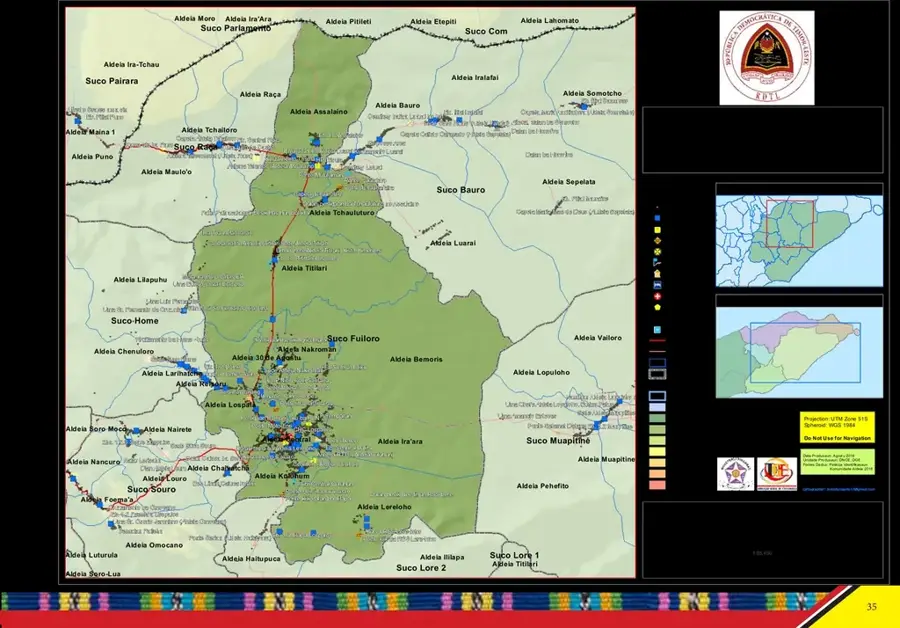
- Top sights: Vila Rafaek · Capela Maria Mazarela de Buanomar · Salaun Paroquial Luro
- Nearby: Iliomar (11 km)
- Population: ~2.839 (2025)
Best time to visit & climate
The most pleasant time to visit is Jul–Sep.
| Jan | Feb | Mar | Apr | May | Jun | Jul | Aug | Sep | Oct | Nov | Dec | |
|---|---|---|---|---|---|---|---|---|---|---|---|---|
| Avg °C | 28 | 28 | 28 | 28 | 27 | 26 | 26 | 26 | 27 | 28 | 29 | 29 |
| Rain mm | 203 | 162 | 118 | 63 | 51 | 29 | 13 | 5 | 5 | 10 | 46 | 145 |
Geography
Facts
- A central hub of Fataluku culture in the Lautém highlands.
- Renowned for the production of high-quality, hand-woven Tais textiles.
- Located in a strategically important mountainous area with vast views.
- Home to significant ancestral worship sites of local clans.
- Served as a key retreat area for FALINTIL fighters during the resistance.
- The local economy is built on subsistence farming and small-scale livestock.
Explore nearby
Notable places around

Route planner — Car & Motorhome
Where do you start? We build the route here, with stops and country notes along the way.
© OpenStreetMap contributors · OpenRouteService
Sights in the town Luro (3)
Frequently asked questions
How many days for Luro?
When is it best?
How is the accessibility?
What is the specific feature?
Is it suitable for families?
Luro: where is it located?
Luro: what is there to see?
Luro: when is the best time to visit?
Luro: why is it worth visiting?

Nearby cities
History & landmarks
Nature
More places