Plizio Visual Lab

Grand Combin
Plizio editorial teamData Sources
peak
—°3
Grand Combin (Switzerland)

Weather…

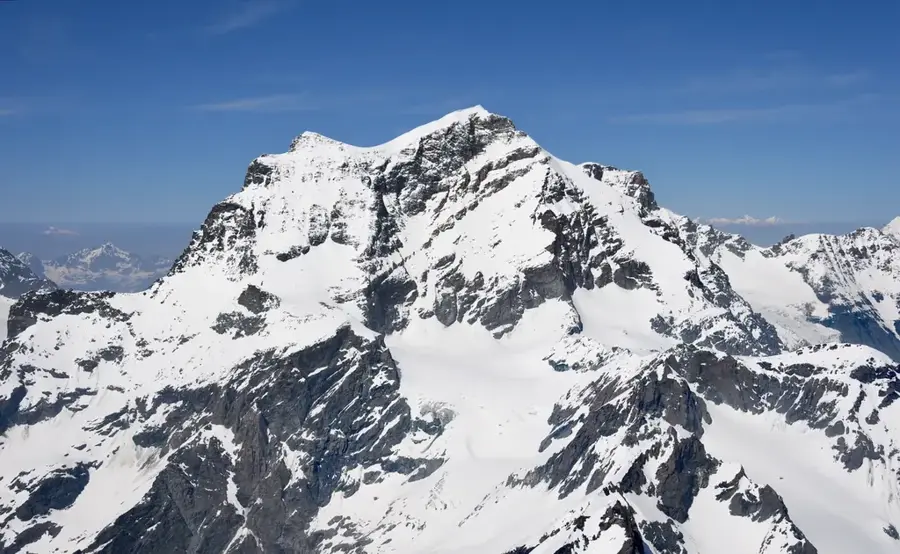
The Grand Combin is a massive mountain glaciated massif in the southwestern Pennine Alps, reaching an elevation of 4,314 meters at its highest point, the Combin de Grafeneire. The massif consists of three main summits above 4,000 meters: the aforementioned peak, the Combin de Valsorey, and the Combin de la Tsessette. Geographically, it is located between the Val de Bagnes and the Val d'Entremont, near the border with Italy. The first successful ascent of the main summit occurred in 1859 by a party led by Charles Girdlestone. The mountain is characterized by its heavy glaciation, with the Corbassière Glacier on the north side being one of the longest ice flows in the region. Due to frequent serac falls from hanging glaciers, the ascent is considered technically demanding and objectively dangerous. The Grand Combin dominates the landscape of the Lower Valais and is a significant goal for experienced mountaineers seeking high-altitude challenges in Switzerland.

Best time to visit & climate

The most pleasant time to visit is Jun–Aug.

JanFebMarAprMayJunJulAugSepOctNovDec
Avg °C-10-10-6-148101062-4-9
Rain mm6350637010997969968729168

📋 Practical info

🧭
Getting there
The Grand Combin is best accessed via the Val de Bagnes from Mauvoisin or from Bourg-Saint-Pierre in the Val d'Entremont. Most climbing routes lead via mountain huts such as Cabane de Valsorey or Cabane de Panossière, which already implies a demanding and long approach.
📅
Best season
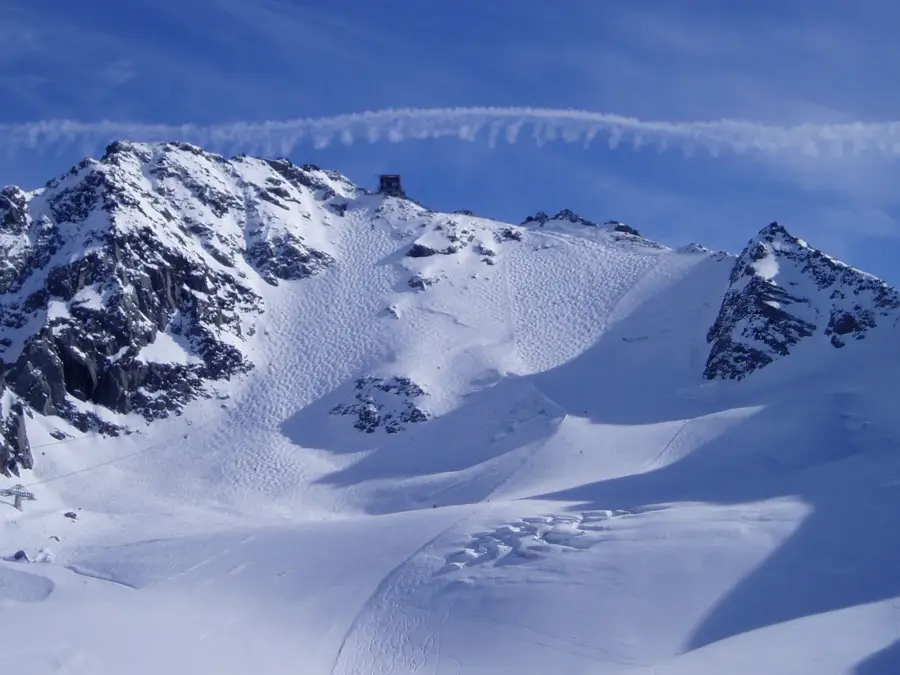
The main season for ascents is in high summer, typically from July to early September, when the glacier crossings are still adequately snow-covered. In winter and spring, the area is a well-known destination for demanding ski tours, but it requires stable avalanche conditions.
⛰️
Terrain & paths
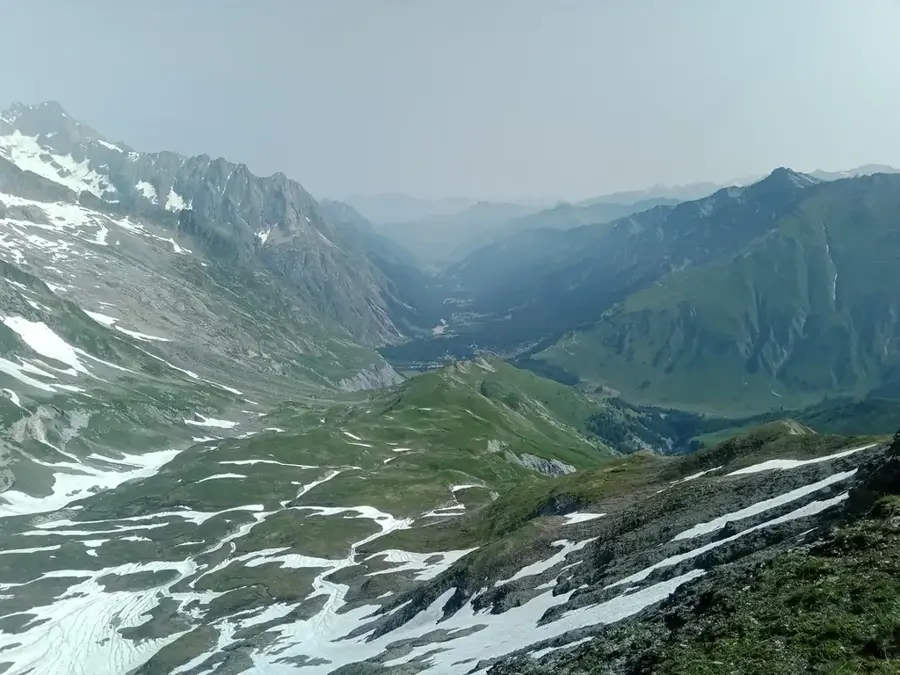
The massif is characterized by massive glaciers, steep ice flanks, and crumbly rock ridge passages, forming a strictly high-mountain environment. Hiking trails end far below the summit zone; from the huts onwards, technically difficult terrain begins, requiring the use of ropes.
🎒
What to bring
For an ascent, complete glacier equipment including crampons, ice axe, rope, and helmet is mandatory for all climbers. Due to objective hazards such as icefall, a modern climbing helmet and high-quality, insulated mountaineering boots are a must for every participant.
🅿️
Parking
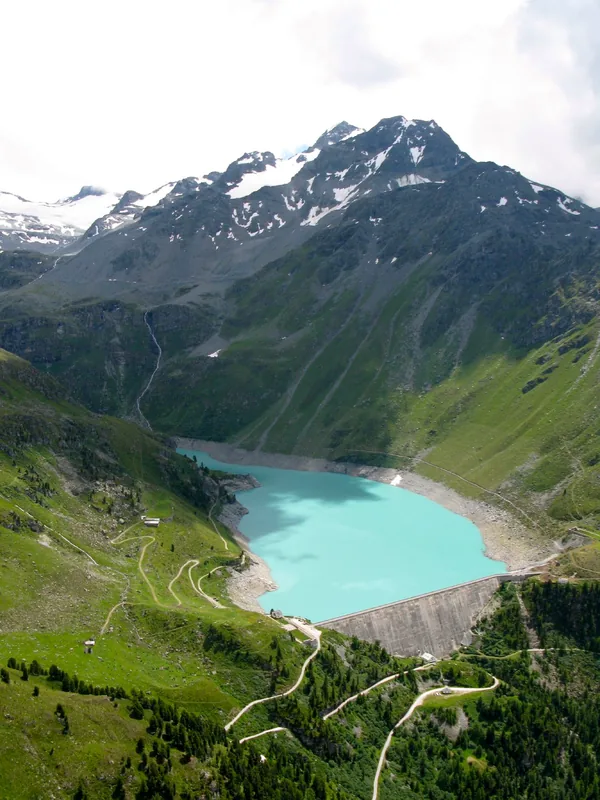
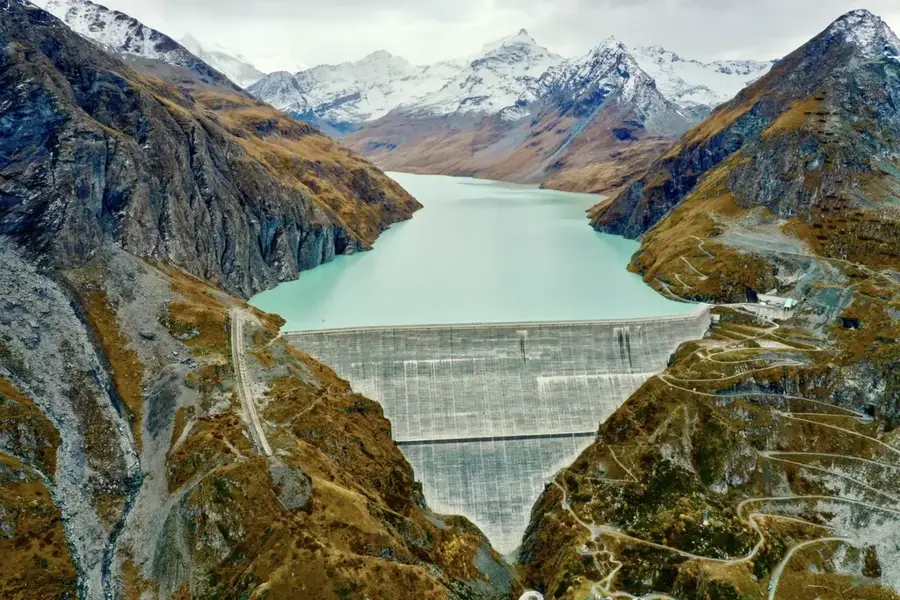
Large parking lots are located at the Mauvoisin dam or directly in the village of Bourg-Saint-Pierre on the road to the Great St. Bernard Pass. From these locations, you start on foot or occasionally use local taxi services to shorten the approach marches to the high-mountain huts.
⚠️
Safety
The 'Corridor' route is notorious due to extreme serac fall hazards; a safer ascent is usually made via the Meitin ridge. Precise observation of conditions and an early start are vital to pass through hazard zones before the daily warming increases the risk of ice and rock fall.
⏱️
Time needed
An ascent of the Grand Combin is a multi-day undertaking that normally requires at least 2 to 3 days to complete. The approach to the hut alone often takes 4 to 5 hours, while the summit day requires 8 to 12 hours of peak physical exertion depending on the route and conditions.

Geography

Coordinates
45.94000, 7.29000

Facts

  • The elevation of the main summit, Combin de Grafeneire, is 4,314 meters.
  • The first ascent of the main summit took place on July 30, 1859.
  • The massif contains a total of three summits exceeding 4,000 meters.
  • The Corbassière Glacier on the northern flank is nearly 10 kilometers long.
  • The mountain is located entirely within the Swiss canton of Valais.
  • It is one of the highest isolated massifs in the Pennine Alps.

Explore nearby

Notable places around
Route planner — Car & Motorhome

Where do you start? We build the route here, with stops and country notes along the way.

Vehicle
Only stops with (optional):

© OpenStreetMap contributors · OpenRouteService

Sights in the town Grand Combin (3)

Le Ritord📍 landmark

A high mountain peak in the Grand Combin massif in the Pennine Alps.

Beaufort📍 landmark

A mountain peak located in the region of the Grand Combin massif.

Combin de Boveire📍 landmark

A prominent alpine peak in the Grand Combin area in the canton of Valais.

Sights nearby

Frequently asked questions

How high is Grand Combin?
The highest point, Combin de Grafeneire, is 4,314 meters high.
Where is this mountain located?
In the Valais Alps, in southwestern Switzerland, near the Italian border.
Why is it considered dangerous?
Because of frequent icefalls from the large hanging glaciers.
Which hut is used for the climb?
The Cabane de Valsorey or the Cabane de Panossière.
What is the 'Tour des Combins'?
A multi-day long-distance hike around the mountain massif.
Grand Combin: where is it located?
Grand Combin is located in Switzerland.
Grand Combin: what is there to see?
Highlights include Le Ritord, Beaufort, Combin de Boveire.
Grand Combin: when is the best time to visit?
The most pleasant time to visit is Jun, Aug.
Grand Combin: why is it worth visiting?

The Grand Combin is a massive mountain glaciated massif in the southwestern Pennine Alps, reaching an elevation of 4,314 meters at its highest point, the Combin de Grafeneire.
View on map → The Top 50 Attractions → OpenStreetMap →
Europe
Explore with Plizio Discover more places in Europe
More places in Switzerland →

Nearby cities