Marché Vert Noël
A unique Christmas market set up like an alpine village within the Roman theater ruins.
PlizioGo
Taste it in a rich fondue or cooked into local dishes at any traditional osteria in the center.
A hearty beef stewed in wine, typically found in rustic mountain-style restaurants.
A local cured meat specialty, often served as an appetizer on charcuterie boards in wine bars.
Check out the small artisan shops in the historic center for traditional wooden crafts.
Look for specialized enotecas selling the excellent high-altitude local wines of the region.
A peaceful spot slightly away from the main hustle with significant historical value.
A beautifully preserved, quiet medieval cloister that is handy for contemplation and rest.
Water temperature…
A unique Christmas market set up like an alpine village within the Roman theater ruins.
The grand finale of the traditional, non-violent cow fights determining the Queen of the Horns.
A cultural festival featuring classical music concerts, theater, and literature in historic venues.
The summer version of the Sant'Orso fair, presenting traditional crafts and regional culinary products.
A summer music festival bringing Italian and international artists to perform against a mountain backdrop.
A historic thousand-year-old fair celebrating local Alpine craftsmanship in wood, stone, and iron.
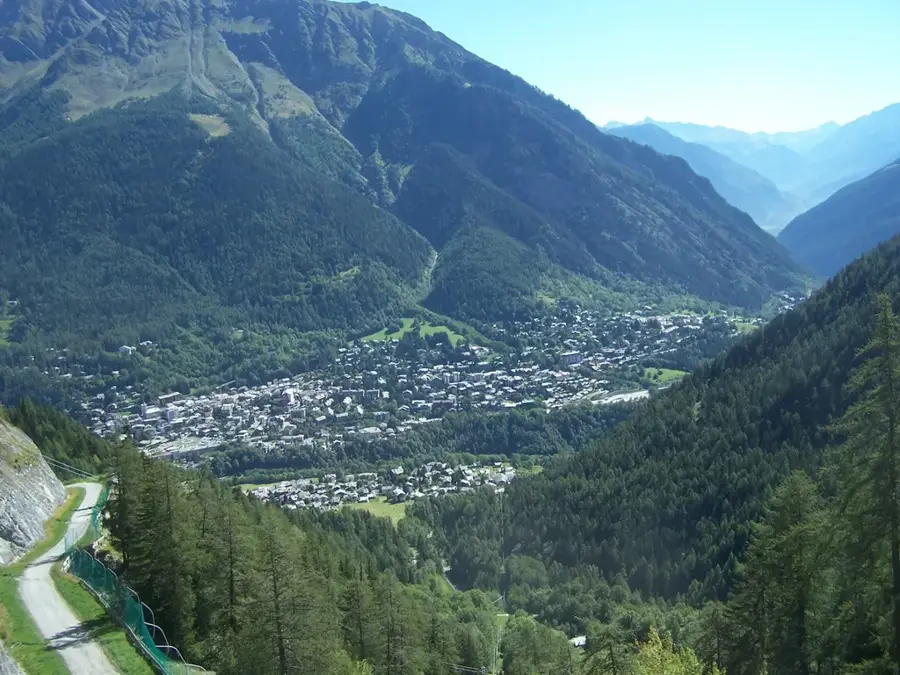
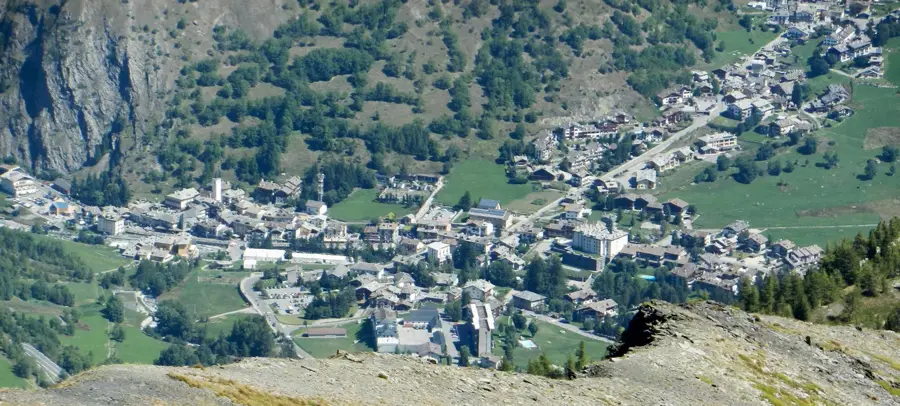
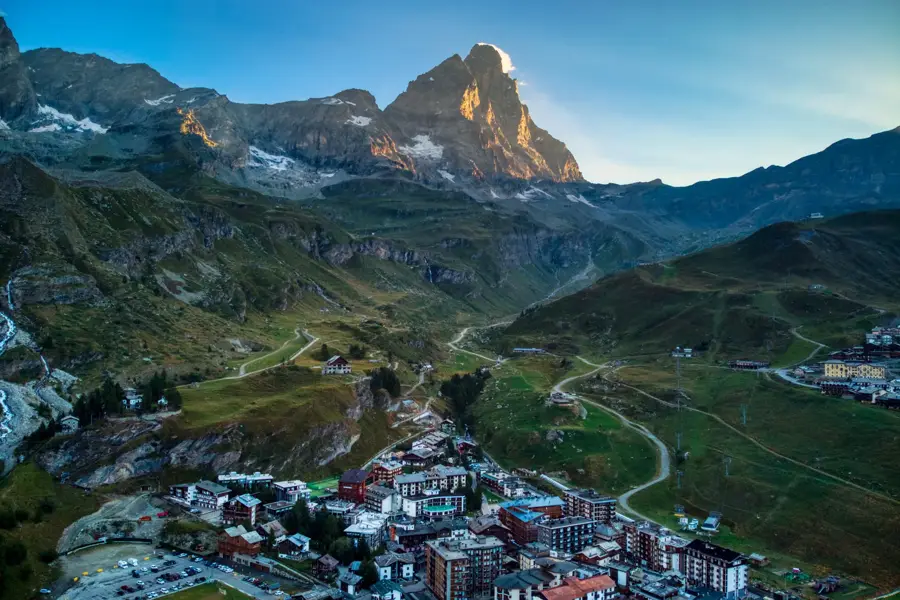
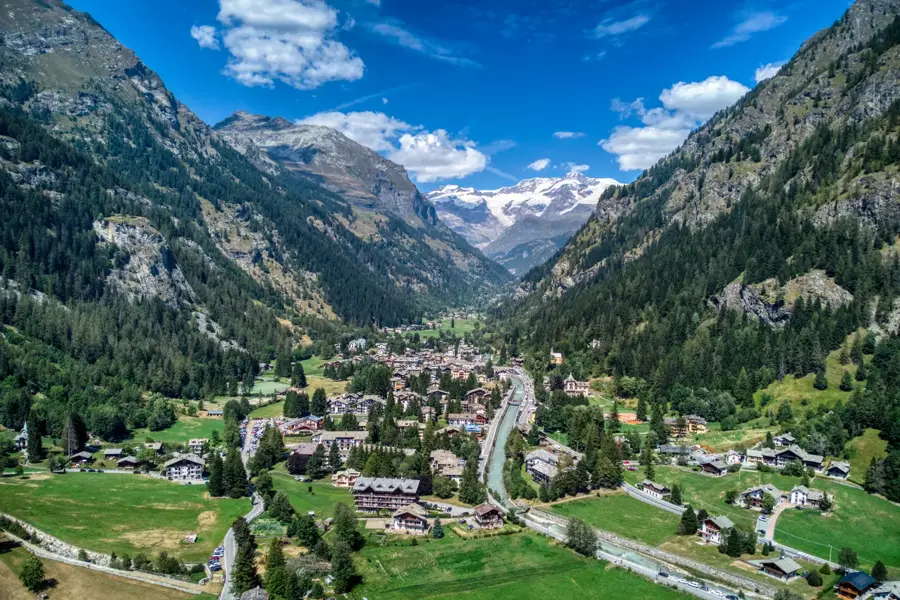
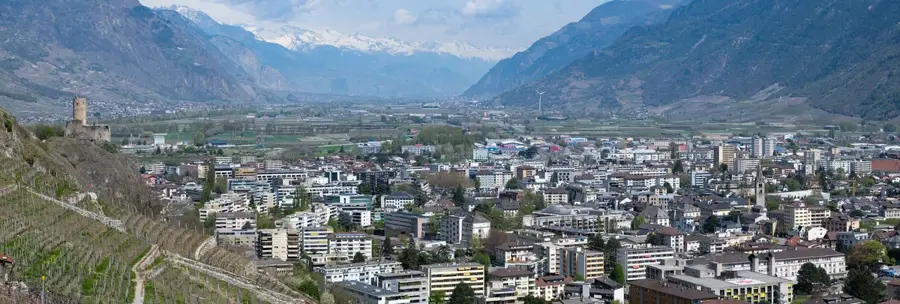
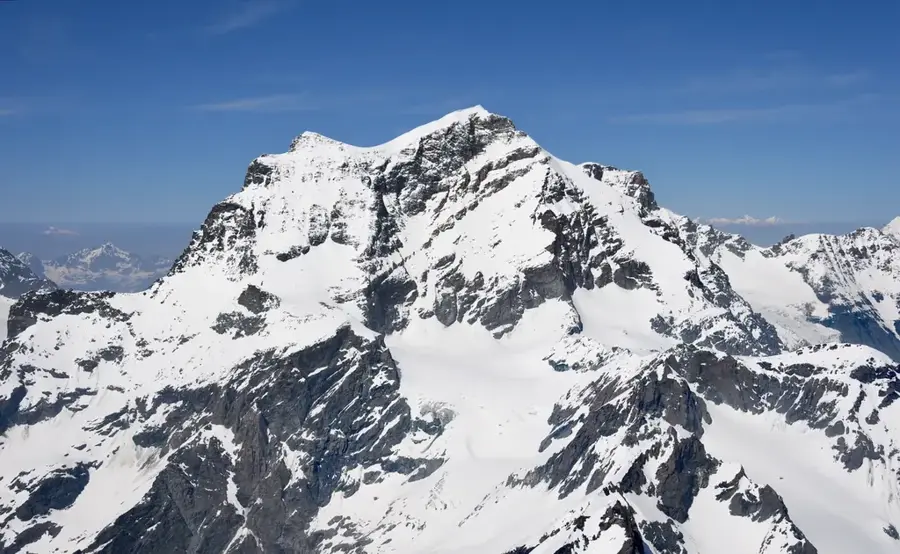
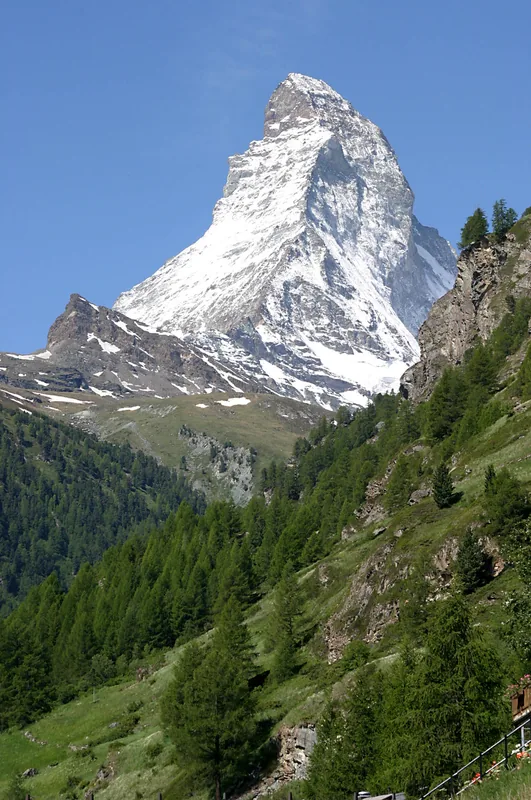
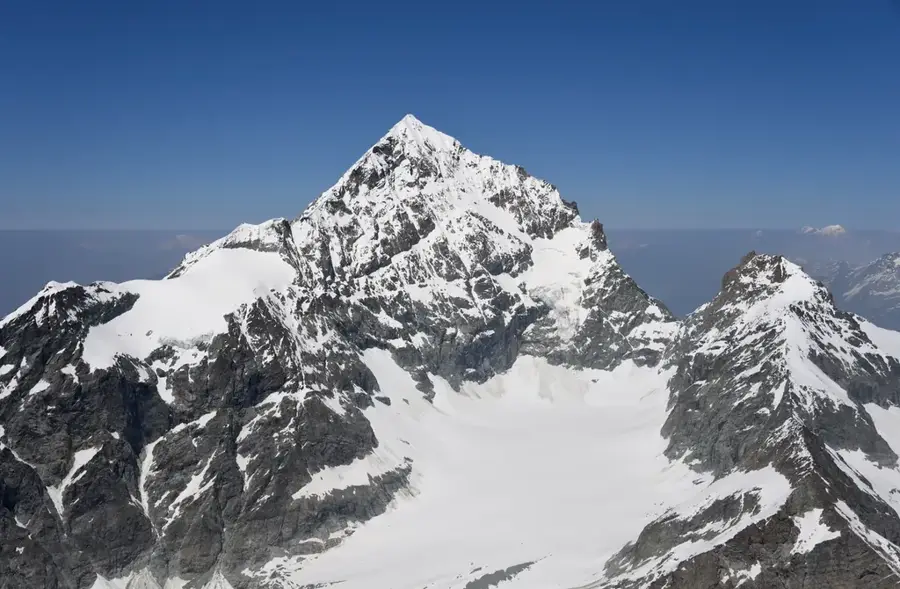
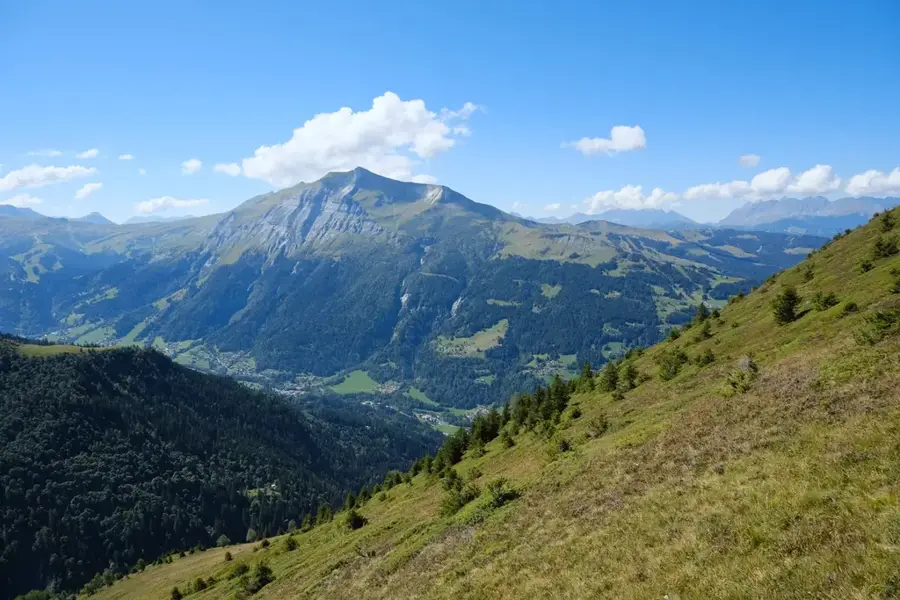
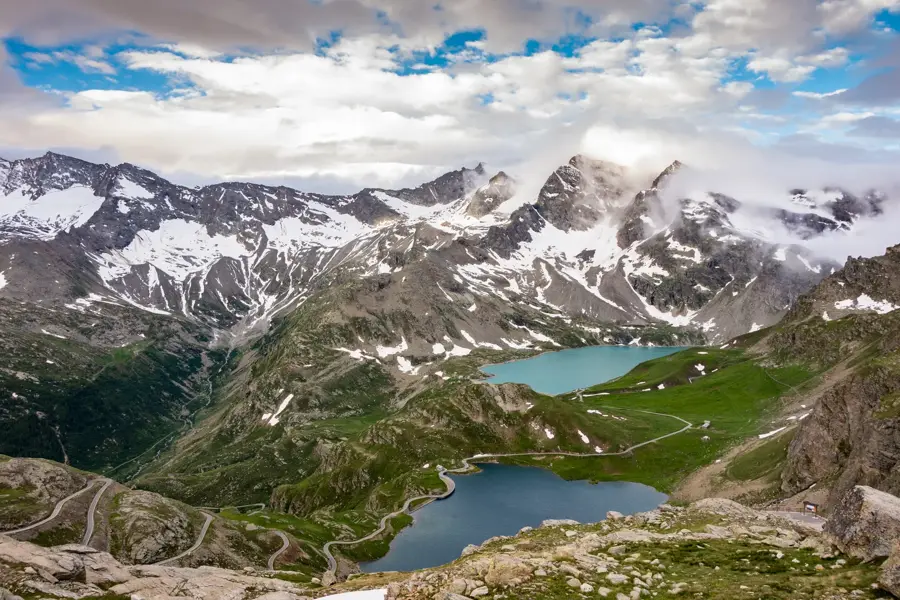
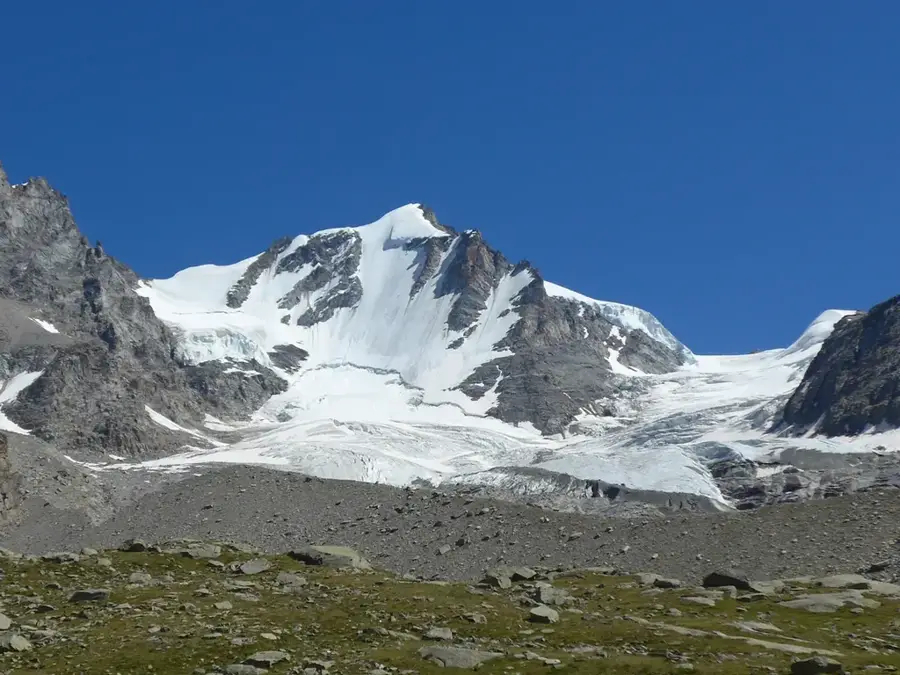
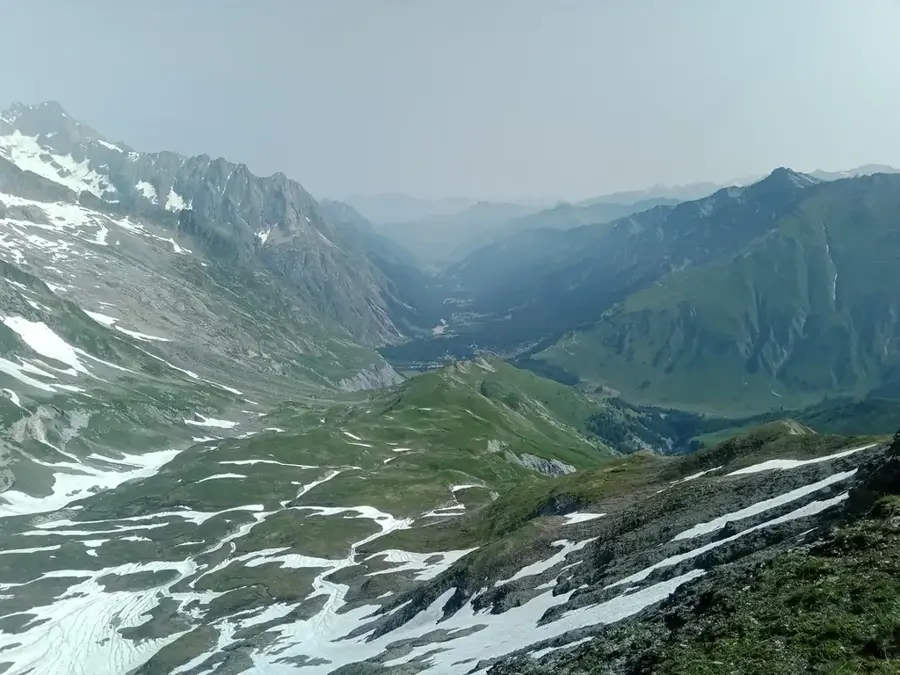
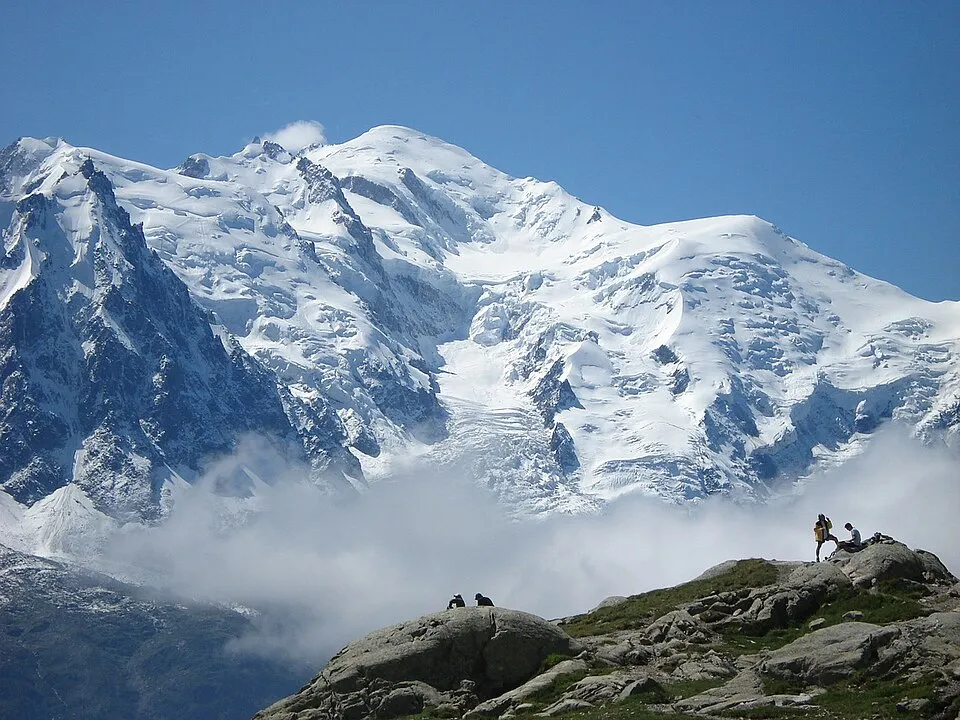
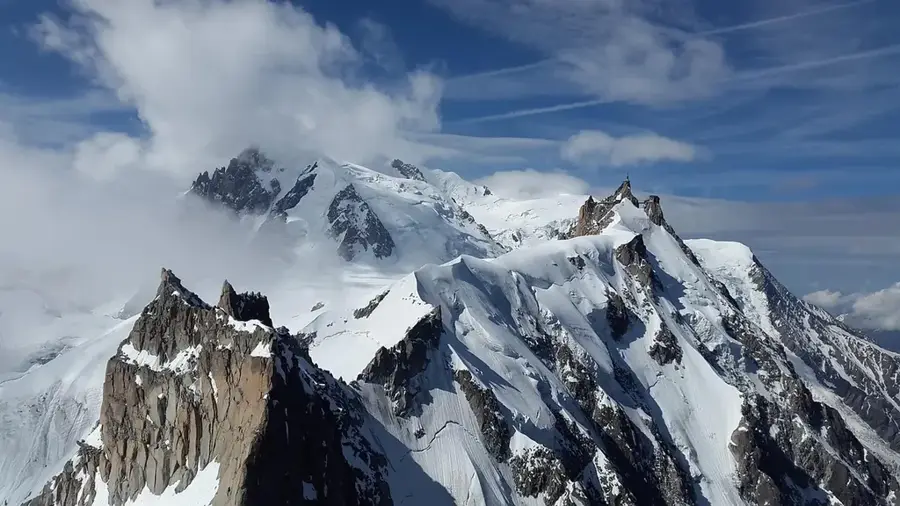
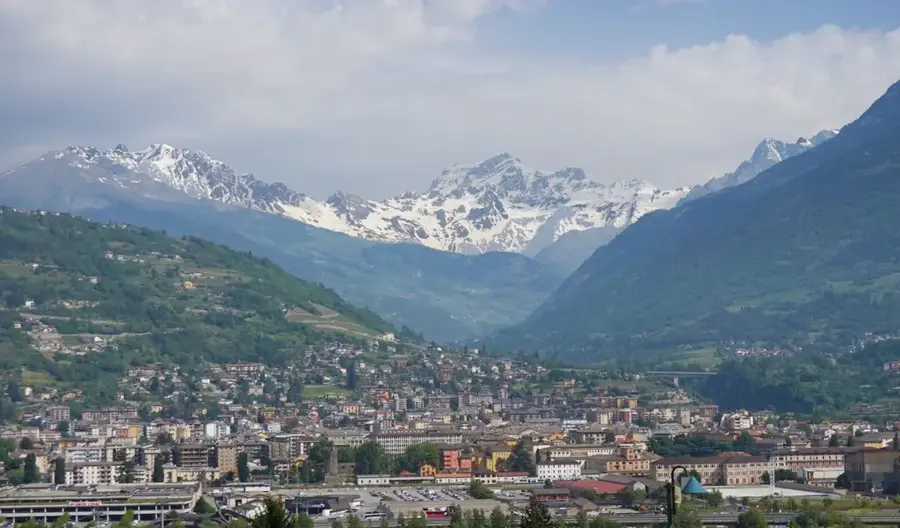
Aosta (Aoste in French) is the capital of the autonomous region of the same name in northwestern Italy. Often referred to as the 'Rome of the Alps,' it is home to an exceptional wealth of ancient Roman monuments. Founded in 25 BC as Augusta Praetoria Salassorum, the city still displays the monumental Arch of Augustus, a remarkably well-preserved Roman Theatre that once seated 3,000 spectators, and an almost entirely intact circuit of Roman walls. Beyond its ancient roots, the town features significant medieval architecture, notably the Collegiate Church of Saint-Ours with its famous carved cloister. Aosta sits at the confluence of the Buthier and Dora Baltea rivers, surrounded by the highest peaks in the Alps, including Mont Blanc, the Matterhorn, and Gran Paradiso. The city is a major hub for alpine tourism and upholds a deeply rooted bilingual tradition, where Italian and French share official status.
The most pleasant time to visit is Jun–Aug.
| Jan | Feb | Mar | Apr | May | Jun | Jul | Aug | Sep | Oct | Nov | Dec | |
|---|---|---|---|---|---|---|---|---|---|---|---|---|
| Avg °C | -4 | -3 | 0 | 5 | 9 | 14 | 16 | 15 | 11 | 7 | 1 | -3 |
| Rain mm | 45 | 46 | 57 | 75 | 102 | 85 | 72 | 71 | 62 | 69 | 101 | 57 |
See what it looks like near Aosta right now.
Arvier: Aosta Comune · 0 km · Open webcam on Windy · Webcams provided by Windy.com
Notable places around
Where do you start? We build the route here, with stops and country notes along the way.
© OpenStreetMap contributors · OpenRouteService
Aosta, the Rome of the Alps, welcomes you in the morning with the Arch of Augustus and the Sant'Orso church. At midday, explore the monumental Porta Pretoria and the ancient Roman Theatre. The afternoon is dedicated to the mysterious Criptoportico and the Cathedral. End your day with a walk along the Roman city walls and a glass of fine local wine.
The morning begins under the protective arcades of Piazza Chanoux, perfect for staying dry while enjoying the city center. By midday, visit Porta Pretoria and the Roman Theatre, where the rain adds a reflective glisten to the ancient stone structures. In the afternoon, the underground Cryptoporticus provides a fascinating and completely dry sanctuary from the weather. The day concludes at the Archaeological Museum, allowing for a deep dive into Roman history away from the damp streets.
In winter, Aosta becomes a stunning alpine town, often framed by snow-capped peaks. The morning starts briskly in Piazza Chanoux, where the crisp mountain air is truly invigorating. By midday, seek warmth inside the Collegiate Church of Sant'Orso and the Cathedral as the sun sits low over the ancient ruins. The afternoon is short, with sunset behind the Alps around 16:45, casting a mystical glow on the Roman Theatre. The day ends comfortably within the heated Archaeological Museum.
Explore Aosta on two wheels. The tour leads from the Arch of Augustus through ancient gates to the Roman Theatre. At midday, enjoy the atmosphere in Piazza Chanoux. The afternoon offers a relaxed ride along the well-preserved city walls to the museum.
Cycling through Aosta in the rain requires extra care on the wet cobblestones. The morning takes you to the Arch of Augustus, where puddles create beautiful reflections of the monument. By midday, reach the Roman Theatre before taking a long break under the arcades of Piazza Chanoux. The afternoon finishes at the Archaeological Museum, where you can park your bike and explore history in a dry environment.
Cycling in Aosta during winter offers crisp air and spectacular alpine views. The morning starts at the Arch of Augustus with snow-capped peaks in the background. At midday, warm up briefly inside Sant'Orso before heading to the Roman Theatre. Since it gets dark early, visit the Roman Walls in the early afternoon to maximize daylight. The day concludes at the museum, providing a warm escape after your ride.
By car, you can also reach the Megalithic Area on the outskirts. Then head to the historical center for Roman monuments and churches. The day ends with an extensive walk along the ancient walls.
Exploring Aosta by car is convenient even during rainy spells. Start your morning at the Megalithic Area, an impressive and completely indoor archaeological site. At midday, park near Piazza Chanoux to enjoy lunch under the protective arcades. Visit the Roman Theatre and Sant'Orso between showers to stay as dry as possible. The day ends at the City Walls, where the short walk from the parking area is a major advantage.
Visiting Aosta by car in winter provides flexibility and a warm retreat between stops. Start your morning at the impressive and climate-controlled Megalithic Area. At midday, enjoy the snowy mountain views from the comfort of your vehicle before parking for a brisk walk to Piazza Chanoux. Use the afternoon to see the City Walls and Arch of Augustus before the temperature drops significantly at sunset. The day ends conveniently with a heated ride back.
Italian and French both official; local patois dialects. English acceptable in tourism.
An impressive structure with a 22-meter-high facade that once accommodated thousands of spectators.
1st-century Roman villa in Aosta.