Plizio Visual Lab

Sinharaja Forest Reserve
Plizio editorial teamData Sources
Forest
—°6
Sinharaja Forest Reserve (Sri Lanka)

Weather…

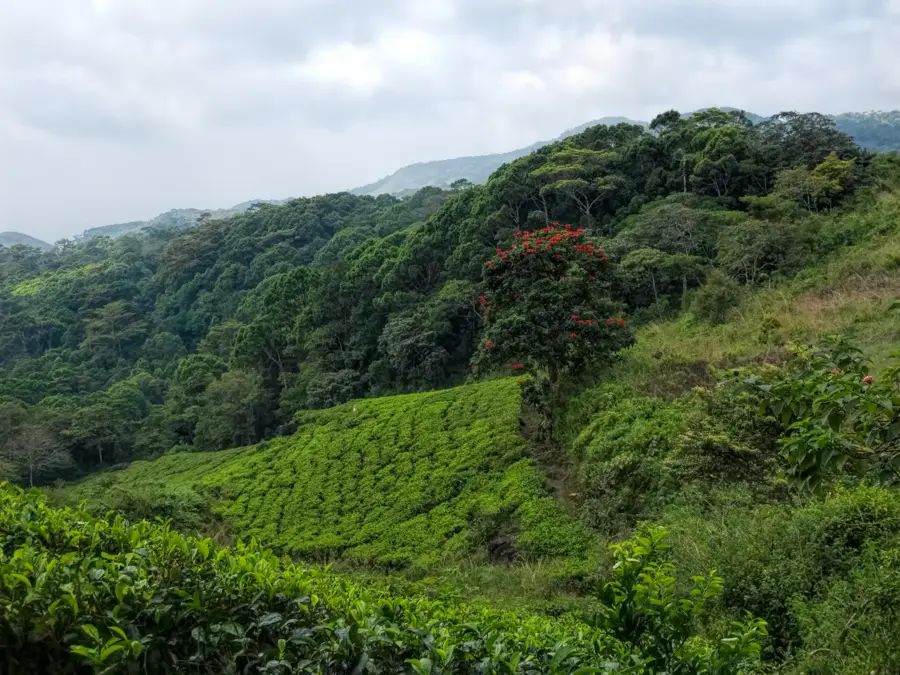
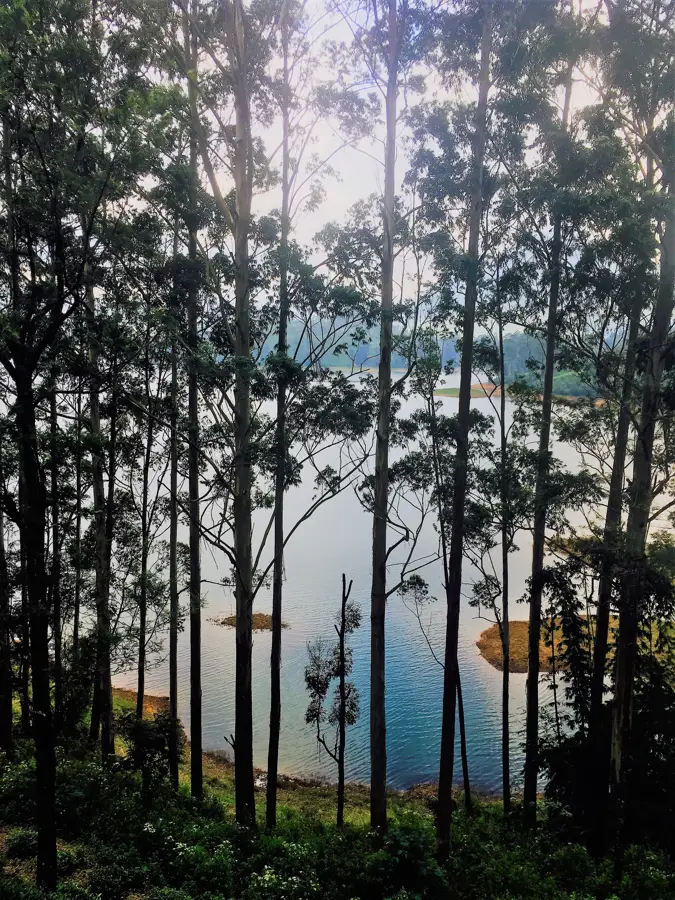
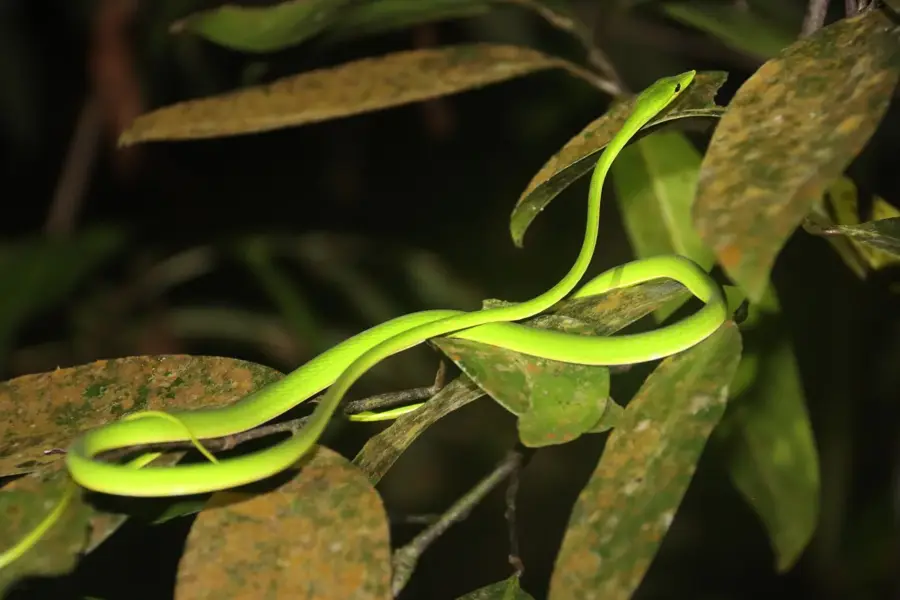
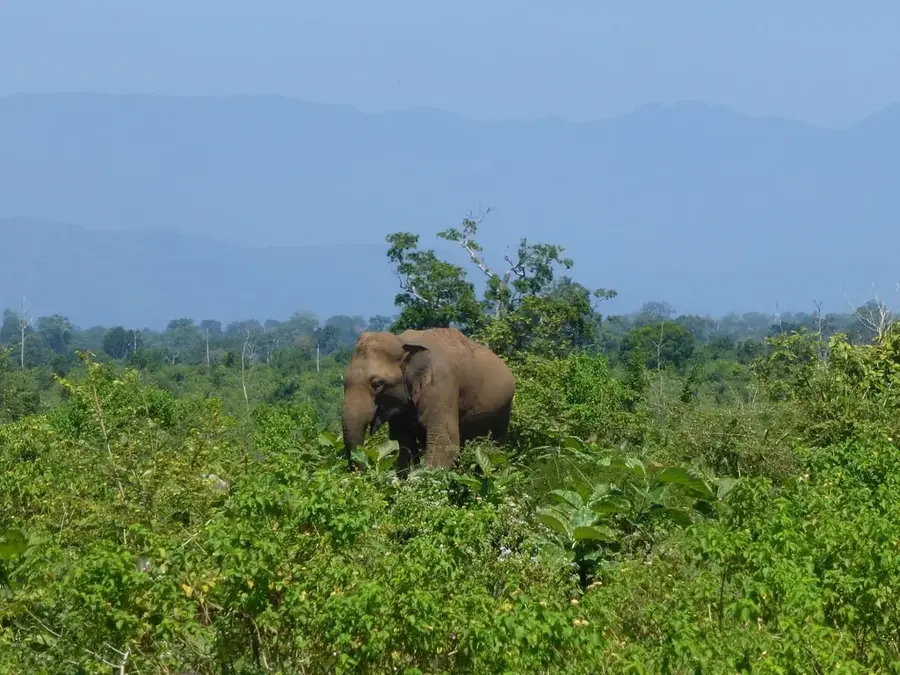
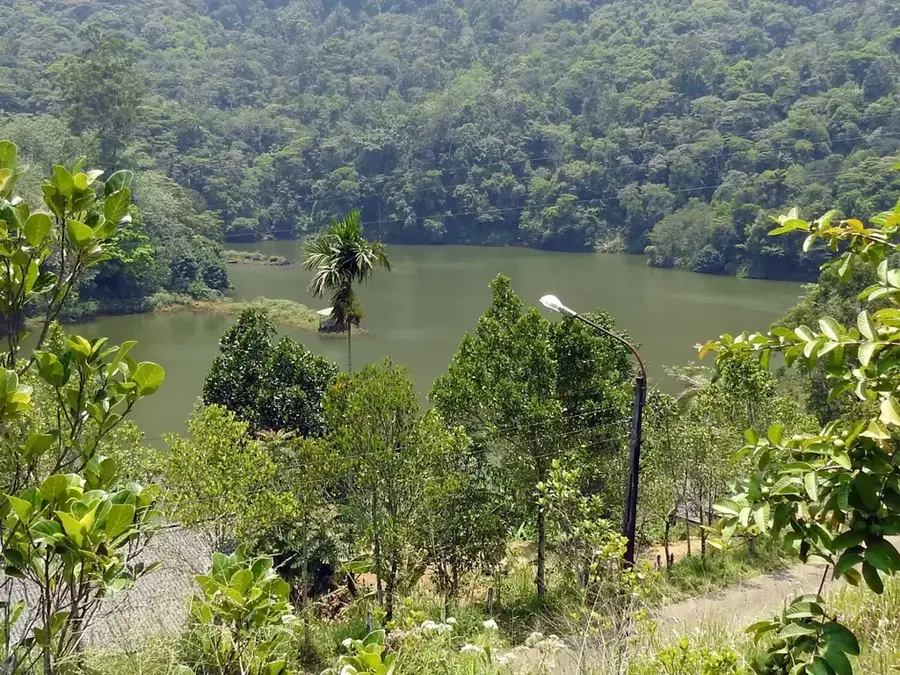
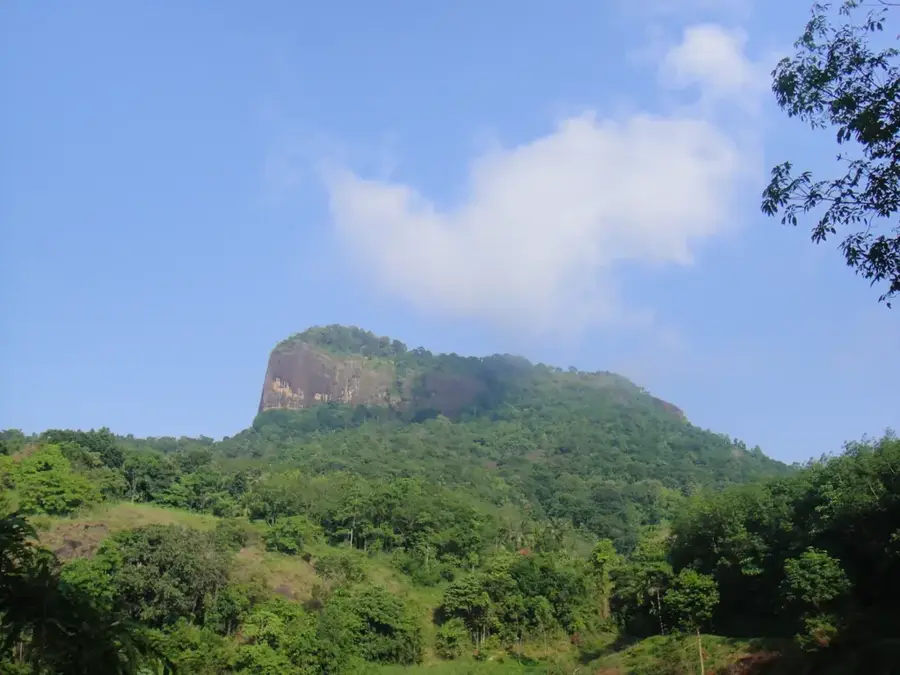
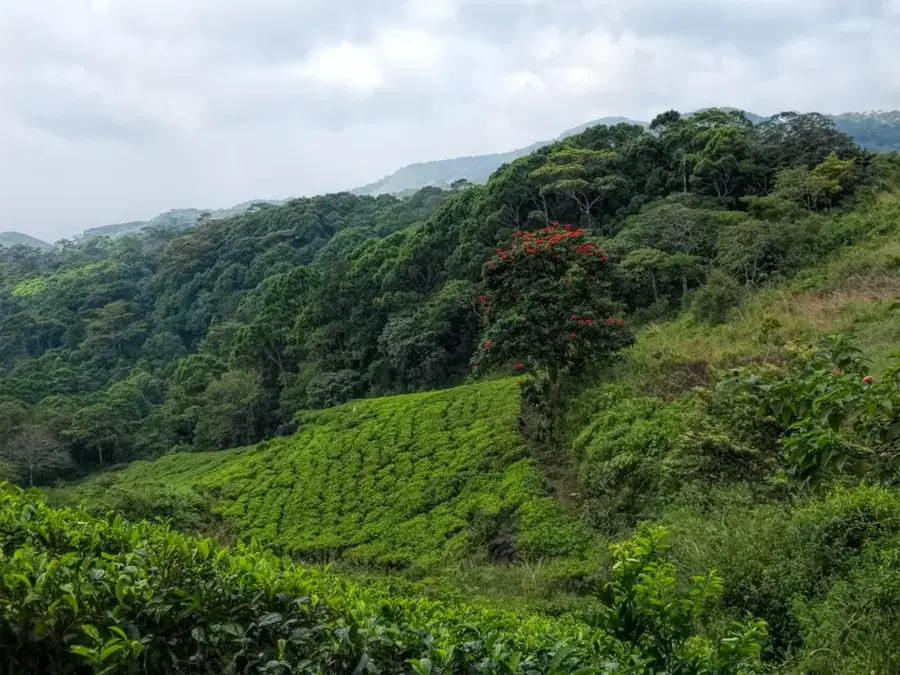
Sinharaja Forest Reserve is the last remaining primary tropical lowland rainforest in Sri Lanka and is a biodiversity hotspot of global significance. It was designated a Biosphere Reserve in 1978 and inscribed as a UNESCO World Heritage site in 1988. Spanning the districts of Ratnapura, Galle, and Matara, the reserve is famous for its exceptionally high degree of endemism. Over 60% of the trees and more than 50% of the island's native mammals and butterflies are found exclusively within this forest. A unique ecological feature of Sinharaja is the presence of 'mixed foraging bird flocks,' where diverse species move together through the canopy. The climate is defined by high rainfall and constant humidity, fostering a lush, multi-layered vegetation structure. The name 'Sinharaja' translates to 'Lion King,' reflecting ancient legends regarding the ancestry of the Sinhalese people. The reserve plays a critical role in carbon sequestration and regulating the water table for the surrounding agricultural regions. It continues to be a vital center for scientific research into tropical ecology and conservation genetics.

Best time to visit & climate

The most pleasant time to visit is Jan, Feb, Jul.

JanFebMarAprMayJunJulAugSepOctNovDec
Avg °C242526262625252525252524
Rain mm968110618017810687106149232273190

📋 Practical info

🧭
Getting there
The protected reserve is usually accessed from the official southern or northern entrances, such as Deniyaya or Kudawa, which can be reached by taking a public bus or hiring a private vehicle from the coastal areas.
📅
Best season
The relatively drier months, typically falling between December and April, offer the most favorable conditions for trekking and wildlife observation in this incredibly humid tropical rainforest environment.
⛰️
Terrain & paths
The terrain is highly characteristic of a dense, pristine tropical rainforest, featuring very narrow, undulating dirt trails, extremely high humidity levels, and frequent slippery, muddy sections along the routes.
🎒
What to bring
Specialized leech socks are highly recommended by all guides, along with lightweight breathable hiking clothes, a reliable raincoat, and plenty of drinking water for the constantly sweltering, humid conditions.
🅿️
Parking
Designated visitor parking is normally available at the main park entrances where the official ticketing offices are located, before you proceed to continue your journey entirely on foot into the dense reserve.
⚠️
Safety
Mandatory local guides are essential to help you navigate the confusing trails safely and spot hidden endemic wildlife. Be fully prepared for encountering leeches and experiencing sudden, heavy tropical downpours.
⏱️
Time needed
A typical guided trek through the jungle lasts about four to six hours, though some dedicated nature visitors spend multiple consecutive days exploring the much deeper sections of this incredible biodiversity hotspot.

Geography

Coordinates
6.41600, 80.41600

Facts

  • Sinharaja was designated a UNESCO World Heritage site on October 21, 1988.
  • The core zone of the reserve spans approximately 8,864 hectares.
  • Over 95% of the bird species found in the forest are endemic to Sri Lanka.
  • The average annual rainfall ranges between 3,000 and 5,000 mm.
  • It is a key habitat for the endemic Purple-faced Langur monkey.
  • The forest stretches 21 kilometers from east to west and 7 kilometers across.

Explore nearby

Notable places around
Route planner — Car & Motorhome

Where do you start? We build the route here, with stops and country notes along the way.

Vehicle
Only stops with (optional):

© OpenStreetMap contributors · OpenRouteService

Sights in the town Sinharaja Forest Reserve (6)

Dooli Ella Waterfall📍 landmark

A cascading waterfall in the Sinharaja rainforest known for its fine misty spray.

Duwili Ella📍 landmark

An impressive waterfall in the dense jungle, whose name refers to the dust-like water spray.

Lankagama Sangili Palama🌿 nature

A narrow suspension bridge in Lankagama crossing a clear forest river in the Sinharaja reserve.

Sri Sudharmarama Pirivena📍 landmark

A Buddhist educational center near the rainforest that trains monks in sacred scriptures.

shoe place🎭 culture

A local market stall near the forest reserve offering handmade footwear and crafts.

Public fair🎭 culture

A lively village fair where locals from the Sinharaja region trade their fresh produce.

Sights nearby

Frequently asked questions

Do I need a guide for Sinharaja?
Yes, an official guide is mandatory and very helpful for spotting rare animals and plants.
Are there leeches there?
Yes, especially in wet weather. Leech socks and salt or insect repellent are highly recommended.
What is the best time to visit the rainforest?
From January to March and in August/September, it is usually drier and more pleasant for hiking.
Can we swim in the forest?
There are some waterfalls and natural pools where bathing is permitted under the guide's supervision.
How difficult are the hiking trails?
Most trails are moderate but require good footing due to humidity and tree roots.
Sinharaja Forest Reserve: where is it located?
Sinharaja Forest Reserve is located in Sri Lanka.
Sinharaja Forest Reserve: what is there to see?
Highlights include Dooli Ella Waterfall, Duwili Ella, Lankagama Sangili Palama.
Sinharaja Forest Reserve: when is the best time to visit?
The most pleasant time to visit is Jan, Feb, Jul.
Sinharaja Forest Reserve: why is it worth visiting?

Sinharaja Forest Reserve is the last remaining primary tropical lowland rainforest in Sri Lanka and is a biodiversity hotspot of global significance.
View on map → The Top 50 Attractions → OpenStreetMap →
Asia
Explore with Plizio Discover more places in Asia
More places in Sri Lanka →

Nearby cities

History & landmarks

Nature

More places