Plizio Visual Lab

Udawalawe National Park
Plizio editorial teamData Sources
national-park
—°5
Udawalawe National Park (Sri Lanka)

Weather…

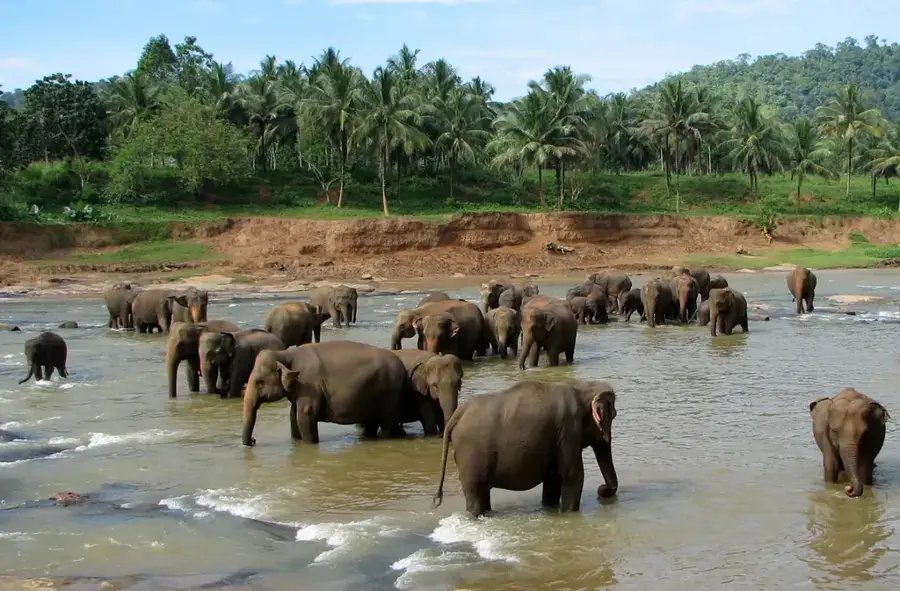
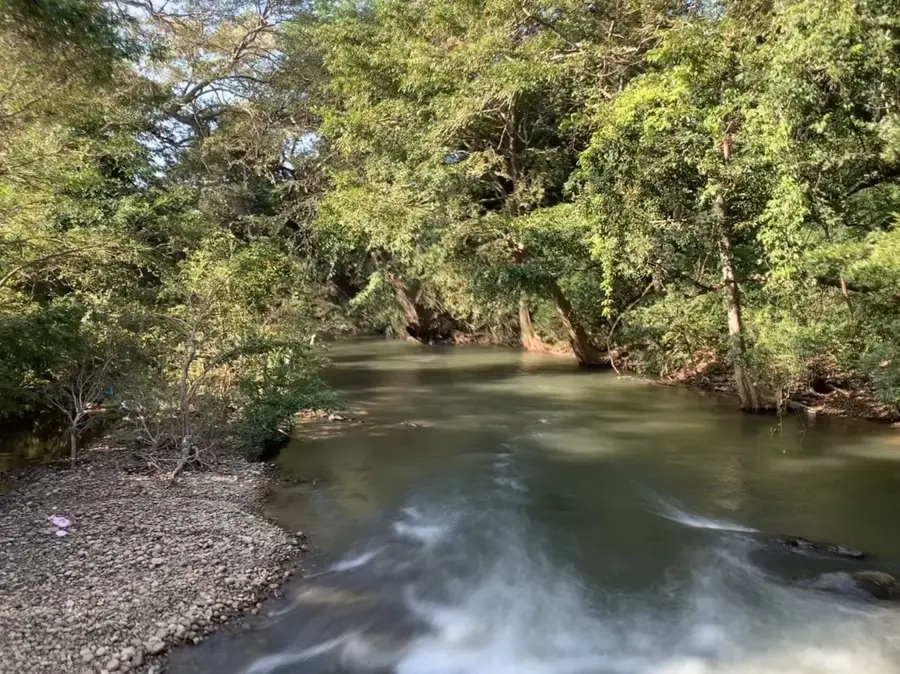
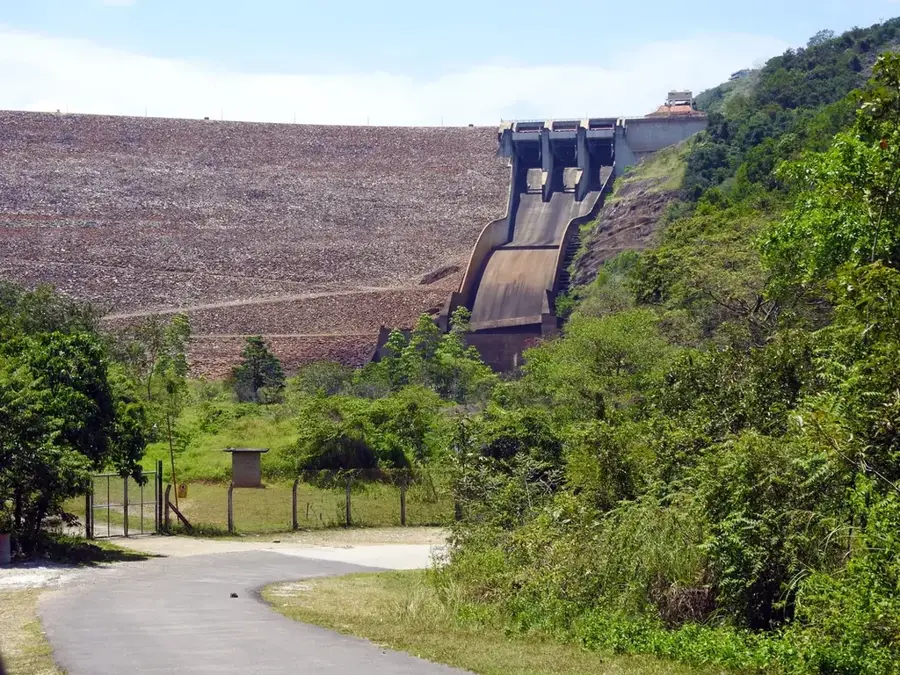
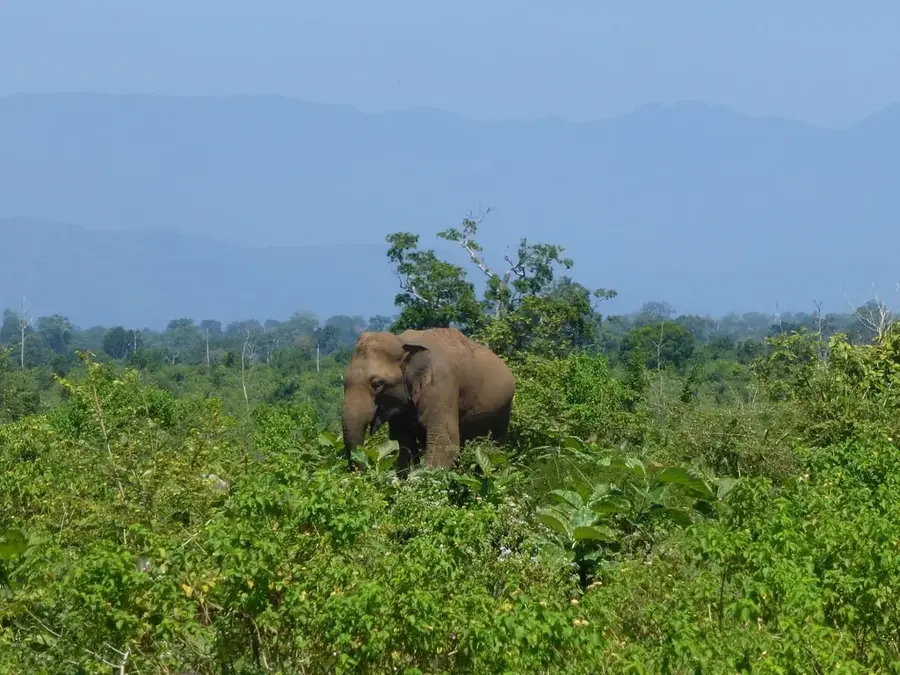
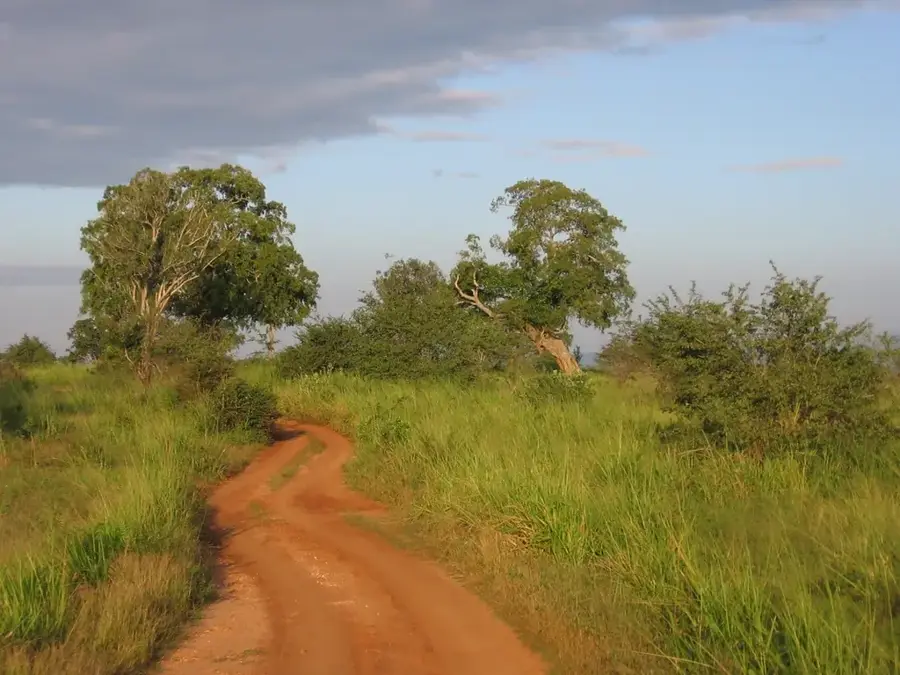
Udawalawe National Park was established in 1972 to provide a sanctuary for wildlife displaced by the construction of the Udawalawe Reservoir on the Walawe River. Located on the boundary of the Sabaragamuwa and Uva Provinces, the park spans approximately 308 square kilometers. It is most famous for its large population of Asian elephants, which are easily spotted due to the park's open, savannah-like terrain. Unlike the dense jungle environments of other Sri Lankan parks, Udawalawe features vast grasslands and scrublands that offer superior visibility for wildlife viewing. In addition to elephants, the park is home to wild buffalo, Sambar deer, monitor lizards, and a significant variety of raptors and water birds. A major highlight near the park entrance is the Elephant Transit Home, an ethical facility that rehabilitates orphaned elephant calves for eventual release back into the wild. The vegetation primarily consists of thorny shrubs and teak plantations, which provide essential fodder for the park's herbivores. Udawalawe serves as a crucial protected area for the Walawe River catchment and remains a vital stronghold for elephant conservation in Sri Lanka.

Best time to visit & climate

The most pleasant time to visit is Feb, Jun, Jul.

JanFebMarAprMayJunJulAugSepOctNovDec
Avg °C242526272727262727262625
Rain mm140105112188167917394147250306247

📋 Practical info

🧭
Getting there
The national park is accessible via well-maintained roads, often serving as a convenient stopover on the route from the southern beaches up to the highlands. Most visitors book organized jeep safaris directly on-site or in nearby tourist hubs, as driving private cars inside the park is not typical.
📅
Best season
The absolute best time for extensive wildlife viewing is the dry season from May to September, when animals gather in large numbers around the shrinking waterholes. However, the park remains open year-round and has excellent chances to spot wild elephants even during the greener rainy season.
⛰️
Terrain & paths
The terrain consists primarily of flat, open grasslands and dense scrub forest, intersected by a network of unpaved sandy and gravel dirt tracks. Since visitors spend the vast majority of their time inside the safari vehicle, the condition of the trails plays little role in physical exertion.
🎒
What to bring
Lightweight, breathable cotton clothing in muted or neutral colors is good for coping with the heat and avoiding unnecessarily startling the wild animals. A pair of binoculars is essential for detailed observations, as is solid sun protection for the long drives in open-topped safari vehicles.
🅿️
Parking
Sufficiently large parking areas are available at the main entrance and the visitor center, which also serves as the starting point for tours with local drivers. Those arriving with their own rental car can safely and easily leave it parked there for the entire duration of the multi-hour guided tour.
⚠️
Safety
It is strictly forbidden to exit the safari vehicle at any point during the tour unless you are at explicitly designated and secured rest areas. The instructions of the experienced guide must be followed at all times to avoid potentially dangerous conflicts with the freely roaming wild elephants.
⏱️
Time needed
A standard jeep safari typically lasts around three to four hours, which is generally more than enough time to explore the central areas and enjoy initial wildlife sightings. Passionate nature photographers, on the other hand, frequently book full-day tours to gain deeper access into the untouched areas.

Geography

Coordinates
6.43800, 80.88800

Facts

  • The park was officially opened on September 30, 1972.
  • The total protected area covers 30,821 hectares surrounding the reservoir.
  • It is estimated that around 600 to 700 elephants reside within the park.
  • The Udawalawe Reservoir was completed in 1967 for irrigation and power.
  • The park is a major birding destination, with over 184 species recorded.
  • It is the third most visited national park in Sri Lanka after Yala and Wilpattu.

Explore nearby

Notable places around

Route planner — Car & Motorhome

Where do you start? We build the route here, with stops and country notes along the way.

Vehicle
Only stops with (optional):

© OpenStreetMap contributors · OpenRouteService

Sights in the town Udawalawe National Park (5)

Udawalawa Fisheries Bungalow📍 landmark

A scenic bungalow overlooking the Udawalawe Reservoir, central to the region's inland fisheries.

Elephant Transit Home🎡 recreation

A renowned rehabilitation center where orphaned elephant calves are cared for until they can return to the wild.

🕒 09:00-09:45,12:00-12:45,15:00-15:45,18:00-18:45💶

Udawalawe National Park🌿 nature

A vast nature reserve famous for its large herds of wild elephants and diverse birdlife around the reservoir.

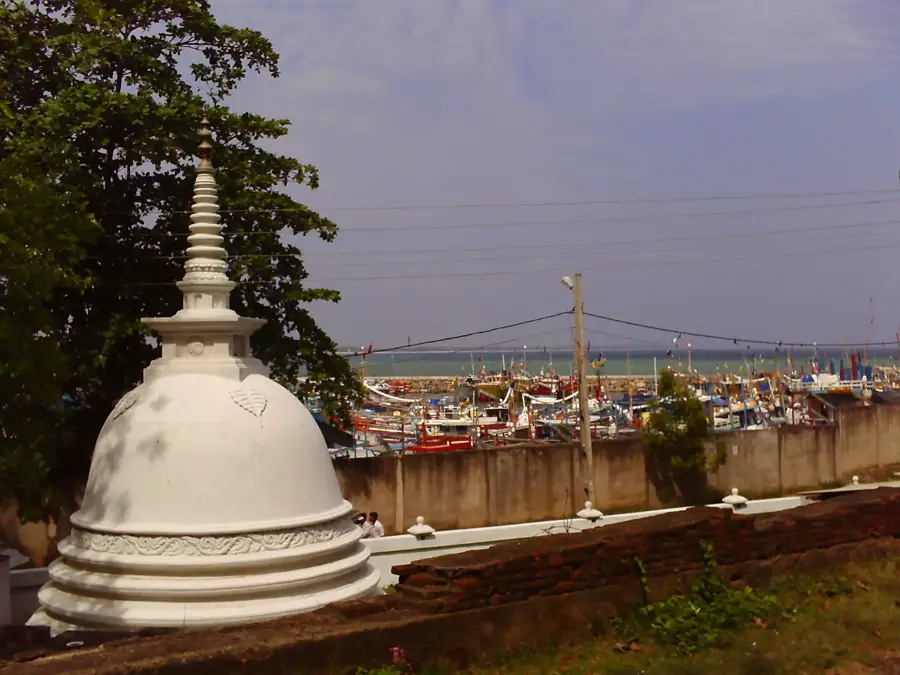
Udawalawe Buddhist Center📍 landmark

A peaceful Buddhist center and place of worship located near the entrance to the national park.

Danduma market place🎭 culture

A spirited local marketplace where villagers trade fresh regional produce and traditional goods.

Sights nearby

Frequently asked questions

Which animals are seen most frequently in Udawalawe?
The park is famous for its large elephant herds, which are spotted on almost every safari.
Is a morning or afternoon safari better?
Both times are good, but early morning is cooler and birds are more active.
Can I get out of the car during the safari?
No, leaving the vehicle is strictly prohibited for safety reasons, except at designated rest areas.
Are there crocodiles in the park?
Yes, at the large reservoir and water holes, marsh crocodiles can often be observed.
How long does an average safari take?
A standard safari lasts about 3 hours, but half-day or full-day tours are also offered.
Udawalawe National Park: where is it located?
Udawalawe National Park is located in Sri Lanka.
Udawalawe National Park: what is there to see?
Highlights include Udawalawa Fisheries Bungalow, Elephant Transit Home, Udawalawe National Park.
Udawalawe National Park: when is the best time to visit?
The most pleasant time to visit is Feb, Jun, Jul.
Udawalawe National Park: why is it worth visiting?

Udawalawe National Park was established in 1972 to provide a sanctuary for wildlife displaced by the construction of the Udawalawe Reservoir on the Walawe River.
View on map → The Top 50 Attractions → OpenStreetMap →
Asia
Explore with Plizio Discover more places in Asia
More places in Sri Lanka →

Nearby cities

History & landmarks

Nature
More places