Plizio Visual Lab

Kaudulla National Park
Plizio editorial teamData Sources
national-park
—°3
Kaudulla National Park (Sri Lanka)

Weather…

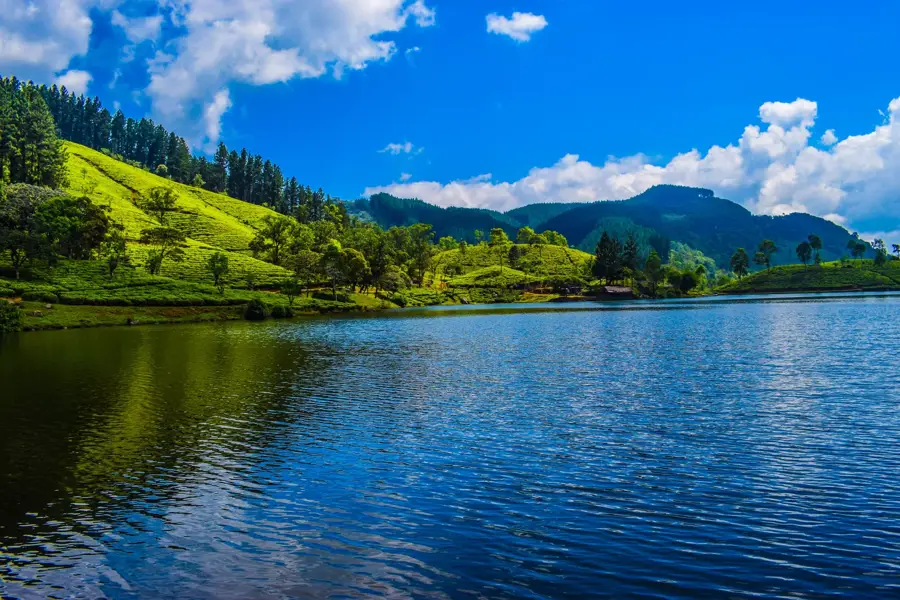
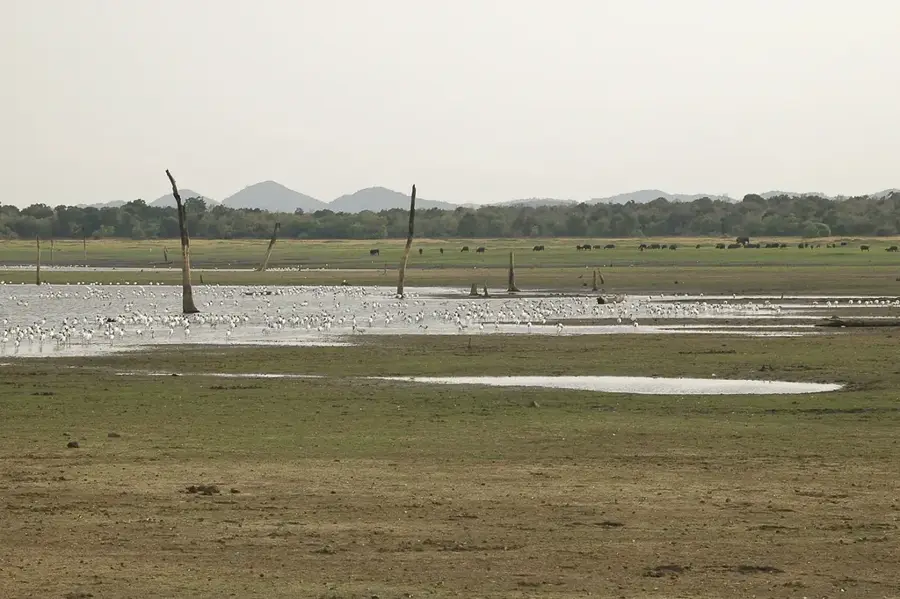
Kaudulla National Park was officially designated on April 1, 2002, as the 15th national park in Sri Lanka, covering an area of approximately 6,656 hectares in the Polonnaruwa District. The centerpiece of the park is the historic Kaudulla Tank, an ancient man-made reservoir built in the 3rd century during the reign of King Mahasen. Geographically, the park forms a critical elephant corridor connecting the neighboring Minneriya and Wasgamuwa protected areas. During the dry season, particularly from August to October, the park becomes a primary site for the gathering of hundreds of wild elephants seeking water and fresh grass along the reservoir's banks. Beyond its famous elephant population, the ecosystem supports leopards, sloth bears, sambar deer, and numerous endemic bird species. The vegetation is characterized by tropical dry evergreen forests, grasslands, and wetlands, creating a diverse habitat that is essential for the conservation of the region's unique biodiversity.

Best time to visit & climate

The most pleasant time to visit is Jun–Aug.

JanFebMarAprMayJunJulAugSepOctNovDec
Avg °C252627292928282929282625
Rain mm1521138612010635375080222331331

📋 Practical info

🧭
Getting there
The park is most ideally accessed from the nearby towns of Habarana or Polonnaruwa, both serving as well-established staging points. The final kilometers into the reserve are typically covered using rugged safari jeeps operated by various local providers.
📅
Best season
The absolute best time for general wildlife viewing, especially the migrating elephants, is usually from August through December. During periods of extreme monsoon rains, the unpaved tracks often become fully impassable, leading to short-term park closures.
⛰️
Terrain & paths
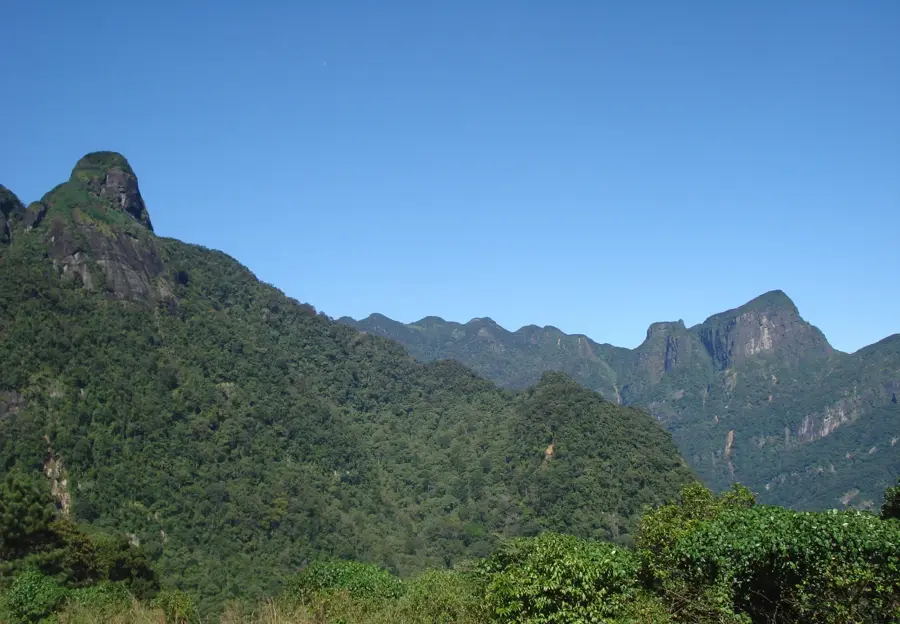
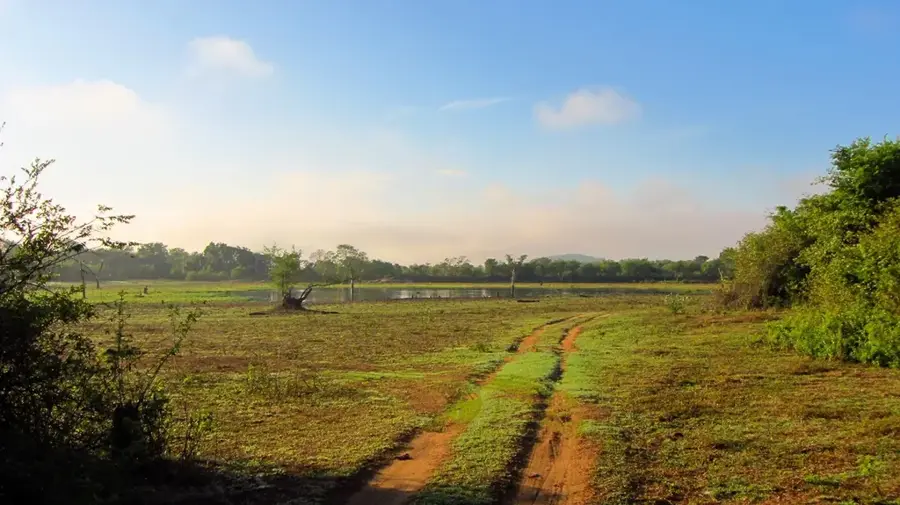
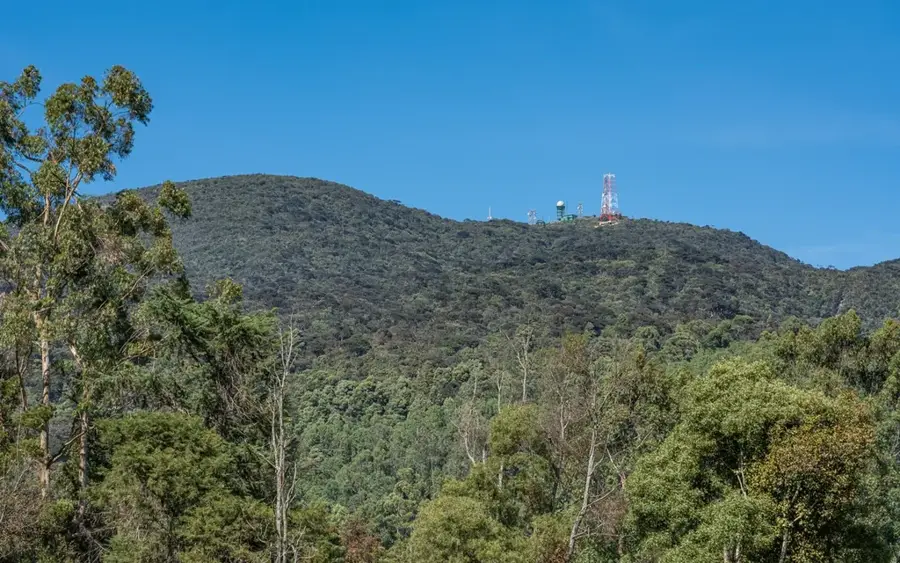
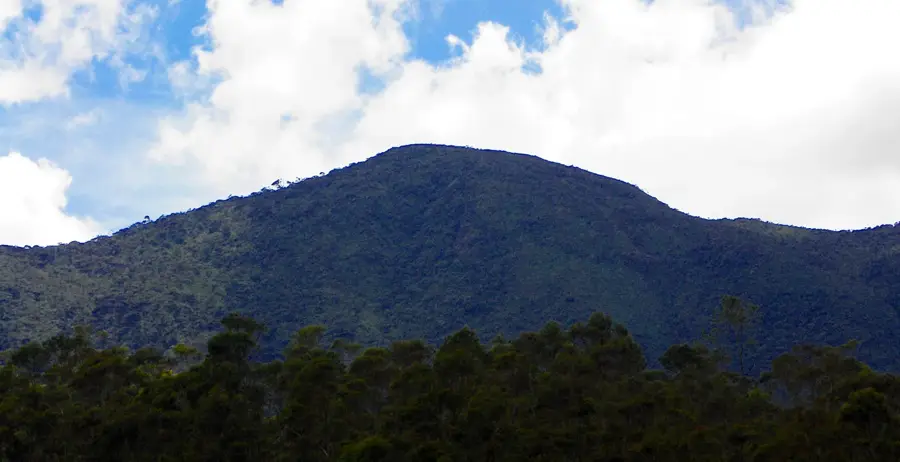
The reserve is visually striking, featuring vast grasslands around a large reservoir, distinctly bordered by denser jungle patches. Since there are absolutely no paved roads inside, off-road vehicles are strictly essential for handling the dusty or muddy tracks.
🎒
What to bring
As visitors are required to stay strictly inside the vehicle, loose, everyday clothing in muted, natural tones is recommended. A powerful pair of binoculars, a camera equipped with a zoom lens, and plenty of drinking water are the most vital tour companions.
🅿️
Parking
Visitors generally park their own private vehicles safely and conveniently at their booked hotels or guesthouses in the local area. Organized safari jeeps then typically pick guests up directly from these accommodations and handle ticket formalities at the gate.
⚠️
Safety
It is strictly forbidden to exit the safari jeep at any point within the park, as roaming wild elephants present an unpredictable risk. Furthermore, all loud sudden noises should be avoided to prevent startling the animals or causing any unnecessary agitation.
⏱️
Time needed
A classic jeep tour across the terrain generally takes around three to four hours, often focusing on the cooler late afternoon hours. Tourists frequently opt to combine this wildlife excursion with a cultural visit to the ancient ruined cities located nearby.

Geography

Coordinates
8.15000, 80.90000

Facts

  • The park was officially established as a national park on April 1, 2002.
  • The Kaudulla Tank was originally constructed in the 3rd century AD.
  • The total protected area covers approximately 6,656 hectares.
  • It serves as a vital wildlife corridor between Minneriya and Wasgamuwa.
  • More than 160 species of birds have been recorded within the park.
  • The peak period for elephant sightings is between August and October.

Explore nearby

Notable places around

Route planner — Car & Motorhome

Where do you start? We build the route here, with stops and country notes along the way.

Vehicle
Only stops with (optional):

© OpenStreetMap contributors · OpenRouteService

Sights in the town Kaudulla National Park (3)

Kaudulla National Park🌿 nature

Kaudulla National Park is a prominent wildlife reserve renowned for its large seasonal gatherings of Asian elephants around the Kaudulla reservoir.

Ralapanawa Nature Reserve🌿 nature

Ralapanawa Nature Reserve is a protected wilderness area near Kaudulla, providing important habitat and roaming corridors for Sri Lankan wildlife.

Buddhist Temple📍 landmark

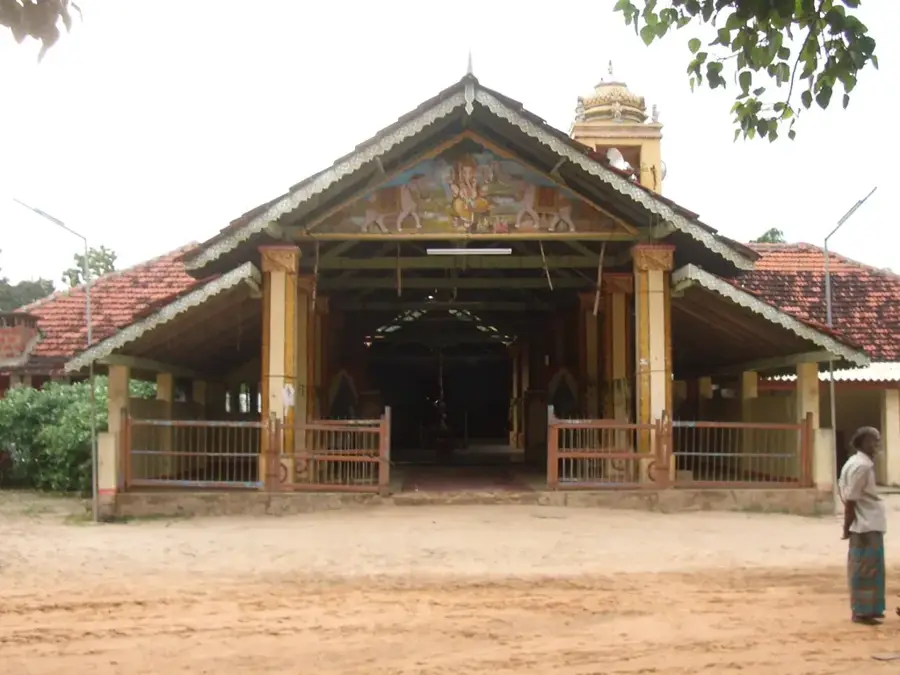
This local Buddhist temple sits near the Kaudulla natural landscapes, providing a quiet place for meditation and community rituals.

Sights nearby

Frequently asked questions

Is Kaudulla less crowded than Minneriya?
Often yes, it's a good alternative if Minneriya is too crowded with tourists.
Which bird species can be observed there?
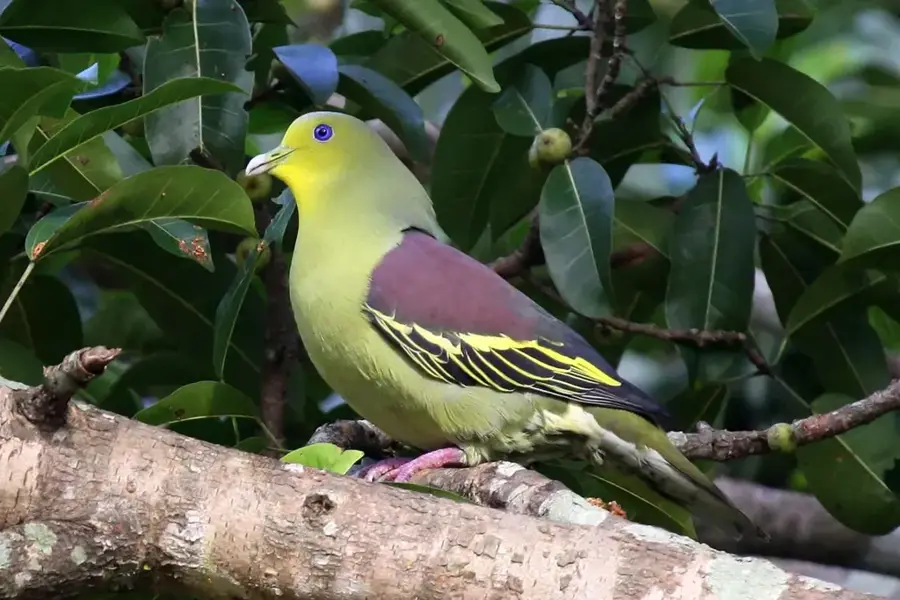
You can frequently see pelicans, storks, and the majestic sea eagle.
What are the road conditions in the park?
The tracks are unpaved and can be very muddy after rain; a 4WD vehicle is necessary.
Can you rent bicycles in the park?
No, the park can only be visited using licensed safari jeeps for safety reasons.
Are there leopards there as well?
Theoretically yes, but sightings are very rare in Kaudulla compared to Yala or Wilpattu.
Kaudulla National Park: where is it located?
Kaudulla National Park is located in Sri Lanka.
Kaudulla National Park: what is there to see?
Highlights include Kaudulla National Park, Ralapanawa Nature Reserve, Buddhist Temple.
Kaudulla National Park: when is the best time to visit?
The most pleasant time to visit is Jun, Aug.
Kaudulla National Park: why is it worth visiting?

Kaudulla National Park was officially designated on April 1, 2002, as the 15th national park in Sri Lanka, covering an area of approximately 6,656 hectares in the Polonnaruwa District.
View on map → The Top 50 Attractions → OpenStreetMap →
Asia
Explore with Plizio Discover more places in Asia
More places in Sri Lanka →

Nearby cities

History & landmarks
Nature
More places