Plizio Visual Lab
Polonnaruwa
ℹ️Practical info — Polonnaruwa
▾
🌤 Weather — 5 days
📍 Nearby
Sights nearby
💡 Tips
- Rent a bicycle to explore the ancient city; the ruins are spread out over a large, flat area.
- Start your sightseeing right at sunrise to avoid the midday heat and the large tour groups.
- Wear slip-on shoes, as you will need to remove your footwear frequently when entering sacred temple grounds.
- Keep a close eye on your belongings and snacks; the resident macaques are notorious for snatching things.
🍽 Food
Caught fresh from the Parakrama Samudra; try it fried or curried at the guesthouses nearby.
Many local homes and small restaurants offer buffets with banana blossoms, lotus root, and distinct regional spices.
Head to the 'new town' area after dark to hear the rhythmic chopping of this classic Sri Lankan street food.
🛍 Shopping · 🧘 Quiet spots
Look for workshops on the main road outside the archaeological park where artisans carve intricate masks and elephants.
Well-suited for grabbing a refreshing papaya or sweet bananas before or after exploring the hot ruins.
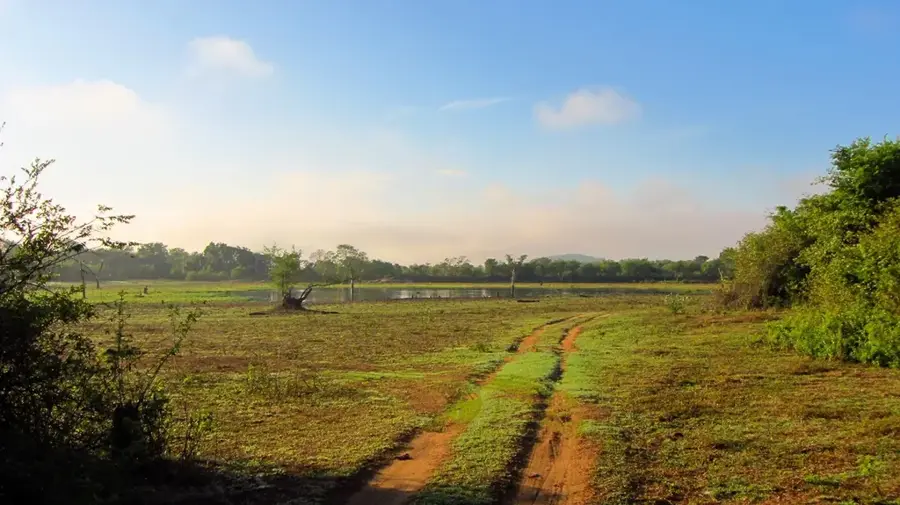
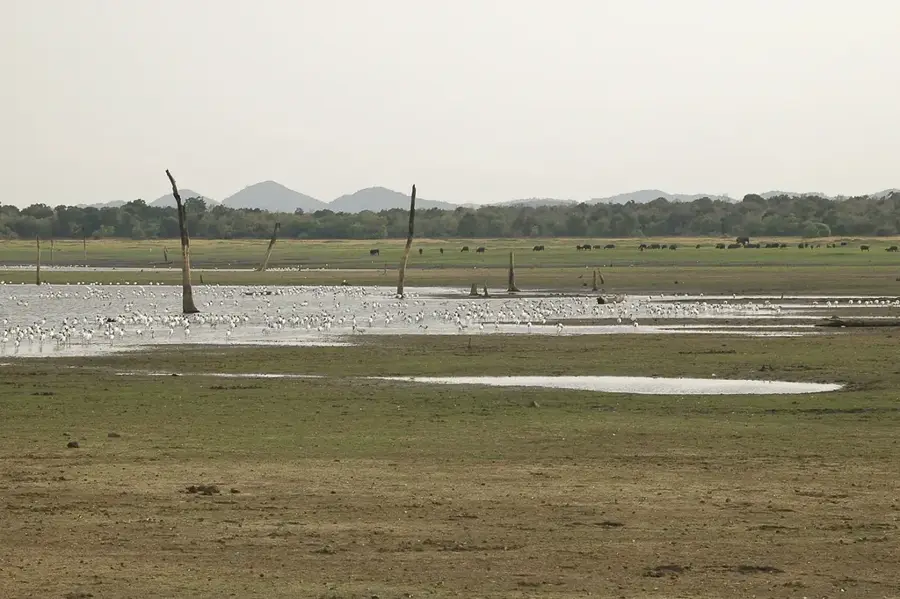
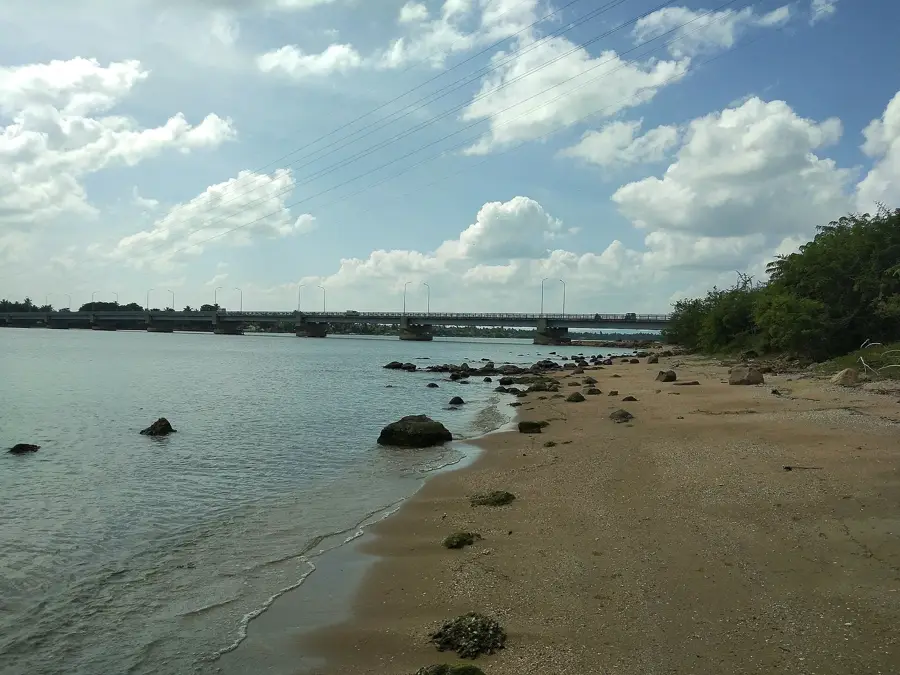
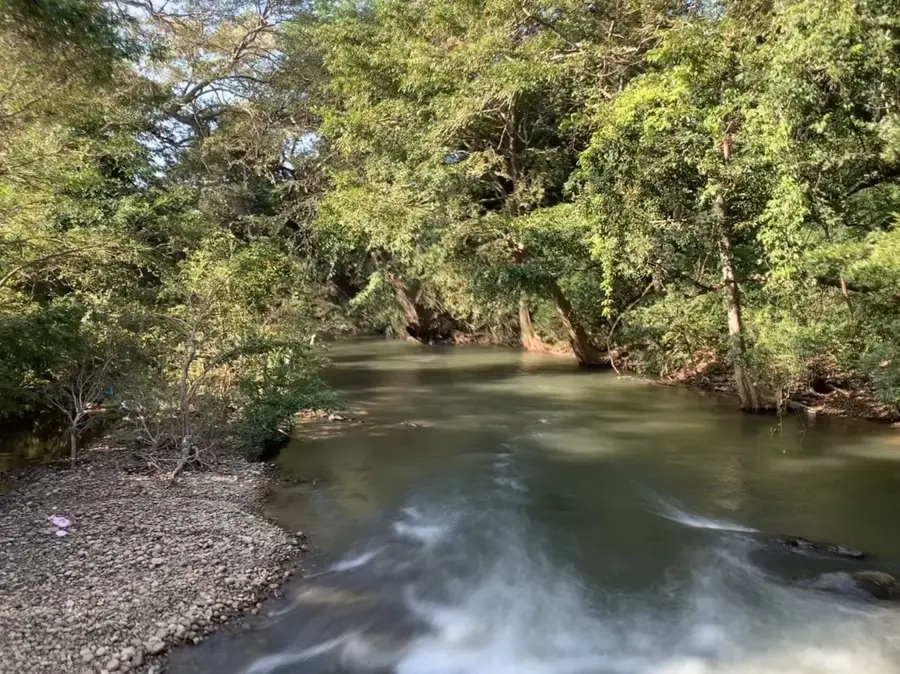
Walk along the massive ancient earthwork dam of the Parakrama Samudra at sunset for a peaceful, breezy experience.
Located further south from the main ruins, this ancient monastery is often overlooked by large tours and remains very tranquil.
Water temperature…
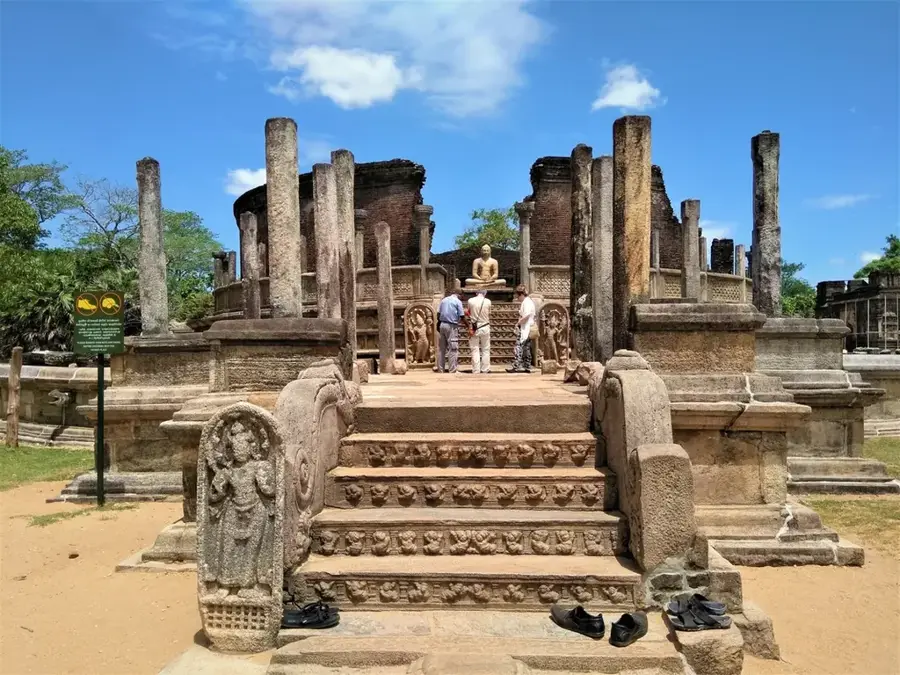
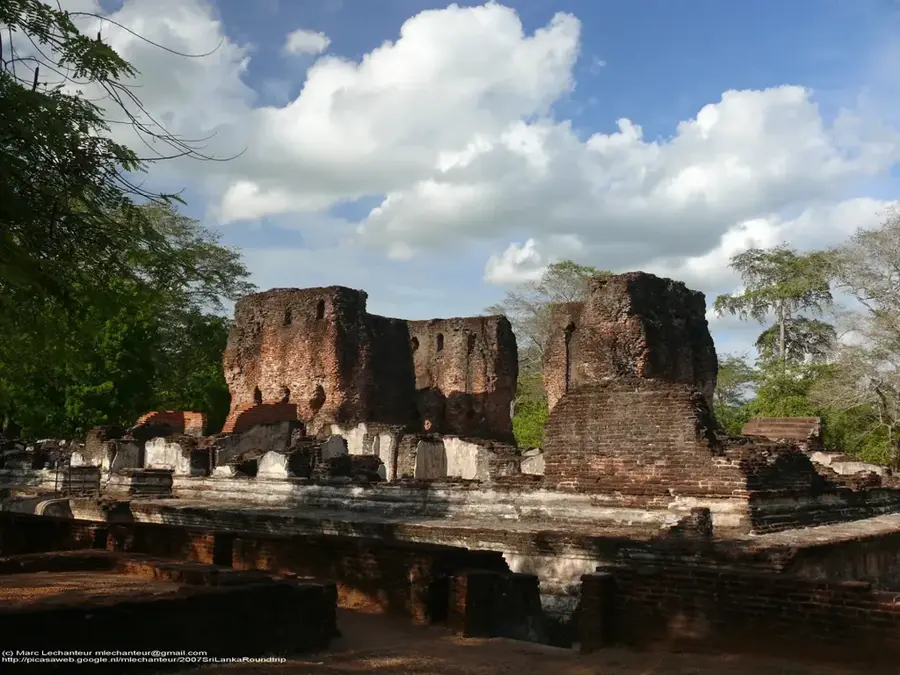
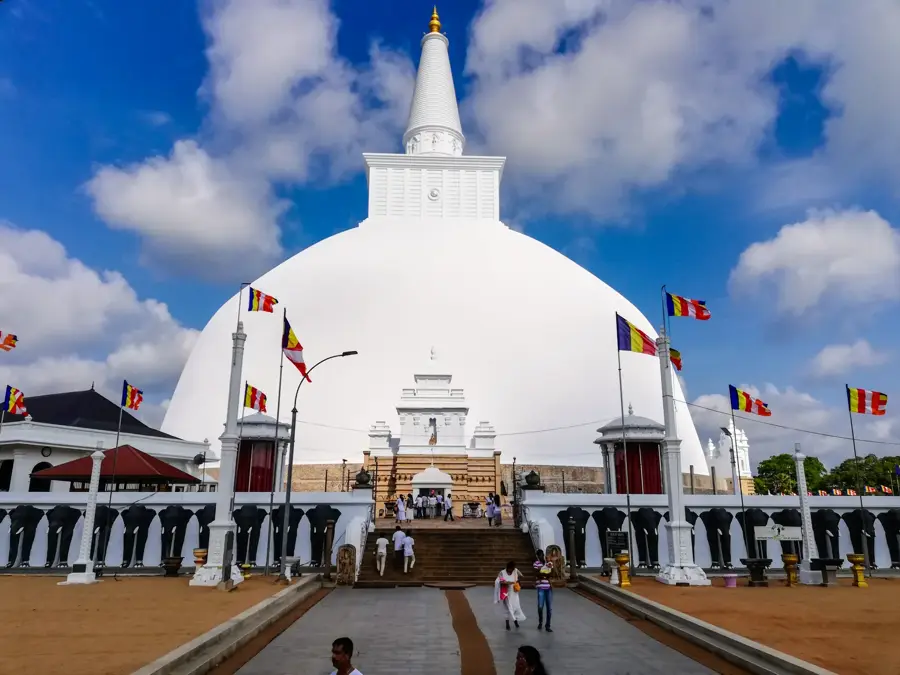
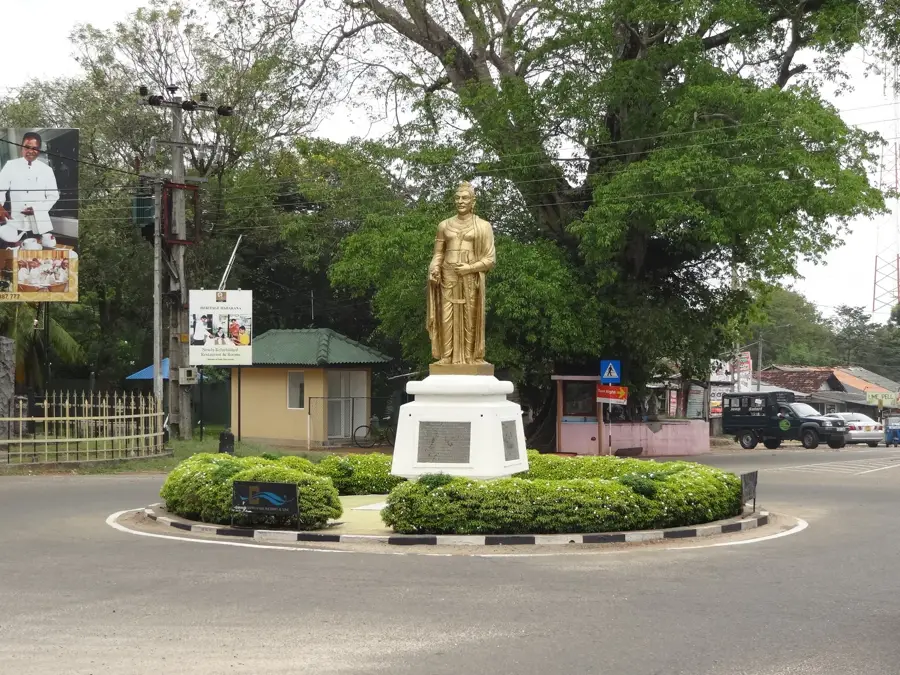
Polonnaruwa served as the second capital of Sri Lanka from the 11th to the 13th century and is now a UNESCO World Heritage site. Following the decline of Anuradhapura, Chola invaders made Polonnaruwa their capital before King Vijayabahu I recaptured it in 1070. The city reached its golden age under Parakramabahu I, who commissioned monumental buildings and the massive Parakrama Samudraya irrigation tank. The archaeological site is famous for the Gal Vihara, featuring four monumental Buddha statues carved from a single granite rock, and the sacred Quadrangle complex. Geographically, it is located in the dry zone of the North Central Province, emphasizing the historical importance of ancient reservoirs for agriculture. Today, modern Polonnaruwa is a vital rice-growing hub and a major destination for international cultural tourism. The ruins represent the height of medieval Sri Lankan urban planning and artistic achievement.
- Location: Sri Lanka
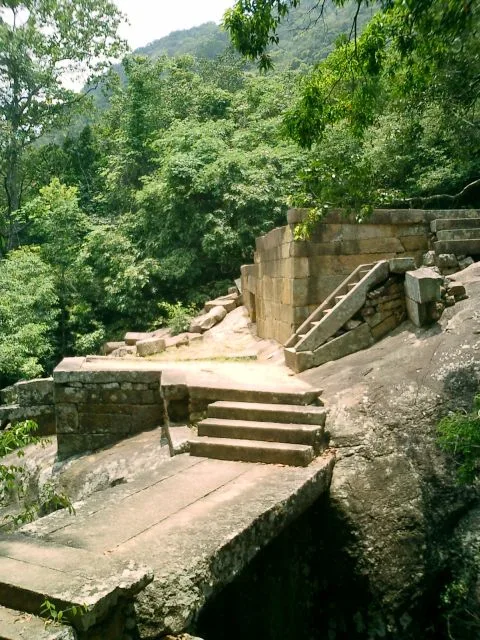
- Top sights: Alahana Pirivena · Polonnaruwa Quadrangle · Kumara Pokuna
- Nearby: Bandarawela (19 km)
- Population: ~13.900 (2022)
Best time to visit & climate
The most pleasant time to visit is Jun–Aug.
| Jan | Feb | Mar | Apr | May | Jun | Jul | Aug | Sep | Oct | Nov | Dec | |
|---|---|---|---|---|---|---|---|---|---|---|---|---|
| Avg °C | 25 | 26 | 27 | 29 | 29 | 28 | 28 | 29 | 29 | 28 | 26 | 25 |
| Rain mm | 152 | 113 | 86 | 120 | 106 | 35 | 37 | 50 | 80 | 222 | 331 | 331 |
Geography
Facts
- Polonnaruwa was designated a UNESCO World Heritage site in 1982.
- The Parakrama Samudraya reservoir covers an expansive area of approximately 25 sq km.
- The Gal Vihara statues were carved from a single granite wall in the 12th century.
- The city remained under the rule of the South Indian Chola dynasty until 1070.
- The Vatadage in the sacred Quadrangle is one of the best-preserved structures in the city.
- King Parakramabahu I's palace is said to have originally stood seven stories high.
Explore nearby
Notable places around
Route planner — Car & Motorhome
Where do you start? We build the route here, with stops and country notes along the way.
© OpenStreetMap contributors · OpenRouteService
Sights in the town Polonnaruwa (4)
Frequently asked questions
What is Gal Vihara in Polonnaruwa?
What is the best way to explore the ruins?
How much time should be allocated?
Are the ruins well-preserved?
What is Parakrama Samudra?
Polonnaruwa: where is it located?
Polonnaruwa: what is there to see?
Polonnaruwa: when is the best time to visit?
Polonnaruwa: why is it worth visiting?

Nearby cities
History & landmarks
Nature
More places