Plizio Visual Lab

Yapahuwa Rock Fortress
Plizio editorial teamData Sources
ruin
—°7
Yapahuwa Rock Fortress (Sri Lanka)

Weather…

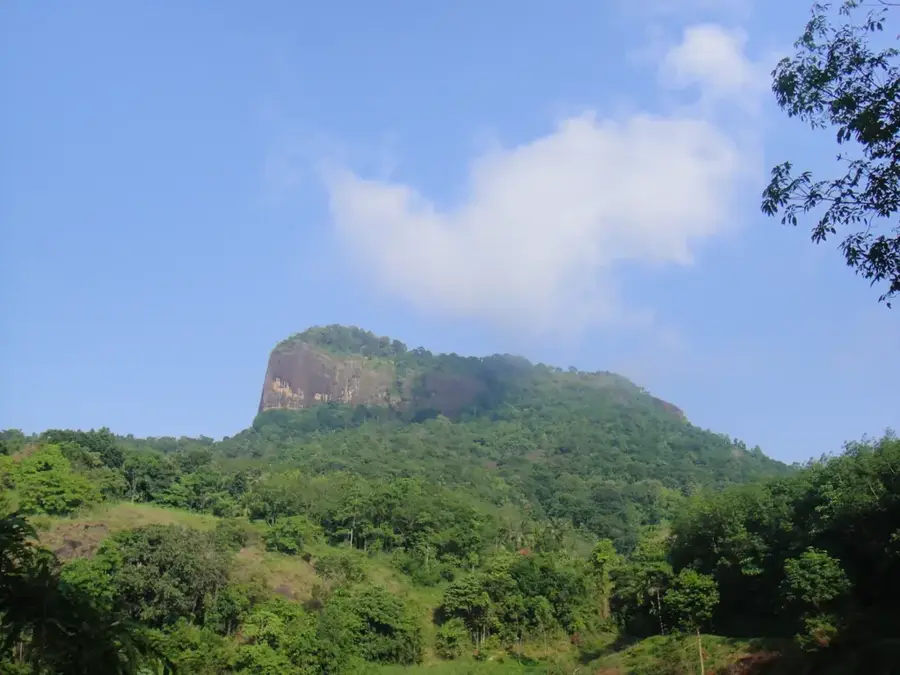
Yapahuwa served as the short-lived capital of Sri Lanka in the late 13th century, acting as a formidable rock fortress during a period of intense political instability. Following the decline of Polonnaruwa, King Buvanekabahu I (1272-1284) moved the seat of government to this massive 90-meter-high granite outcrop, where he housed the sacred Tooth Relic of the Buddha. The site is world-renowned for its magnificent ornamental stone staircase, which features intricate carvings of lions, musicians, and dancers, leading to the former palace terrace. The architectural style heavily reflects South Indian influences, showcasing the cross-cultural exchanges prevalent during the medieval period. In 1284, the fortress was captured by a Pandyan invading force from India, who seized the sacred Tooth Relic, leading to the site's eventual abandonment as a capital. Today, the ruins of the palace, the defensive moats, and the inner and outer walls remain as a significant archaeological monument, offering a glimpse into the strategic military architecture and royal history of medieval Sri Lanka.

Best time to visit & climate

The most pleasant time to visit is Jan, Feb, Jul.

JanFebMarAprMayJunJulAugSepOctNovDec
Avg °C242527282827272727272524
Rain mm91728614511442385587230273238

📋 Practical info

🚪
Visiting
The extensive ruins and the iconic stone stairway are fully open for visitors to explore and climb. Reaching the very top involves navigating steep, uneven steps, which rewards you with sweeping panoramic views.
🕒
Typical hours
The site is generally accessible from early morning until sunset throughout the week. Exploring the fortress is strongly recommended in the cooler morning hours to avoid the intense midday sun on the exposed rock.
📷
Photography
The monumental staircase flanked by intricate stone lions is the ultimate photographic highlight of the site. Drone photography is typically restricted, but the elevated vantage points offer spectacular landscape shots.
⏱️
Time needed
Allow approximately one and a half to two hours to comfortably ascend the stairs, explore the ancient foundations, and descend. Those deeply interested in historical architecture may find themselves lingering longer at the top.
Combine with
This destination makes an excellent stopover when traveling between the cultural triangle cities of Kurunegala and Anuradhapura. You can seamlessly combine it with a visit to the less-crowded Ridi Viharaya temple complex.
🧭
Getting there
The site is situated off the main tourist routes, so hiring a private driver or taking a tuk-tuk from the nearest town is advisable. There is a designated parking area near the entrance where the short trail begins.
💡
Insider tip
The stone steps are extremely steep and narrow, so wear sturdy footwear with a very good grip. Keep a respectful distance from the monkeys that roam the area, and ensure your loose belongings are securely packed.

Geography

Coordinates
7.76670, 80.30130

Facts

  • Capital of Sri Lanka during the reign of Buvanekabahu I (1272–1284).
  • The rock fortress rises roughly 90 meters above the surrounding plain.
  • Famous for its highly decorative stone staircase with lion motifs.
  • The sacred Tooth Relic was enshrined here for over a decade.
  • Invaded and captured by the Pandyan army of South India in 1284.
  • Archaeological finds include Chinese ceramics, indicating trade links.

Explore nearby

Notable places around

Route planner — Car & Motorhome

Where do you start? We build the route here, with stops and country notes along the way.

Vehicle
Only stops with (optional):

© OpenStreetMap contributors · OpenRouteService

Sights in the town Yapahuwa Rock Fortress (7)

Kondadeniya Rajamaha Viharaya🌿 nature

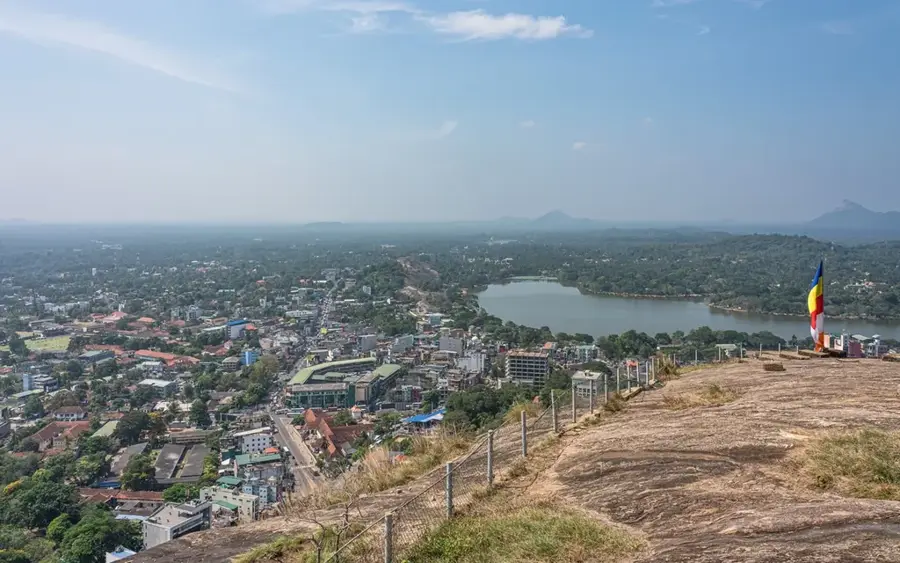
An ancient royal temple on a hill offering panoramic views over the Yapahuwa valley.

Yapahuwa🏺 historical

The ruins of a 13th-century rock fortress, famous for its steep, ornately carved stone staircase.

Temple📍 landmark

A Buddhist temple at the base of the Yapahuwa rock, easily accessible to visitors of the historical site.

Nagamaali Chethiyarama Rajamaha Viharaya📍 landmark

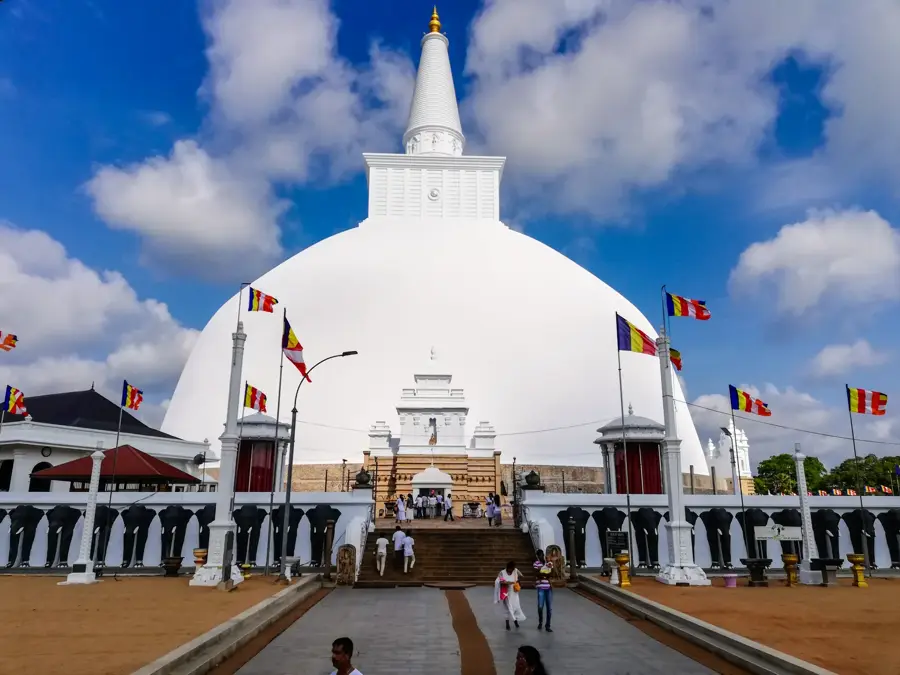
A royal Buddhist monastery featuring ancient stone foundations and a serene environment.

Rideebendiella Eyyanayake Devalaya⛪ religious

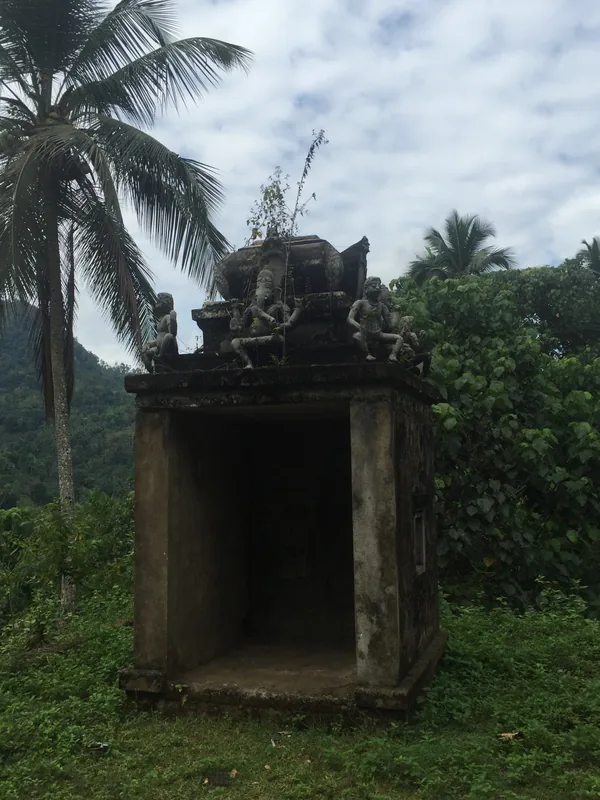
A traditional shrine dedicated to the deity Eyyanayake, the protector of local waterways.

Araliyagala Temple📍 landmark

A Buddhist temple that blends harmoniously into the rocky landscape of Yapahuwa.

Kaikawala Rajamaha Viharaya⛪ religious

A historic Buddhist place of worship distinguished by its royal patronage and religious significance.

Sights nearby

Frequently asked questions

Why should you visit Yapahuwa?
For its steep, magnificently decorated staircase and the panoramic view.
What was Yapahuwa in the past?
It served briefly as the capital of Sri Lanka in the 13th century.
How many steps does the staircase have?
There are several sections leading steeply to the top; be careful in the heat.
Where is Yapahuwa located?
About 4 km east of Maho town in the Kurunegala district.
Are there many tourists there?
It is usually much quieter than Sigiriya and is considered a low-key spot.
Yapahuwa Rock Fortress: where is it located?
Yapahuwa Rock Fortress is located in Sri Lanka.
Yapahuwa Rock Fortress: what is there to see?
Highlights include Kondadeniya Rajamaha Viharaya, Yapahuwa, Temple.
Yapahuwa Rock Fortress: when is the best time to visit?
The most pleasant time to visit is Jan, Feb, Jul.
Yapahuwa Rock Fortress: why is it worth visiting?

Yapahuwa served as the short-lived capital of Sri Lanka in the late 13th century, acting as a formidable rock fortress during a period of intense political instability.
View on map → The Top 50 Attractions → OpenStreetMap →
Asia
Explore with Plizio Discover more places in Asia
More places in Sri Lanka →

Nearby cities

History & landmarks
Nature

More places