Plizio Visual Lab

Klasies River Caves
Plizio editorial teamData Sources
Historical site
—°1
Klasies River Caves (South Africa)

Weather…

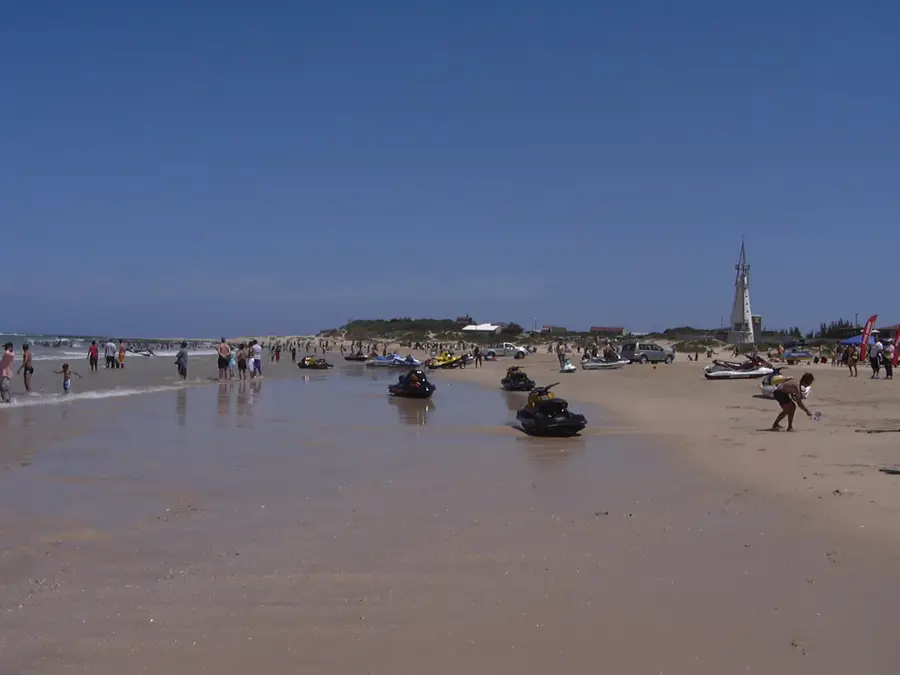
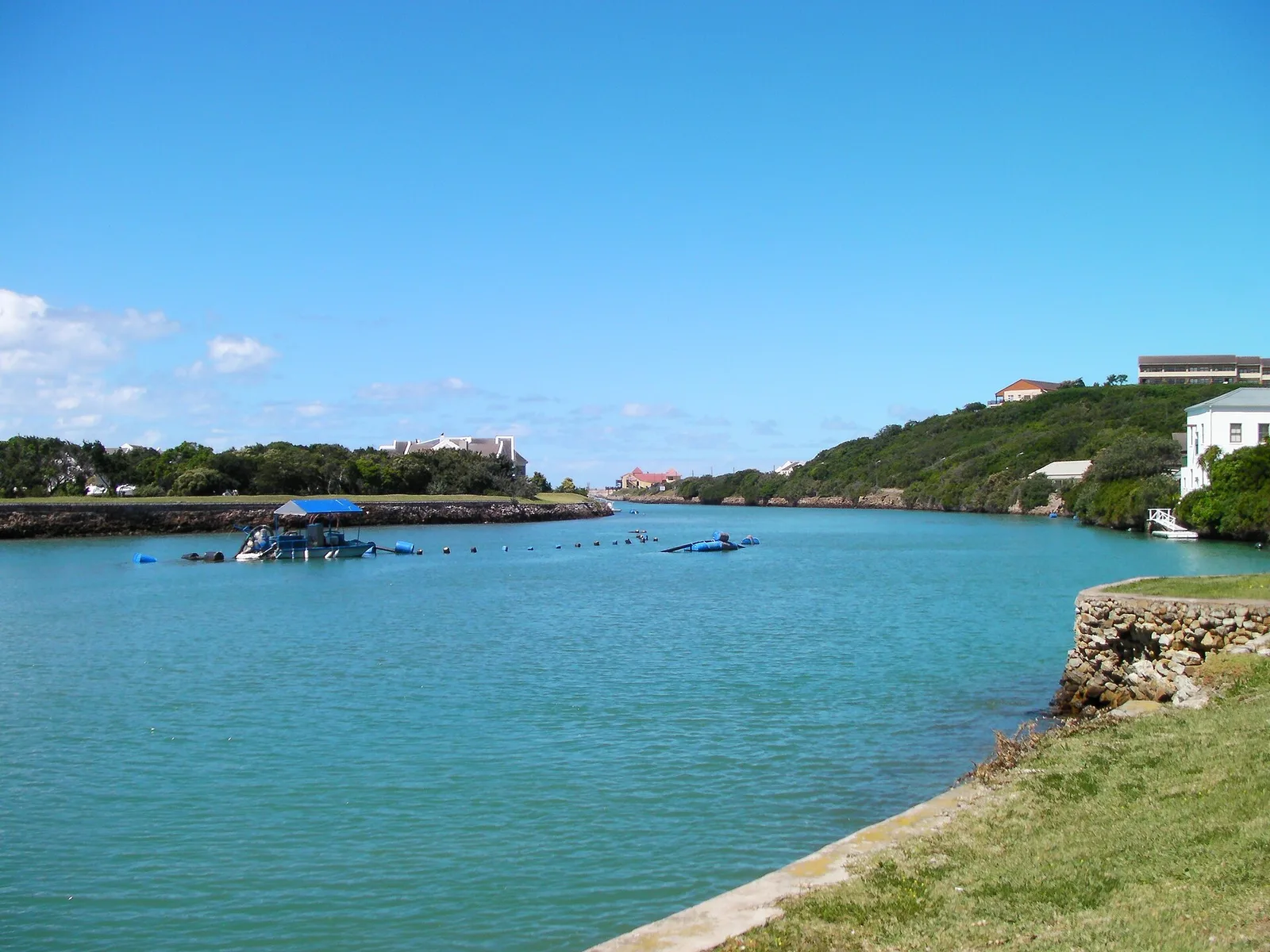
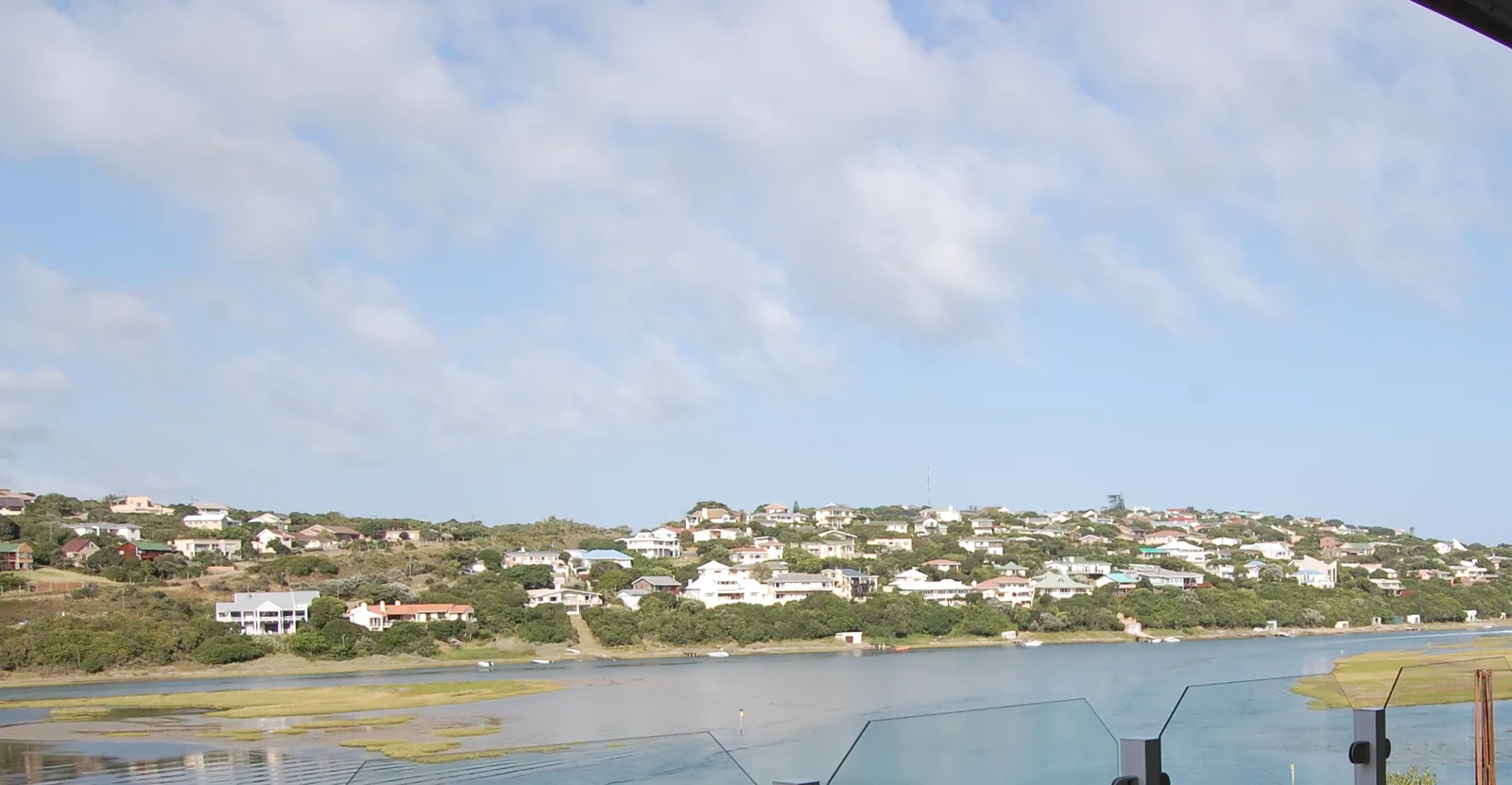
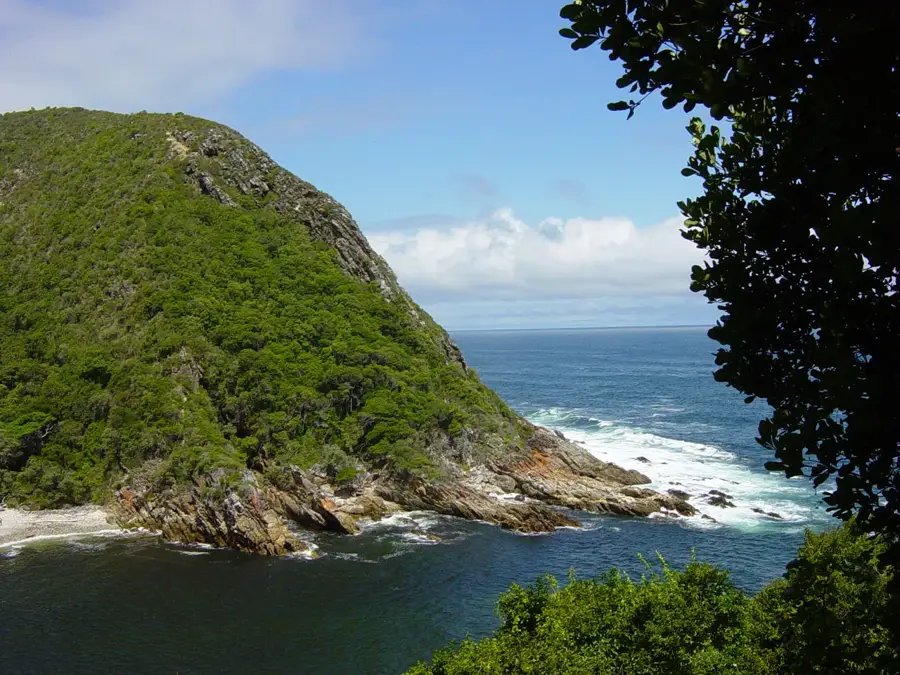
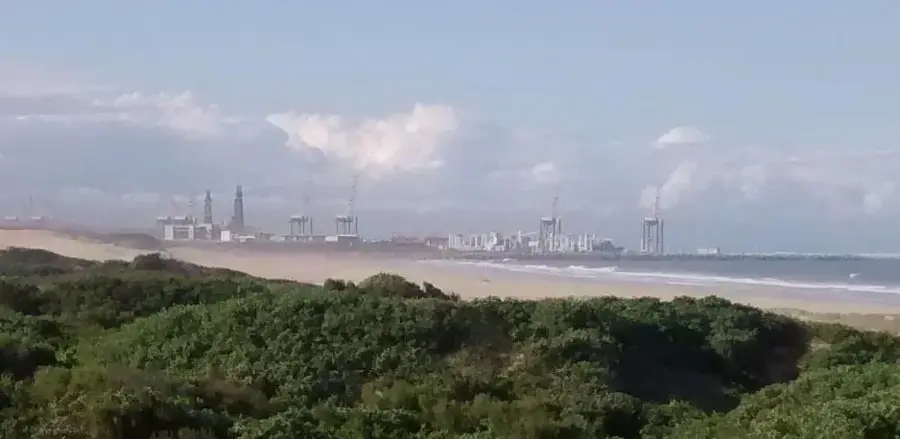
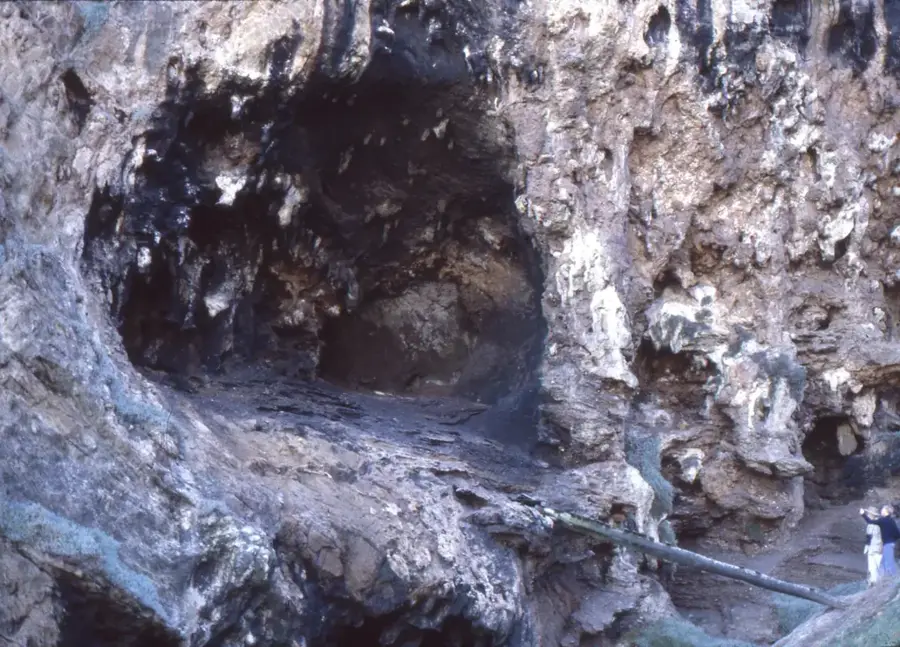
The Klasies River Caves, situated on the Tsitsikamma coast in the Eastern Cape, are among the world's most significant archaeological sites for understanding the emergence of anatomically modern humans. This series of caves contains a deep stratigraphic record dating back over 125,000 years, providing evidence of continuous human occupation through various climatic phases. Some of the oldest human remains displaying modern physical features were discovered here, reinforcing the 'Out of Africa' hypothesis of human origins. Excavations have revealed sophisticated behavioral traits, such as the controlled use of fire, the systematic harvesting of marine resources, and organized hunting of large mammals like eland. The site also yielded early examples of bone tools and evidence of symbolic behavior. Due to its remote coastal location, the deposits have remained remarkably intact, offering scientists a clear window into Middle Stone Age life. Today, it is a National Heritage Site and is on the tentative list for UNESCO World Heritage status due to its universal scientific significance.

Best time to visit & climate

The most pleasant time to visit is Jan, Feb, Dec.

JanFebMarAprMayJunJulAugSepOctNovDec
Avg °C222220181614141415171820
Rain mm454860483232395239515542

📋 Practical info

🚪
Visiting
Visiting the Klasies River Caves generally requires navigating rough coastal terrain along the Tsitsikamma coast, and the caves themselves are often viewed from the outside. Because of their immense archaeological sensitivity, physical entry into the excavation sites is heavily restricted.
🕒
Typical hours
Being a natural coastal feature, the area is technically accessible during daylight hours, but guided specialized tours are the only practical way to see them properly. It is entirely unsafe and generally prohibited to attempt visiting the area after sunset or during high tides.
📷
Photography
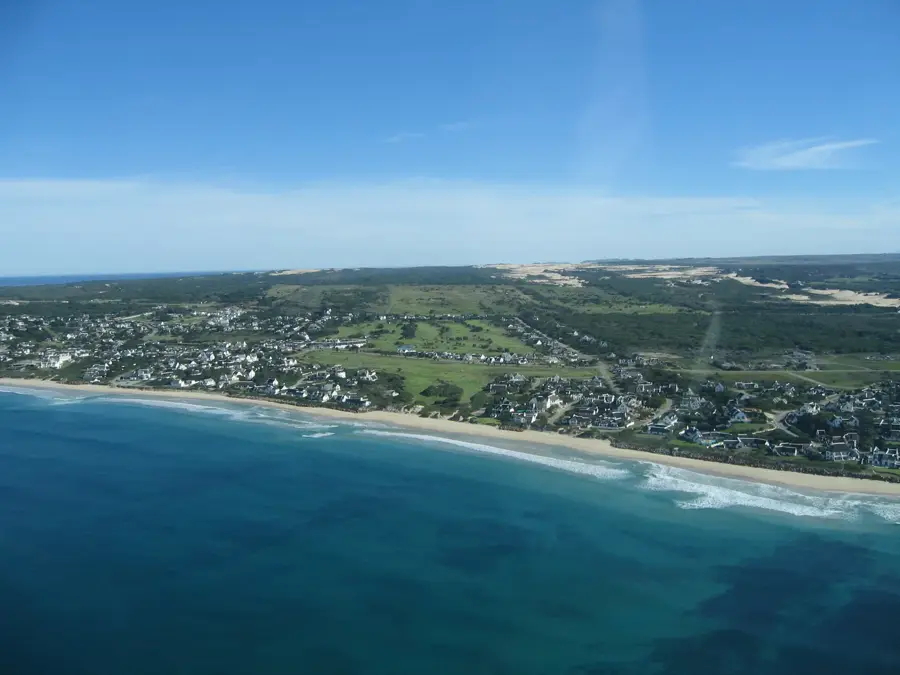
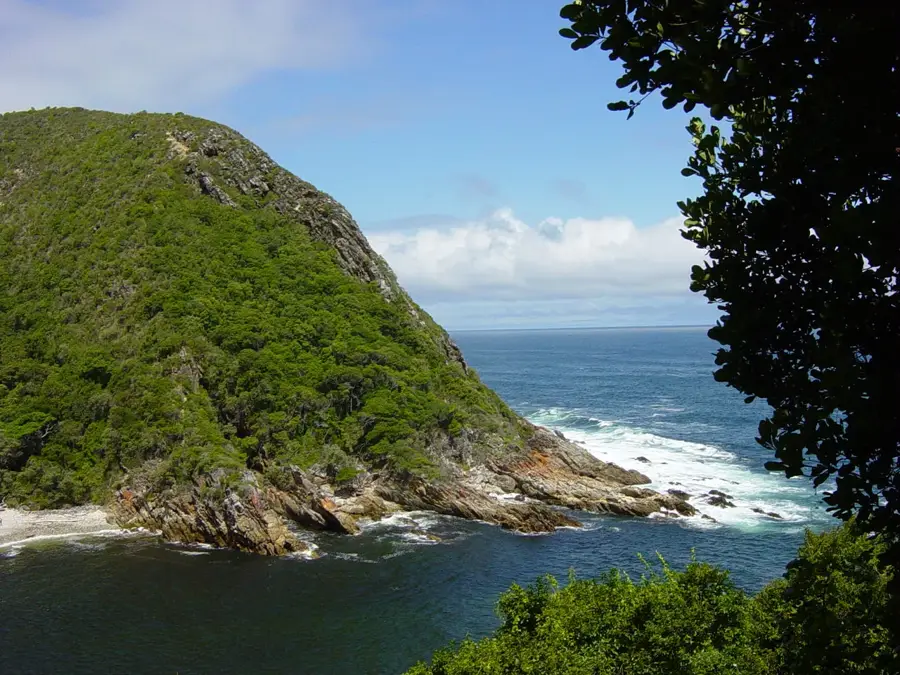
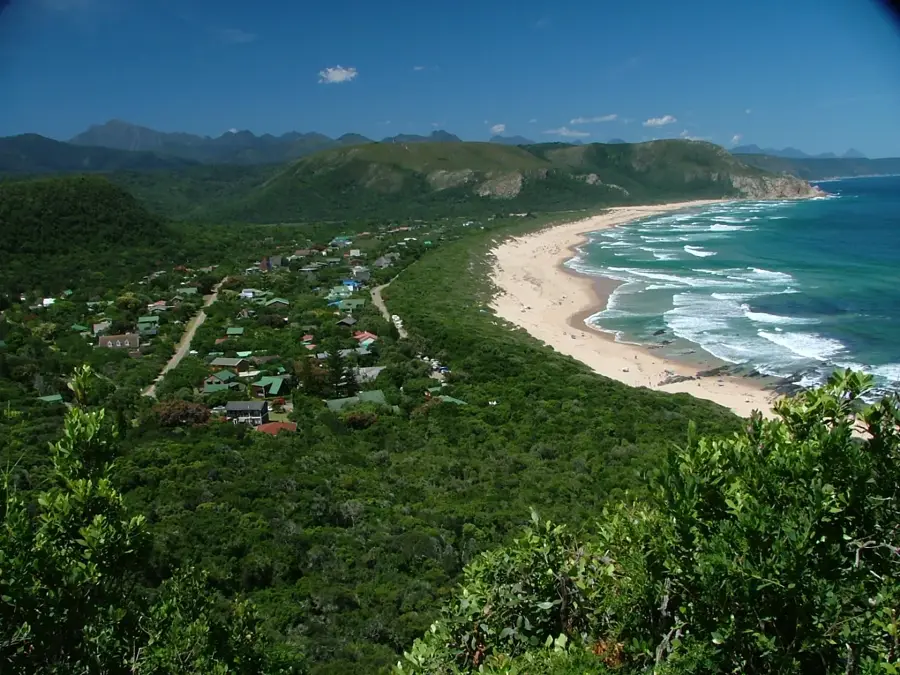
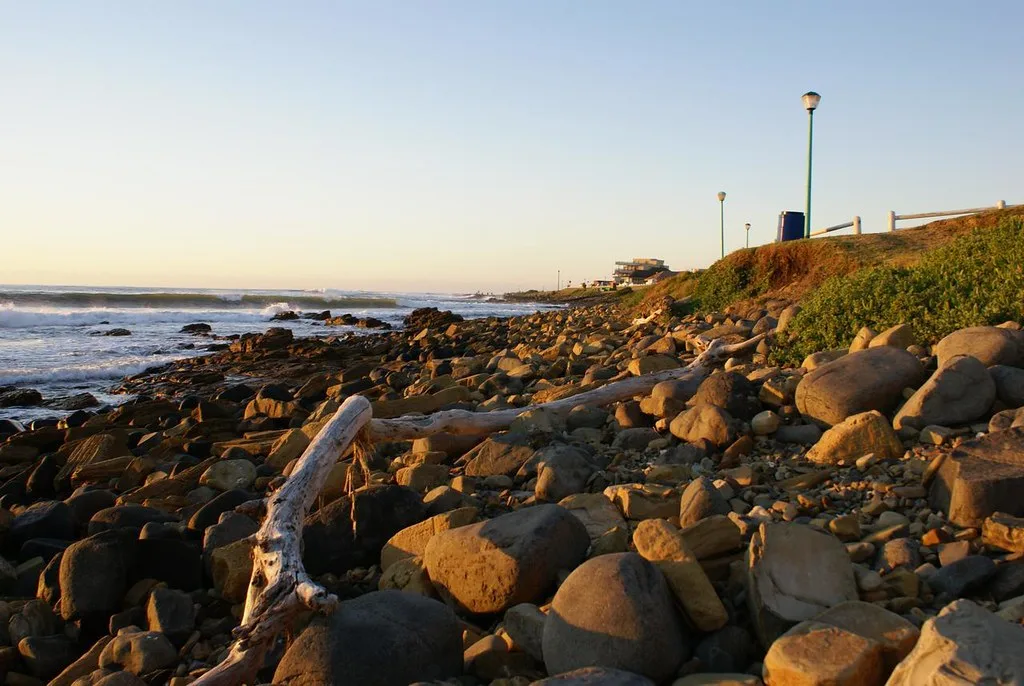
The dramatic, rugged coastline and the gaping cave mouths facing the ocean provide extraordinary landscape photography opportunities along the trail. Always ensure your camera equipment is securely packed to protect it from sudden sea spray and strong ocean winds.
⏱️
Time needed
A proper excursion usually takes a full half-day, considering the challenging hike required to reach the vicinity of the caves and safely return. The difficult coastal walking conditions mean you should never rush the journey just to save time.
Combine with
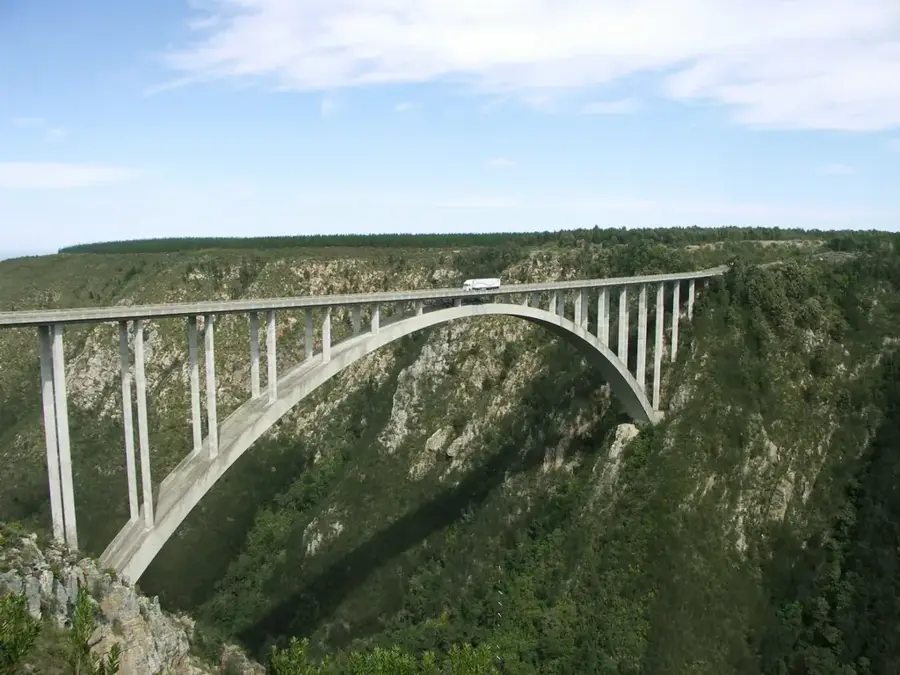
This trip is often combined with exploring the greater Tsitsikamma National Park, renowned for its spectacular suspension bridges, indigenous forests, and coastal trails. The wider Garden Route features numerous other nature reserves and scenic viewpoints nearby.
🧭
Getting there
Reaching the site independently is exceptionally difficult and strictly discouraged; visitors must usually join authorized archaeological or eco-tourism operators from nearby towns. The hiking trail involves scrambling over sharp coastal rocks and navigating steep, unmarked sections.
💡
Insider tip
Because the coastal weather is notoriously unpredictable, wear layers of clothing, bring a waterproof jacket, and ensure you have specialized, high-grip hiking boots. Always consult local guides about the tide schedules, as rising waters can swiftly cut off your return route.

Geography

Coordinates
-34.10000, 24.38330

Facts

  • The oldest human fossils found at the site date back approximately 120,000 years.
  • The first large-scale archaeological excavations began in 1967, led by Ronald Singer.
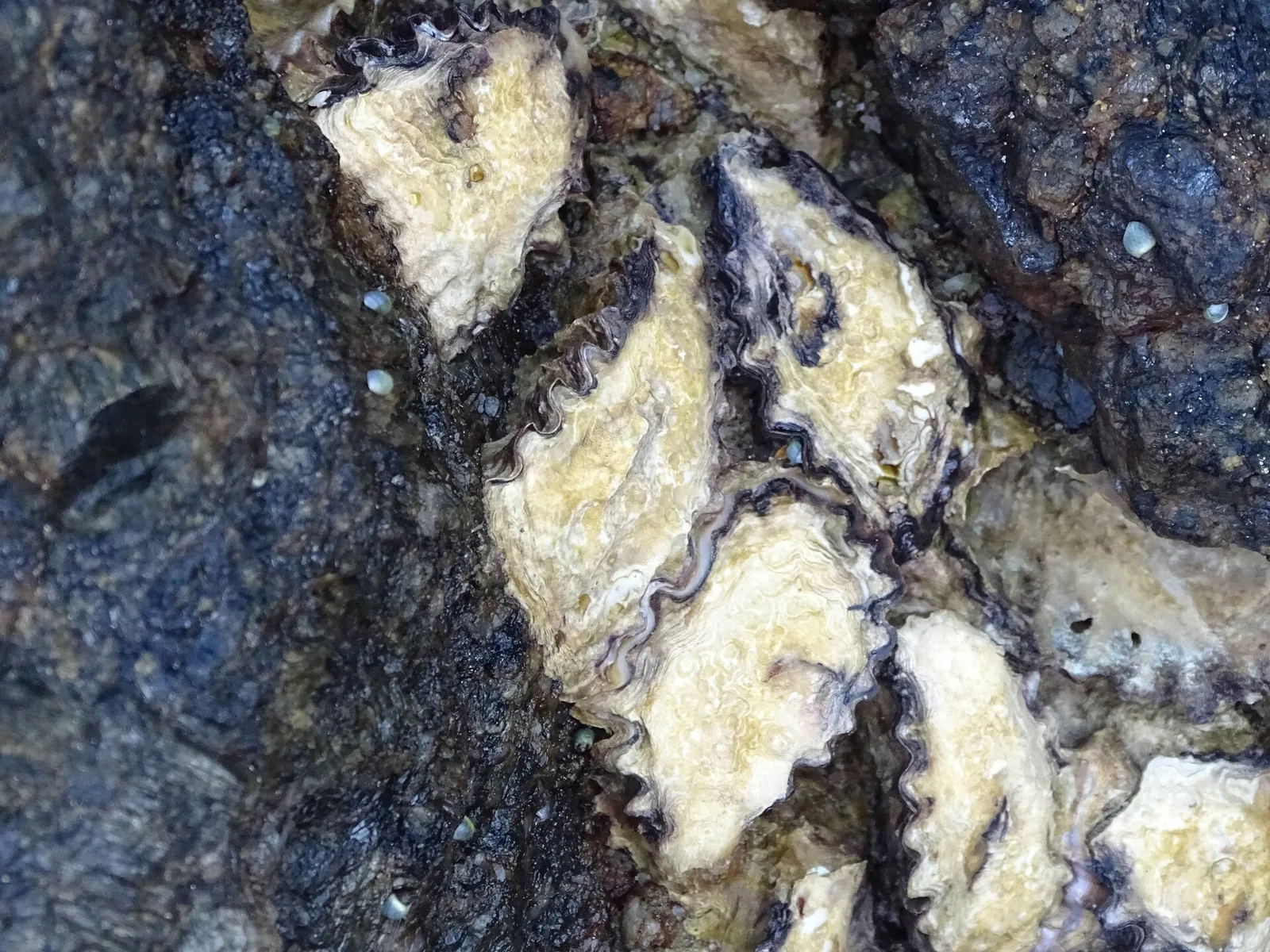
  • More than 100,000 shell remains have been recovered from the ancient middens.
  • The site provides the earliest evidence for humans systematically exploiting marine foods.
  • Bones from over 40 different animal species have been identified in the cave deposits.
  • The caves are located within the Tsitsikamma section of the Garden Route National Park.

Explore nearby

Notable places around
Route planner — Car & Motorhome

Where do you start? We build the route here, with stops and country notes along the way.

Vehicle
Only stops with (optional):

© OpenStreetMap contributors · OpenRouteService

Sights in the town Klasies River Caves (1)

Kareedouw Natural Heritage Site🌿 nature

Kareedouw Natural Heritage Site is a dedicated conservation area preserving the region's unique indigenous flora and landscapes.

Sights nearby

Frequently asked questions

Can I visit the Klasies River Caves?
The site has limited access due to ongoing research; tours require prior coordination.
Where are the caves exactly?
They are located on the Eastern Cape coast, west of Humansdorp.
What is there to see?
Mainly archaeological sites that offer insights into the Stone Age.
Do I need special equipment?
Sturdy footwear is essential as access to the coast is often difficult.
What is the best time of year?
Summer and early autumn, when the weather is dry and the sea is calmer.
Klasies River Caves: where is it located?
Klasies River Caves is located in South Africa.
Klasies River Caves: when is the best time to visit?
The most pleasant time to visit is Jan, Feb, Dec.
Klasies River Caves: why is it worth visiting?

The Klasies River Caves, situated on the Tsitsikamma coast in the Eastern Cape, are among the world's most significant archaeological sites for understanding the emergence of anatomically modern humans.
View on map → The Top 50 Attractions → OpenStreetMap →
Africa
Explore with Plizio Discover more places in Africa
More places in South Africa →

Nearby cities

History & landmarks

More places