Plizio Visual Lab
Addo
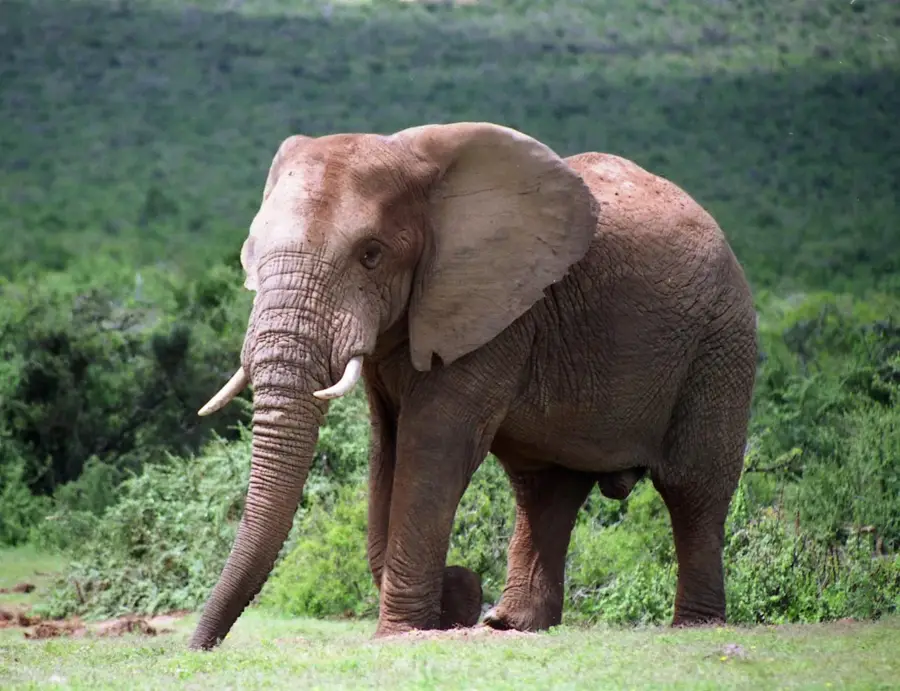
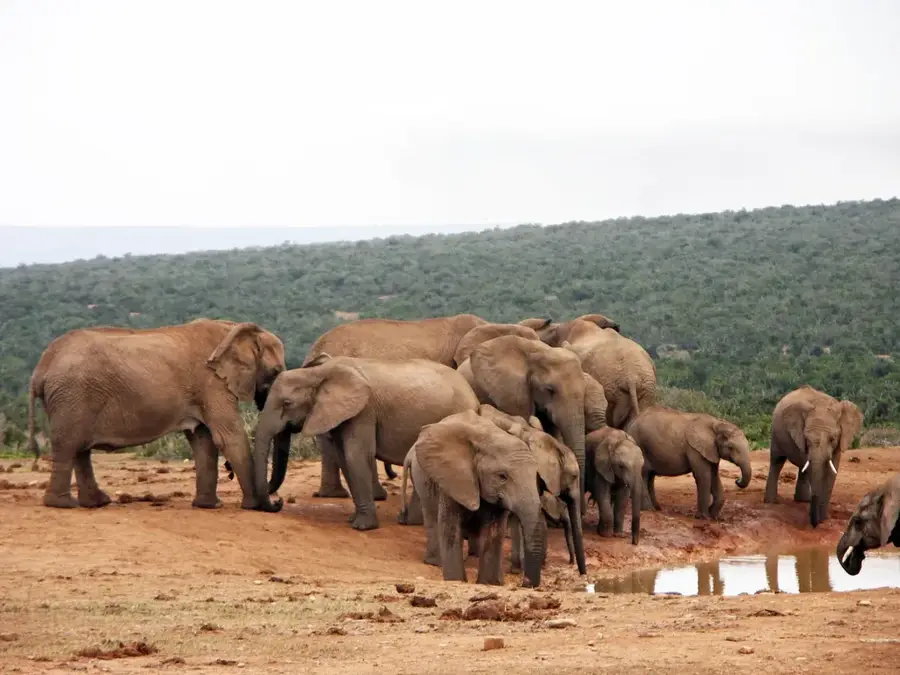
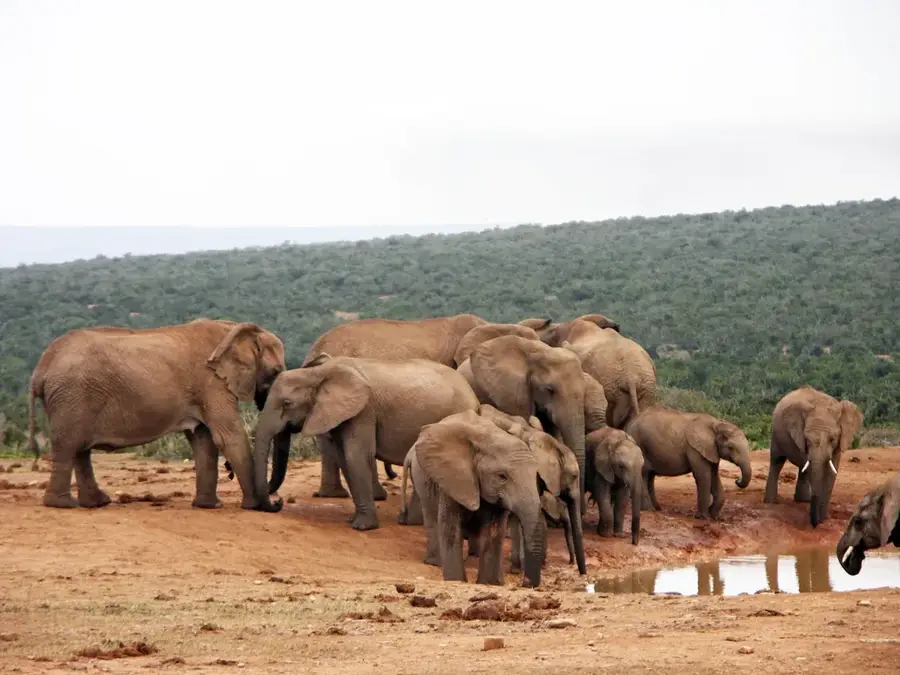
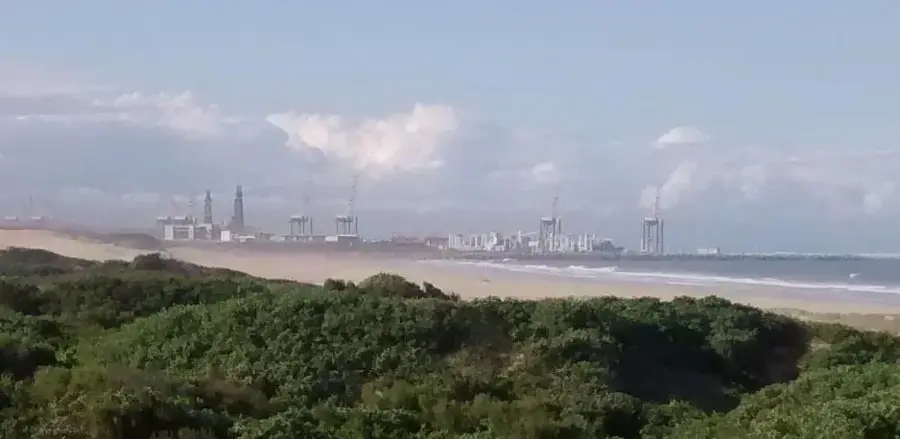
Addo is the pulsating heart of nature conservation in the Eastern Cape, primarily known as the home of the Addo Elephant National Park. Originally established in 1931 to protect the last eleven elephants in the region, the park now hosts over 600 of these gentle giants. It is uniquely famous for being home to the 'Big Seven', lions, leopards, buffaloes, rhinos, elephants, as well as the great white shark and the southern right whale in its marine sections. The landscape is characterized by the dense Addo Bush, a unique succulent-rich vegetation providing a convenient habitat for diverse wildlife. Visitors can explore the park on guided game drives or self-drive safaris, where waterholes often become the stage for spectacular elephant gatherings. Beyond wildlife, the Sundays River Valley in Addo is one of South Africa's largest citrus-producing areas, filling the air with the scent of orange blossoms in spring. Adventure seekers can enjoy activities such as ziplining over the Sundays River or canoeing in its calm waters. Addo is located about 70 kilometers north of Gqeberha and is easily accessible via well-maintained roads. As a malaria-free destination, it is particularly popular with families. The best time for wildlife viewing is during the dry winter months from June to August when animals congregate at water sources.
- Location: South Africa
- Top sights: Hapoor Dam Viewpoint · Spekboom Hide · Marion Baree Waterhole
- Nearby: Kariega (39 km)
- Population: ~7.475 (2024)
📋 Practical info
Geography
Facts
- South Africa's third-largest national park.
- Home to over 600 African elephants.
- The only park to host the 'Big Seven'.
- A premier malaria-free safari destination.
- Major hub for South Africa's citrus industry.
- Home to the rare flightless dung beetle.
- Located near the city of Gqeberha (Port Elizabeth).
- Features Africa's longest double zipline.
Explore nearby
Notable places around
Route planner — Car & Motorhome
Where do you start? We build the route here, with stops and country notes along the way.
© OpenStreetMap contributors · OpenRouteService
Sights in the town Addo (3)
Sights nearby
Frequently asked questions
Addo: where is it located?
Addo: what is there to see?
Addo: why is it worth visiting?

Nearby cities




History & landmarks

More places