Plizio Visual Lab
Idrija Mercury Mine
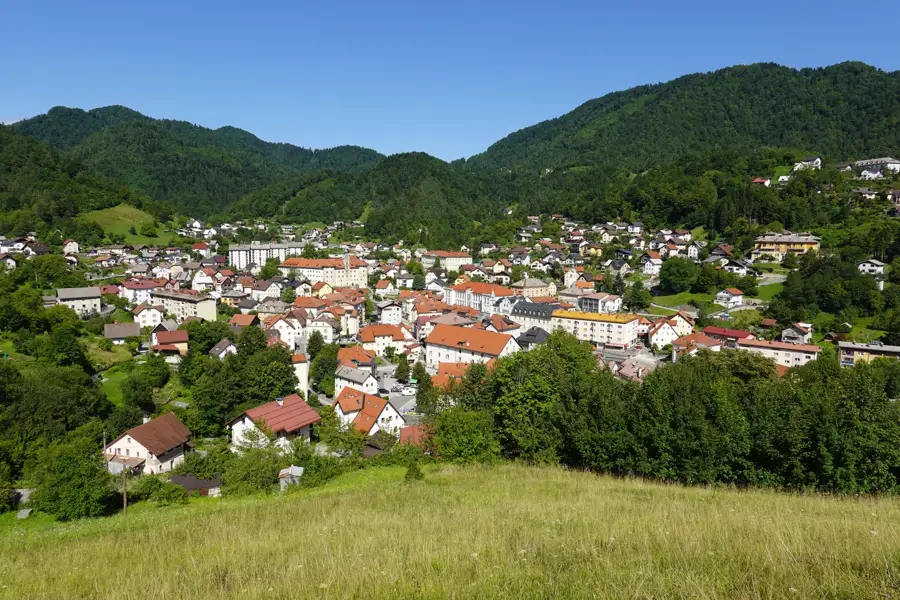
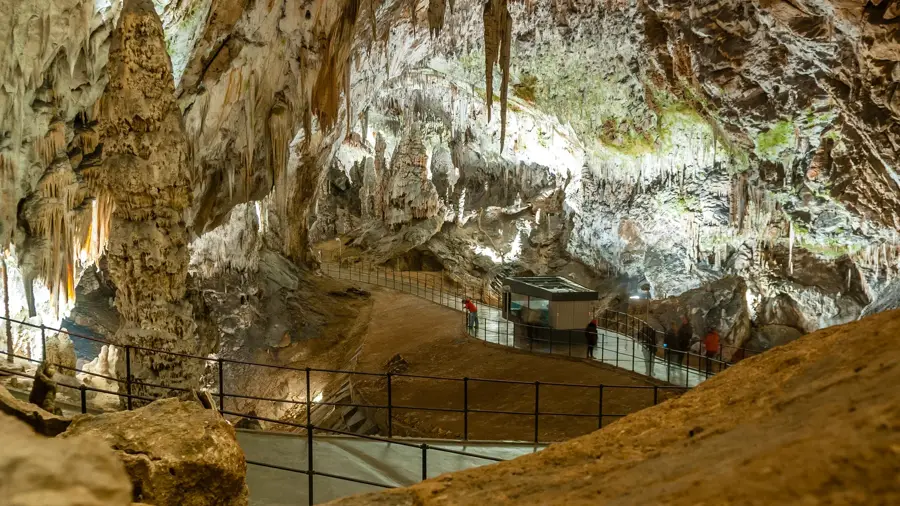
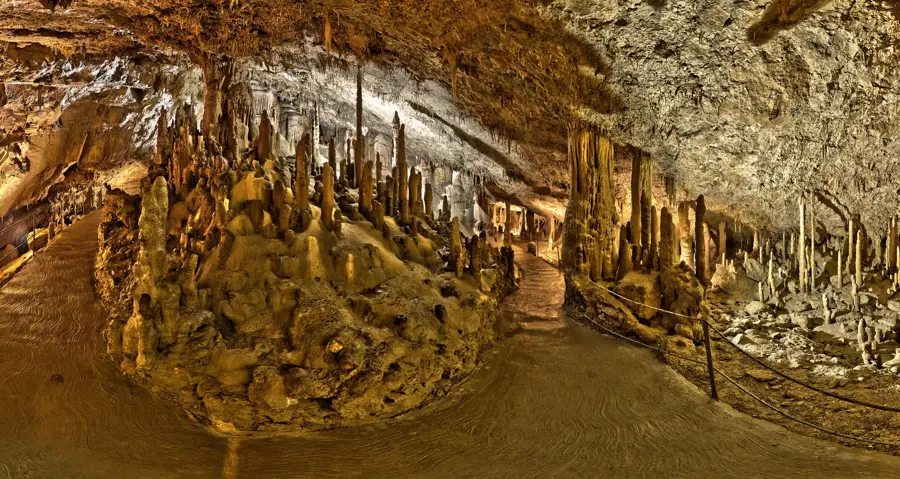
The Idrija Mercury Mine was for centuries one of the most significant mining sites in the world, playing a crucial role in Slovenia's economic history. Mercury was first discovered here in 1490, and shortly thereafter, Idrija grew to become the world's second-largest mercury producer, trailing only Almadén in Spain. The mining complex features an extensive network of tunnels reaching depths of over 700 meters. The extraction of liquid metal provided vast revenues for the Habsburg Empire and fostered significant technological and scientific advancements in the region. Due to falling global demand and environmental concerns, the mine ceased operations in 1995. Today, the site is recognized as a UNESCO World Heritage site under the 'Heritage of Mercury' listing and serves as a major cultural attraction. Visitors can explore Anthony's Main Road, the oldest part of the mine dating back to the 16th century. The museum showcases the difficult life of miners and the complex distillation processes used for mercury production.
- Location: Slovenia
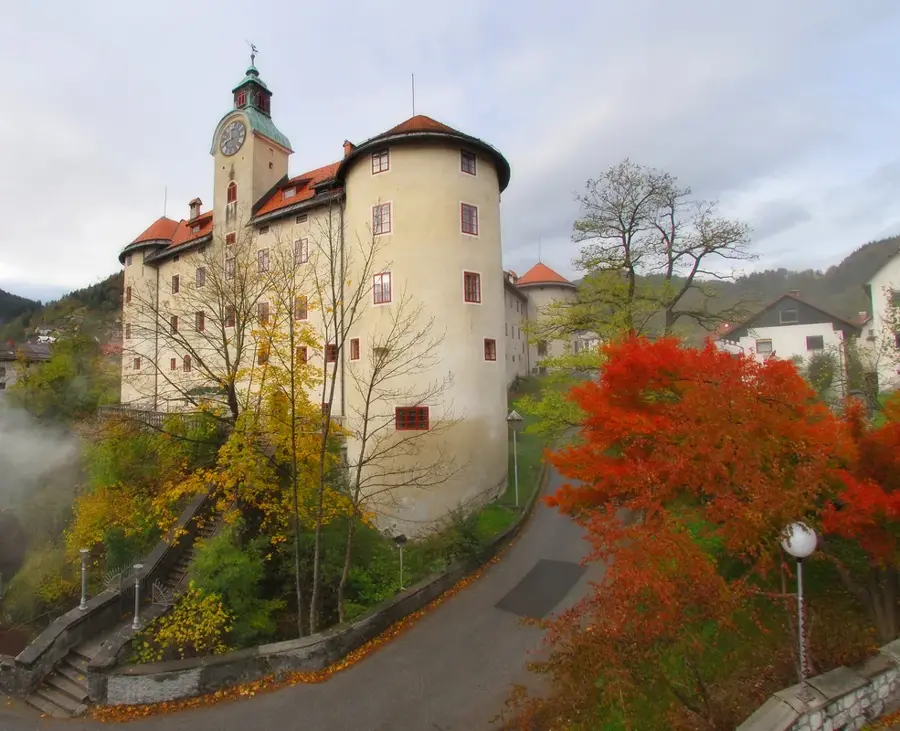
- Top sights: John of Nepomuk Chapel · Idrija War Museum · Grad Gewerkenegg
- Nearby: Cerkno (14 km)
Best time to visit & climate
The most pleasant time to visit is Jun–Aug.
| Jan | Feb | Mar | Apr | May | Jun | Jul | Aug | Sep | Oct | Nov | Dec | |
|---|---|---|---|---|---|---|---|---|---|---|---|---|
| Avg °C | 0 | 1 | 5 | 10 | 14 | 19 | 21 | 21 | 16 | 11 | 6 | 1 |
| Rain mm | 65 | 76 | 77 | 75 | 96 | 86 | 81 | 95 | 116 | 111 | 121 | 96 |
📋 Practical info
Geography
Facts
- The mercury deposits were discovered in the year 1490.
- The mine operated continuously for over 500 years.
- It was the second-largest mercury mine in the entire world.
- Mining operations were officially ceased in 1995.
- Inscribed as a UNESCO World Heritage site in 2012.
- Anthony's Main Road is the oldest part, opened around 1500.
Explore nearby
Notable places around
Route planner — Car & Motorhome
Where do you start? We build the route here, with stops and country notes along the way.
© OpenStreetMap contributors · OpenRouteService
Sights in the town Idrija Mercury Mine (10)
Tehniški oddelek muzeja v Frančiškovem jašku🏛 museum
Technical department of the museum in the Frančišek shaft, mining machinery.
Jašek Frančiščke
Frančišek shaft in Idrija, a historic mercury mining tunnel.
Šelštev
District of Idrija, known for its mining heritage.
Spomenik osamosvojitvene vojne
Monument to the Slovenian War of Independence in Idrija.
St. Anthony's church
Church of Saint Anthony in the Municipality of Idrija, Slovenia.
St. Joseph the worker
Parish church of Saint Joseph the Worker in Slovenia.
Sights nearby
Frequently asked questions
Can you visit the mine in Idrija?
Is Idrija a UNESCO World Heritage site?
How long does a tour take?
Is it cold underground?
What is the Idrija Kamšt?
Idrija Mercury Mine: where is it located?
Idrija Mercury Mine: what is there to see?
Idrija Mercury Mine: when is the best time to visit?
Idrija Mercury Mine: why is it worth visiting?

Nearby cities
History & landmarks