Plizio Visual Lab

Sereď Holocaust Museum
Plizio editorial teamData Sources
museum
—°10
Sereď Holocaust Museum (Slovakia)

Weather…

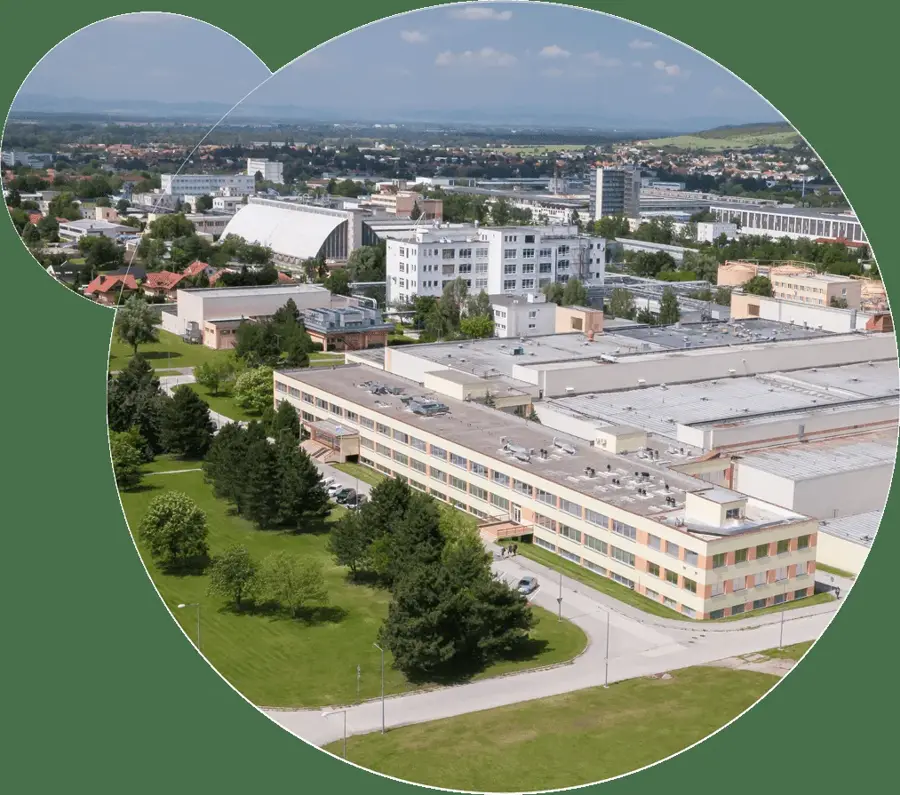
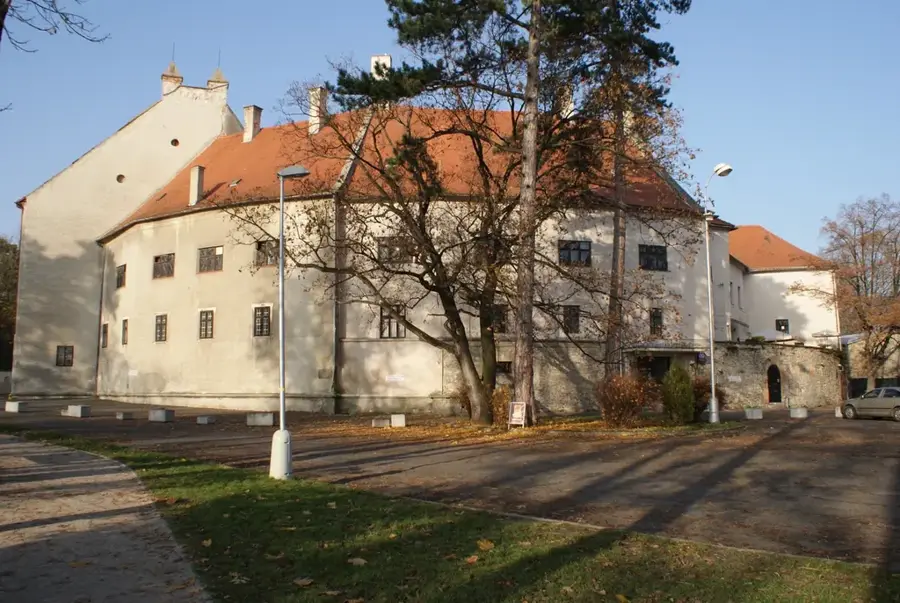
The Holocaust Museum in Sereď is located on the authentic site of a former labor and concentration camp used during World War II. It stands as a profound memorial to the victims of the Holocaust in Slovakia, documenting the tragic period between 1941 and 1945 when the site served as a transit hub for approximately 16,000 Jews deported to extermination camps like Auschwitz. The museum is housed within the original camp barracks, which have been meticulously preserved to provide an immersive educational experience about the prisoners' daily struggles. Exhibits cover a wide range of topics, including the anti-Jewish legislation of the Slovak State, the operation of the camp, and the heroic stories of the 'Righteous Among the Nations' who saved Jewish lives. As a major educational center, it provides programs focused on combating racism, antisemitism, and xenophobia. It is the only museum in Slovakia specifically dedicated to the Holocaust that is situated on the grounds of a former internment facility.

Best time to visit & climate

The most pleasant time to visit is Jun–Aug.

JanFebMarAprMayJunJulAugSepOctNovDec
Avg °C-204101520222116105-1
Rain mm433839356463676261484443

📋 Practical info

🚪
Visiting
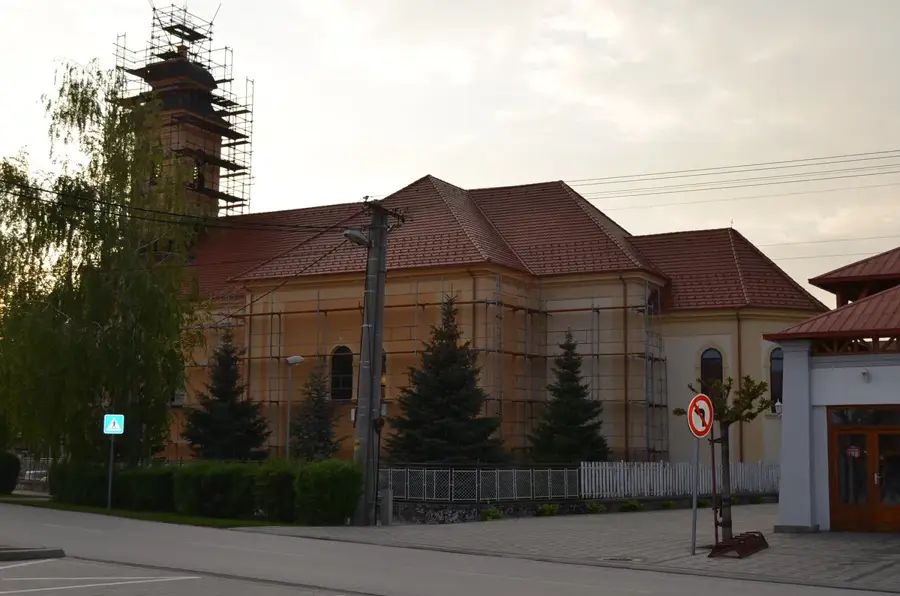
The museum complex consists of several restored authentic barracks from the former labor and concentration camp, housing deeply moving permanent exhibitions. Visitors can explore the solemn indoor displays and walk through the outdoor memorial grounds to understand the history.
🕒
Typical hours
The museum typically operates during standard daytime hours, often closing on specific days of the week or major national holidays, so checking the current schedule online is crucial. Guided tours or educational programs might have their own specific timetables that require booking.
📷
Photography
Photography for personal use is generally permitted in the outdoor areas and most exhibition spaces, but visitors are expected to act with utmost respect. It is very important to strictly follow any posted signs regarding photography restrictions in certain sensitive indoor areas.
⏱️
Time needed
Due to the profound historical significance and the extensive amount of documentary material presented, visitors should allocate at least two to three hours. This allows sufficient time to respectfully absorb the detailed exhibits, testimonies, and the sobering atmosphere of the site.
Combine with
After this somber and educational experience, you might choose to visit the nearby city of Trnava, known as the 'Little Rome' for its numerous historic churches, to find a place for quiet reflection. The regional museums in Trnava also offer broader historical context.
🧭
Getting there
The site is situated in Sereď, which is conveniently accessible by car, bus, or train from Bratislava and other major Slovak cities. There is usually dedicated parking available near the entrance, making it relatively straightforward for individual travelers or organized groups.
💡
Insider tip
Because of the deeply emotional and tragic nature of the Holocaust history presented here, the visit can be quite heavy, especially for younger children. It is advisable to prepare mentally and check if the museum provides specific guidance regarding the suitable age for visitors.

Geography

Coordinates
48.28800, 17.73700

Facts

  • The camp was established in 1941 as a labor center
  • Approximately 16,000 Jews passed through Sereď to death camps
  • The museum officially opened its doors in January 2016
  • It features five original barracks with various exhibitions
  • The facility was converted into a concentration camp in 1944
  • It serves as the main Holocaust educational site in Slovakia

Explore nearby

Notable places around
Route planner — Car & Motorhome

Where do you start? We build the route here, with stops and country notes along the way.

Vehicle
Only stops with (optional):

© OpenStreetMap contributors · OpenRouteService

Sights in the town Sereď Holocaust Museum (10)

Mestské múzeum🏛 museum

Town museum in Sereď, exhibits local history and culture of the region.

Kostol sv. Jána Krstiteľa

Roman Catholic church, national cultural monument in Sereď, Galanta district.

Lavička slávy

Bench honoring local celebrities, placed in a public area of Sereď.

Seredský kaštieľ

Manor house in Sereď, a historic building in the town center.

Amfiteáter

Open-air amphitheater in Sereď, used for cultural events and concerts.

Holocaust Museum🏛 museum

State museum on the site of the former Sereď concentration camp, documents the Holocaust.

Deportačný vozeň

Original freight car commemorating the deportation of Jews.

Oldtimer - múzeum Sereď🏛 museum

Museum featuring vintage vehicles and technology from various eras.

Kostol sv. Jakuba staršieho

Roman Catholic church, national cultural monument in Dolná Streda.

obria lavička

Giant bench in Sereď, a popular photo spot and meeting point.

Sights nearby

Frequently asked questions

Where is the Holocaust Museum located?
It is located in Sereď, on the site of the former labor and concentration camp.
What does the museum display?
It documents the persecution of Jews in Slovakia during WWII within authentic camp barracks.
When is the museum open?
Typically Sunday to Thursday. It is usually closed on Fridays and Saturdays.
Are guided tours available?
Yes, guided tours are available upon request and highly recommended for historical context.
How can I reach the museum?
Sereď is on the highway between Bratislava and Nitra; the museum is well-signposted.
Sereď Holocaust Museum: where is it located?
Sereď Holocaust Museum is located in Slovakia.
Sereď Holocaust Museum: what is there to see?
Highlights include Mestské múzeum, Kostol sv. Jána Krstiteľa, Lavička slávy.
Sereď Holocaust Museum: when is the best time to visit?
The most pleasant time to visit is Jun, Aug.
Sereď Holocaust Museum: why is it worth visiting?

The Holocaust Museum in Sereď is located on the authentic site of a former labor and concentration camp used during World War II.
View on map → The Top 50 Attractions → OpenStreetMap →
Europe
Explore with Plizio Discover more places in Europe
More places in Slovakia →

Nearby cities

History & landmarks