Plizio Visual Lab

Poloniny
Plizio editorial teamData Sources
Mountain
—°3
Poloniny (Slovakia)

Weather…

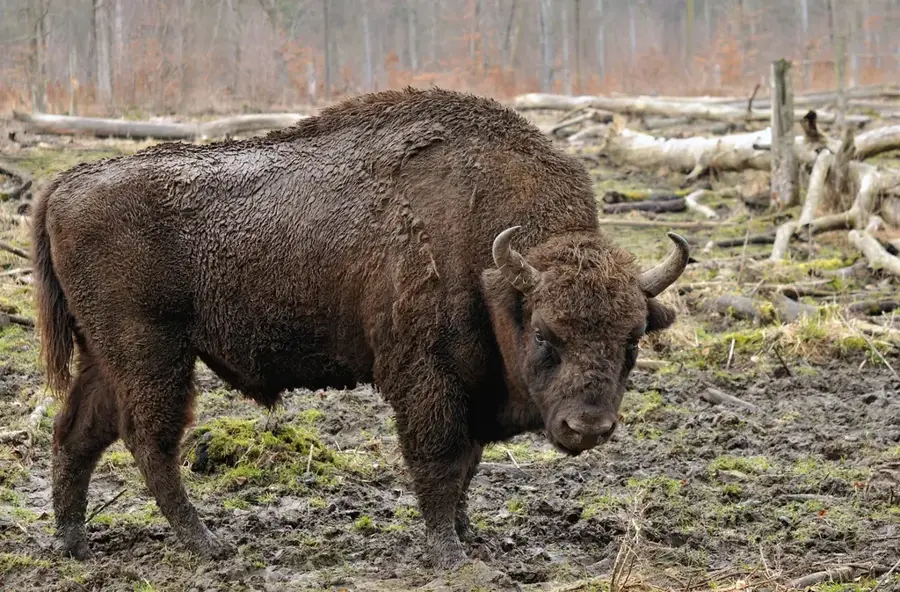
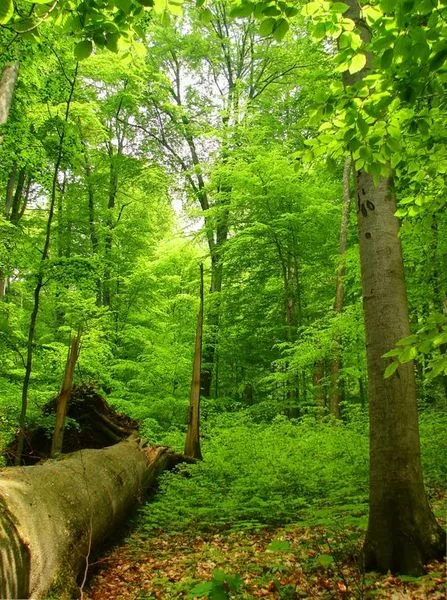
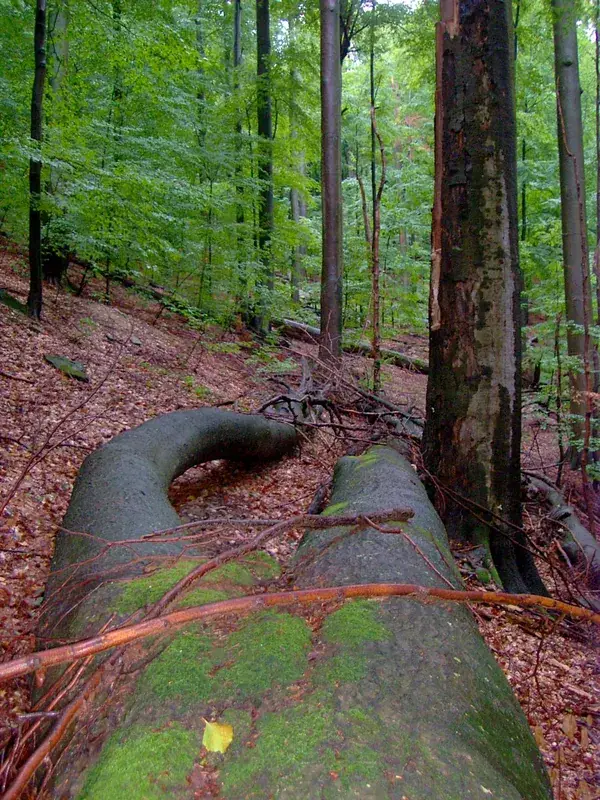
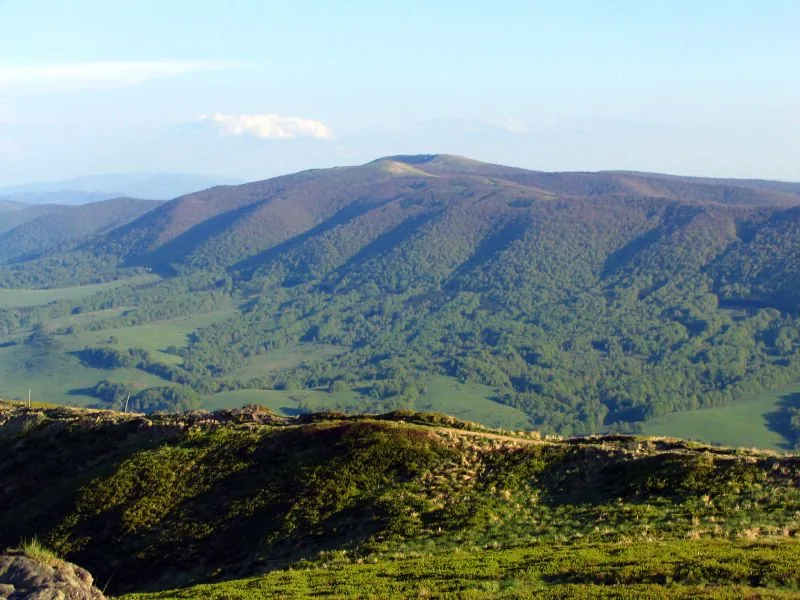
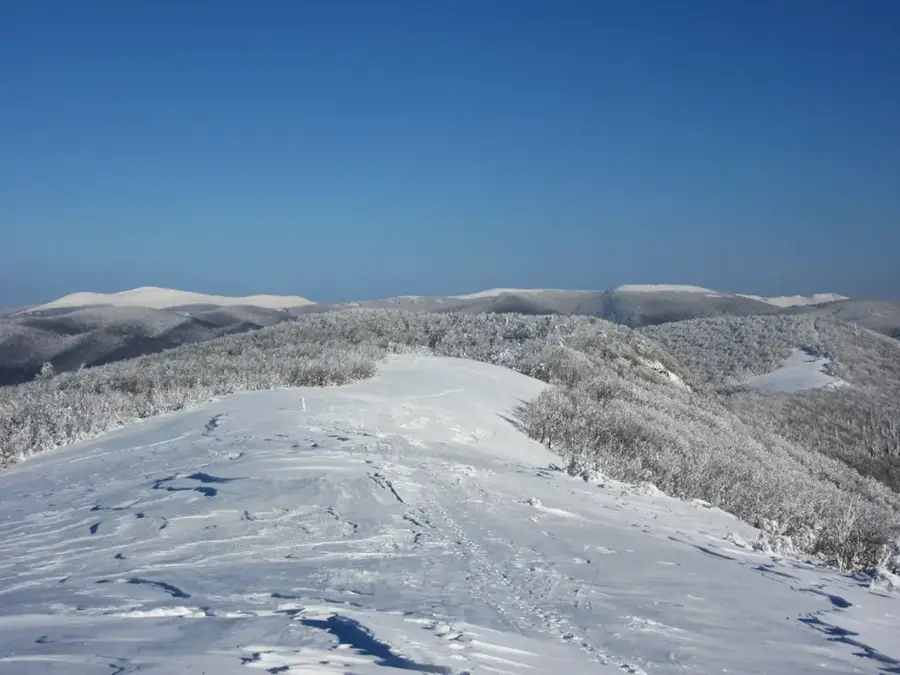
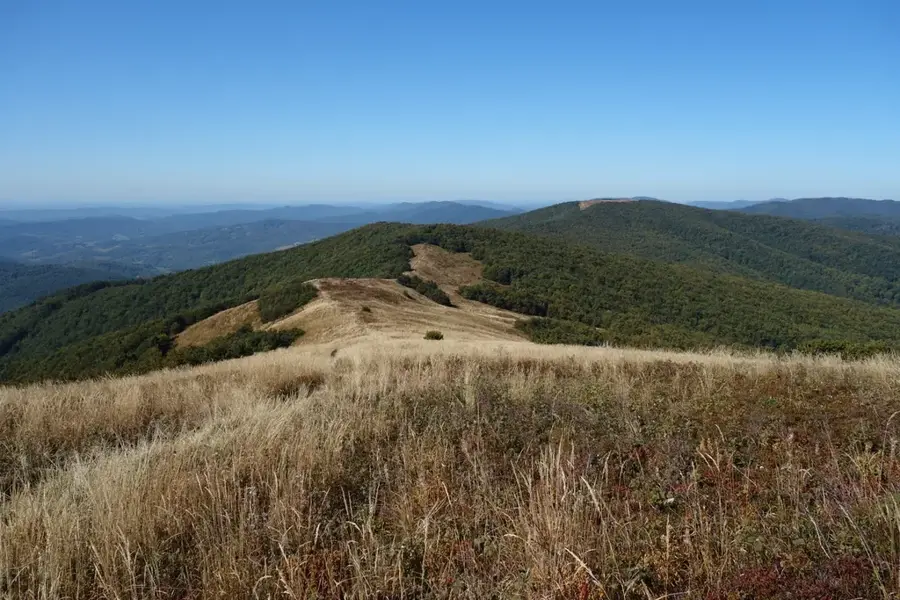
The Poloniny National Park, located in the extreme northeastern corner of Slovakia, is part of the Carpathian Mountains and ranks among the most pristine wilderness areas in Central Europe. It borders Poland and Ukraine, forming the transnational East Carpathian Biosphere Reserve. The park is named after its vast alpine meadows, known as "poloniny," but its most significant treasures are the ancient primeval beech forests, recognized as a UNESCO World Heritage site since 2007. These forests harbor some of the oldest trees on the continent within an ecosystem that has remained virtually untouched by humans for centuries. Due to its low population density and minimal light pollution, the area was designated in 2010 as Slovakia’s first Dark Sky Park, making it a premier location for stargazing. The wildlife is exceptionally rich, hosting rare species such as the European bison, which was successfully reintroduced, along with brown bears, wolves, and lynx. In the nearby valleys, exquisite wooden churches from the 17th and 18th centuries testify to the deep-rooted traditions of the local people. For visitors, Poloniny is a sanctuary of silence and authentic nature, far removed from mass tourism.

Best time to visit & climate

The most pleasant time to visit is Jun–Aug.

JanFebMarAprMayJunJulAugSepOctNovDec
Avg °C-5-418131719181383-3
Rain mm5651545498951077872665859

📋 Practical info

🧭
Getting there
Approaching this far northeastern mountain range typically requires navigation through long, winding regional roads leading to quiet border villages. These remote starting points provide the main gateways to the hiking trails that eventually climb up to the vast meadows.
📅
Best season
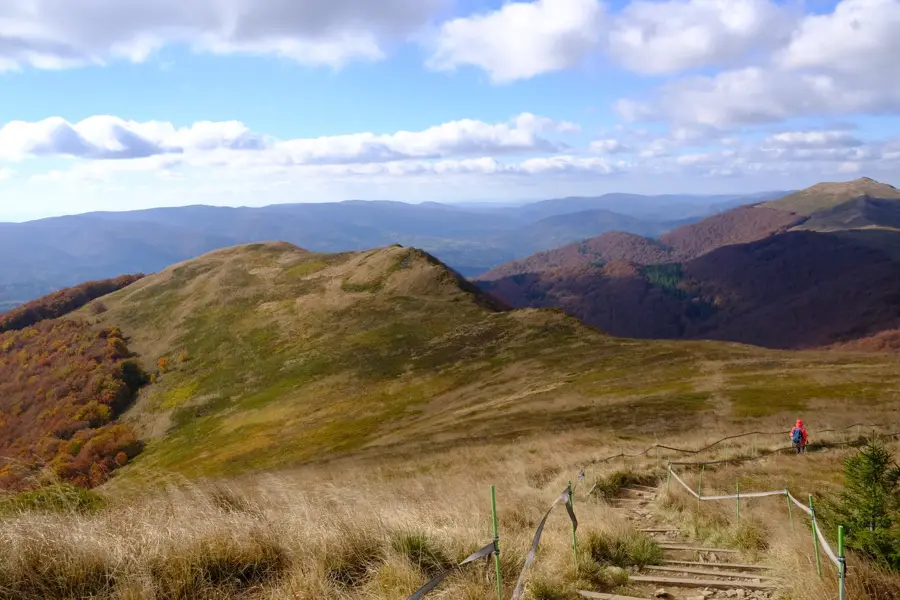
The summer months are generally considered the best time to explore the vast mountain meadows, as the lively greenery is fully exposed. Early autumn is equally striking, while winters bring heavy snows that restrict normal hiking and demand specialized wilderness experience.
⛰️
Terrain & paths
The landscape transitions from deep, wooded valleys of the Flysch Carpathians into the iconic, expansive high-altitude grassy ridges. Walking here requires consistent stamina for the initial climbs, but the broad ridges themselves offer smoother, panoramic trekking paths.
🎒
What to bring
Solid trekking boots and a reliable layered clothing system are essential, as the open meadows offer virtually no protection from sudden wind or rain. Carrying sufficient water is critical, as natural springs on the higher ridges can sometimes run completely dry during mid-summer.
🅿️
Parking
Vehicles are generally left at the designated endpoints of the local village roads, where informal but free parking areas are common. These quiet spots serve as the definitive beginning for long hiking days up toward the distant border ridges.
⚠️
Safety
The profound isolation of this area demands careful self-reliance and the ability to orient oneself using traditional maps if digital devices fail. Always stay firmly on the marked trails near the border, and respect the regulations designed to protect the fragile alpine meadow ecosystems.
⏱️
Time needed
Fully experiencing the grandeur of the high meadows requires a commitment of at least an entire day, usually involving a demanding initial ascent. Multi-day traverses along the main ridge are extremely popular among dedicated hikers seeking solitude and sweeping landscapes.

Geography

Coordinates
49.05000, 22.40000

Facts

  • National Park since: 1997
  • UNESCO World Heritage: since 2007 (beech forests)
  • Stargazing: Slovakia's first Dark Sky Park
  • Border point: Kremenec (tripoint point)
  • Wildlife: European bison reintroduction
  • Culture: UNESCO wooden churches in the region

Explore nearby

Notable places around
Route planner — Car & Motorhome

Where do you start? We build the route here, with stops and country notes along the way.

Vehicle
Only stops with (optional):

© OpenStreetMap contributors · OpenRouteService

Sights in the town Poloniny (3)

Stolová📍 landmark

A prominent peak in the Bukovské Mountains within the Poloniny National Park.

sv. Michala archanjela📍 landmark

A historical wooden church in the Poloniny region dedicated to St. Michael the Archangel.

Chrám sv. Michala archanjela📍 landmark

An 18th-century wooden Greek Catholic church in Ruský Potok, listed as a cultural monument.

Sights nearby

Frequently asked questions

What is special about Poloniny National Park?
The dark night sky (Dark Sky Park) and the ancient UNESCO beech forests.
Are there European bison there?
Yes, the park is the only place in Slovakia where European bison live in the wild.
What historical buildings can be seen?
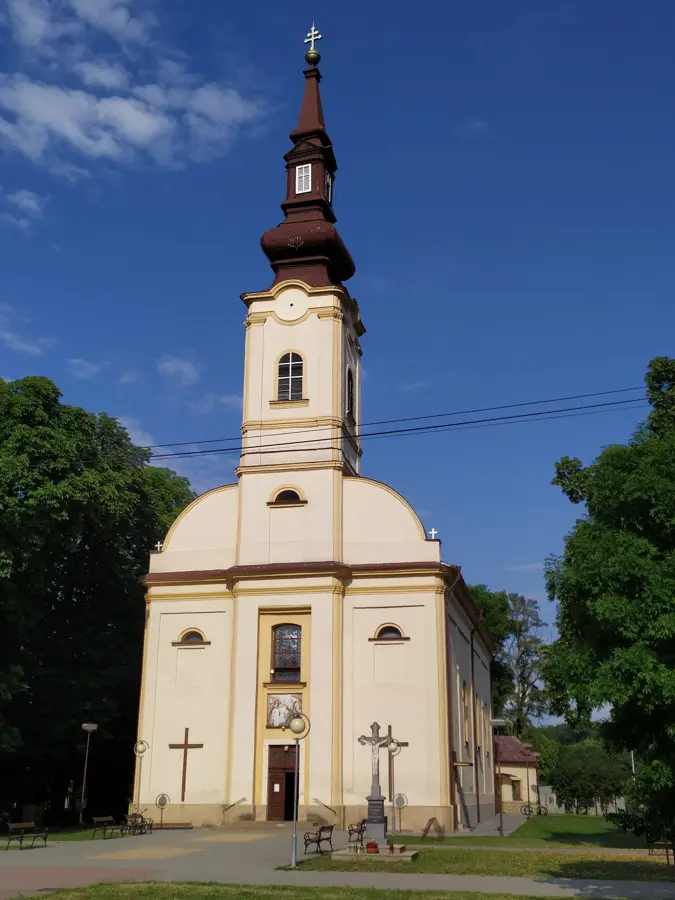
The old wooden churches in villages like Topoľa or Ruský Potok are famous.
Is the region overcrowded with tourists?
No, Poloniny is considered one of the quietest and most secluded national parks in Slovakia.
Where is the tri-border point located?
On the Kremenec peak, the borders of Slovakia, Poland, and Ukraine meet.
Poloniny: where is it located?
Poloniny is located in Slovakia.
Poloniny: what is there to see?
Highlights include Stolová, sv. Michala archanjela, Chrám sv. Michala archanjela.
Poloniny: when is the best time to visit?
The most pleasant time to visit is Jun, Aug.
Poloniny: why is it worth visiting?
The Poloniny National Park, located in the extreme northeastern corner of Slovakia, is part of the Carpathian Mountains and ranks among the most pristine wilderness areas in Central Europe.
View on map → The Top 50 Attractions → OpenStreetMap →
Europe
Explore with Plizio Discover more places in Europe
More places in Slovakia →

Nearby cities

History & landmarks