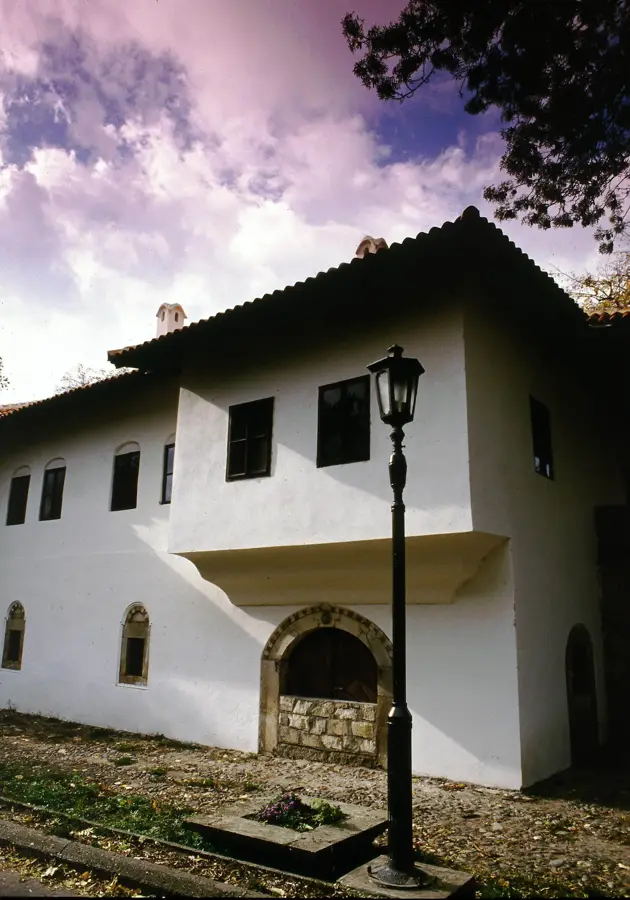

Kutsha Svetozara Markovitsha🏛 museum
19th-century house, birthplace of socialist thinker Svetozar Marković, now a memorial museum.
Plizio Visual Lab
Hot, sweetened plum brandy, great for cold months, found in traditional kafanas.
Kragujevac has a growing microbrewery scene; look for local drafts in pubs around the student areas.
Try massive, flavorful meat platters at traditional local eateries just outside the main pedestrian zone.
Hunt for vintage model cars or pins from the former Yugoslav car factory at local flea markets.
Look for specialized liquor shops in the center to buy premium, locally distilled fruit brandies.
Despite its tragic history, the vast greenery and rolling hills offer a deeply peaceful atmosphere.
A small urban lake close to the city center, great for a relaxed stroll or watching the swans.
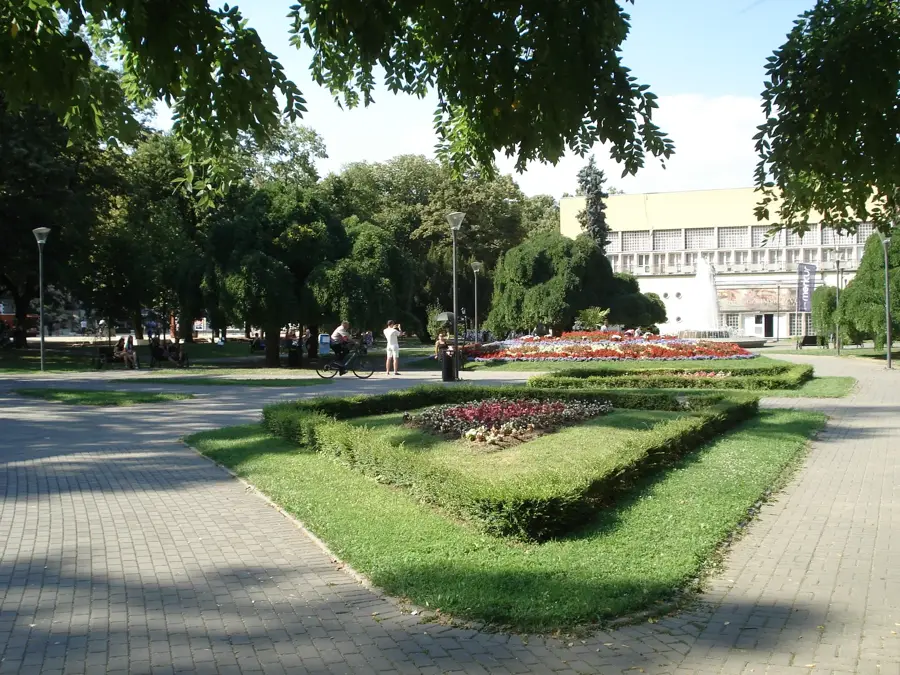
A large city park with shaded paths and old trees, good for a quiet afternoon break.
Water temperature…
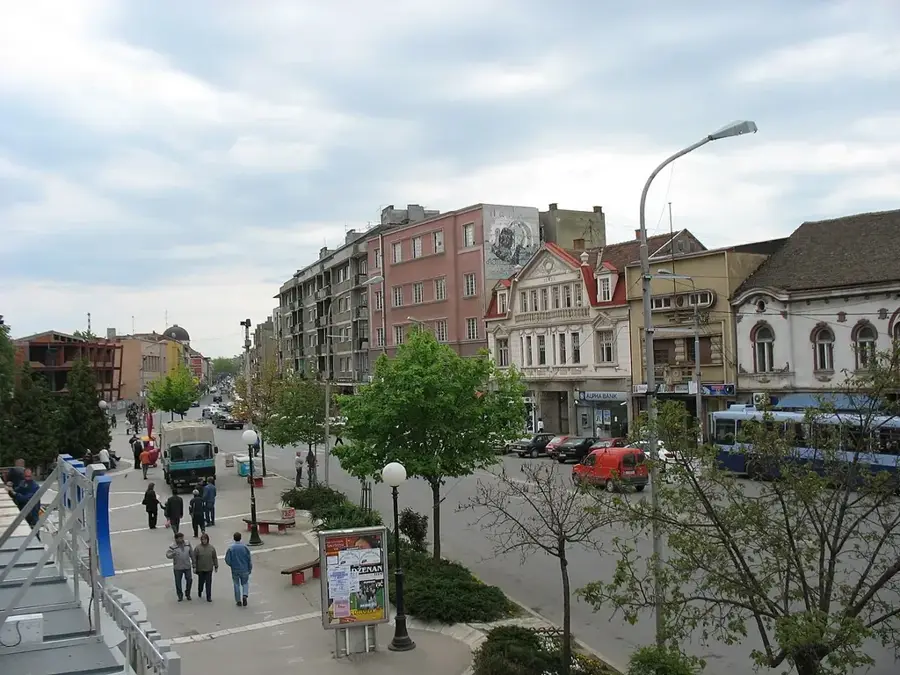
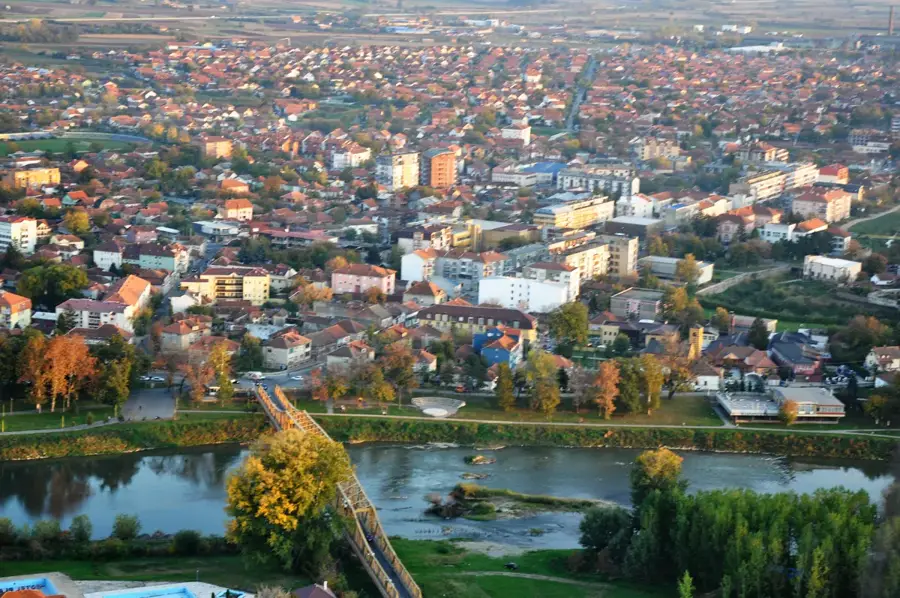
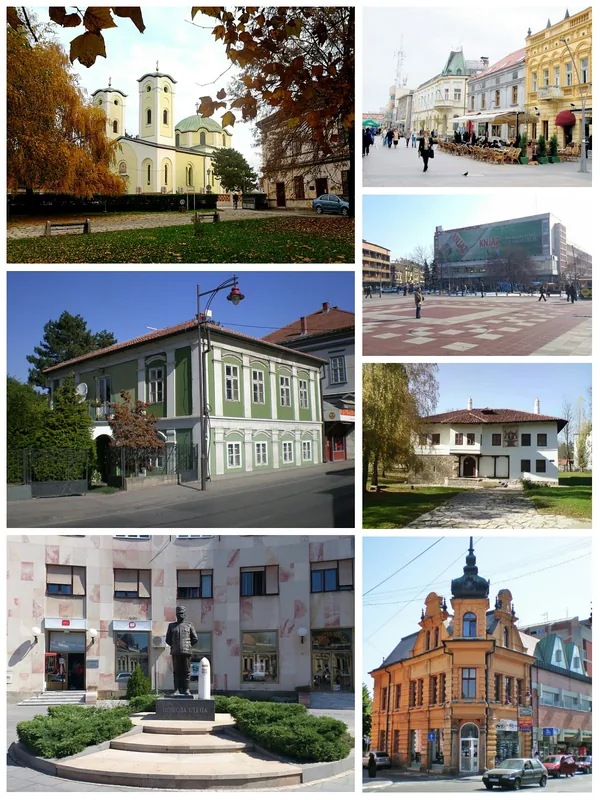
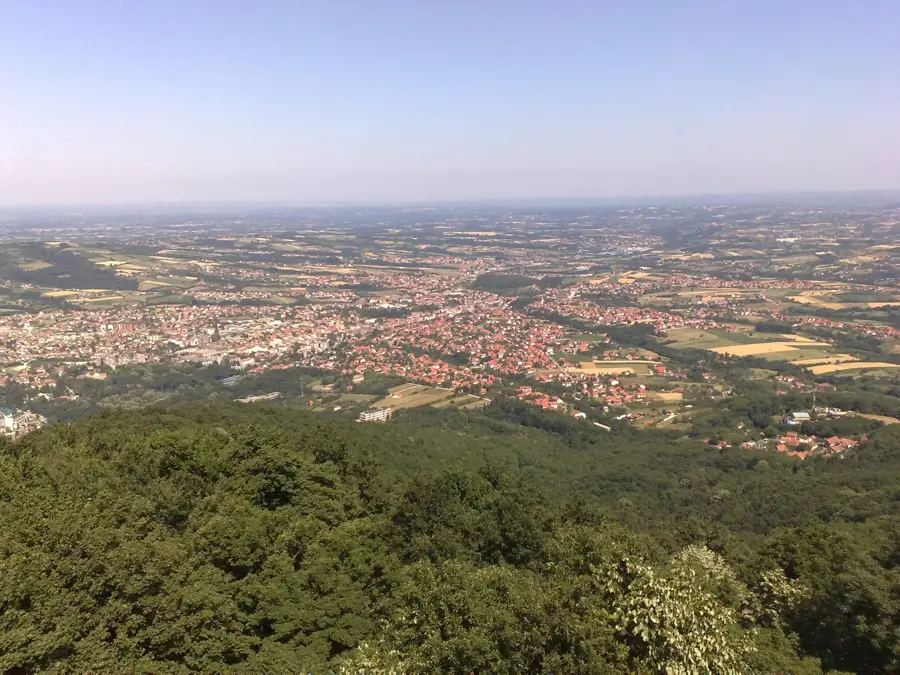
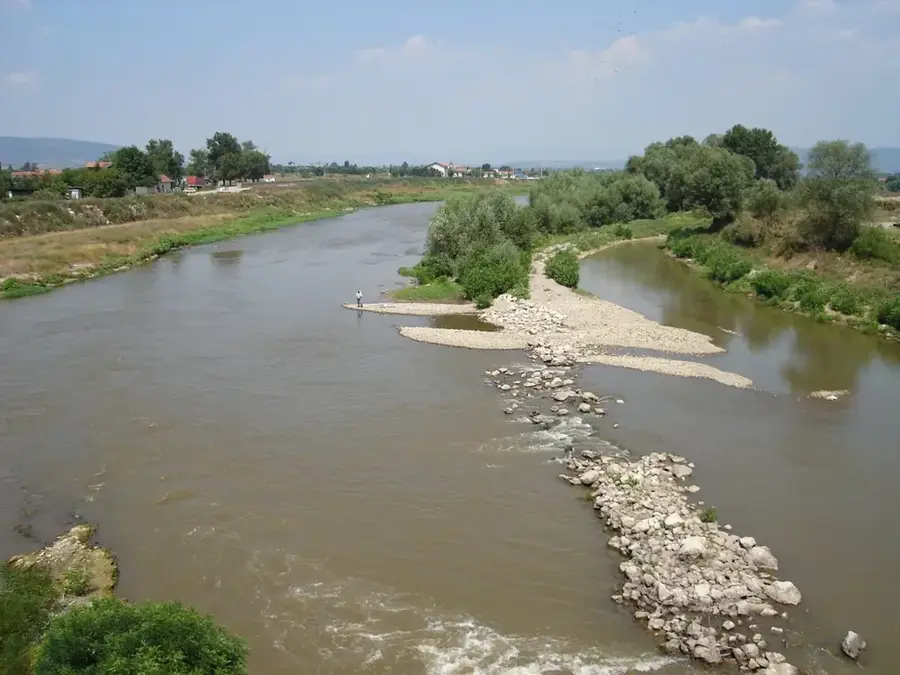
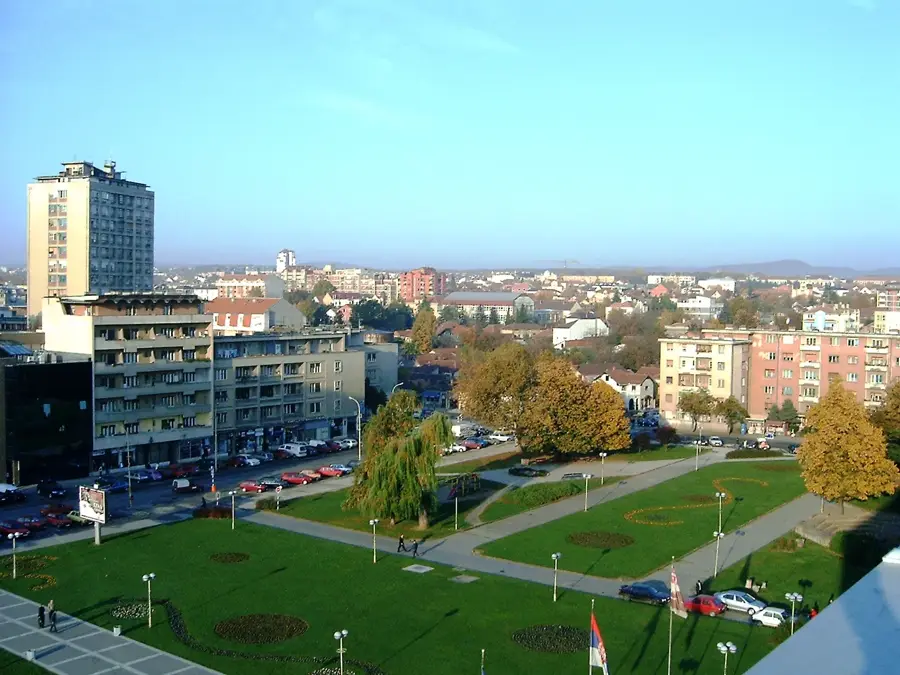
Kragujevac, Serbia's fourth-largest city, served as the first capital of the modern Serbian state from 1818 to 1841 under Prince Miloš Obrenović. This period of rapid development saw the establishment of the country's first high school, first theater, and first court. The historic center, known as 'Milošev Venac', spans both banks of the Lepenica River and features significant buildings like the Old Parliament and the Prince's Residence, which now house important historical exhibits. The city's history is also marked by the profound tragedy of the Šumarice Memorial Park. In October 1941, occupying German forces executed thousands of civilians here, including hundreds of high school students. The park is home to several striking monuments, the most iconic being the 'Interrupted Flight' monument, shaped like a broken wing, dedicated to the murdered pupils. The 'October 21st' Museum provides a somber but essential look into these events, housed in a unique red-brick building designed to evoke the scale of the massacre. Today, Kragujevac is a bustling industrial and educational hub, famously known as the center of the Serbian automotive industry (formerly Zastava, now Fiat). The city has an animated cultural scene, hosting events like the Arsenal Fest, a popular regional music festival held in a unique industrial setting. Its pedestrian-friendly city center is filled with shops and lively cafes. Located about 140 km south of Belgrade, it is easily reached by car. The best time to visit is during the summer for music events or in autumn to witness the moving commemorative ceremonies in the memorial park.
The most pleasant time to visit is Jun–Aug.
| Jan | Feb | Mar | Apr | May | Jun | Jul | Aug | Sep | Oct | Nov | Dec | |
|---|---|---|---|---|---|---|---|---|---|---|---|---|
| Avg °C | -1 | 0 | 5 | 11 | 16 | 20 | 23 | 23 | 17 | 11 | 6 | 0 |
| Rain mm | 53 | 52 | 59 | 62 | 85 | 84 | 67 | 59 | 57 | 61 | 55 | 56 |
Notable places around
Where do you start? We build the route here, with stops and country notes along the way.
© OpenStreetMap contributors · OpenRouteService
19th-century house, birthplace of socialist thinker Svetozar Marković, now a memorial museum.
The National Museum in Kragujevac houses extensive collections related to regional history and heritage.
The Old Parliament is a historic assembly building that serves as a museum in Kragujevac.
The Monument to the fallen Šumadians commemorates the local heroes of the region in Kragujevac.
The Monument to the Cannon Founder is a historical statue honoring the local industry in Kragujevac.
The Cathedral of the Dormition of the Mother of God is a majestic Orthodox church in Kragujevac.
The Monument to Vuk Karadžić honors the prominent reformer of the Serbian language in Kragujevac.
Children's theatre with performances for young audiences in Kragujevac.